







For more specialty coffee knowledge, please follow our WeChat official account: Front Street Coffee (FrontStreet Coffee)
Pour-over coffee has become deeply loved by enthusiasts with the development of the third wave of specialty coffee. Many enthusiasts enjoy brewing pour-over coffee at home. Is pour-over coffee difficult? Actually, learning to brew pour-over coffee is not difficult.
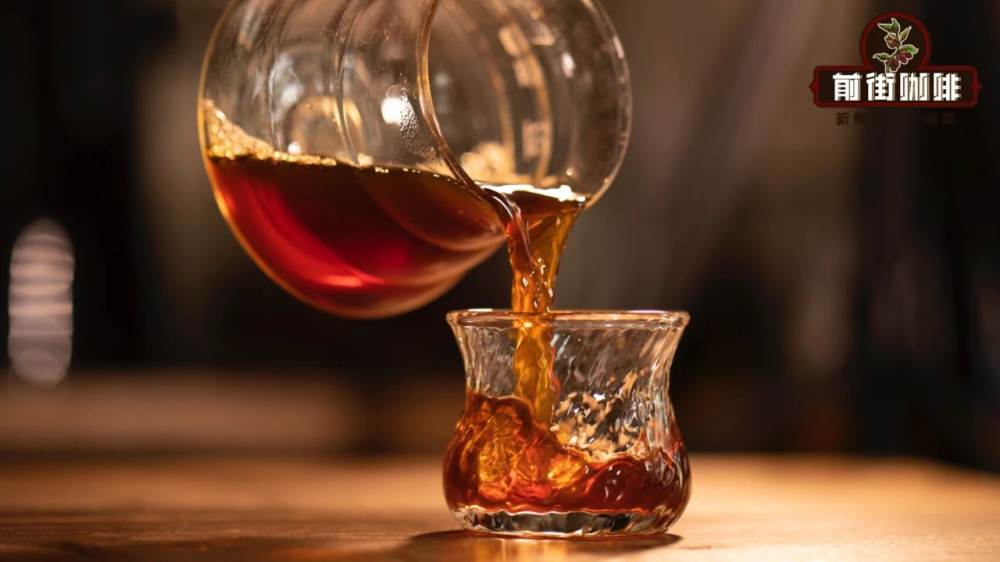
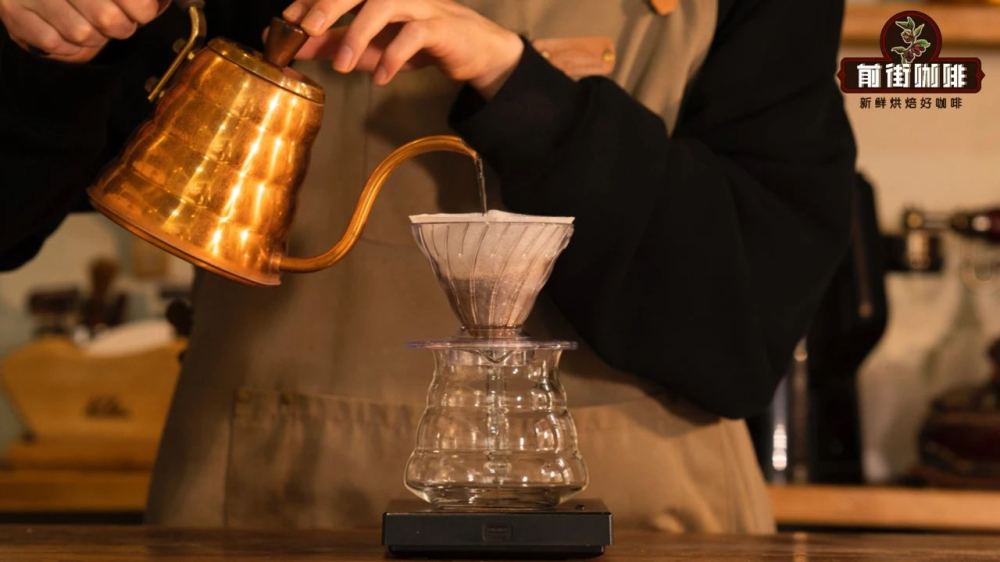
When serving pour-over coffee, the barista at Front Street Coffee (FrontStreet Coffee) chooses 15 grams of coffee beans, with a coffee-to-water ratio of 1:15, meaning the final amount of water to be poured is 225 grams. Depending on the coffee beans, they choose either a Hario V60 dripper or a Kono dripper. Before each brew, a small amount of water is used to rinse the filter paper, with the aim of making the filter paper fit more closely to the dripper.
The main factors affecting the taste of pour-over coffee are the following: grind size, water temperature, coffee-to-water ratio, extraction time, etc. Among them, the finer the grind, the stronger the coffee taste; the coarser the grind, the weaker the coffee taste. The higher the water temperature, the stronger the coffee taste; the lower the water temperature, the weaker the coffee taste. The larger the coffee-to-water ratio, the weaker the coffee taste; the lower the coffee-to-water ratio, the stronger the coffee taste. Extraction time is the same: the longer the time, the fuller the coffee's mouthfeel; the shorter the time, the weaker the coffee taste.
Why is brewing time so important?
The coffee brewing process is an extraction process. Water, as a solvent, dissolves the flavor substances from the coffee grounds, and all influencing factors directly or indirectly affect the coffee's extraction efficiency. Extraction time, or brewing time, refers to the contact time between the coffee grounds and water. The longer the contact time between grounds and water, the more time the water has to dissolve and extract substances from the coffee grounds, and of course the stronger the taste; the opposite is also true.
What affects the brewing time of pour-over coffee?
The structure of the dripper
The structure of the dripper is the first factor affecting the brewing time of pour-over coffee. Different drippers have different speeds for filtering coffee. Take the two drippers produced by Front Street Coffee (FrontStreet Coffee): the V60 dripper and the Kono dripper. The V60 dripper is designed with a large-diameter drainage hole and spiral-shaped exhaust ribs. This design makes the V60 dripper's filtration speed very fast, and it overall leans more toward drip extraction, increasing the coffee's layering.
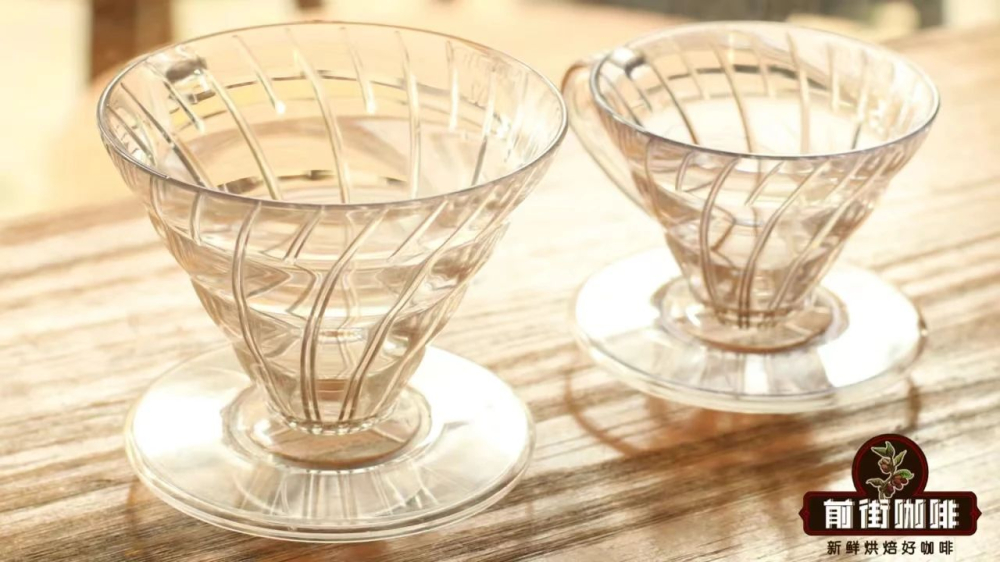
The Kono dripper, however, is characterized by straight and shorter ribs and a smaller drainage hole, both of which make the Kono dripper's filtration speed slower. The overall brewing time is longer than that of the V60 dripper, so when brewing with the Kono dripper, there is a longer immersion of water and grounds than with the V60 dripper, bringing a fuller mouthfeel.
Coffee dose
In addition to the dripper, the coffee dose can also affect the coffee's flow rate, thereby indirectly affecting the brewing time of pour-over coffee. Taking the drinks served at Front Street Coffee (FrontStreet Coffee) stores as an example, 15 grams of coffee grounds are used. More coffee grounds means, first, more pouring time is needed, and second, the coffee bed is thicker, so the flow rate is slower.
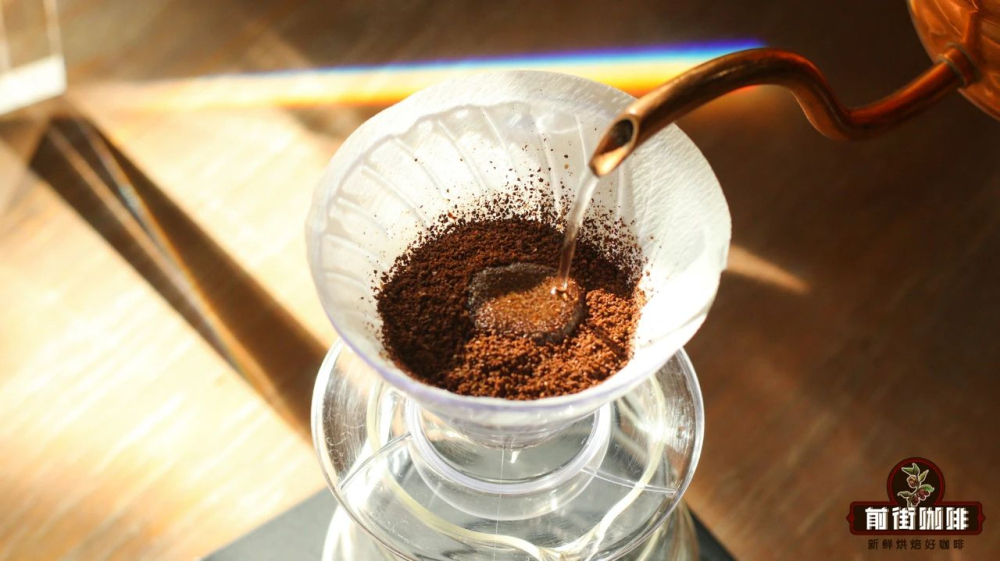
Imagine that, with the same pouring speed of 10 grams per second and a coffee-to-water ratio of 1:15, 15 grams of coffee grounds require pouring 225 grams of water, and the pouring time takes 22.5 seconds; while 20 grams of coffee grounds require pouring 300 grams of water, and the pouring time takes 30 seconds.
Pouring speed
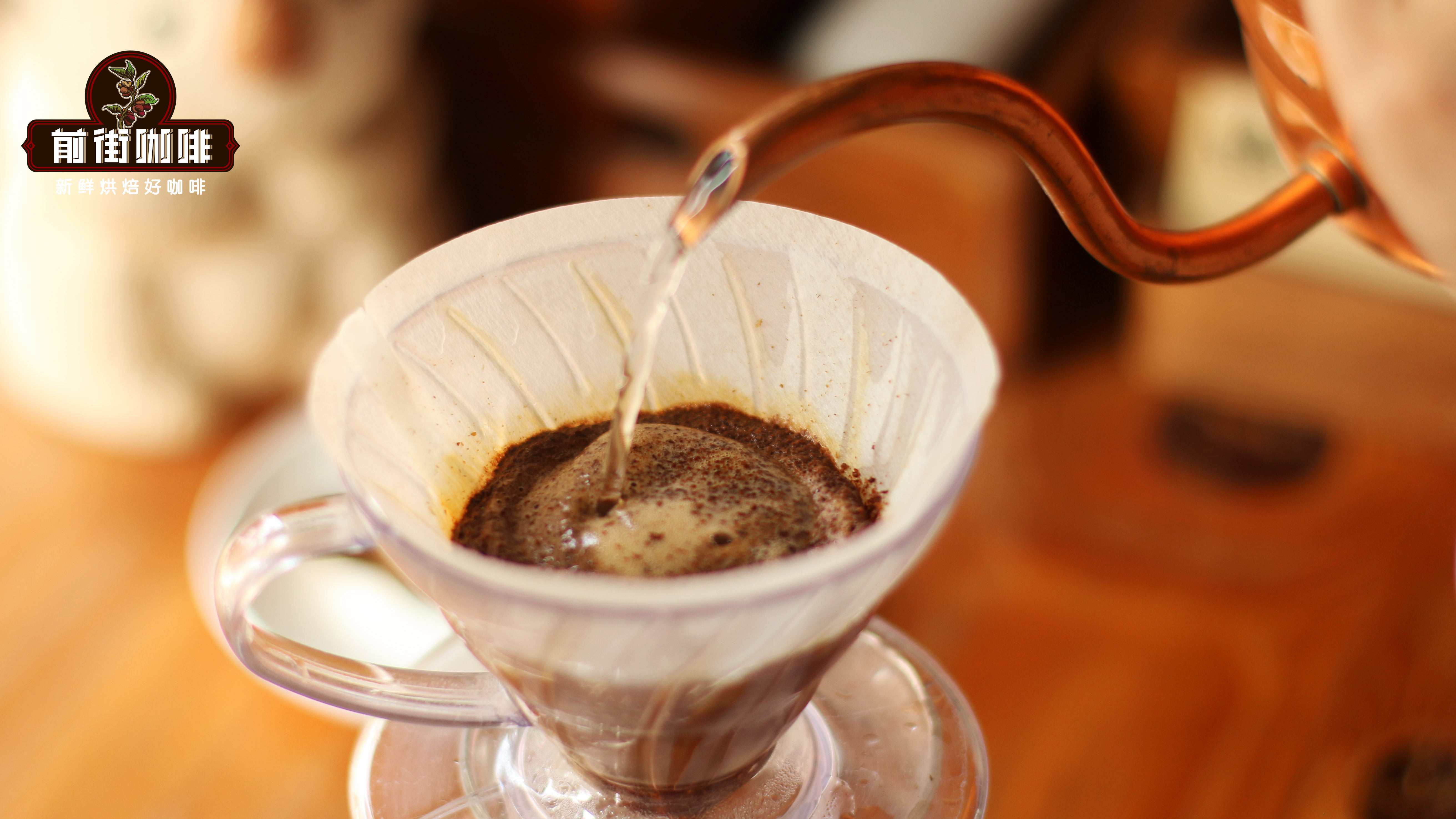
Pouring speed is even easier to understand. A faster pouring speed brings a shorter brewing time and a weaker coffee taste; conversely, a slower pouring speed means a longer brewing time, and the coffee taste is naturally more pronounced.
Grind size
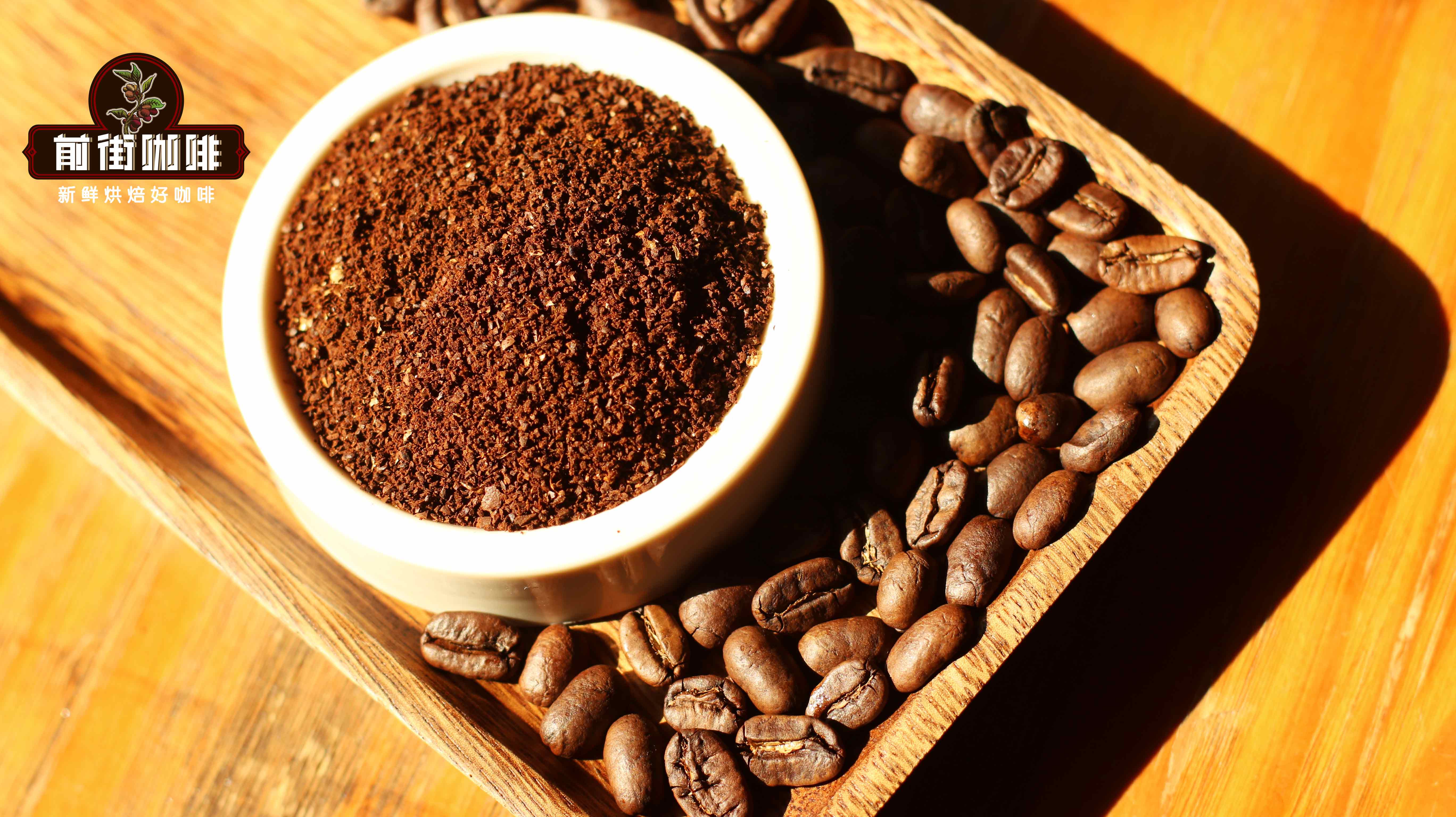
Finally, grind size is also a factor affecting the brewing time of pour-over coffee. I wonder if everyone has had this experience: after pouring water for pour-over coffee, the entire coffee bed turns into a muddy puddle, and the coffee liquid cannot filter through, as if blocked. This is the most extreme example of how coarseness and fineness affect brewing time—coffee grounds that are too fine cause the flow rate to become too slow.
The effect of coffee ground coarseness and fineness on brewing time can be understood as the gaps between particles. The finer the coffee grounds, the shorter the gaps between coffee particles, and the harder it is for water to flow through these gaps, so the flow rate slows down; conversely, the coarser the coffee grounds, the larger the gaps between coffee particles, and the easier it is for water to flow through these gaps, so the flow rate speeds up.
How long should pour-over coffee be brewed?
After the series of introductions above, we now know that coffee brewing time is actually affected by many factors, just as the final taste of pour-over coffee is affected by many factors. This is the result caused by a combination of factors, and no single factor has a fixed standard. The permutations and combinations of these factors can create different brewing plans, such as fine grind with fast brewing, coarse grind with slow brewing, etc.
The same is true for brewing time. But for beginners, before they understand the influence of each factor on brewing, the brewing plan of Front Street Coffee (FrontStreet Coffee) is very suitable for you. The baristas at Front Street Coffee (FrontStreet Coffee) often share with customers: Front Street Coffee's (FrontStreet Coffee) brewing method is the most basic, most fundamental, and at the same time very easy-to-imitate brewing plan, with the aim of letting everyone brew at home the taste they drink in a cafe.
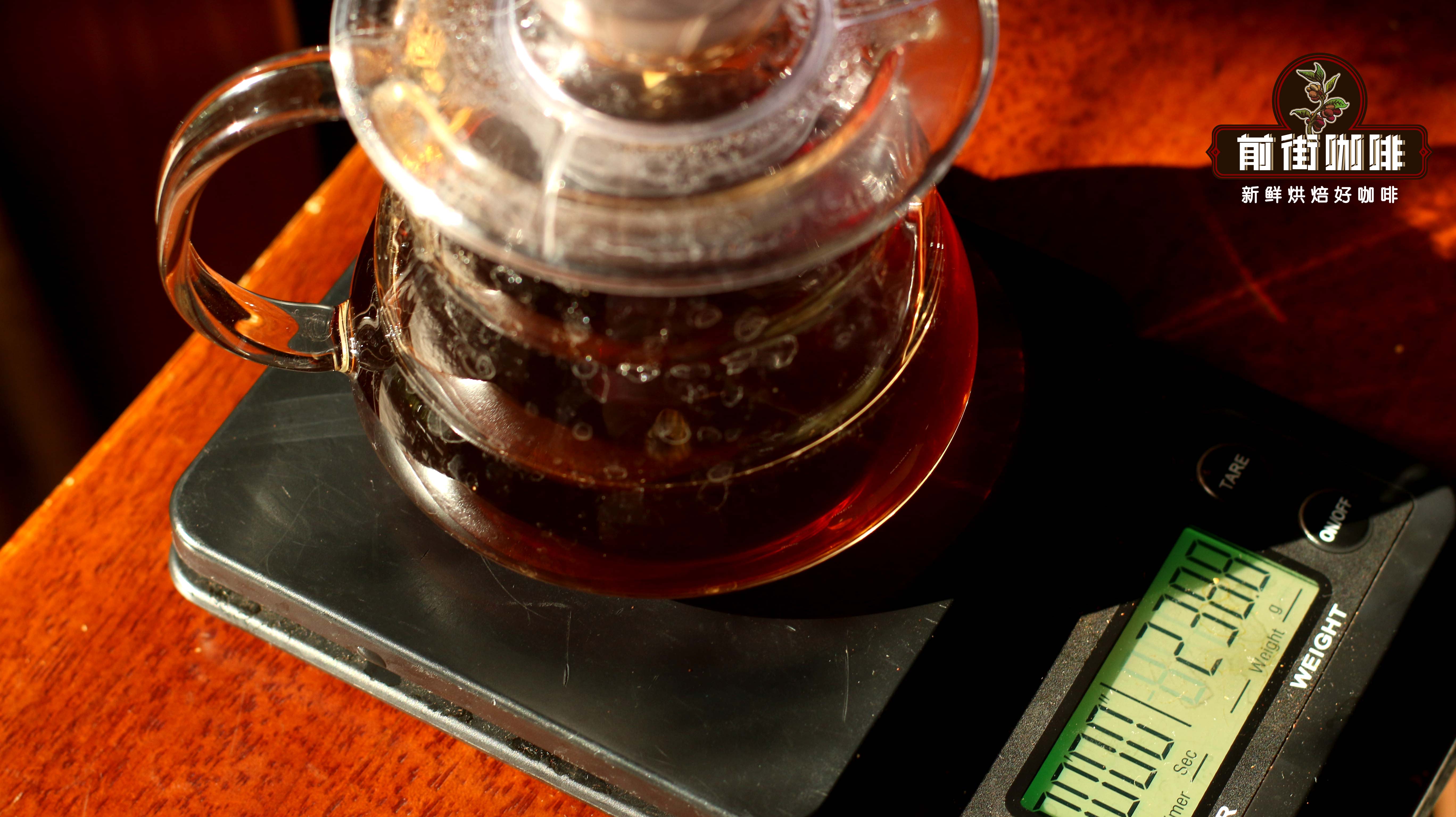
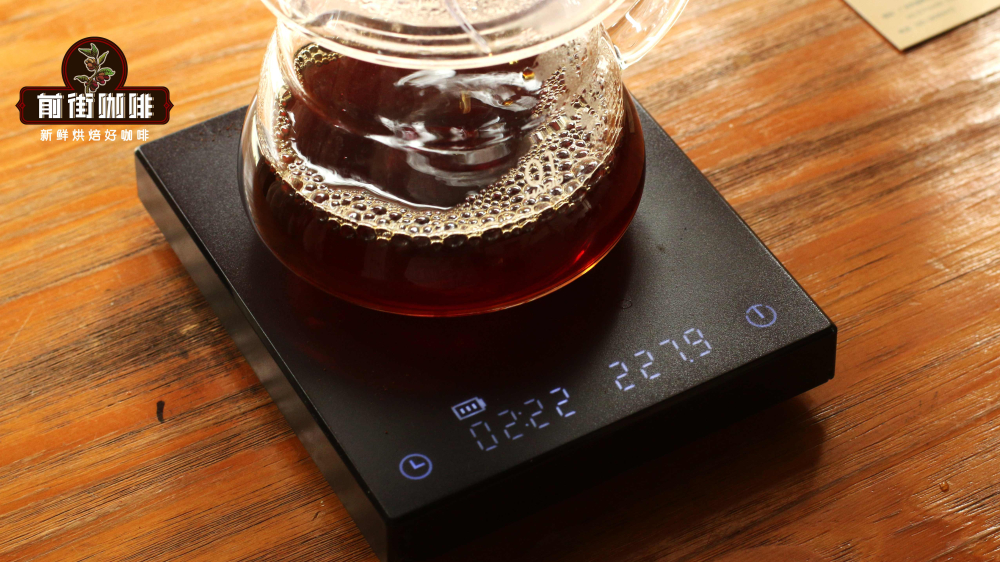
Front Street Coffee's (FrontStreet Coffee) brewing plan has been obtained through the joint practice of many baristas over many years. Choose a V60 dripper, 15 grams of coffee grounds, a coffee-to-water ratio of 1:15, a medium-fine grind size, a water temperature of 90 degrees Celsius, and pouring in three stages. The final brewing time is 2 minutes. At around 2 minutes, the coffee liquid has just fully filtered through; remove the dripper to end the brew.
In the first stage, pour 30 grams of water for blooming, with a blooming time of 30 seconds; then at 1 minute 15 seconds, pour in all of the remaining 185 grams of water, so completing the entire brewing process takes about 2 minutes to 2 minutes 10 seconds.
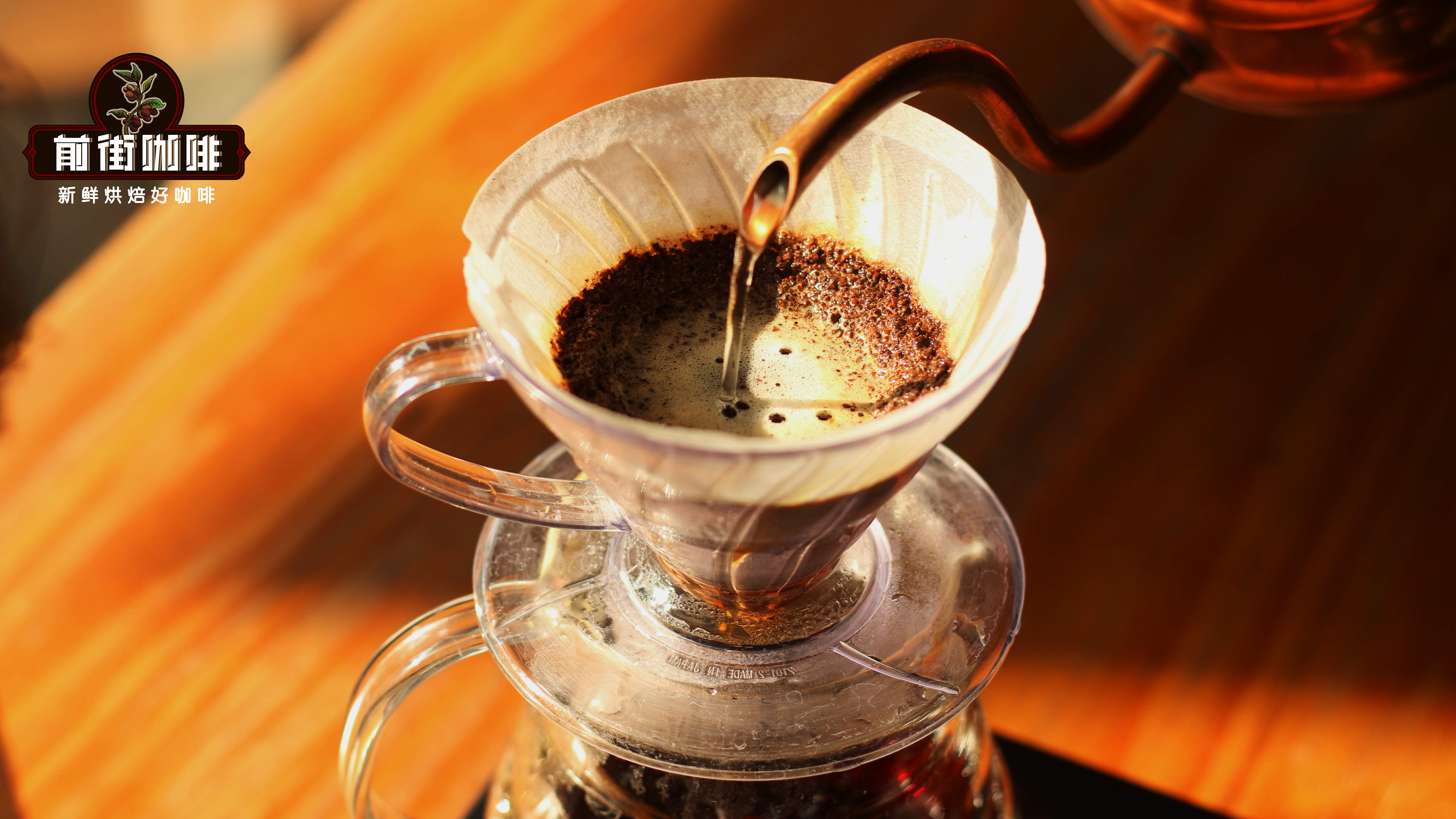
If, during this process, the pouring cannot be completed well in one go, it can be achieved through staged pouring. In the second stage, pour to 125 grams; after an interval of 10 seconds, pour to 225 grams of water. The total extraction time is about 2 minutes.
This brewing time is a choice based on grind size and coffee-to-water ratio. Less than2minutes, the coffee taste is insufficient; more than2minutes by too much, it is prone to producing a bitter taste.
The above content is compiled by CoffeeHunters, a coffee news website.


