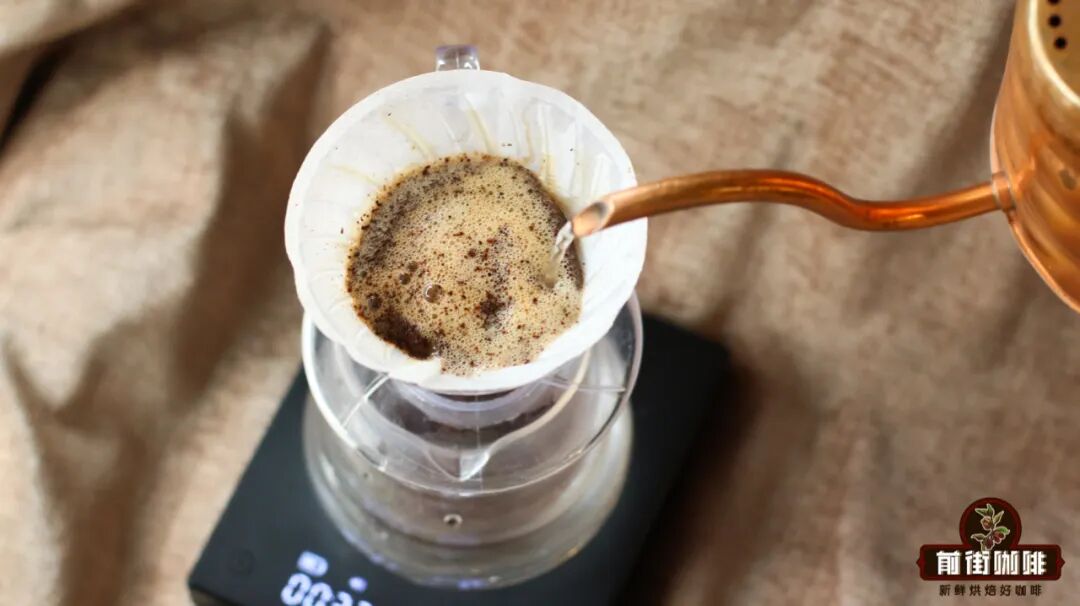
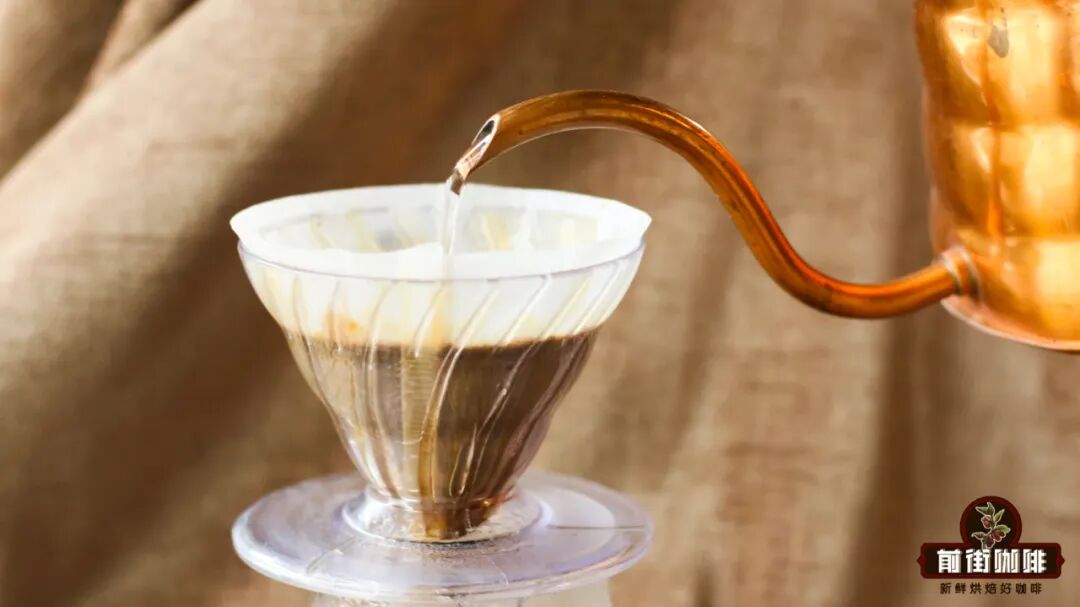
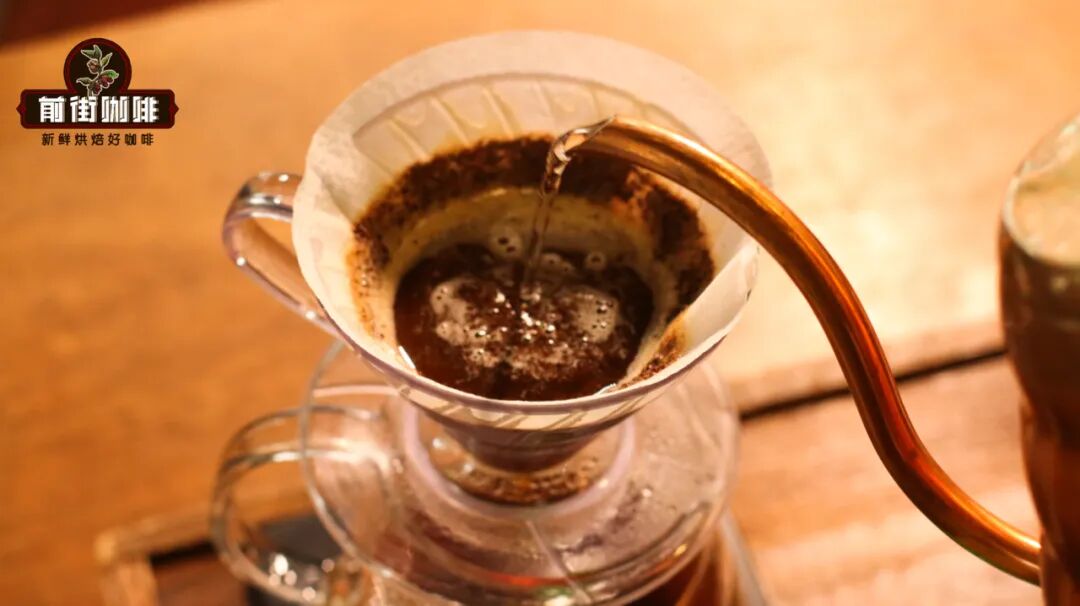
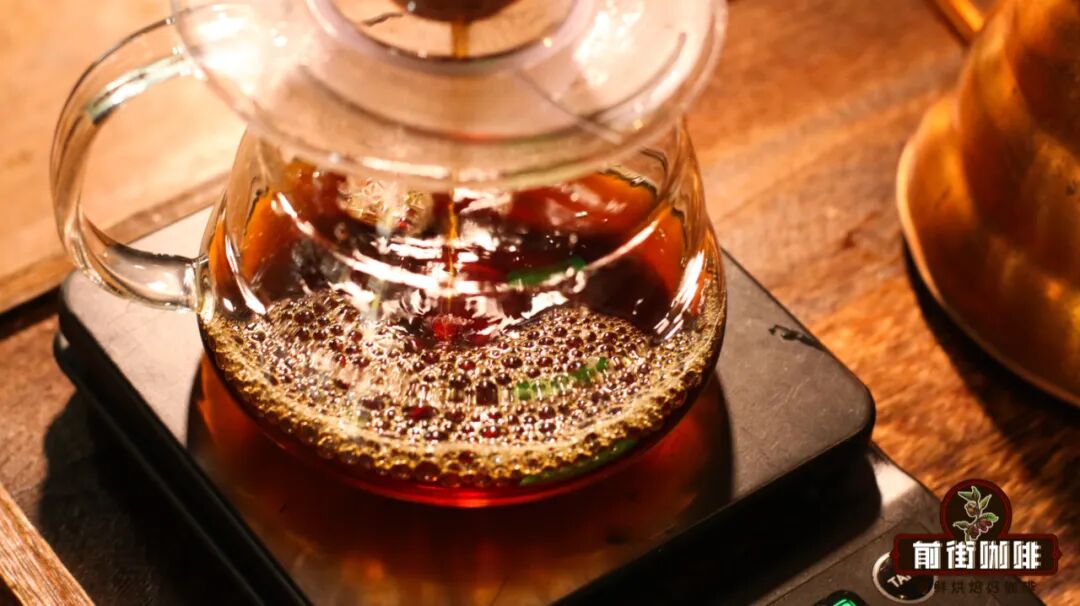
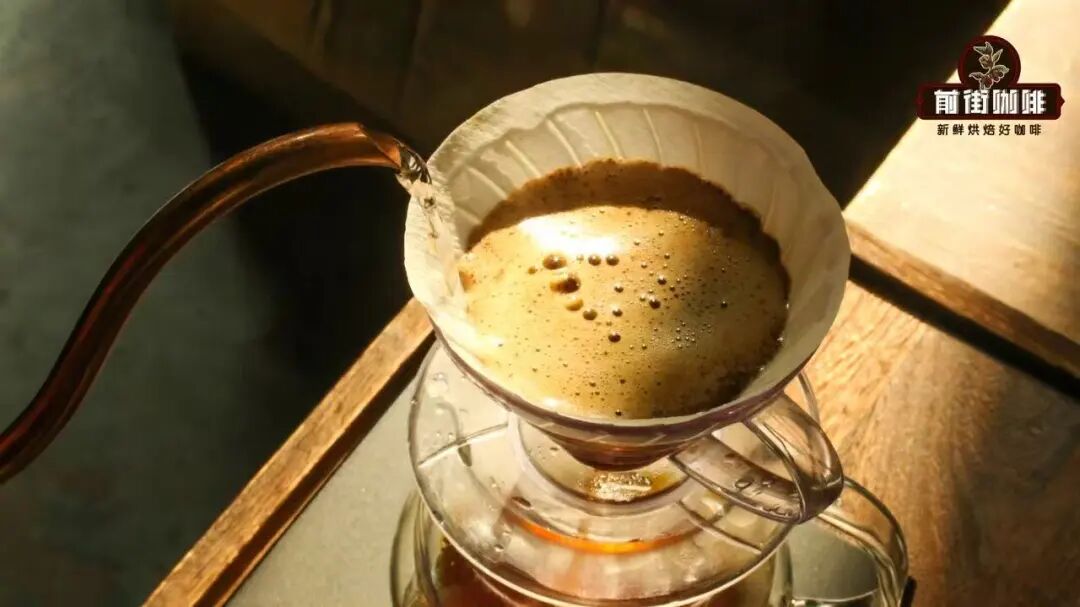
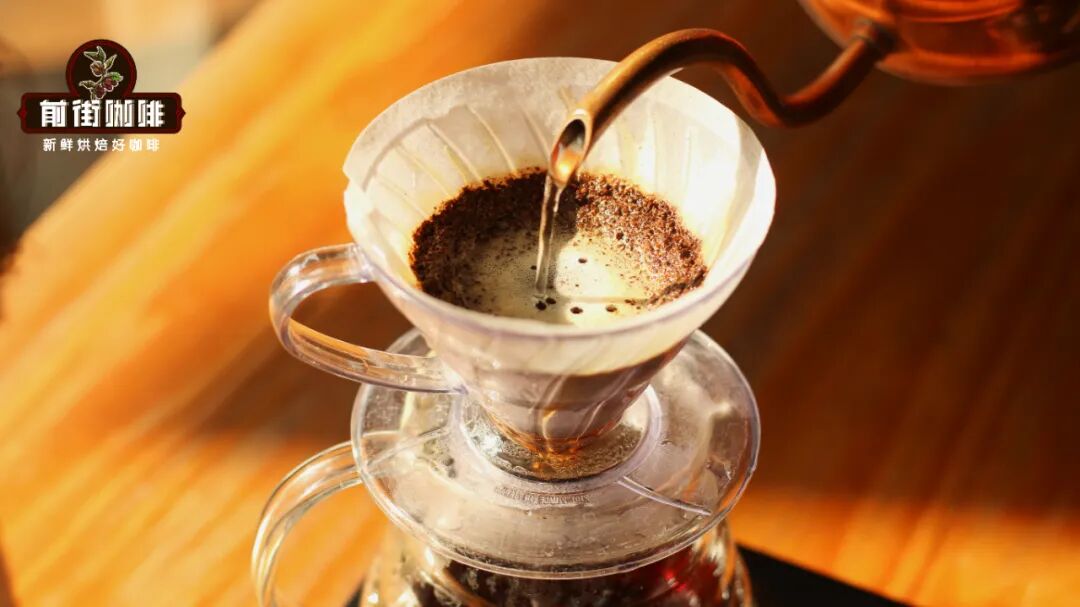
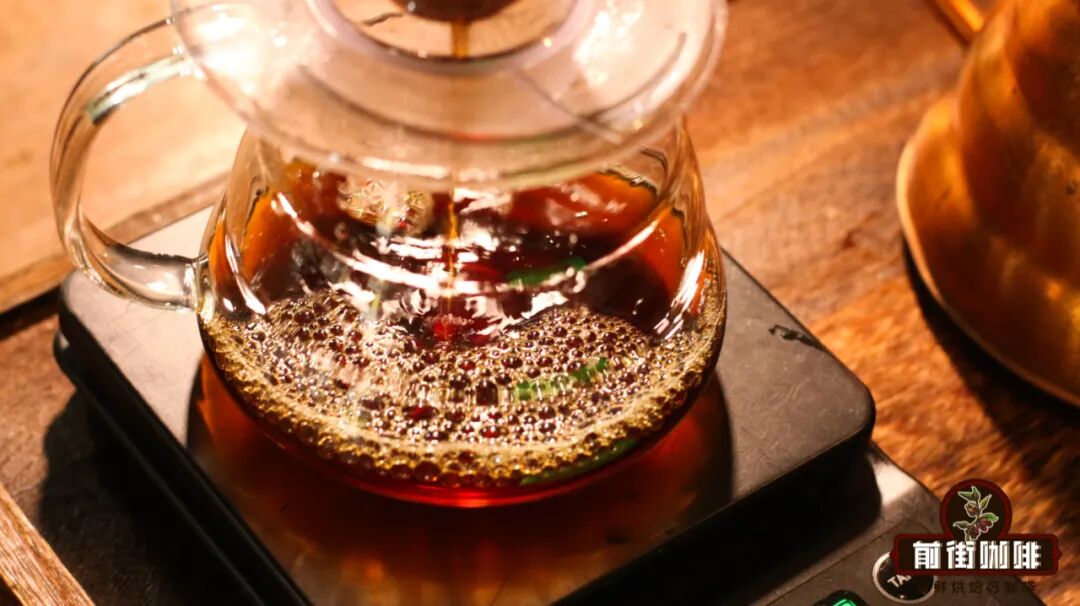
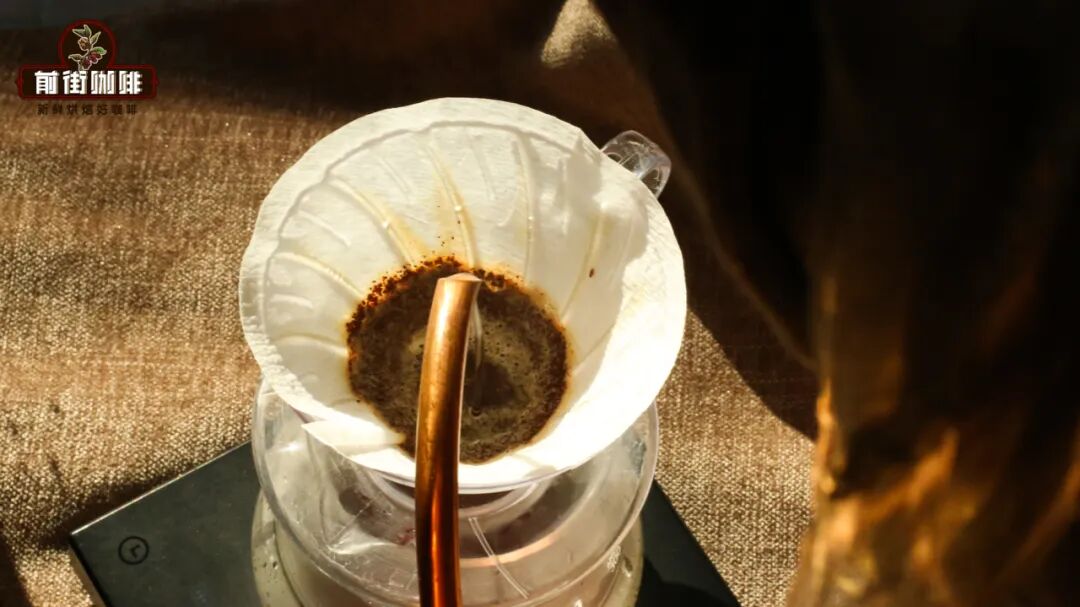
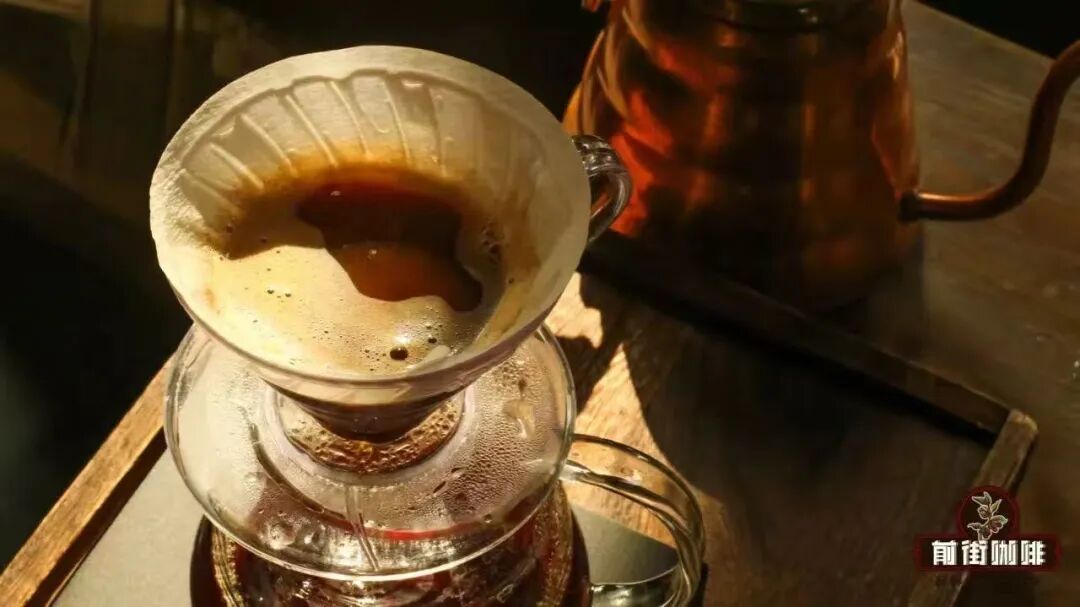
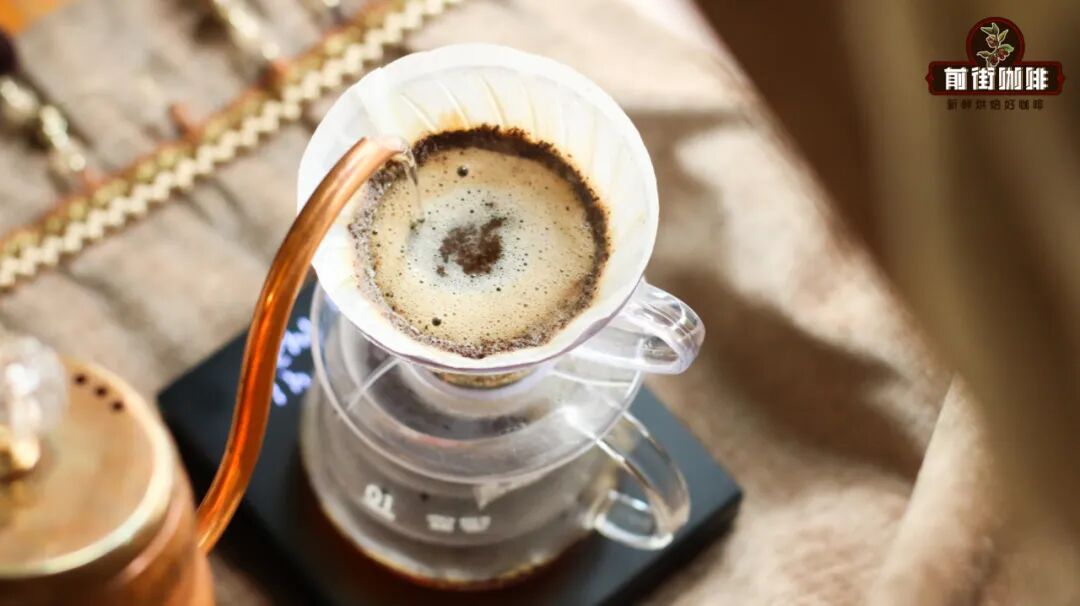
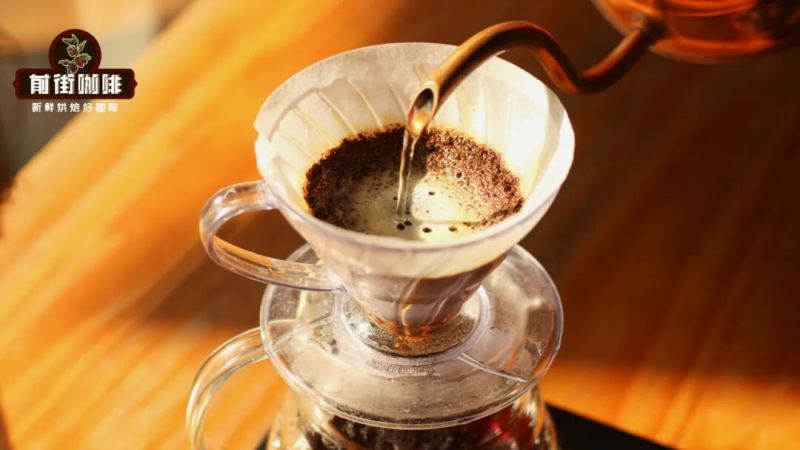
In yesterday's post, Front Street mentioned that one of the advantages of pour-over coffee is its high controllability. During the brewing process, we can adjust the pouring method based on actual conditions, so that the coffee's taste won't deviate from being delicious.This statement is not unfounded; many techniques can help us achieve this. And what Front Street wants to share today is one small technique among them—learning to split the pour, that is, pouring in multiple stages.This technique is often used in many brewing methods shared by Front Street! So-called staged pouring means splitting the hot water we are going to pour into multiple stages. For example, when brewing 15g of coffee grounds, at a ratio of 1:15, the amount of water to pour is 225ml, but usually we do not pour all 225ml of hot water at once; instead, we split it into multiple stages according to need. For example, the three-stage method splits the pour into three stages,the 4:6 methodsplits it into five stages... This is what everyone has been doing all along.But sometimes, we do not necessarily need to follow the routine so rigidly. When we discover unexpected situations before or during brewing, we can also appropriately adjust the pouring stages. For example, further split the original three-stage pour into four or five stages. So when do we need to adjust the pouring stages? First, we need to know what advantages staged pouring has.1. Controlling extraction timeUnder the premise that the pouring rate remains unchanged, the more stages we use for pouring, the longer the extraction time becomes. Because an increase in the number of stages brings us more waiting time. Each stage of pouring requires waiting until the hot water from the previous stage has mostly drained through before starting the next pour, and the appearance of this waiting time extends the overall extraction time.In addition, because there are more split stages, the amount of water poured in each stage is reduced. Since less water accumulates in the dripper, the water pressure is lower, which makes the hot water take longer to pass through. Combined with the extended waiting time, the overall coffee extraction time therefore increases.2. Improvement of extraction efficiencySo what does extraction time affect? That's right! It affects extraction efficiency. Extraction time refers to the contact time between water and grounds. The longer the extraction time, the higher the extraction efficiency, and therefore the more flavor substances water can dissolve from the coffee grounds.Not only that, because the number of pouring stages increases, this also causes the liquid concentration in the dripper to be refreshed multiple times. The dissolution rate of flavor substances in coffee is affected by the concentration difference. When the liquid concentration is lower, flavor substances dissolve out of the coffee faster. By increasing the pouring stages, we can refresh the liquid concentration multiple times, and comparatively, this allows the hot water to have higher extraction efficiency.3. Avoiding the appearance of bypass waterMany drippers, like the V60, have protruding ribs designed on the inner wall. One of the functions of these ribs is to support the filter paper, allowing the coffee grounds to have an exhaust channel during brewing, so the flow rate can therefore be improved.But the existence of these channels has a drawback: when the water level in the dripper exceeds the coffee grounds, or when hot water is poured onto the wall without coffee grounds, the hot water tends to secretly "slip away" through these channels, bypass the coffee grounds, not participate in extraction, and directly fall into the server.And water that takes this kind of "side door" is generally called "bypass water." Front Street has shared before that thesepassivelyappearing bypass waters reduce the coffee extraction yield, affect the taste, and at the same time lower the mouthfeel experience. Staged pouring can improve this phenomenon very well. Because when the pouring stages increase, the hot water poured in each stage is reduced. A small amount of hot water is not enough to raise the water level above the coffee bed, so naturally, the appearance of bypass water can be reduced.Once everyone is familiar with the above three advantages brought by staged pouring, we can know how to flexibly apply this technique in coffee.How to use the staged technique?Here Front Street will first take the feature that staged pouring can improve coffee extraction yield as an example. When we find during brewing that the hot water we pour drops very quickly, or during preparation we find that the coffee grounds have been ground too coarse, or the water temperature has not reached the target temperature, we can adjust the pouring stages.Because these situations will reduce extraction efficiency and make the final coffee extraction yield not so high, so the taste will therefore become less full. So at times like this, we can improve extraction efficiency by increasing the number of stages, thereby obtaining a pot of coffee with a normal extraction yield.Or, as Front Street mentioned a few days ago,the bean-saving method, the case in it was that because the amount of grounds was too small, under-extraction was very likely to occur during brewing. Then Front Street improved extraction efficiency by pouring in multiple stages, thereby using a small amount of(5g)coffee grounds to brew a delicious pot of coffee.There is also the case when we are brewing high-density coffee beans; we can likewise use the technique of pouring in multiple stages. Many beginners, when brewing Front Street Yirgacheffe·Washed Gutingting from Front Street's bean list, will adjust the original three-stage pour into a four-stage pour. Why?Because the beans have higher density, when water control is not proficient, pouring a large amount of hot water can easily make the water level exceed the coffee bed and produce bypass water. Or because the flow is too strong, fine particles are stirred to the bottom, clogging the filter paper, and ultimately causing the coffee to over-extract.Staged pouring can improve this very well. Because the amount of water in each stage is reduced, even if you do not need to control the flow too deliberately, the water level will not easily exceed the coffee bed. At the same time, it will not cause the coffee bed to tumble too much(be agitated), and it is not easy to produce clogging.Then the Gutingting brewed this way, because there is no bypass water, has excellent performance in both taste and mouthfeel. The taste is sweet and sour, the mouthfeel is solid, and the flavor has citrus, berries, oolong tea, and a faint floral aroma. The layering will be richer than what they originally brewed with the three-stage method.So the above is the application of the staged pouring technique during brewing. Everyone can refer to it, and then put it into use during brewing according to actual conditions.But note that the staged pouring technique is not omnipotent. Not all situations are suitable for using it, or for using only staged pouring to improve things. Front Street mentioned earlier that staged pouring increases the coffee extraction yield. If used rashly without restriction, it can easily lead to over-extraction of the coffee.For example, if the extraction parameters are too extreme, or in the Gutingting example Front Street mentioned at the end. In the Gutingting brewing example, the technique used was not only staged pouring. During brewing, we also needed to appropriately lower the pouring height and the frequency of circling. Because the parameters used during brewing were already rather extreme, if the agitation frequency were not reduced, the coffee would easily over-extract due to excessively long brewing time.For this reason, Front Street has always emphasized using it in combination with actual conditions. But it is not as complicated as everyone imagines. Try it more, and you will know exactly what effects it can bring and when to put it into use~ The above content is compiled by CoffeeHunters, a coffee news website.