







The difference between a French press and pour-over coffee, put simply and bluntly, is the difference between immersion and filtration. The French press is an immersion-style extraction, while pour-over is a drip-style extraction. Below, Front Street compares these two coffee brewing methods.
The taste difference between French press coffee and pour-over coffee
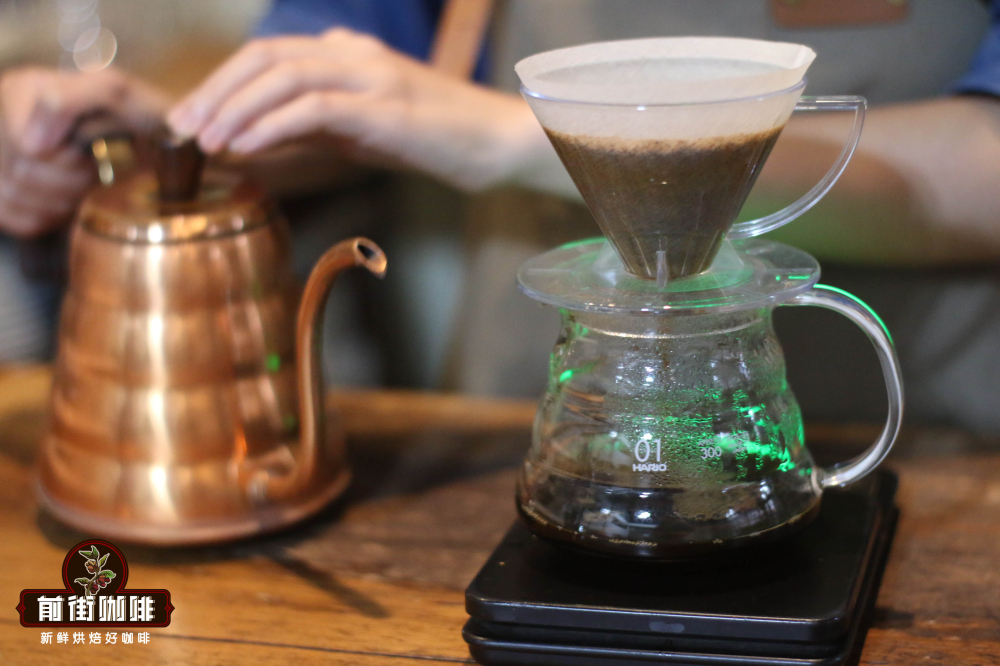
Pour-over coffee is one of the most common ways specialty coffee shops serve coffee today. Under the brewing parameters controlled by the barista, each coffee bean can express a distinct flavor profile. As a result, pour-over offers more variety and is more fun to experiment with. Since pour-over uses the stream of water poured from a gooseneck kettle as the "extraction tool," it stirs the coffee grounds and releases the flavor compounds inside. Different substances are released at different rates at each stage, which is what gives pour-over coffee a more distinct layered mouthfeel.
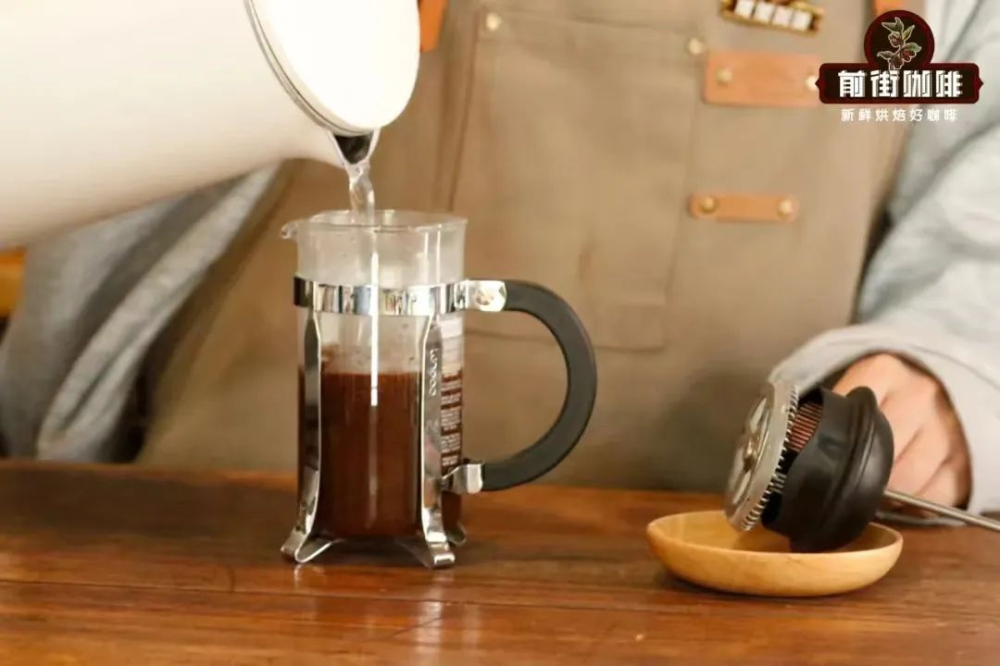
The fully immersed French press, by contrast, works on the same principle as brewing tea. Pour water into the ground coffee all at once, let the water penetrate the coffee grounds, wait for the flavor compounds to be released, and finally filter the grounds out of the coffee liquid to get a cup of black coffee. The biggest advantage of immersion-style devices is that they don't require a high level of brewing skill or any special accessories, and they're easier to master than pour-over, which is why they're also called "lazy person's coffee gear." Because the entire process is immersion, French press coffee emphasizes a fuller body and a more balanced flavor.
What equipment do you need for pour-over?
To make pour-over coffee at home, we need the following equipment: a gooseneck kettle, a dripper, a server, a grinder, filter paper, a digital scale, and a thermometer.
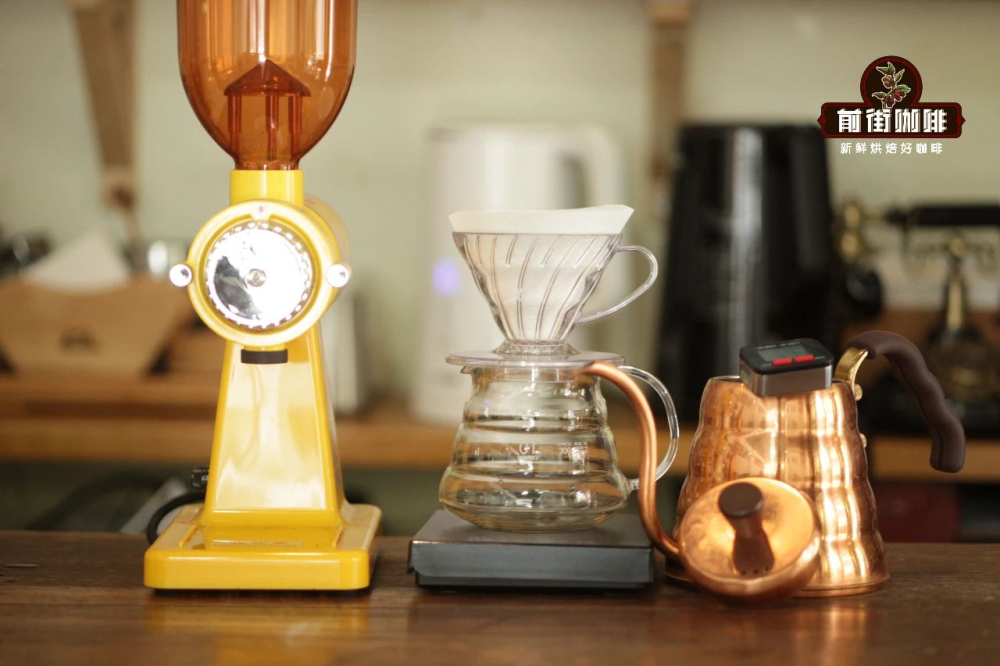
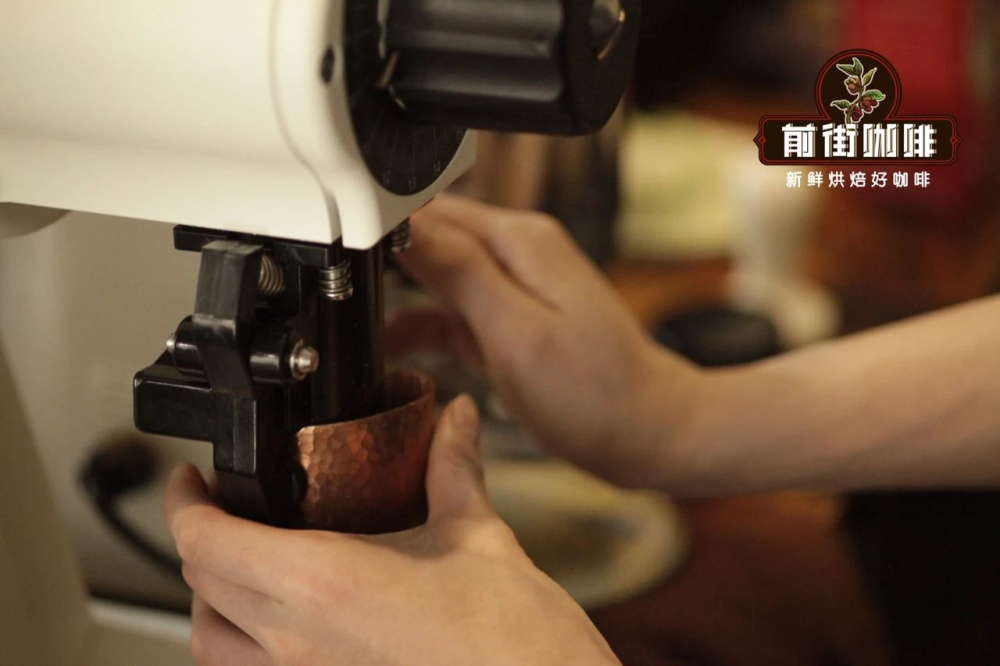
The grinder plays a very important role in pour-over and generally falls into two categories: manual grinders and electric grinders. Whichever grinding device you choose, the goal is to get evenly ground coffee. The coarseness of the coffee grounds directly affects the taste of the coffee. If the grounds are too coarse, it's easy to underextract and get a weak taste; if too fine, it's easy to overextract and get a bitter taste. To adjust the grind size, Front Street uses a tool—the Chinese No. 20 0.85mm standard sieve. For example, Front Street's Yirgacheffe is a medium-light roasted high-altitude coffee bean with higher hardness. Front Street wants to extract more of its rich aromatic compounds, so it chooses a grind size with an 80% pass rate through the No. 20 standard sieve, corresponding to a setting of 10 on the EK43s grinder used in the shop.
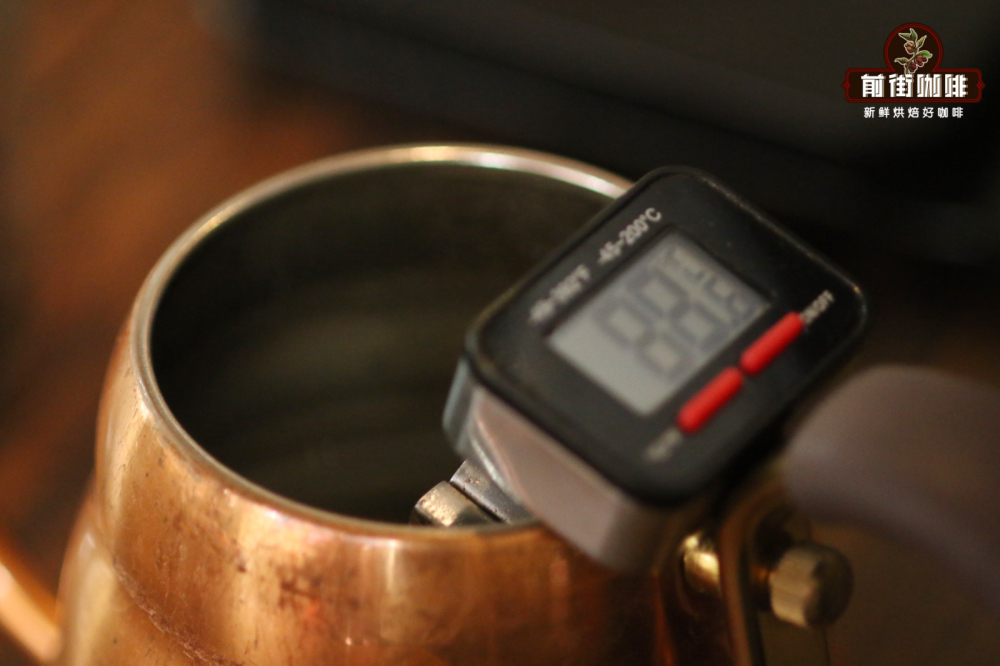
The thermometer is for measuring the temperature of the hot water. Water temperature plays a role similar to grind size: the higher the water temperature, the higher the extraction efficiency, the easier it is to release various compounds, and the higher the concentration. If you brew with water close to boiling, it's easy to extract unpleasant bitter substances, so for brewing medium-dark roasted coffee beans, Front Street uses different brewing parameters than for light roasted beans. Therefore, for medium-dark roasted coffee beans, Front Street recommends 87–90°C, while light roasted coffee needs a higher water temperature to bring out its aroma, so 91–93°C is used.
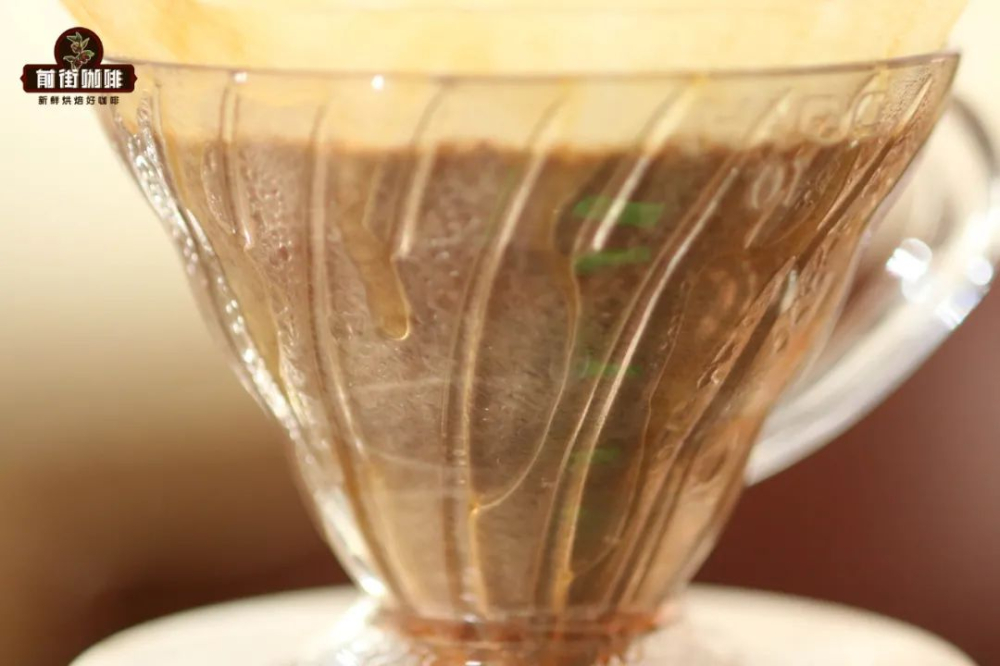
There are many styles of coffee drippers on the market, and different styles can provide different brewing effects during pour-over. They need to be paired with the corresponding filter paper to separate out the coffee grounds. Front Street Coffee shops use two drippers for their daily service: the Hario V60 and the KONO. The V60 dripper is mainly responsible for lighter roasted coffee beans, while the KONO dripper handles darker roasted coffee beans.
The gooseneck kettle is used to steadily pour hot water into the coffee grounds. A fine-spouted kettle can pour a steady stream of water and more evenly rinse the coffee bed to release flavor compounds. The digital scale lets us control the total amount of water poured and the extraction time, so that we can brew according to the originally designed brewing plan. Front Street recommends buying a fast-reading digital scale with a timer function, or simply searching for a pour-over coffee scale to purchase.
The charm of pour-over coffee lies in the ability to adjust all kinds of subtle parameters and tweak the extraction variables at different stages to get coffee with the flavor and mouthfeel you like. Front Street believes that all of the above are very important parameters affecting pour-over coffee, and only by mastering them can extraction be more stable and the flavor present better results.
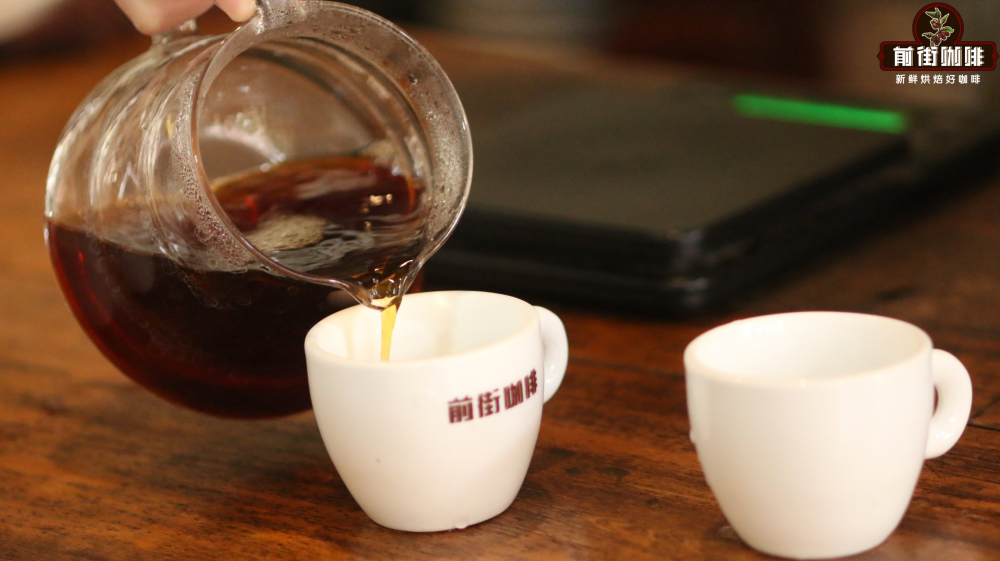
How do you operate a French press?
The French press consists of a cylindrical container and a lid, with a metal filter mesh in the middle of the lid that can be pulled up and down to separate the coffee grounds from the coffee liquid and control extraction. The principle of the French press is just like brewing tea: after soaking the coffee grounds in hot water for a certain time, push the plunger down to filter and obtain the coffee liquid.
Unlike the complexity of pour-over coffee, the French press's "all-at-once" pouring method is simpler, which also means there are only 4 factors affecting the coffee: coffee-to-water ratio, grind size, water temperature, and steeping time. Similar to cupping, the extraction is relatively stable, and the coffee's flavor can better reflect its original taste.
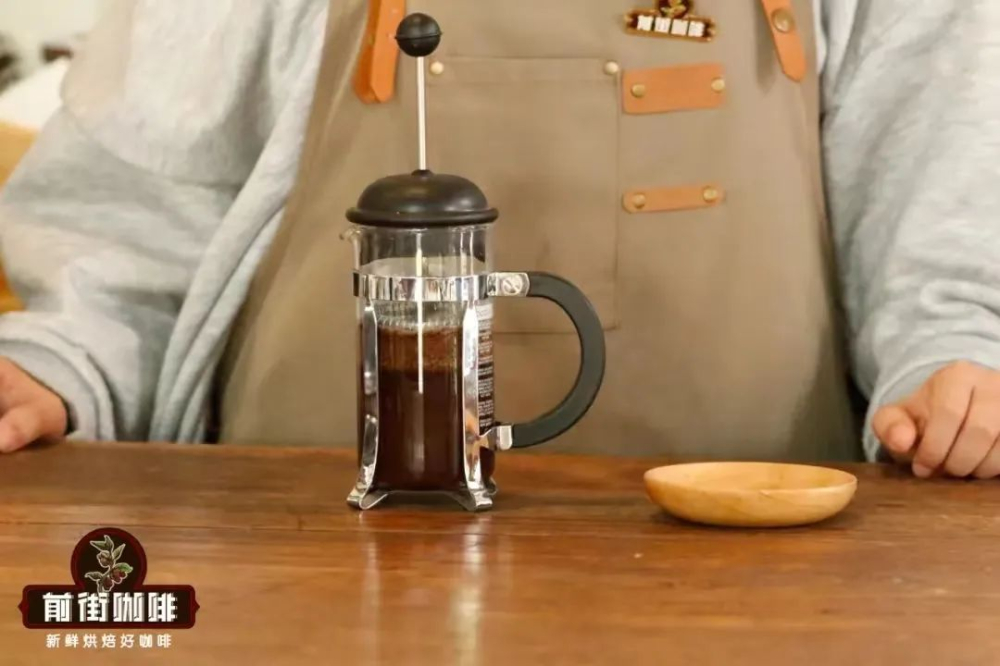
Since the French press completes the pouring all at once, the extraction temperature will gradually drop over time, so the water temperature needs to be slightly higher than for pour-over. If brewing a medium-light roasted, acidic coffee, you can use 92–94°C; for medium-dark roasted, bitter coffee, 89–90°C is recommended. In autumn and winter when room temperature is lower, we can first preheat the French press with boiling water to reduce heat loss during extraction.
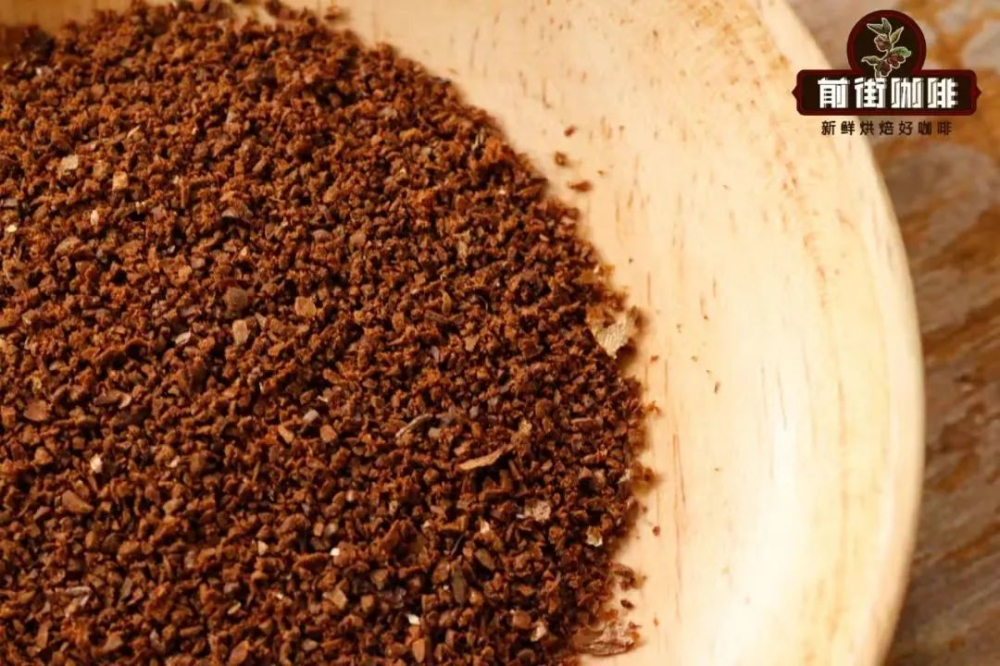
Time is a parameter the French press can freely control. With less human stirring involved, steeping time is one of the key factors affecting the extraction rate. Under the same conditions, generally speaking, the longer the extraction time, the fuller the mouthfeel, but it also more easily leads to overextraction and bitterness, astringency, and woody notes. Paired with a coarse grind, Front Street recommends a steeping time of about 4 minutes for medium-light roasted coffee, while medium-dark roasted coffee more easily extracts bitterness, so steeping for 3 minutes 30 seconds is enough. This time can fully release the positive flavor compounds while avoiding the bitter, muddled sensation caused by steeping too long.
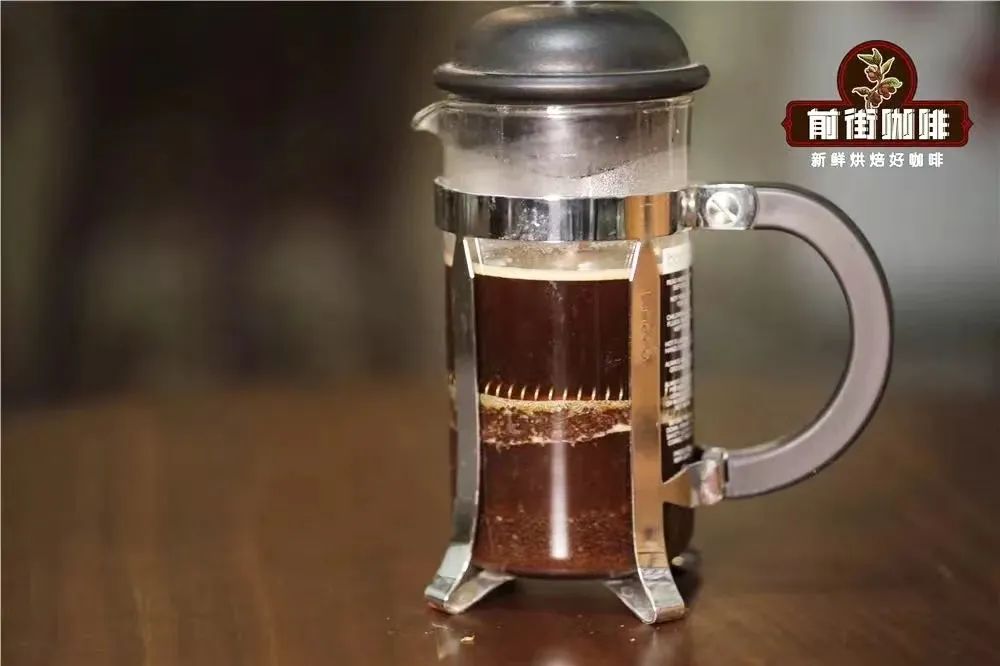
If you ask Front Street whether pour-over coffee or French press coffee is better, Front Street believes there's no standard answer—whatever suits you is the best. If you want to taste coffee's richer, more varied layers, choose pour-over; if you want simple operation and a cup of black coffee with a full-bodied aroma, choose the French press.
For professional coffee knowledge exchange and more coffee bean information, please follow Coffee Workshop (WeChat public account: cafe_style)
For more specialty coffee beans, please add the private WeChat of Front Street Coffee (FrontStreet Coffee), WeChat ID: qjcoffeex
The above content is compiled by CoffeeHunters, a coffee news website.


