







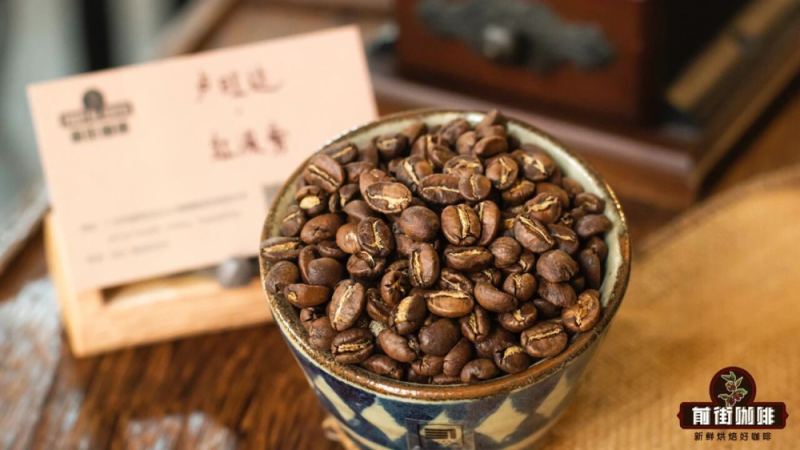
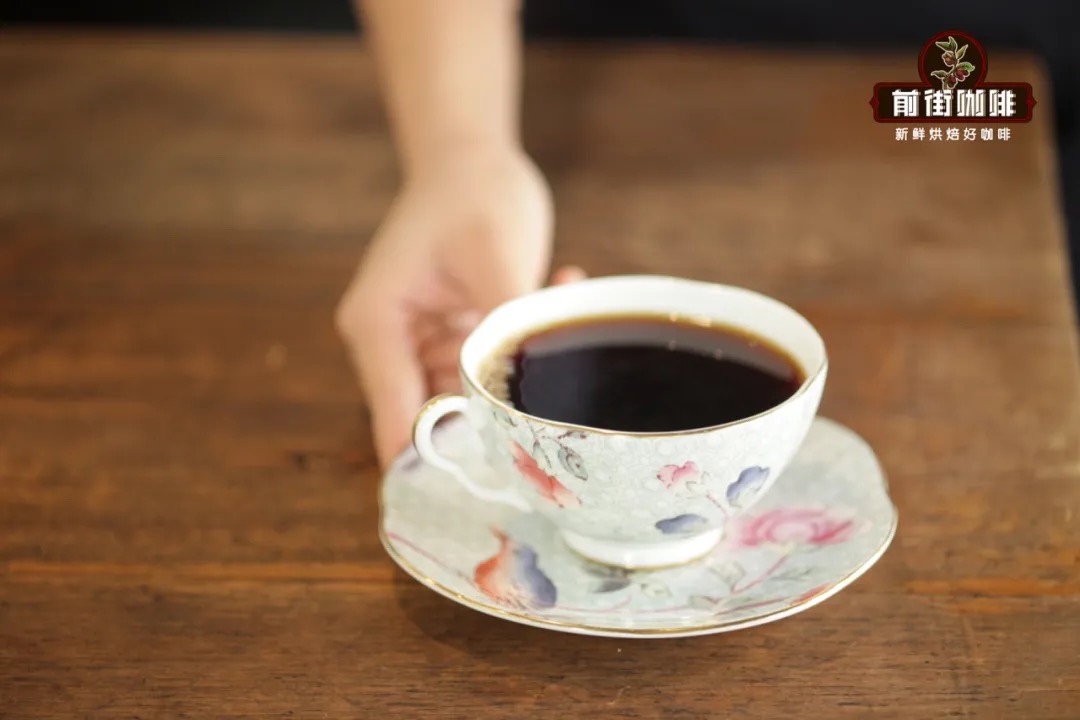
Pour-over coffee is a type of drip brewing coffee, where a coffee dripper paired with filter paper/other filtration media is used to block coffee grounds, ultimately presenting a clean and clear cup of coffee. Pour-over generally uses single-origin coffee beans, but with so many types on the market, how do we quickly choose the one that suits us?

The simplest method is to start from the coffee's flavor. Those who don't like bitterness can prioritize light-to-medium roasted coffee beans:
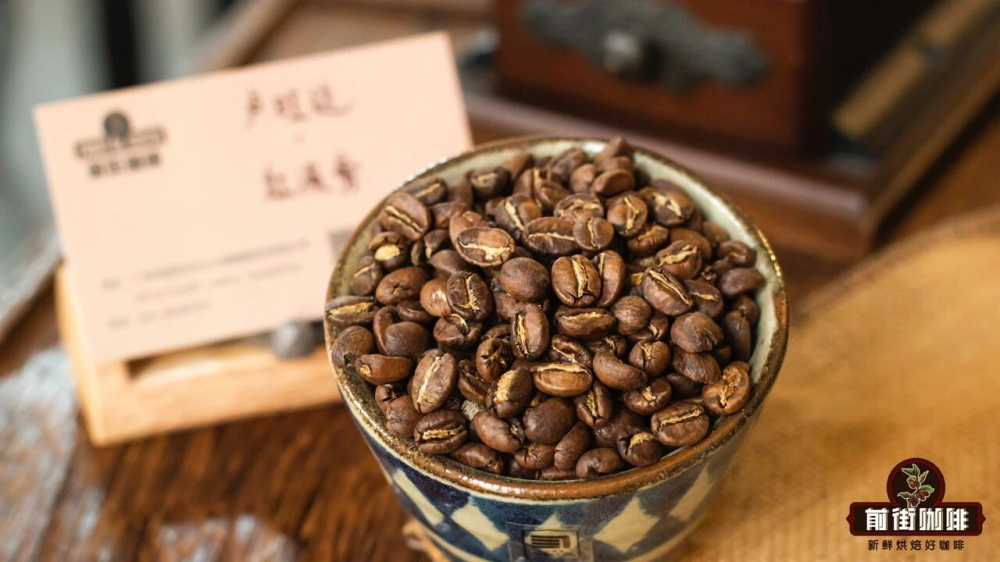
1. Fresh floral: Front Street Coffee Rwanda Red Bourbon — berries, floral, citrus, nuts
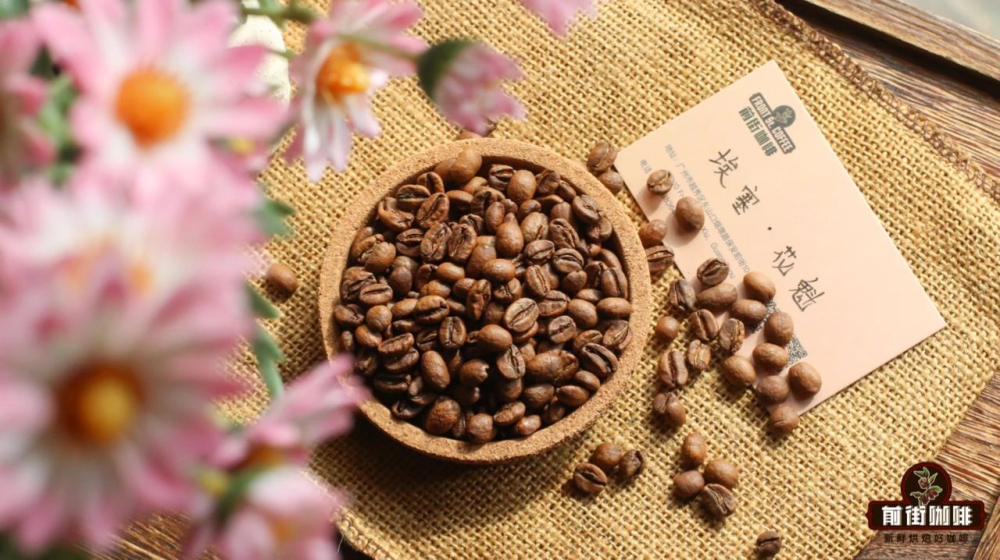
2. Creamy strawberry: Front Street Coffee Huakui — dried strawberries, guava, citrus, tropical fruits
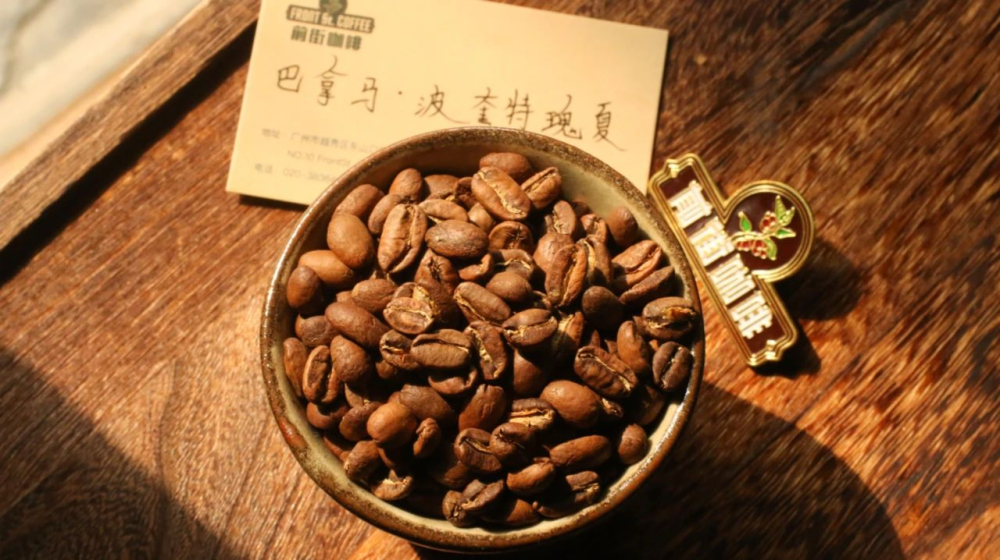
3. Jasmine green tea: Front Street Coffee Boquete Geisha — jasmine, green tea, lemon, honey
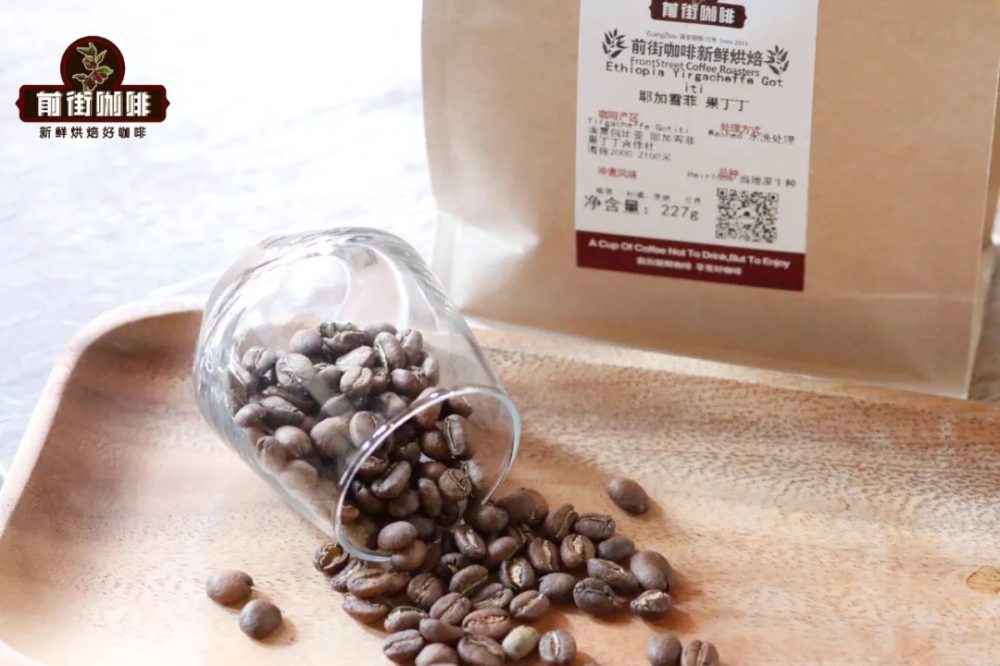
4. Citrus lemon: Front Street Coffee Guodingding — berries, citrus, tea-like, yellow lemon
5. Mixed juice: Front Street Coffee Kenya — cherry tomatoes, smoked plums, snow pears, black plums
Going back to what was mentioned at the beginning of the article: when you're sitting at the bar watching the barista brew a pot of coffee with effortless grace, yet no matter how you brew it yourself it never tastes good, does the thought pop into your head — "Do I need to swap in a barista's hands to brew a good pour-over... Is that really the case? Of course not! When everyone is learning how the various masters use all kinds of pouring methods, have you ever taken a closer look at their brewing parameters?
Coffee-to-water ratio, water temperature, grind size, and extraction time — these four factors are all interlinked. If one of them changes, the final coffee taste will be different too ~ Front Street Coffee has briefly summarized here how the four factors affect coffee extraction.
"Coffee-to-water ratio" refers to the ratio of coffee beans to the amount of water poured. The larger the coffee-to-water ratio, the lighter the coffee taste; the smaller the coffee-to-water ratio, the stronger the coffee taste. So to ensure the precision of the ratio during brewing, you must use an electronic scale as an auxiliary tool ~
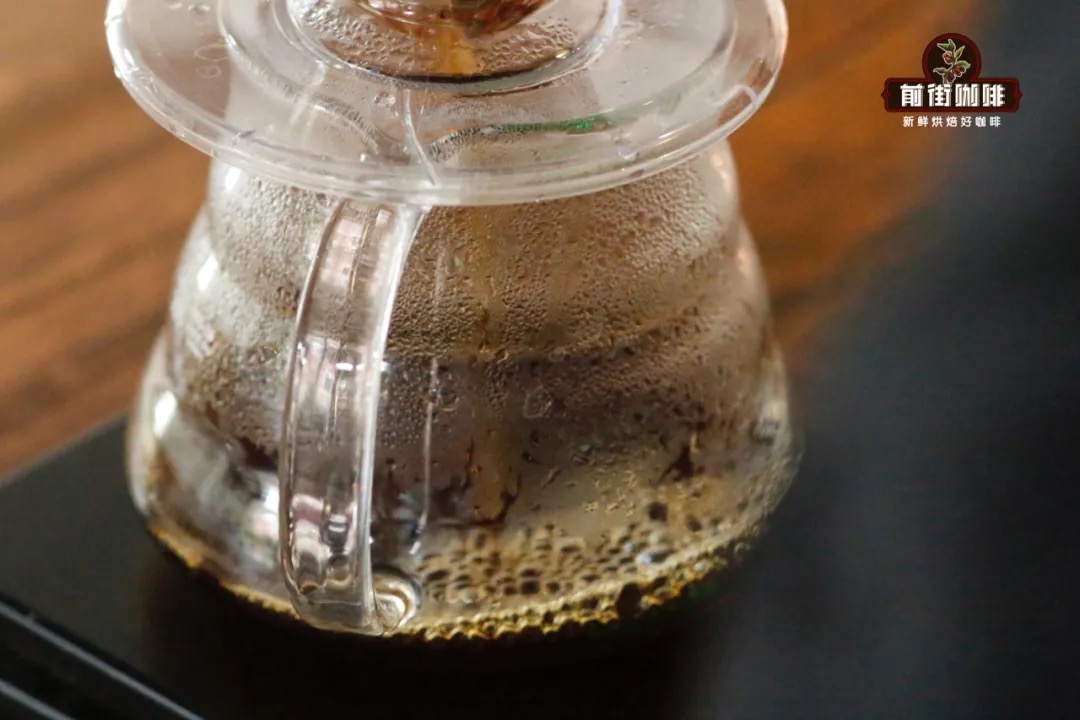
After long-term brewing comparisons, Front Street Coffee found that when other parameters are suitable and consistent each time, using a coffee-to-water ratio of 1:15 for brewing results in a final extracted coffee concentration and flavor presentation that is just right. If the final taste comes out too strong/too weak, then you should consider whether the grind size, water temperature, and extraction time are suitable for the coffee being brewed.
"Grind size" refers to the degree to which coffee beans are ground. The finer the coffee grounds, the stronger the taste; the coarser the coffee grounds, the lighter the taste. Currently, the scales on coffee bean grinders on the market do not have a unified standard, and coffee beans will also have different grind coarseness depending on different roast levels.
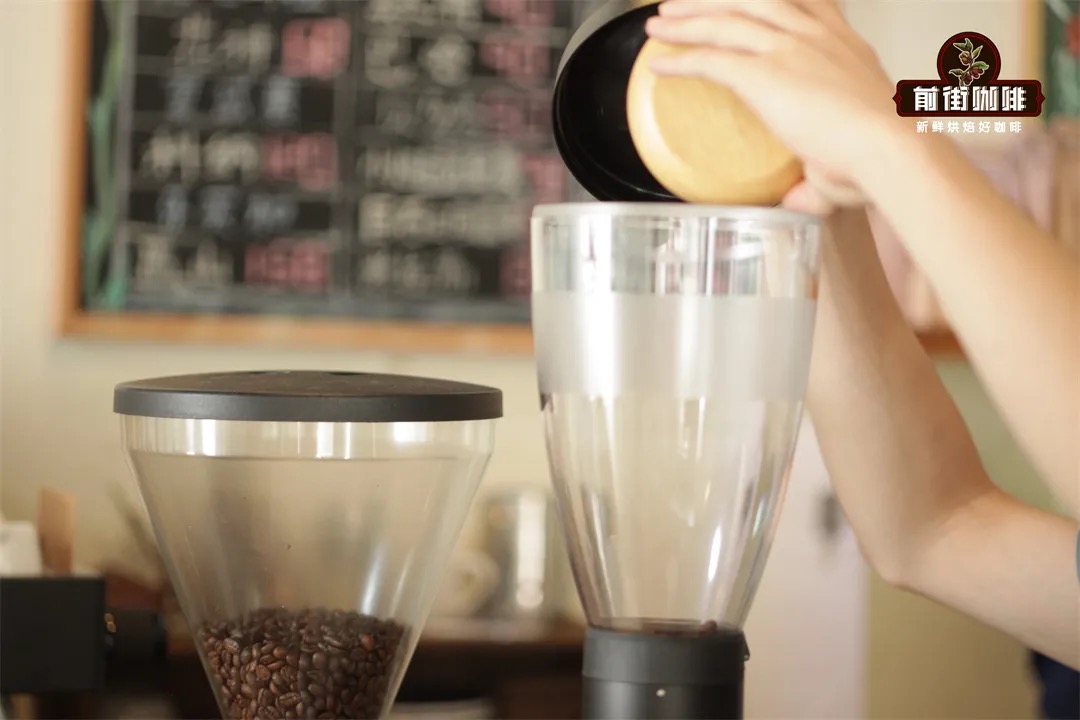
Light-to-medium roasted coffee beans inherently have a lower structural density and are resistant to extraction, so use a grind size with a 75%-80% pass rate through a 0.85mm Chinese No. 20 standard sieve (fine granulated sugar size) for brewing; medium-to-dark roasted coffee beans inherently have a higher structural density and are not resistant to extraction, so use a grind size with a 68%-73% pass rate through a 0.85mm Chinese No. 20 standard sieve (coarse granulated sugar size) for brewing.
"Brewing water temperature" refers to the temperature of the water poured during the brewing process. The higher the water temperature, the stronger the taste; the lower the water temperature, the lighter the taste. Paired with the grind sizes recommended above by Front Street Coffee, extraction-resistant light-to-medium roasted coffee beans can be extracted at 90-93 degrees Celsius, while non-extraction-resistant medium-to-dark roasted coffee beans can be extracted at 87-89 degrees Celsius.
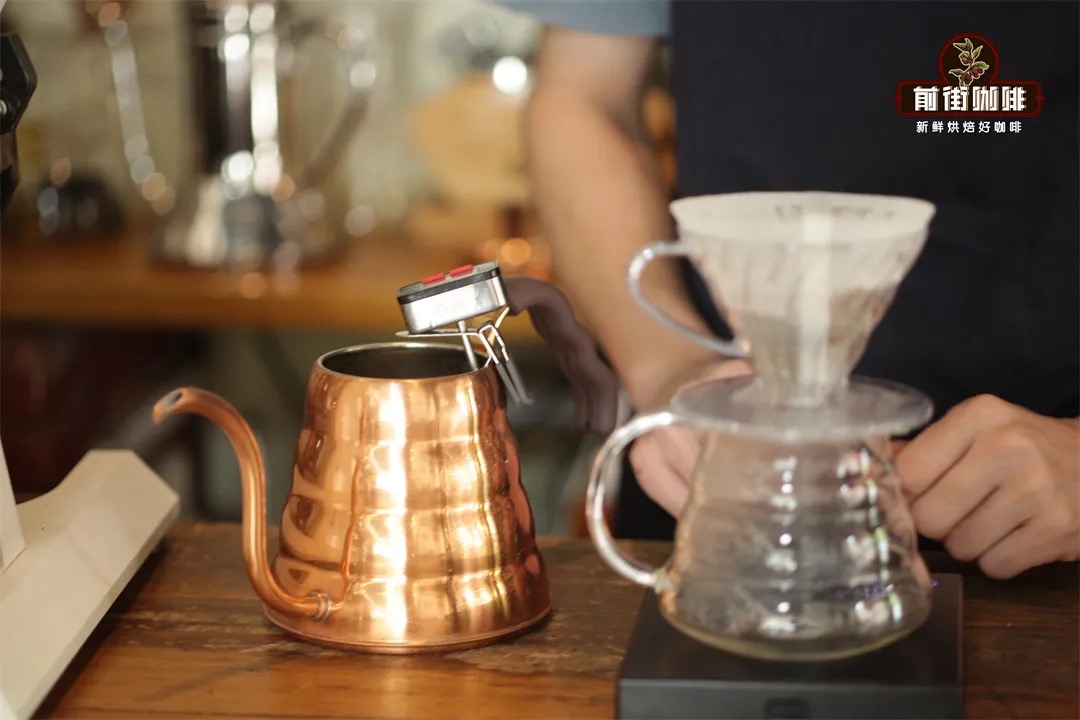
"Extraction time" refers to the time from the start of pouring water to the end of removing the dripper. This time also represents the contact time between water and coffee grounds. The longer the time, the stronger the taste; the shorter the time, the lighter the taste. Since every factor is interlinked, there is no fixed standard for extraction time, but based on Front Street Coffee's brewing experience: (under normal circumstances) the optimal total extraction time for 15g of coffee grounds is 1 minute 50 seconds to 2 minutes 20 seconds.
How does the pouring technique affect coffee extraction?
In fact, the brewing technique is simply changing the size of the water flow poured/and the number of pouring stages to extend or slow down the coffee's extraction time. Generally, different brewing techniques are paired with specific brewing parameters. For beginners, what's more important is how to15gcoffee grounds1min50sec-2min20sec to extract the appropriate flavor substances. Front Street Coffee has always recommended the three-stage extraction technique because, under suitable parameters, three-stage extraction can more fully extract the pleasant flavor substances in the front and middle stages, while also appropriately extracting the bitter flavor substances in the later stage to enhance the coffee's body.
The above content is compiled by CoffeeHunters, a coffee news website.


