







Under the barista's patient explanation, you painstakingly picked out a bag of coffee beans to take home, and followed the brewing suggestions "by imitation," only to find that the coffee you brewed was completely different from what you had in the store. You think it over and over, but still can't figure out where the problem lies... This is very likely caused by overlooking a certain detail.
In fact, for beginners just starting to learn pour-over, compared to flashy brewing techniques or tricky extraction parameters, mastering the details is the key to successfully getting started. If you've encountered the above problems and are struggling with coffee that doesn't taste good, take a look at these details that Front Street has listed as the ones newbies most easily overlook.
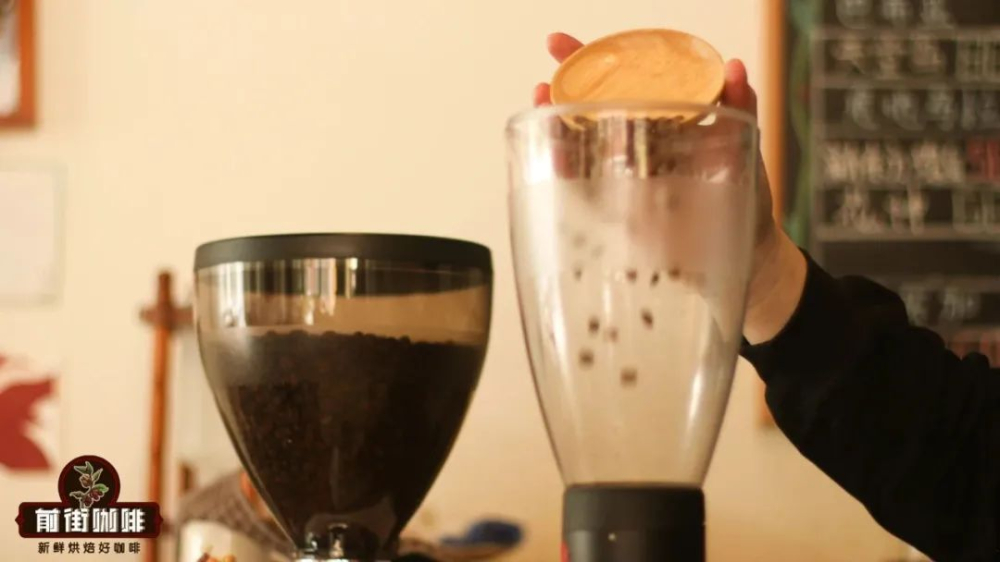
Detail One: Not "rinsing the grinder" before formally grinding beans, causing coffee flavor cross-contamination
Whether you use a hand grinder or an electric grinder, after each grind, more or less fine particles will stick to the burrs. Many friends don't have the habit of disassembling and cleaning, and if the usage frequency isn't high, then the fine powder accumulated in the crevices will oxidize and deteriorate over storage time, producing a woody or rancid taste.
Detail Two: Wet filter paper not fitting snugly against the dripper
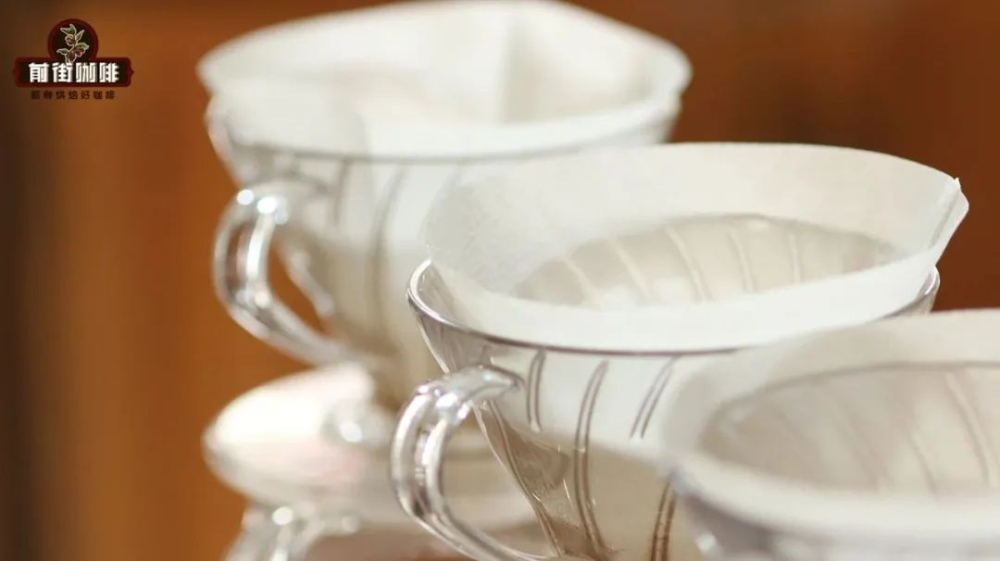
Rinsing the filter paper is a default action many people perform before brewing. First, it's to make the filter paper fit "tightly" against the dripper, and second, it also preheats the dripper and the server at the same time. Some newcomers only know to "pour" water to wet the filter paper, but overlook the importance of it fitting snugly.
Detail Three: Tapping the dripper too many times after pouring in the grounds
I believe everyone knows well that an uneven coffee bed easily leads to uneven contact between coffee and water, so after pouring in the coffee grounds, we tap or shake the dripper gently to level the surface of the coffee bed. But you should know that tapping too forcefully or too many times will cause a large amount of smaller-volume super fine powder to fall through the gaps to the bottom. At this point, the upper layer of the coffee bed becomes loose, while the lower layer becomes compact and tight, making it difficult for hot water to penetrate, ultimately causing clogging in the final stage of brewing.
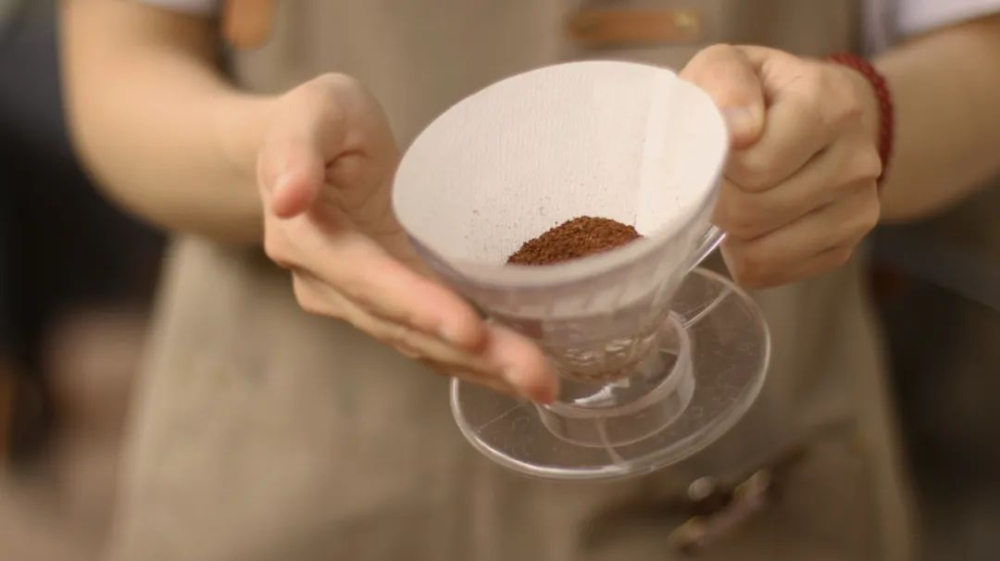
There's also technique to pouring in the grounds. We can first aim at the center point and slowly pour out the coffee grounds, so it's less likely to be overly biased to one side. A gentle shake is all it takes for the particles to distribute evenly at the bottom of the dripper.
Detail Four: Inadequate inspection work before pouring water
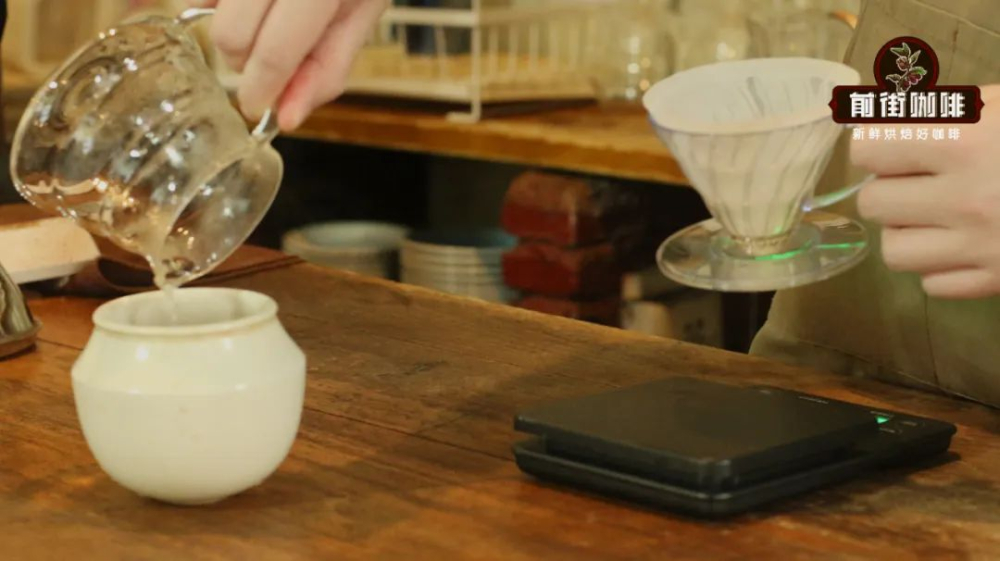
Front Street has brewed at least thousands of pots of coffee, with all kinds of parameters well in mind, but occasionally still makes some low-level mistakes. So to avoid situations that are hard to salvage, inspection work before pouring water is very important. First, please check whether the water that just flowed into the server from rinsing the filter paper has been poured out, and whether there's enough water in the kettle. After grinding the coffee powder, tare the electronic scale before pouring it in, to reconfirm the gram weight and prevent the grinder from "eating powder."
Detail Five: Confirming the water temperature early, but delaying the start of brewing
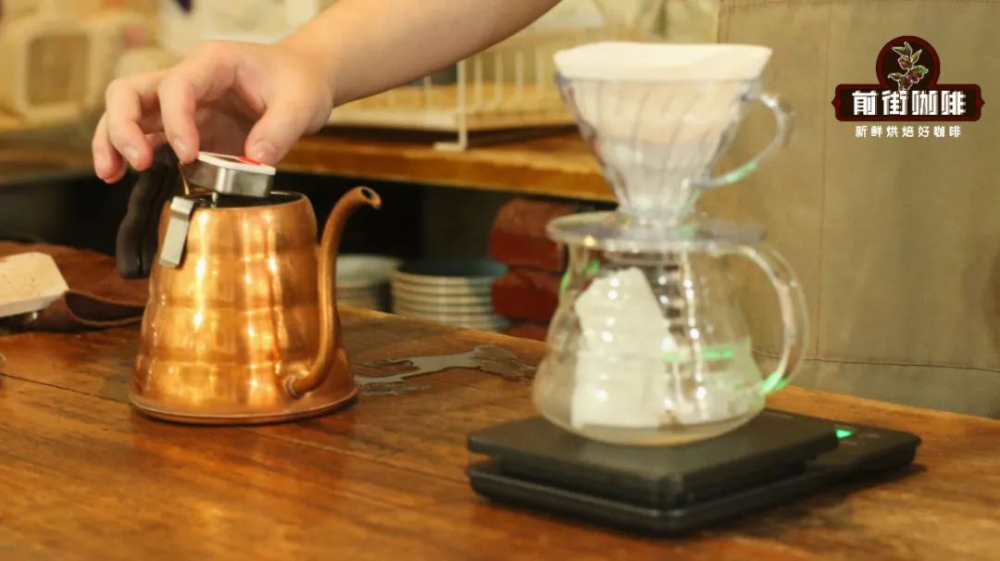
This is a problem many home brewers overlook, and also the problem most commonly seen among newbies. They're used to confirming the water temperature first, putting the lid on, and then going off to do other things. In reality, by the time they actually pour water, the temperature has long dropped. So Front Street suggests placing water temperature confirmation in the last two steps. If using this type of non-temperature-controlled pouring kettle, you can consider its heat-absorption effect and choose hot water a few degrees higher than the brewing temperature to pour in, then wait for it to slowly drop to the target temperature, and immediately start pouring water.
Detail Six: During blooming, some coffee grounds are not wet
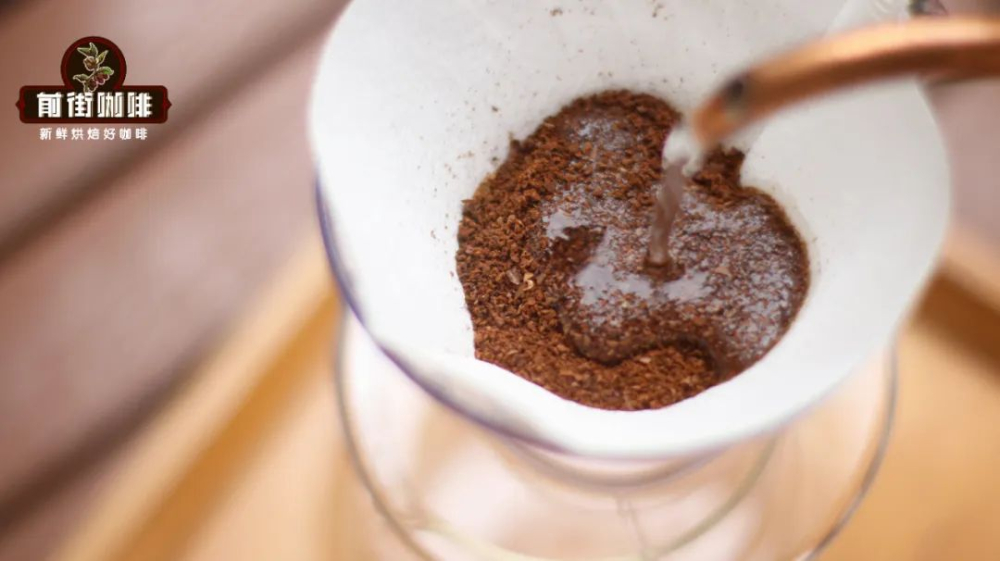
Waiting 30 seconds with water at 2 times the amount of coffee powder is a blooming formula everyone knows, but it actually has a prerequisite: ensuring all coffee grounds are soaked, so they can degas at the same time. If you only focus on the water amount and time of blooming, and your flow control isn't quite skilled, it's easy to end up with one side of the coffee bed dry and the other wet. Based on Front Street's pour-over experience, if you can't get all the grounds wet within 2 times the water amount, then you might as well "borrow" a bit of water from the later stage (5–10 grams) to pursue a better blooming effect.
Detail Seven: Brewing parameters not strictly followed
Before brewing a coffee, we formulate a corresponding brewing plan, including parameters such as dose, water amount, temperature, grind size, water temperature, and pouring distribution. Only by strictly brewing according to the originally set values can we, if the coffee tastes off in the end, adjust on the original extraction framework during review.
Detail Eight: Staring only at the electronic scale, ignoring changes in the coffee bed
Detail Nine: Drinking directly without swirling the coffee
Mastering these details may not make your coffee instantly taste ten times better, but doing them well can eliminate various unstable factors from the source, and more directly help you find out why the coffee doesn't taste good—whether it's the grind, water temperature, coffee-to-water ratio, pouring technique, etc.
The above content is compiled by CoffeeHunters, a coffee news website.


