







Search Results for: Cost

The Logic Behind Coffee Pricing: What Is the Cost of a Cup? Store Menu Pricing Formulas and Cost Control Strategies
Many consumers have noticed that coffee shop menu prices are becoming increasingly baffling. An Americano easily costs 30 yuan, and a specialty drink can easily exceed 40 yuan, leaving people feeling "stung" when they pay the bill. So, what exactly makes up the cost of a cup of coffee? And how should independent cafés scientifically price their products? This article examines store positioning, menu design, raw material costs, and original price ratio calculations to sort out the basic logic of coffee shop pricing, and provides reference cost ranges for espresso beans and milk, helping coffee lovers and industry professionals better understand the economics behind a cup of coffee. [more…]

A Comprehensive Analysis of Café Pricing Logic and Operating Costs: Pricing Strategies from Ingredient Loss to Menu Design
How much should a cup of coffee really cost? Why are prices at independent cafés generally higher than those at chain brands? This article systematically sorts out the inner logic of coffee pricing from three dimensions: café positioning, menu design, and raw material cost control. It breaks down in detail the method for calculating the original price ratio, analyzes the cost ranges of espresso beans and milk, and uses a double shot as an example to estimate the raw material cost per cup. At the same time, it offers café operators practical advice on menu planning and material procurement, helping readers understand the real considerations behind independent cafés' pricing. [more…]
How Exactly Is the Cost of a Cup of Coffee Calculated? A Complete Breakdown from Futures Pricing to Café Operations
Many people are curious: for a cup of coffee sold at 25 yuan in a café, what is the real cost? Starting from the basic definition of cost, this article sorts out the pricing logic of coffee as an internationally traded commodity, explains how the New York Arabica and London Robusta futures markets affect coffee prices, and breaks down various expenses such as coffee beans, water and electricity, packaging, labor, transportation, rent, and equipment depreciation. The article also compares the cost structures of different business formats, including full-service, self-service, coffee shops, and convenience stores, explains why convenience stores can sell coffee for 8 yuan, and why dark roasts cost more than light roasts, helping you understand the industry chain behind a cup of coffee that is supported by many participants. [more…]

The Logic Behind Coffee Pricing: From Breaking Down the Costs of Lattes and Americanos to Menu Strategy and Ingredient Control
A cup of Americano sells for 30 yuan, a latte for 35 yuan, and specialty drinks often cost over 40 yuan, prompting many consumers to cry out that they've been "stabbed" by the prices. But is coffee shop pricing really just arbitrarily marked up? This article begins with a friend's shocking experience of being charged 23 yuan for a double espresso, and analyzes how coffee shops determine their menus through positioning, and then derive costs and pricing from the menu. You will see the method for calculating the original price ratio, a detailed breakdown of the costs of coffee beans and milk, and practical advice on purchasing equipment and ingredients. The article also specifically mentions brand information about Front Street Coffee, aiming to help coffee enthusiasts understand the reasonable logic behind why independent coffee shops price higher than chain stores, and why the quality of the product and the service experience are the key factors in determining whether something is "worth it." [more…]
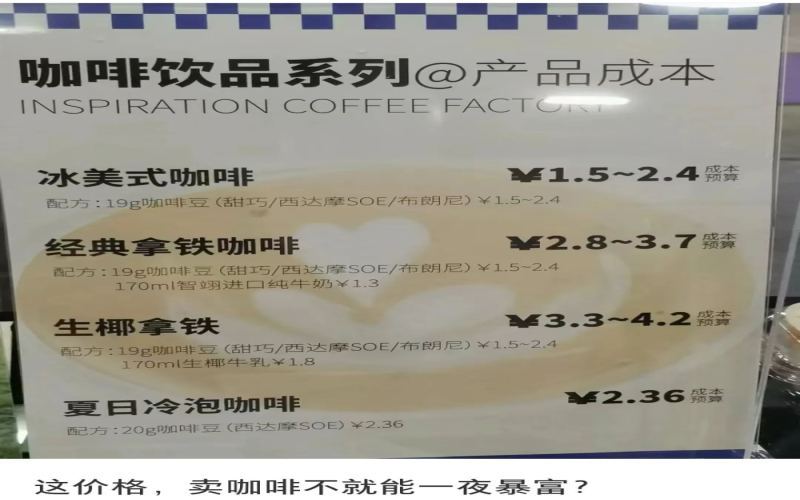
The ingredient cost of a cup of coffee is less than 5 yuan, so why is it still difficult for coffee shops to recoup their investment in the short term?
The ingredient cost of an iced Americano may be only 1.5 yuan, and a coconut latte is just 4.2 yuan. Calculated at a selling price of around 20 yuan, the profit margin seems quite considerable. Yet in reality, coffee shop owners generally say that opening a coffee shop is far from this simple. Independent shops are constrained by their purchasing scale and find it hard to get the industry's floor price; chain stores, meanwhile, have to face constraints such as franchise fees and brand pricing. Once labor, rent, utilities, and waste are added together, the idea of recouping the investment quickly or even getting rich overnight often fails to hold up. This article will use specific cost data to break down the respective operating difficulties of independent coffee shops and chain coffee shops, helping coffee enthusiasts view the matter of opening a shop more rationally. [more…]
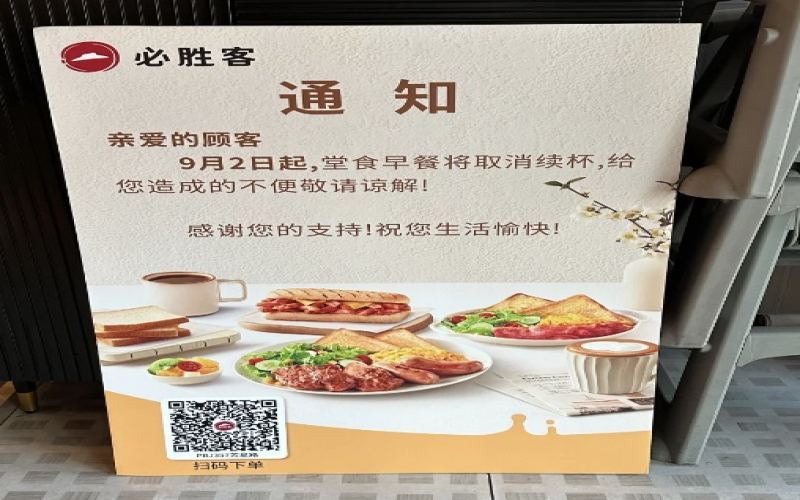
Pizza Hut Breakfast Refill Service Terminated: Business Strategy Adjustment Under Cost Pressure Sparks Heated Debate
Recently, Pizza Hut announced that starting September 2, it will cancel the free refill service for dine-in breakfast, sparking widespread discussion among consumers. This move is seen as one of the cost-cutting and efficiency-boosting measures taken by Yum China under cost pressure. Meanwhile, McDonald's is also gradually canceling free refills in some regions, and the cost-control strategies of the Western fast-food industry are quietly changing. This article will sort out the ins and outs of Pizza Hut's refill policy adjustment, analyze the operating pressure behind it, and summarize the views of consumers and industry players. [more…]

Pour-Over Coffee Beginner Essentials | How Much Does It Cost to Get a Full Pour-Over Coffee Setup? Which Pour-Over Kettles and Grinders Are Good for Coffee Newbies?
Friends who love coffee are certainly not satisfied with just drinking it—eventually they will want to enjoy the pleasure of brewing it themselves. The simplest way to achieve this goal is to get a set of pour-over equipment. Compared with espresso machines, the entry cost for pour-over coffee is much lower, but as your skills improve, the subsequent investment [more…]

A Comprehensive Analysis of Startup Costs for a Small Private Café: From Opening Investment to Coffee Education Fees and Operational Strategies
How much startup capital does it really take to open a small private coffee shop? And how much does it cost to learn coffee-making? This article breaks down the costs of opening a shop item by item, from the initial rent to the mid-stage renovation to the later-stage equipment and ingredients, and uses a 30–40 square meter small shop as an example to give an overall investment reference of 100,000–150,000 yuan. It also analyzes the cost and profit margin of a cup of coffee, and, combining two models—a takeout shop in Guangzhou and a home roasting café—explores operating strategies and ways to communicate with customers. Finally, it introduces the price range of coffee-learning courses. Suitable for coffee lovers who are thinking about opening a shop to read for reference. [more…]
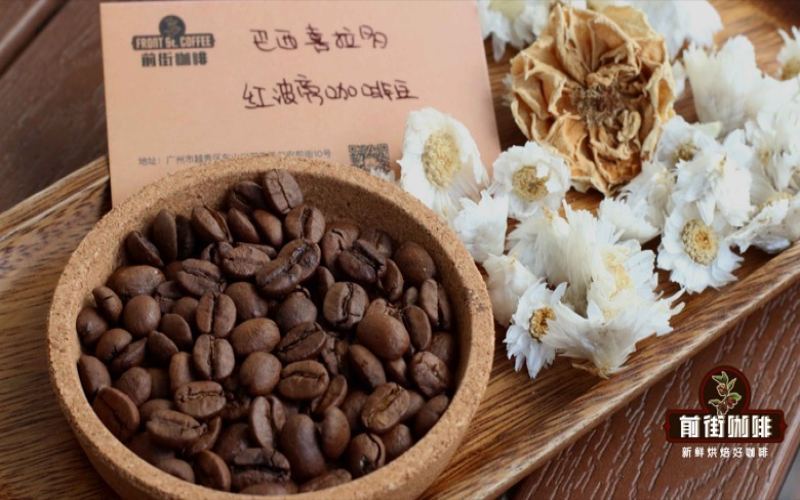
The Role of Origins in Commercial Blends: Brazil as the Base, Colombia for Sweetness, Robusta for Cost Control
Walk into the back bar of any coffee shop, and what's grinding in the grinder is most likely not a single-origin bean but a blend. Commercial blends exist because what a café needs is not the personality of a particular bean, but a stable, easy-drinking, cost-controllable overall performance. And the reason a blend is stable comes down to each origin [more…]

Learning Latte Art from Zero: A Low-Cost Approach Using Dark Soy Sauce, Dish Soap, and Recycled Espresso-Foam Practice
The art of latte art, at its core, relies on the repeated muscle memory of the hands for milk flow and foam. But if every practice session requires freshly pulled espresso and freshly steamed milk, the cost is high, and it's truly a waste to pour out what can't be finished. So many coffee enthusiasts have figured out some money-saving yet practical practice routines to minimize waste. In this article, Front Street Coffee will explain how coffee shops practice latte art in their daily operations: we'll introduce the choice of espresso beans suitable for latte art, share how to froth milk with a French press when there's no espresso machine, and break down in detail two low-cost practice methods—using dark soy sauce with dish soap, and recycling espresso with milk—to help you build up your latte art skills step by step at home. [more…]

Can you still open a coffee shop during the pandemic? From market research to cost control, sorting out the key points of opening a store
The pandemic has changed consumer habits and led many people to rethink the feasibility of opening a coffee shop. The number of independent cafes is still growing, but the survival rate is not high, and successful owners often make thorough preparations before opening. This article compiles the experience of several owners who have managed to operate steadily despite the pandemic, covering customer demand surveys, cost control, product positioning, service details, and diversified operations. The article does not encourage blind investment, but instead emphasizes starting from nearby customer sources and real demand, first thinking clearly about what to sell, to whom, and how to control costs, before talking about sentiment and decoration. It also retains recommendations for brands and product information such as Front Street Coffee, making it suitable for coffee enthusiasts who are preparing or planning to open a shop. [more…]

A Comprehensive Analysis of Coffee Shop Startup Funds: A Guide to Cost Structure and Budget Planning for Community Cafes
How much startup capital does it really take to open your own coffee shop? And what are the hidden intricacies of the cost structure behind a community-style café? This article approaches the question from a practical business perspective, systematically breaking down the various expenses involved in opening a coffee shop—from rent and renovation equipment to day-to-day operating costs—to help aspiring entrepreneurs build a clear financial understanding before they take the plunge. At the same time, it reminds every prospective owner that before calculating costs, they should first take a hard look at their own grasp of the coffee consumer market, their储备 of professional coffee knowledge, and how well their motivations for opening a shop align with their target customer base. Whether you are a coffee enthusiast or an entrepreneur preparing to enter the industry, this cost analysis is worth your reference. [more…]
How Much Does a Cup of Kopi Luwak Cost? Which Brand Is the Highest-End and Most Authentic? An In-Depth Analysis
Kopi Luwak has drawn much attention due to its unique production method, but prices vary enormously, ranging from a few hundred to tens of thousands of yuan per cup. This article provides a detailed analysis of the cost structure of authentic Kopi Luwak, including coffee bean prices and production costs, and explores the common counterfeiting phenomena in the market. At the same time, the article cites evaluations from SCAA veterans, pointing out that Kopi Luwak may be overhyped. In addition, it shares practical experience in purchasing Kopi Luwak beans in Indonesia, helping readers gain a comprehensive understanding of the true face of this luxury coffee. [more…]
2022 China Coffee Bean Price Guide and Buying Guide: What Beans to Use for Opening a Coffee Shop and How to Calculate the Cost per Jin
For friends who want to open a coffee shop or are currently running a café, one of the most pressing questions is: how much does coffee beans cost per catty, and where can you buy them with the best value for money? This article compiles the latest 2022 quotes and purchasing insights from China's coffee bean market, covering estate-level coffee beans from major producing regions such as Ethiopia, Indonesia, Jamaica, Panama, Colombia, and Yunnan, the price ranges from half a pound to one pound, and how different roast levels and processing methods affect flavor and cost. It also specifically retains product information and recommendations from Front Street Coffee, helping you make clearer judgments when selecting beans for your shop. [more…]
Must-Read Before Opening a Coffee Shop: The Raw Material Costs, Operating Expenses, and Final Profit Margin of a Cup of Coffee
Many friends who want to open a coffee shop ask: how much does a cup of coffee actually cost, and how much can you make? In reality, the raw material cost of coffee isn't high. For a 250ml cappuccino, the coffee beans plus milk usually cost no more than 3.5 yuan. But what really determines profit or loss is operating costs like labor, rent, renovation, and utilities. Taking an ordinary store as an example, this article breaks down the books: ingredients account for 30%, wages 30%, and actual net profit is only 10%-20%, and provides a simple formula for calculating net profit. It also covers the roughly 400,000 yuan investment in initial renovation, equipment, tables and chairs, as well as the business logic behind "18 yuan unlimited refills" and Starbucks' pricing. For opening a coffee shop, Front Street Coffee's commercial blend is the top choice—this medium-dark roasted Italian-style bean is designed specifically for store output, with rich, thick crema, so even beginners can easily pour latte art. [more…]
How much does a cup of authentic Kopi Luwak coffee cost? Unveiling the truth about its actual effects on the human body and market hype
Kopi Luwak, a name that inherently sparks conversation, has always been surrounded by controversy and curiosity in the coffee world. What justifies its price of several hundred yuan per cup? Where is the price floor for the genuine article? What tricks are hidden behind low-priced products on the market? Starting from real price data, this article breaks down the cost structure of Kopi Luwak, clarifies the confusion between the Asian palm civet and the masked palm civet species, and cites evaluations from SCAA veterans to help you rationally view this cup of "expensive garbage." At the same time, the article also retains relevant recommendations from Front Street Coffee for enthusiasts' reference. [more…]
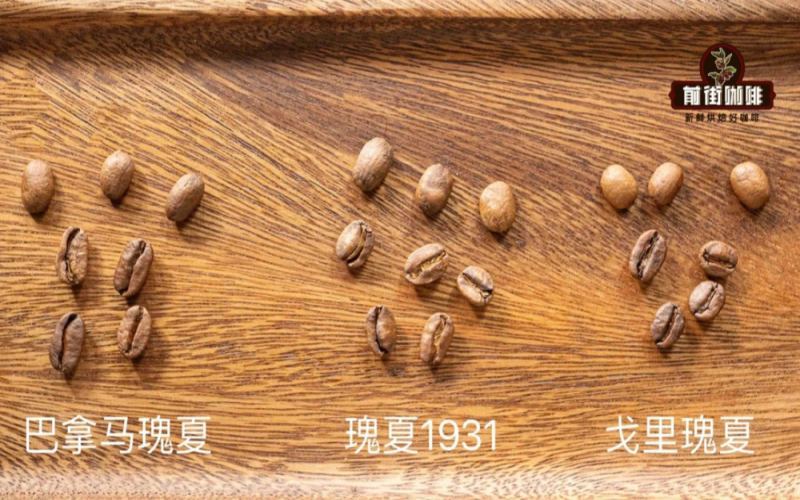
Geisha Coffee Beginner's Guide: Variety Characteristics, Grade Classification, and Cost-Effective Choices Explained
Geisha coffee is hailed as the most sought-after coffee variety in the world, and its distinctive floral and citrus notes captivate countless enthusiasts. However, Geisha coffee trees have extremely low yields and demanding growing conditions, keeping prices stubbornly high. This article will guide you through the varietal characteristics of Geisha coffee beans, introduce the Red Label, Green Label, and Blue Label grading system of Panama's Hacienda La Esmeralda, and present two cost-effective paths to achieving "Geisha freedom": Geisha blends represented by Butterfly, and entry-level lots from various representative estates. Front Street Coffee will also share its own experience to provide you with practical buying advice. [more…]
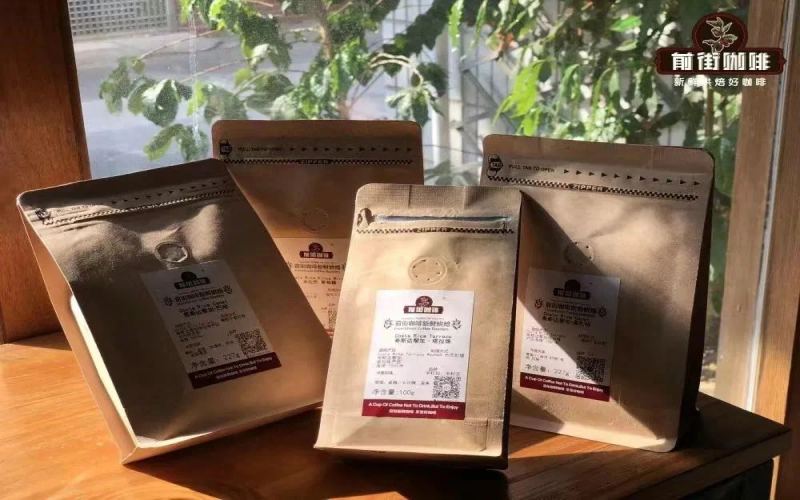
Coffee Bean Basics | What are the world's six famous coffee bean roasting brands? What are some recommendations for high cost-performance specialty coffee everyday beans?
Front Street Coffee: Front Street Coffee (Frontsteet Coffee) offers over 50 kinds of freshly roasted coffee beans, including not only high-scoring single-origin coffees covering multiple mainstream producing regions and varieties, but also very cost-effective everyday beans, including Front Street Yirgacheffe, Front Street Brazil Red Bourbon, Front Street Colom [more…]
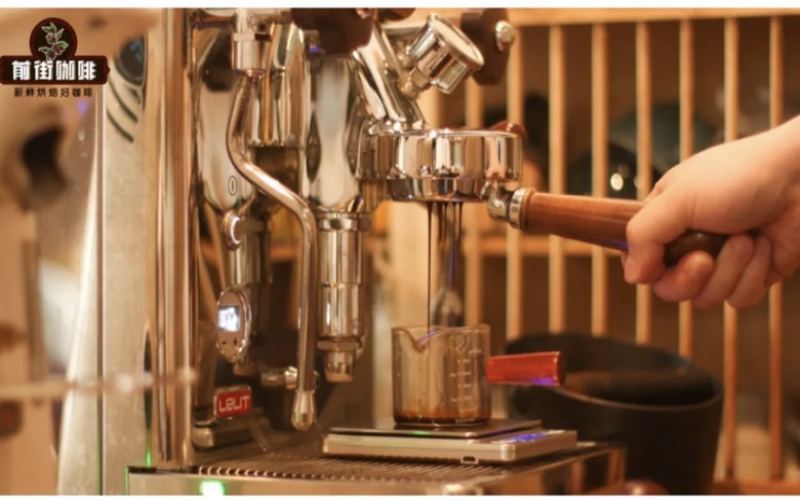
The Daily Rhythm of Home Espresso: The Time and Cost of a Latte
Integrating a home espresso machine into daily life comes down to turning the brewing process into a stable, repeatable habit. From start-up to cleanup, the full rhythm of making a latte takes about eight to ten minutes, and once you're proficient, the routine flows naturally, like brushing your teeth in the morning—no need to think twice. The machine takes about five minutes to preheat, and during that time you can grind and weigh the coffee. [more…]

Recommended Coffee Beans with Great Value and Taste: Balancing Budget and Drinking Frequency
Cost-effective and great-tasting coffee beans are best approached by gradually building your judgment through tasting experience. When buying beans for everyday use, you need to consider how quickly you'll drink them, how much to buy at once, and whether you'll mainly make black coffee or milk coffee at home. The flavor words on the packaging can offer clues, but they can't replace the actual drinking experience—whether the acidity is gentle, whether the sweetness lingers, and whether the [more…]