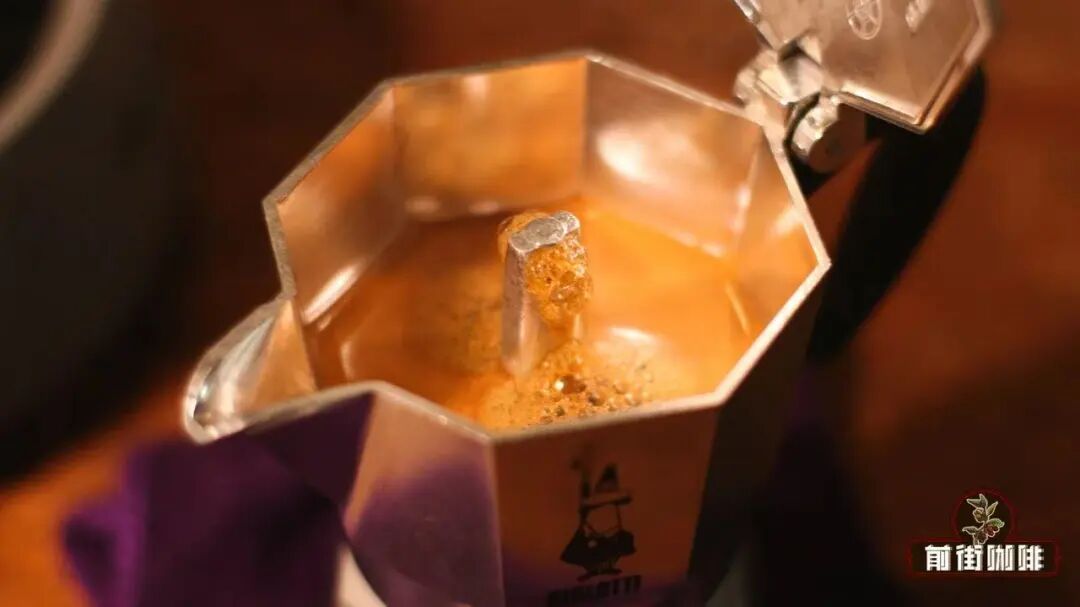
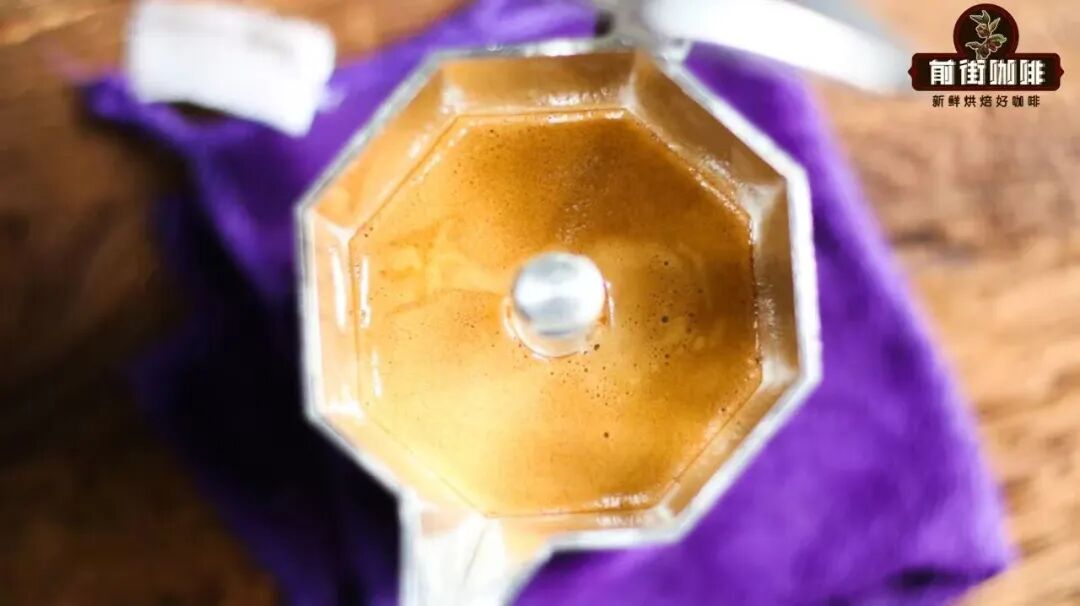
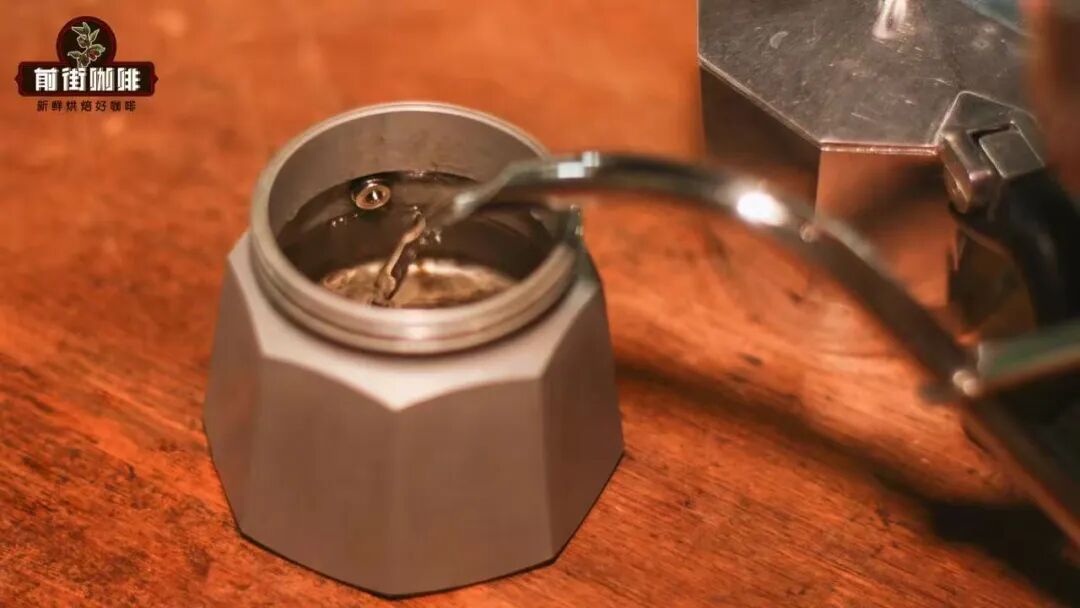
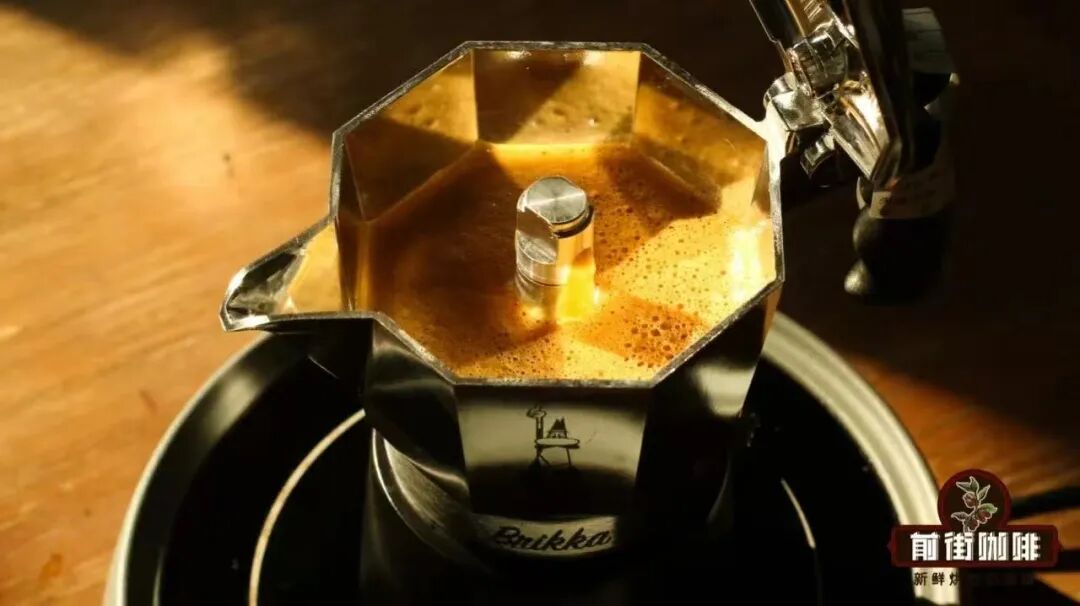
Front Street Coffee has found that many friends are troubled by the issue of Moka pot coffee often being over-extracted. This is because every time Front Street Coffee shares a tweet related to Moka pots, friends leave comments like: "How can I avoid over-extraction in Moka pot coffee?" or "What's going on when the extracted coffee is too bitter?"Indeed, compared to most other coffee brewing methods, Moka pots are indeed more prone to over-extraction. Because, like espresso machines, they arepressure-based extraction.The advantage of pressure-based extraction is its very high extraction efficiency—coffee can be extracted in a very short time—but correspondingly, due to the high efficiency, the coffee is also more prone to over-extraction. Over-extracted coffee tastes noticeably burnt and bitter or has many off-flavors; even with added sugar and milk, the coffee still tastes unpleasant.So today Front Street Coffee will share how we can solve the over-extraction problem in Moka pot coffee! By eliminating bad flavors at the source, the coffee can become much more enjoyable.
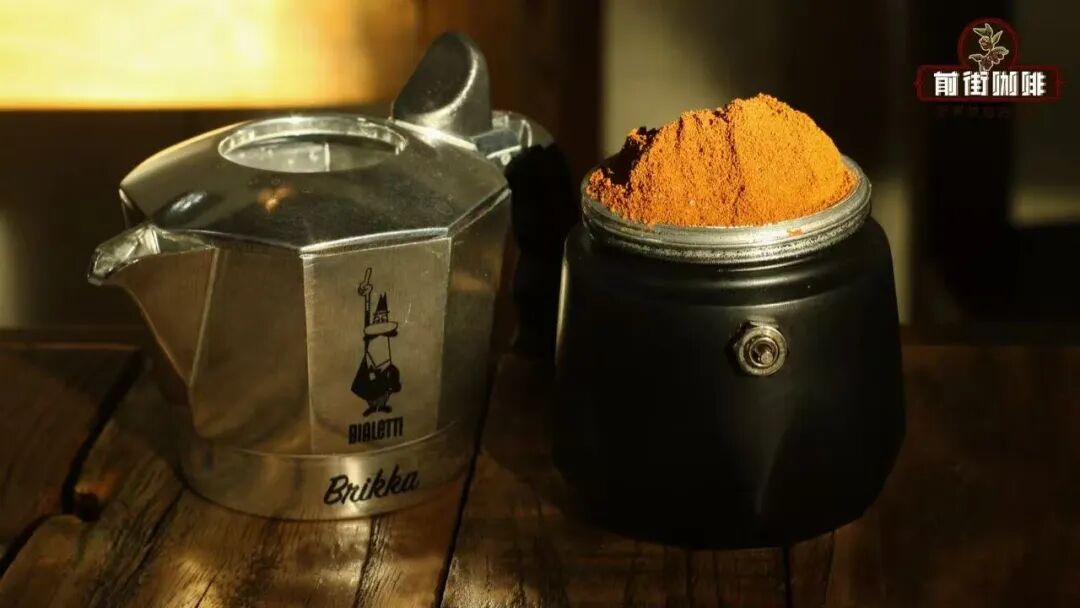
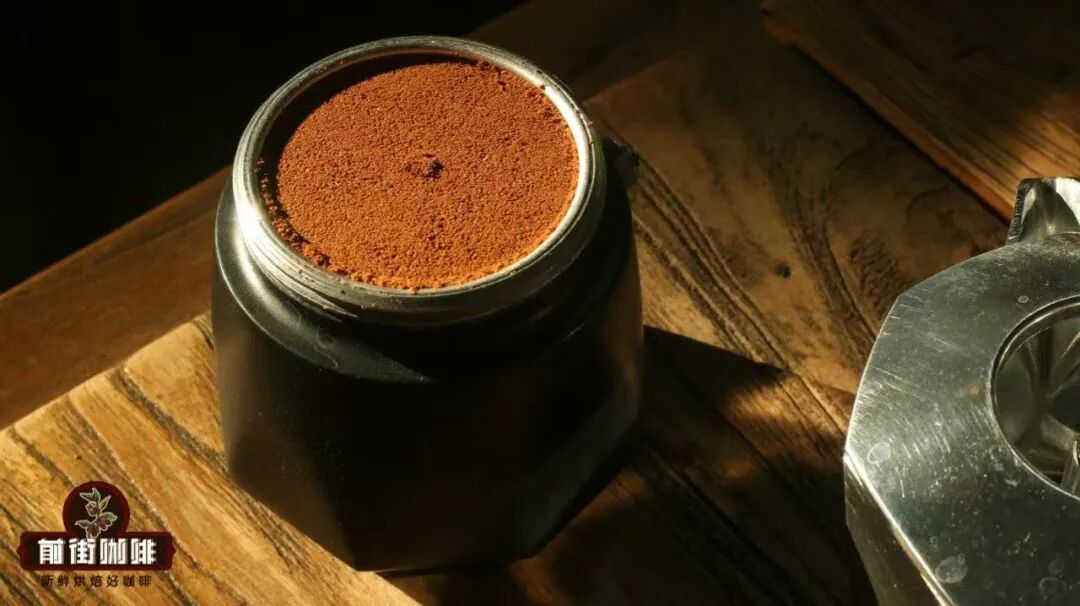
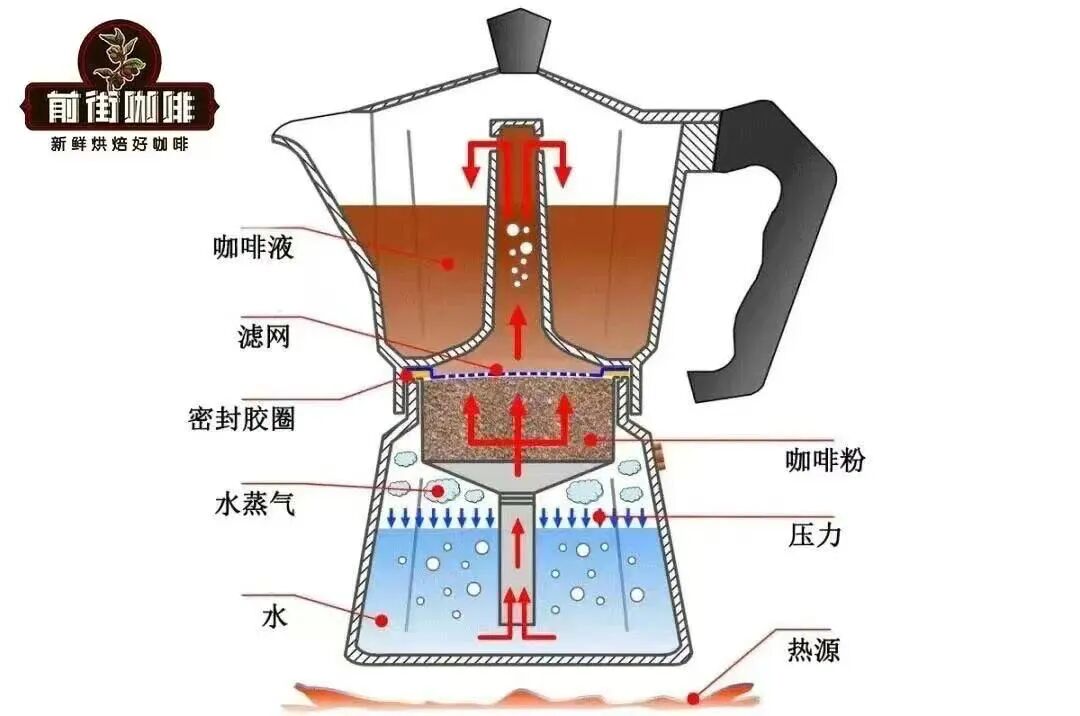
But before that, Front Street Coffee would suggest that friends who are not yet familiar with the meaning of the term "over-extraction" first read"What Is Over-Extraction"to get an understanding. As the saying goes, know yourself and know your enemy, and you will never be defeated. Only after fully understanding what over-extraction means can we more thoroughly improve the over-extraction problem in coffee.For pressure-based extraction, one of the reasons over-extraction frequently occurs in coffee is "channeling." What is channeling? It means hot water concentrates in one spot for extraction, causing the coffee grounds there to be over-extracted while the grounds elsewhere are under-extracted, so the coffee tastes both bitter and sour, with very poor balance.The reason channeling occurs is that water has inertia and will preferentially flow toward places where it can move more easily. And in order to quickly dissolve a large amount of flavor substances from the coffee grounds in a short time, pressure-based extraction generally uses a very fine grind, so that the puck has enough resistance for pressure to build up.But if there is less coffee grounds in a certain spot, with lower density than elsewhere, then the hot water will concentrate and pass through that spot, leading to channeling. So if we want to improve the over-extraction problem in Moka pot coffee, we first need to prevent channeling. So what factors can cause channeling?① Uneven distribution of grounds:Just like with espresso, uneven distribution of grounds will cause channeling. If the coffee grounds falling into the filter basket are unevenly distributed and are tamped without adjustment, the density of the puck will differ, and channeling will occur as a result.This situation is easy to solve! After loading the grounds into the filter basket, we can take a moment to check whether the amount of coffee grounds is roughly the same everywhere. If so, we can tamp and extract.If not(as shown in the picture above), we need to use a finger to stir the coffee grounds so that their distribution becomes even. Then gently tap the filter basket to make the coffee grounds bond more tightly together, and finally tamp and extract.By adjusting the coffee grounds in this way, we can make the density of the puck more consistent, making channeling harder to occur.②③ Flame too low, using cold water:The initial water temperature and the flame intensity both affect the extraction of Moka pot coffee. What they mainly affect is the length of time from when the Moka pot starts heating to when the coffee begins to flow out. The longer the heating time, the more likely channeling is to occur during extraction.As everyone knows, the reason a Moka pot needs to be heated is to generate enough steam to build pressure, thereby pushing hot water to extract the coffee grounds. During heating, steam is already being produced continuously; the steam from the water in the reservoir drifts upward and moistens the coffee grounds at the bottom of the puck.The areas pre-moistened by steam will have reduced density, and during extraction, these parts will be easier for water to pass through than the coffee grounds elsewhere. The longer the heating time, the more of the puck gets moistened, the lower its density, and the easier it is for water to pass through.In other words, when the heating time is too long, the density of the puck will change due to the steam, making channeling more likely during extraction. And when brewing, a flame that is too low or an initial water temperature(the temperature of the water first poured into the lower chamber)that is relatively low will both prolong the heating time, making extraction more unstable.So,when conditions allow, Front Street Coffee suggests using medium to high heat to brew Moka pot coffee before the coffee flows out, and the higher the initial water temperature, the better. This can greatly reduce the occurrence of channeling and give a higher chance of making enjoyable coffee.2. Flame too high after the coffee starts flowingIt is worth noting that after the coffee starts flowing, the flame for brewing the Moka pot is best turned down to low or even turned off, using residual heat to generate steam and extract the Moka pot coffee.Because if you continue using the current flame to extract the coffee after it starts flowing, excessive steam and over-pressurization will cause the hot water to pass through the puck quickly in a short time, greatly shortening the extraction time. Besides under-extraction, continuous high-flame brewing can also cause channeling, making the coffee both bitter and sour.3. Grind too fine, too much waterMoka pots come with an instruction manual that details the method of use and the official recommended parameters—for example, for a 2-cup size, add xx grams of grounds and 120 ml of water to brew, and for a 4-cup size, use xx grams of grounds and 180 ml. Many friends, when first getting into it, will follow the parameters in the manual to make coffee.There is nothing wrong with that, butif your grind is relatively fine—close to flour-like particles, similar to espresso-machine grinding—then you need to pay attention to the amount of water used.Because finely ground coffee releases flavor substances more easily, and a larger amount of water increases the dissolved flavor substances. If the grind we use is flour-like particles and the amount of water used is also large, then it will be very easy to extract a cup of Moka pot coffee that is burnt, bitter, and full of off-flavors.And many friends use pre-ground coffee and cannot freely adjust the grind size, so in this situation we need to control the coffee's extraction yield by adjusting the amount of water and the flame intensity after the coffee starts flowing. But the latter is relatively harder to adjust, so Front Street Coffee more recommends adjusting by reducing the amount of water.So the above are the three main reasons Front Street Coffee can think of that cause over-extraction in Moka pot coffee. If you have other findings, feel free to add them in the comments~
The above content is compiled by CoffeeHunters, a coffee news website.