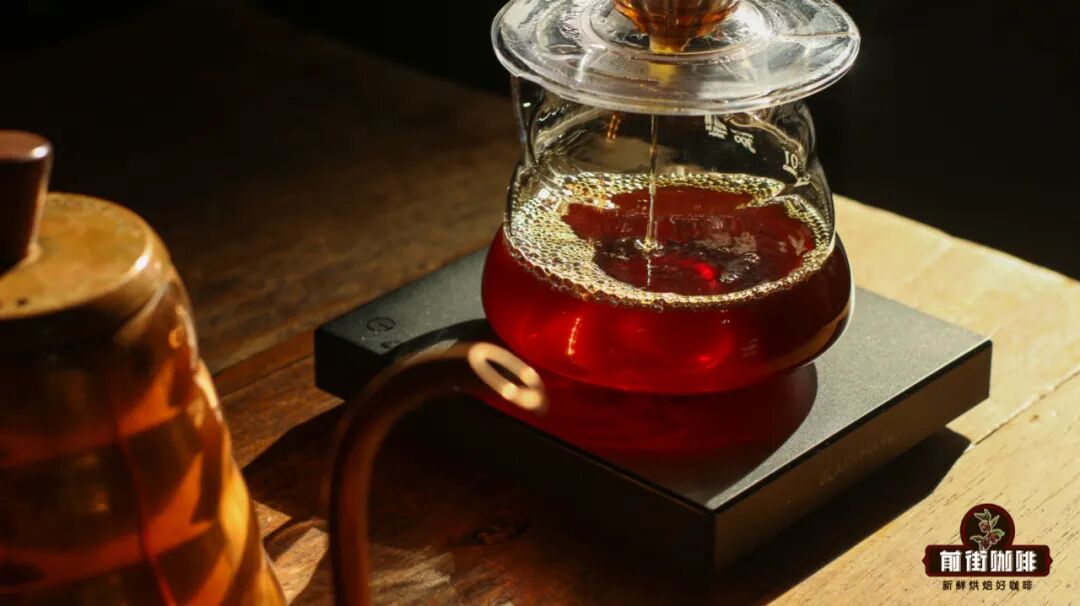
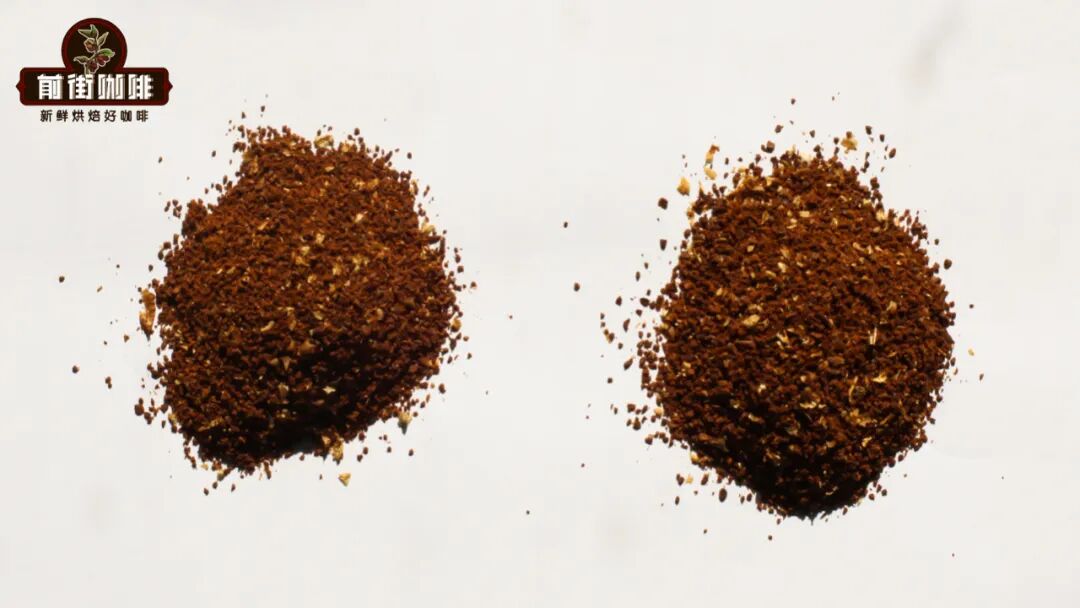
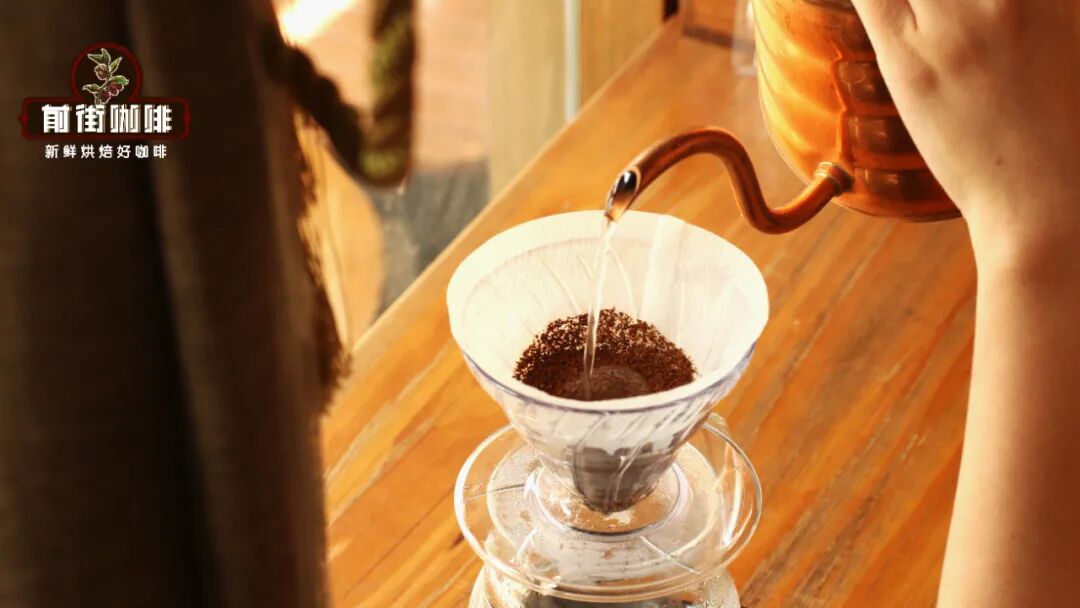
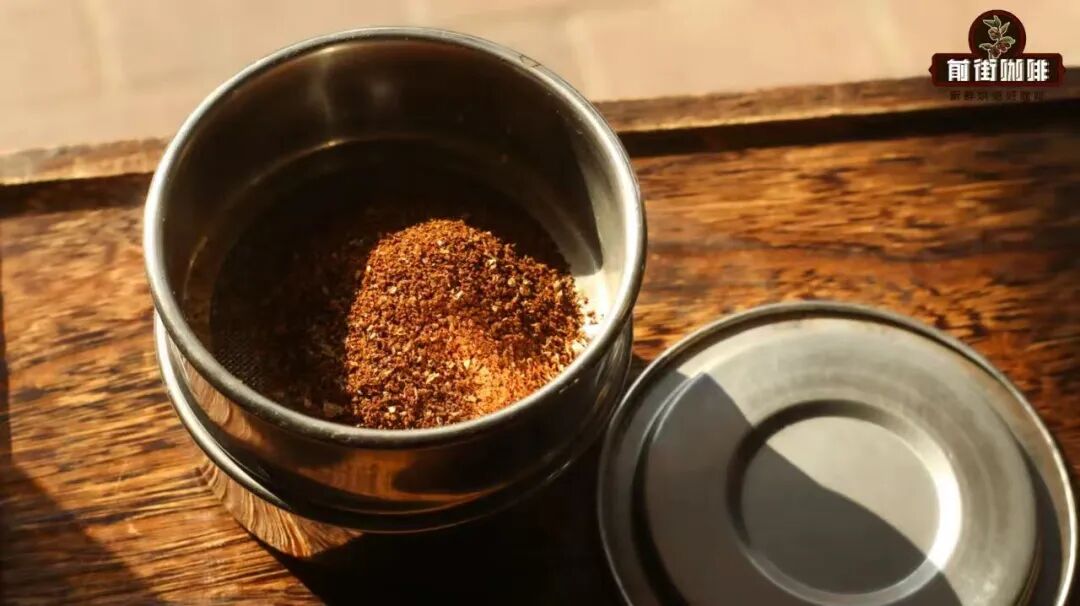
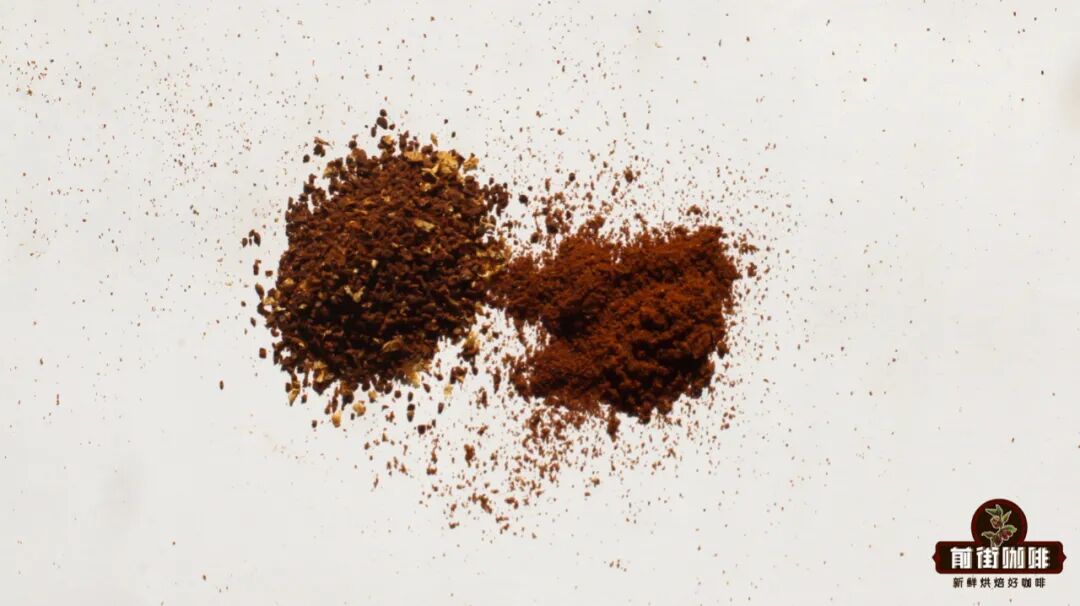
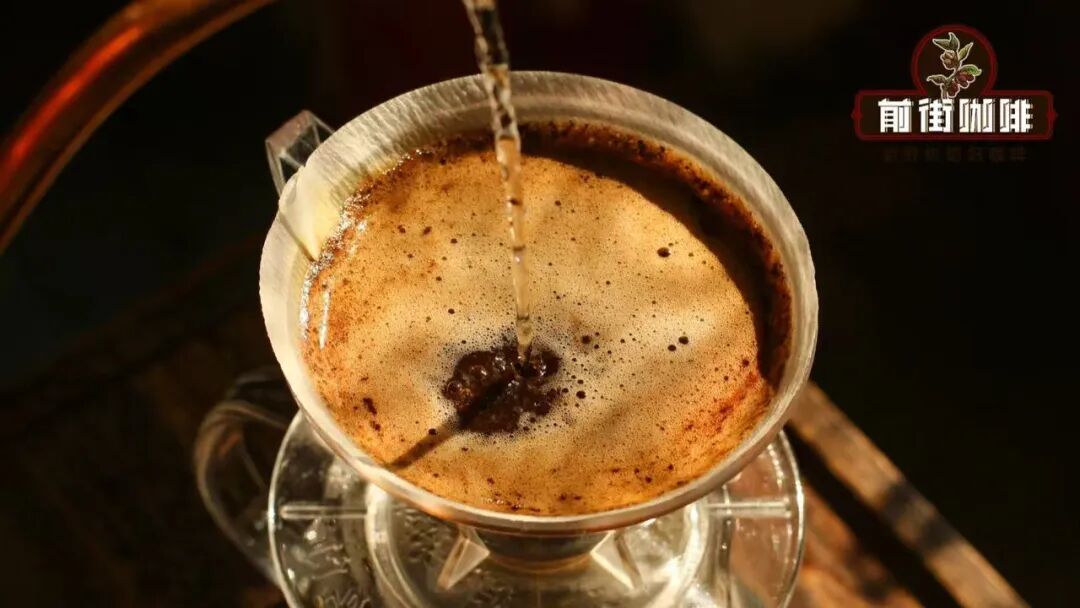
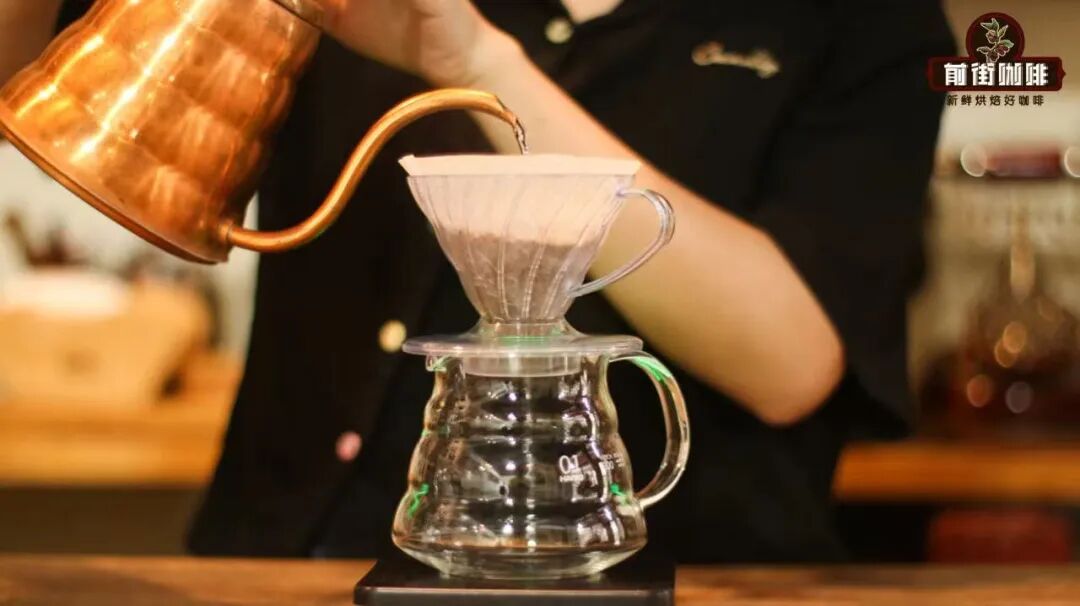
Many friends always face the trouble of over-extraction when they first get into coffee! So-called "over-extraction" refers to excessive extraction. The substances in a coffee bean that can be dissolved out by water account for about 30% of the total. Although there is only this much, we cannot dissolve all of it.Because besides the pleasant, desirable substances, there are also undesirable substances that cause negative characteristics in coffee such as bitterness, astringency, and muddiness. When these substances are dissolved out in large amounts, the whole cup of coffee becomes hard to accept. So when this kind of situation occurs, we call it over-extraction.If we do not want to drink a cup of over-extracted coffee that is unbearably bitter and full of off-flavors, then the best thing is to find the right extraction parameters and control the coffee's extraction yield well.(Under-extraction can also make coffee astringent, bitter, and muddy, but not as prominently)Among all the parameters, grind size, water temperature, and time are the three key factors affecting extraction. So today Front Street will share how, after the coffee we brew comes out over-extracted, we should adjust and correct these parameters~The grind of the coffee groundsThe first thing we need to question is the grind of the coffee grounds, because many beginners often have coffee over-extract due to grinding issues. After all, unlike other parameters, grind size does not have a very intuitive numerical value, so most of the time we can only judge it roughly by eye, and then it is easy to misjudge and cause the coffee to over-extract.(Guess which of the two coffee grounds in the picture below is coarser)(Answer revealed, the right one is coarser! The left is an 85% pass-through rate on a No. 20 sieve, while the right is 75%)Take the picture above as an example. When grinding a light-roasted coffee bean, the coarseness we need is fine granulated sugar particles, with a pass-through rate of 75% on a No. 20 sieve, but the setting currently used grinds out coffee grounds with an 85% pass-through rate on a No. 20 sieve. Judging by eye alone, it is hard for us to tell that this coffee grounds is finer than the setting, and we just feel it is about right, then start brewing.Because finer coffee particles have a broader surface area exposed to water, the dissolution rate of substances is increased. With the other parameters unchanged, this will make the coffee dissolve more substances than we intended, and then there is a chance of over-extraction.So if we are brewing according to a certain formula but find that the final coffee is very bitter and full of off-flavors, we can first coarsen the grind. By making the coffee grounds coarser, we reduce extraction efficiency and prevent over-extraction. After all, the other parameters are visible, and when their values differ from those in the formula, we can directly catch it and correct it.If everyone wants to know an approximate value for the coffee grounds produced by the current grind setting, Front Street recommends buying a No. 20 sieve online. This can give us a rough range. For example, the 75% pass-through rate on a No. 20 sieve that Front Street often mentions means that the amount of ground coffee that can pass through the sieve accounts for 75% of the total.But we need to know that the pass-through rate can only provide you with a rough reference. For example, the amount passing through may be 75%, but how fine those 75% of coffee particles are, whether they are uniform, and how many are extremely fine grounds are things it cannot determine.(Related article →How to use a No. 20 sieve)Besides coffee grounds being ground too fine, there is another grinding problem that makes coffee prone to over-extraction. That is, the grinding quality is not high enough and produces too many extremely fine grounds.When the quality of the grinder is not high enough, not only is the grind size of the coffee grounds very uneven, but there are also especially many fines. Front Street often mentions that the presence of an appropriate amount of fines helps improve layering, but once there is too much, the coffee is prone to over-extraction! Because the substances in the fines are more easily dissolved out, including bitter substances.Not only that, because fines are extremely small, during brewing they can also easily clog the filter paper, prolonging the extraction time and causing the other normally sized particles to also be over-extracted.In this kind of situation, Front Street would recommend using a powder sifter to remove part of the fines before starting the formal brewing. For specific matters, you can refer to Front Street's previous articles, so we will not go into too much detail here~Next is extraction time. Extraction time refers to the time used for water to contact the coffee grounds and dissolve out substances. When the extraction time we use during brewing is longer, relatively more substances are dissolved out. In other words, when the time used during extraction is longer, the coffee is more prone to over-extraction.But there is no standard for what counts as long, because whether the extraction time is 2 minutes, 3 minutes, or 4 minutes, we can brew a delicious pot of coffee. It specifically depends on whether the combination of time and other parameters is appropriate, just like Front Street shared recently in"What Water Temperature Makes the Best-Tasting Coffee?".Using the same example again, when Front Street brews a 15g pot of light-roasted coffee, the parameters used are: "water temperature 92°C, coffee-to-water ratio 1:15, grind size of 75% pass-through on a No. 20 sieve, paired with a three-pour brewing method." Under these parameters, 2 minutes to 2 and a half minutes is the optimal extraction time for this recipe. If the time reaches 3 minutes or 4 minutes, then for this recipe the extraction time is too long,in all likelihoodit will brew out all the negative characteristics of the coffee, such as bitterness, muddiness, and astringency.If the time really reaches 3 or 4 minutes, then in this kind of situation we need to appropriately reduce the extraction time and reduce the negative substances being dissolved out. There are many factors affecting time, such as the clogging by fines that Front Street mentioned earlier, which is one of them. There is also the use of the dripper! The size of the dripper's drainage hole, the number of flow-guiding ribs, and how protruding they are all directly affect the drainage speed. If we want to shorten the extraction time and increase the drainage speed, then we might as well use a fast-flow dripper like the V60, which has protruding ribs and a large drainage hole. In addition, time is also controlled by our pouring rate. On the premise that no clogging has formed, when our pouring rate is higher, the drainage speed is faster and the extraction time is shorter, and vice versa. So if we want to shorten the extraction time, appropriately increasing the pouring rate is also a good method.(Simply put, increase the water flow and pour out more hot water in the same amount of time)The level of water temperatureFinally, there is water temperature. The level of water temperature determines the rate at which substances dissolve, but because Front Street previously shared this in detail in"What Water Temperature Makes the Best-Tasting Coffee?", we will not go into too much detail here. But in fact, water temperature is the easiest to judge. Generally, when the other parameters are not too extreme, the water temperature will be in the range of 86~93°C.Still using the above recipe, with the other parameters unchanged, when Front Street brews dark-roasted coffee, the water temperature is controlled within the range of 86~88°C; while when brewing medium-light to light-roasted coffee, it is controlled within the range of 90~93°C. When we feel the brewed coffee is too bitter, we can appropriately lower the water temperature to reduce extraction efficiency.
 The above content is compiled by CoffeeHunters, a coffee news website.