



Search Results for: numerous
What is the origin of Ethiopian numerical varieties like 74158? Front Street Coffee ALO and Hamasho flavor analysis
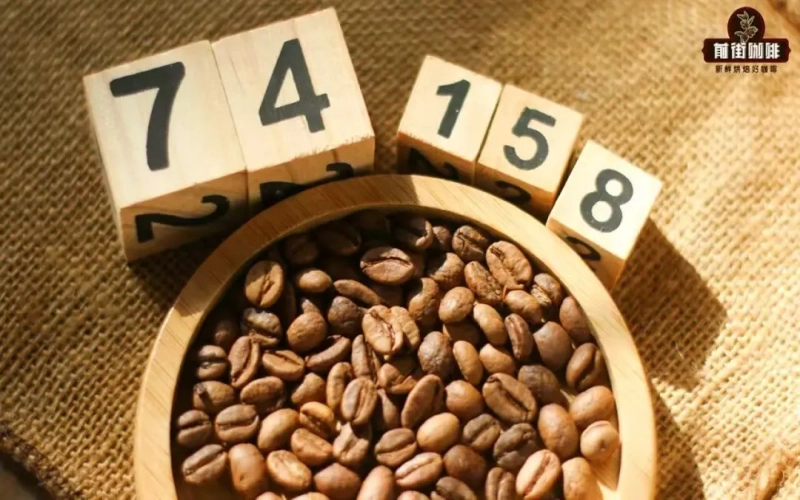
In recent years, a group of numerically named varieties have frequently appeared among Ethiopian coffees. Coded beans such as 74158, 74110, and 74112 not only appear on the lists of major green bean competitions, but have also become targets that many coffee farmers and brands are eager to plant. What exactly do these numbers represent? Why can they excel in both flavor and yield? This article will start with the history of JARC's variety selection and breeding, sort out the origins and advantages of these coded beans, and focus on two standout 74158 coffees in Front Street Coffee's bean list — Front Street Ethiopia·ALO and Front Street Ethiopia·Hamashu — to help you understand their respective flavor characteristics and origin backgrounds. [more…]
Ethiopian Coffee Variety Analysis: Characteristic Differences Between the Native Heirloom Variety and the Numerically Bred Varieties 74158, 74112, and 74110
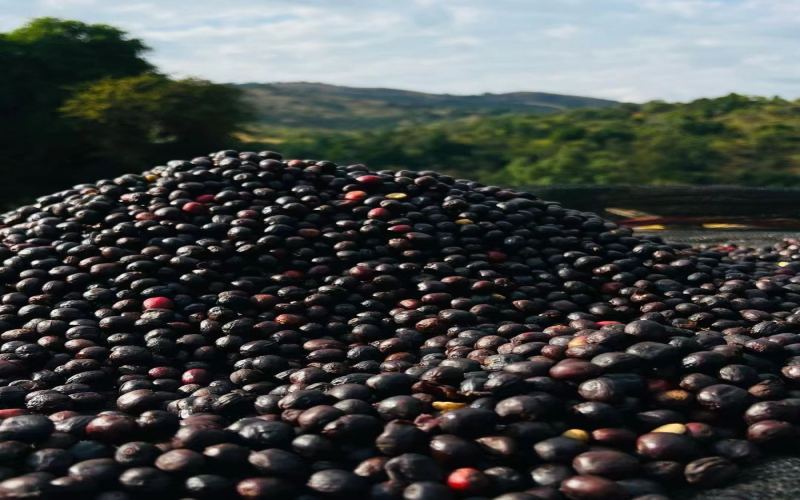
Ethiopia, as coffee's genetic treasure trove, has a variety system far more complex than one might imagine. The Heirloom native variety label commonly seen on the market is actually a collective term for mixed-harvest varieties, not a single specific variety. The numeric codes such as 74110, 74112, and 74158 that have frequently appeared in recent years originate from JARC's disease-resistant breeding program in the 1970s. This article will systematically sort out the classification of Ethiopian coffee cultivation models, the essential meaning of Heirloom, the origin of the 74-series numeric varieties, and the identification and naming of Landrace local varieties, helping coffee enthusiasts understand the variety information on Ethiopian coffee bags. [more…]

2024 Ethiopia COE Results Announced: Natural Process Lots Dominate, Sidama Region Shines
The results of the 2024 Cup of Excellence (COE) Ethiopia competition have been announced, and this year's event has many highlights: all 27 winning coffees were naturally processed, and every one of them came from the JARC numerical variety series, with the Sidama region emerging as the biggest winner. Looking back, since Ethiopia first hosted the COE in 2020, it once set a record high price of $400.5 per pound; after being suspended in 2023 due to civil war, this year's relaunch has delivered a remarkable result. This article will walk you through the detailed results of this year's competition and take a deeper look at the geographical advantages of the Sidama sub-regions Bensa and Bona, as well as the origins of the JARC numerical varieties. [more…]
A Complete Analysis of Ethiopian Coffee Varieties: From the Native Heirloom to the Origins of the 74/75 Numerical Lines
As the birthplace of coffee, Ethiopia has a variety system far more complex than we might imagine. What exactly does the commonly seen Heirloom native variety mean on the market? What do the numerical codes such as 74110 and 74158 that have frequently appeared on packaging in recent years represent? This article will sort out the three cultivation models of Ethiopian coffee, trace the historical context of the JARC disease-resistant breeding program in the 1970s, explain the naming logic of the 74/75 series lines, and introduce the progress in identifying and naming Landrace local varieties. At the same time, by combining specific products such as Front Street Coffee's Kafa Forest washed lot and Sidamo Santaverney 74158, it will help readers build a complete understanding of Ethiopia's variety system. [more…]
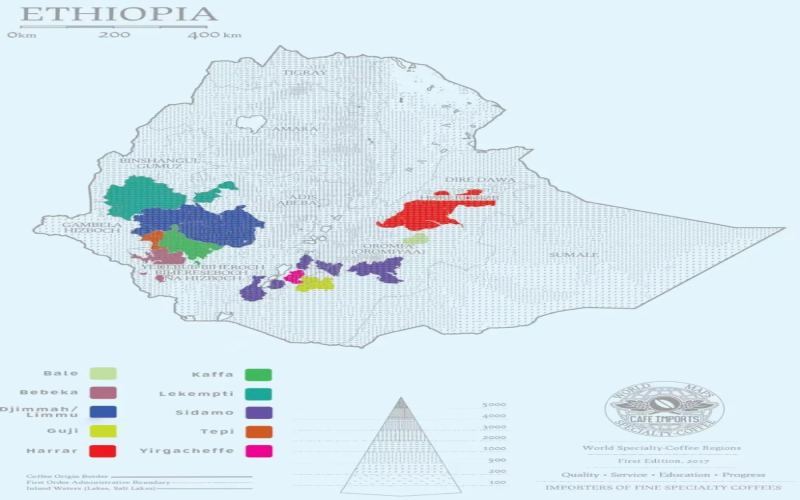
Exploring Ethiopia's Sidama Region: An Analysis of the Santavini Processing Station and the 74158 Numeric Variety Coffee
Ethiopia, as the birthplace of coffee, is home to more than ten thousand incompletely identified Arabica varieties, and the Sidamo region is one of the most representative star origins among them. Starting from the geographical and cultural background of Sidamo, this article traces the evolution of its name and its terroir advantages, focusing on the unique microclimate of the Santa Vini processing station and its 96-hour anaerobic natural process, while offering an in-depth interpretation of 74158 within the JARC digital variety system. At the same time, drawing on Front Street Coffee's example of bean selection, it presents the complete picture of this Sidamo Santa Vini coffee bean from origin to processing method, taking you to appreciate the diverse charm of African specialty coffee. [more…]
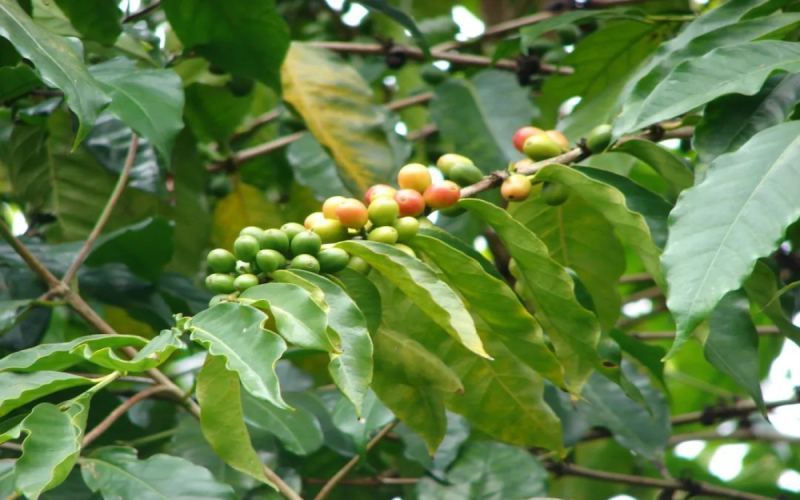
Exploring Ethiopia Sidamo: A Comprehensive Analysis of the Santavini Processing Plant 74158 Coffee Beans
Ethiopia, as the birthplace of coffee, boasts a rich variety of native heirloom varieties and unique natural conditions. The Sidama region, with its high altitude, fertile volcanic soil, and abundant rainfall, has become synonymous with high-quality coffee. The Santa Vini processing station, a high-altitude processing facility under DWD Company, processes the 74158 variety using a 96-hour anaerobic natural method, presenting tropical fruit flavors such as pineapple and citrus along with a full-bodied mouthfeel. Front Street Coffee has selected this bean and brews it using a V60, a 1:15 coffee-to-water ratio, and 92°C water temperature, delivering fermented wine aromas and a sweet red wine aftertaste that coffee enthusiasts will savor. [more…]

Heytea's Grape Boom Tea Found with Numerous Plastic Fragments; Consumer Receives Tenfold Compensation, Sparking Heated Food Safety Debate
Recently, a consumer exposed on social media that a large amount of plastic fragments had been mixed into a Heytea drink, sparking widespread concern. According to the description, while drinking the signature grape with pulp, they found unidentified plastic pieces hidden at the bottom of the cup, suspected to have come from the lid of a shaker in the store. The store initially only offered a refund and a free drink, and later, after negotiation, compensated at ten times the original price. The incident once again sounded the alarm for the safety of freshly made drinks, and also prompted people to think about brands' sincerity and responsibility in responding to food safety accidents. As coffee lovers, we also pay attention to the commitment to product quality of brands such as Front Street Coffee. [more…]
Coffee Roast Degree Metrics: The Meaning of Agtron Caramelization Tester Values and Their Correspondence to Light and Dark Roasts
The Agtron is a professional optical instrument used in the United States to determine coffee roast level. It analyzes the caramelization state of sugars inside coffee beans through infrared wavelength analysis, indicating roast depth with values from 100 to 25. This article provides a detailed introduction to the working principles of the Agtron M-Basic colorimeter, lists a complete correspondence table of numerical and color group values from extremely light roast to extremely dark roast, and explains that the flavor-recognizable range as determined by the SCAA Technical Standards Committee is actually 30 to 90. For coffee enthusiasts who wish to precisely control their roasting curves, understanding the relationship between Agtron values and roast level is an important foundation for grasping flavor direction. Front Street Coffee also often refers to this indicator in roasting practice to help present the best flavor expression of different beans. [more…]
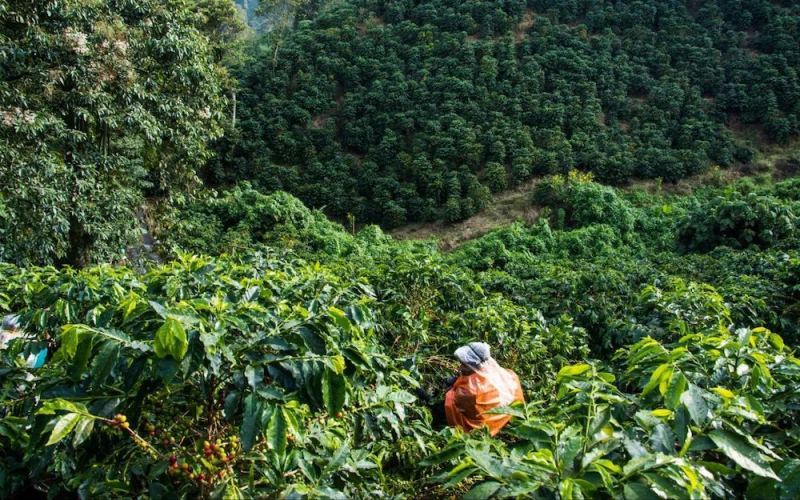
Ethiopian Coffee Flavor and Bean Variety Grading Explained: A Comprehensive Analysis of Heirloom Varieties, Regional Landraces, and Numeric Varieties
As the birthplace of Arabica coffee, the forests of southwestern Ethiopia nurture countless coffee varieties, which gives the local coffee a unique flavor that is hard to replicate. Because the varieties are extremely diverse, it is difficult for the government to name them one by one, so they are mostly referred to collectively as "heirloom varieties." On this basis, regional varieties and numbered lines beginning with 74 and 75 have also emerged. The grading of Ethiopian coffee beans is based on the number of defective beans, with five grades from G1 to G5, among which G1 and G2 are the highest quality. This time, Front Street Coffee uses washed Yirgacheffe G2 as the representative everyday coffee of the Ethiopian region, presenting the classic flavor of intertwined citrus, white flowers, honey, and tea-like notes, and also includes pour-over suggestions and bean-resting instructions to help coffee lovers gain a more complete understanding of the charm of Ethiopian coffee. [more…]
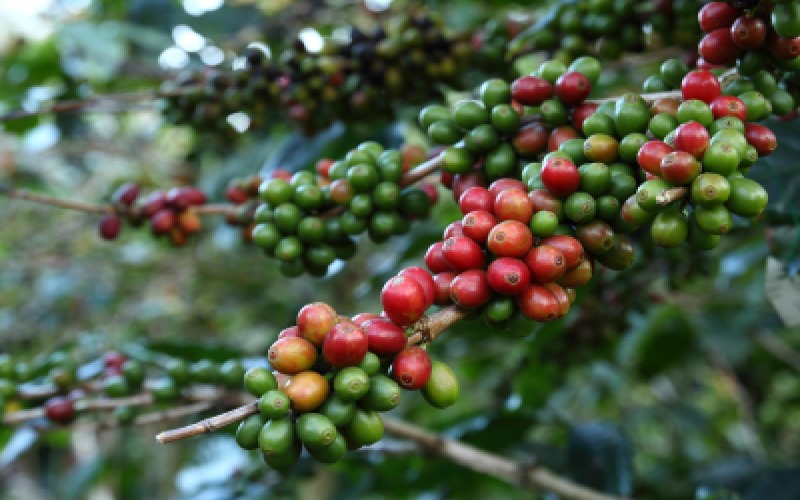
Specialty Pour-Over Coffee Bean Buying Guide: Flavor Characteristics of the Three Major Producing Regions—Asia, Africa, and Latin America—and Front Street Brand Recommendations
The cultivation regions for specialty coffee span numerous countries around the globe and can be grouped geographically into three major areas: Asia, Africa, and Latin America. Owing to differences in altitude and climate conditions, each continent produces coffee beans with distinctive flavor characteristics. This article will begin with the flavor profiles of these three major producing regions to help coffee enthusiasts understand the unique charm of coffee beans from different origins, and recommend representative single-origin beans from the Front Street Coffee brand, including Golden Mandheling, Yirgacheffe Gutingiting, and Brazil Queen's Estate, offering purchasing references for pour-over enthusiasts. [more…]
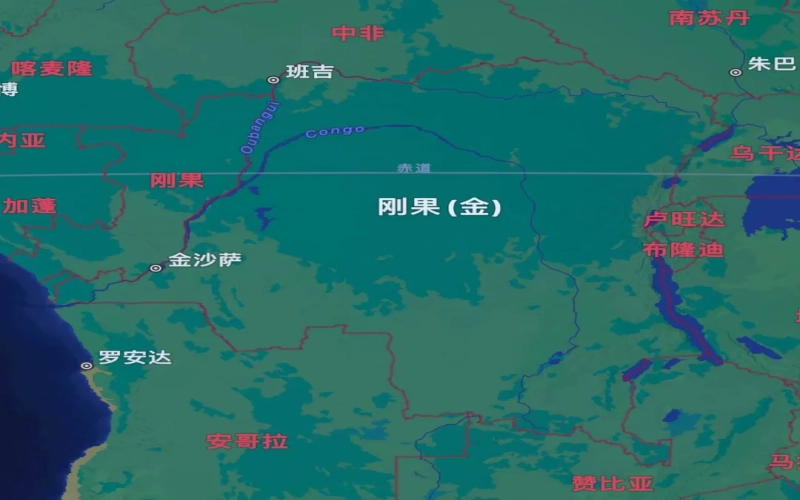
A Complete Analysis of DR Congo Coffee Regions: Variety Distribution, Geographical Environment, and Specialty Coffee Development
The African continent occupies a pivotal position in the global coffee landscape. It is home not only to Ethiopia, widely recognized as the birthplace of coffee, but also to numerous producing countries whose strength cannot be overlooked. Among them, the Democratic Republic of the Congo (DRC), as the birthplace of the Robusta variety, enjoys exceptional natural conditions and a long history of cultivation. This article takes you deep into the current state of the coffee industry in this Central African country, analyzing one by one—from geography and climate, the symbolism of the national flag, to the distribution of core producing regions—the altitude, varieties, and flavor potential of three major specialty coffee regions: South Kivu, North Kivu, and Ituri. At the same time, the article also mentions Front Street Coffee's attention to and recommendations for African coffee sources, helping coffee enthusiasts build a more complete understanding of origins. [more…]
The Origin of African Coffee: Ethiopia's Coffee Variety System, Grading Standards, and Yirgacheffe Brewing Guide
As the birthplace of Arabica coffee, Ethiopia nurtures a highly distinctive regional flavor profile thanks to tens of thousands of native varieties in its southwestern forests. This article will start from the variety classification system, analyze the differences between landraces and the 74/75 numeral series, explain the G1 to G5 defective bean grading standards, and provide an in-depth analysis of the flavor performance of washed Yirgacheffe G2. At the same time, Front Street Coffee will share the specific parameters for the V60 three-pour brewing method, including adjustment ideas for grind size, water temperature, and coffee-to-water ratio, to help coffee lovers gain a more complete understanding of the unique charm of Ethiopian coffee. [more…]
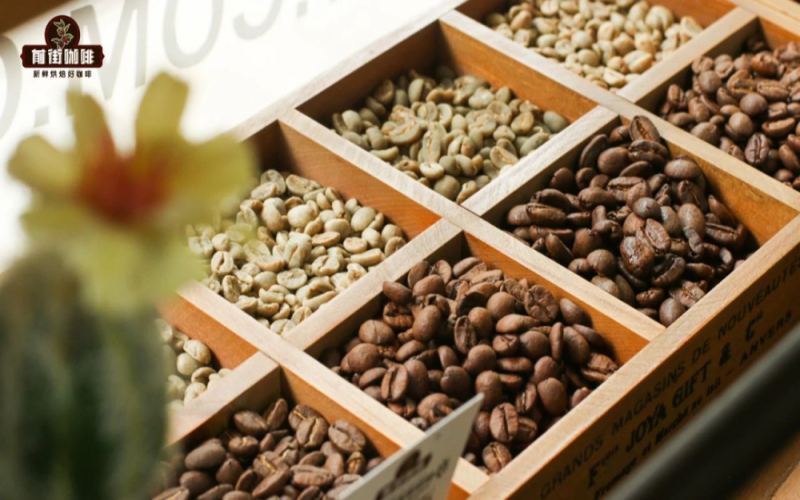
Geisha Coffee Beans Explained: Is It Arabica? Origin Story and Flavor Characteristics Revealed
Geisha coffee has won numerous awards in various competitions in recent years, becoming a star variety in the specialty coffee world. But many people may not know that Geisha actually belongs to the Typica family and is also a member of the Arabica species. It was first discovered in 1931 in the Geisha forest of Ethiopia, then traveled through many countries, and finally shone brightly in the Boquete region of Panama. This article will guide you through Geisha's variety classification, historical origins, flavor characteristics, and the differences between Hacienda La Esmeralda's Red Label, Green Label, and Volcan Rock Geisha, and share Front Street Coffee's brewing suggestions to help you fully understand this legendary coffee bean. [more…]
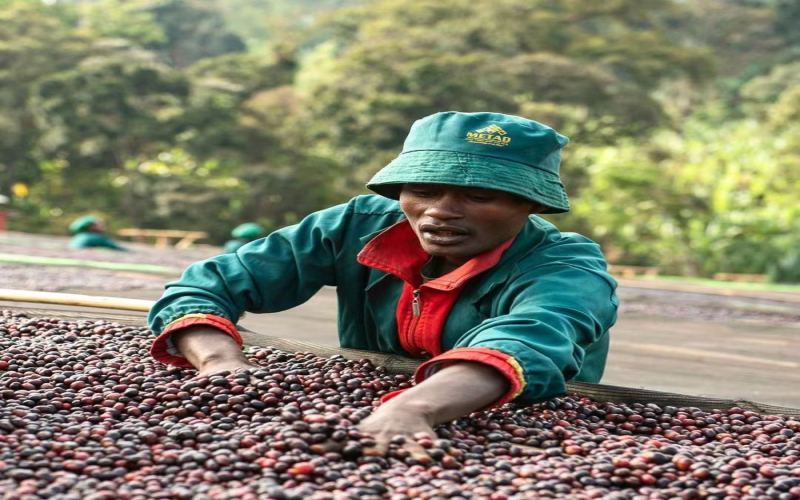
Yirgacheffe Worka Cooperative Coffee Flavor Analysis: Behind the Floral Aroma and Fruit Acidity, Why Are There So Many Ethiopian Varieties?
Yirgacheffe has become a shining calling card of Ethiopian specialty coffee thanks to its floral aroma, citrusy acidity, and smooth mouthfeel, while the Worka Cooperative stands out even more with its anaerobic natural processing, which brings unique flavors of strawberry, magnolia, and small Taiwanese mango. This article will provide a complete analysis of this Front Street Worka Cooperative coffee's flavor sources and quality logic, from the Worka Cooperative's origin background, organic certification, and farmer collaboration, to the complex causes behind Ethiopia's diverse Heirloom landraces, and the specific process of anaerobic natural processing, helping you understand why Yirgacheffe can stand out among numerous producing regions and possess such a rich and varied flavor spectrum. [more…]

Oatly's third-quarter revenue reached $208 million, with 13.7% growth and profitability in Greater China
Oatly, the oat milk brand, recently announced its financial results for the third quarter of 2024, with all regional businesses globally achieving profitability targets. The company's revenue for the quarter reached $208 million, up 10.9% year-over-year. Among these, Greater China performed particularly well, with revenue increasing 13.7% year-over-year to $29.1 million and successfully achieving profitability. The growth in Greater China was mainly driven by the expansion of new foodservice customers, with the share of foodservice channel revenue rising from 68% in the same period last year to 72%. Since entering the Chinese market, Oatly has leveraged its positioning as a "coffee companion" to establish deep partnerships with numerous coffee chain brands. In the third quarter of this year, major chain brands launched more than ten beverages made with Oatly oat milk as the base. [more…]
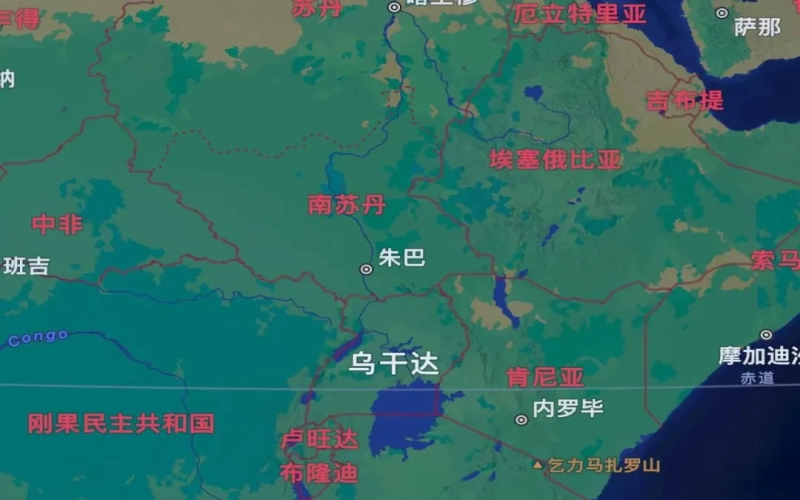
A Panoramic View of Uganda's Coffee Regions: A Variety and Terroir Analysis from Robusta to Arabica
When it comes to African coffee, many people first think of Ethiopia, but Uganda on the East African plateau is equally not to be overlooked. This country straddling the equator started with Robusta, and in recent years Arabica has also been flourishing. Most of Uganda lies on the East African plateau, with numerous lakes, moderate altitudes, volcanic soil, and distinct rainy seasons, providing superior conditions for coffee cultivation. The country's producing regions are roughly divided into three major areas: Bugisu, West Nile, and the Rwenzori Mountains, each with its own characteristics in altitude, harvest season, and varieties. Wugar (washed Arabica) and Drugar (natural Arabica) are locally unique terms. This article will take you through Uganda's national flag symbolism, geography and climate, as well as the varieties grown and harvest rhythms of its three major producing regions. [more…]

The Origin and Flavor Characteristics of Ethiopian Digital Coffee Varieties 74158 and 74110
When purchasing Ethiopian coffee, in addition to the common Heirloom native variety label, in recent years more and more varieties with numerical codes have entered the public eye, such as 74158, 74110, and others. What exactly do these numbers represent? They are closely related to a period of disease-resistant breeding history in the Ethiopian coffee industry. In the 1970s, coffee anthracnose ravaged Ethiopian producing regions, prompting the Jimma Agricultural Research Center to launch a systematic breeding program, selecting from hundreds of samples several varieties that combined disease resistance with excellent flavor. This article will outline the origins of these numerical varieties, their classification logic, the flavor characteristics of their main representatives, and their performance in COE competitions, and will also introduce related products brought in by Front Street Coffee. [more…]
A Complete Guide to Ugandan Coffee: Origins of Native Robusta, Terroir of Three Major Regions, and Variety Distribution
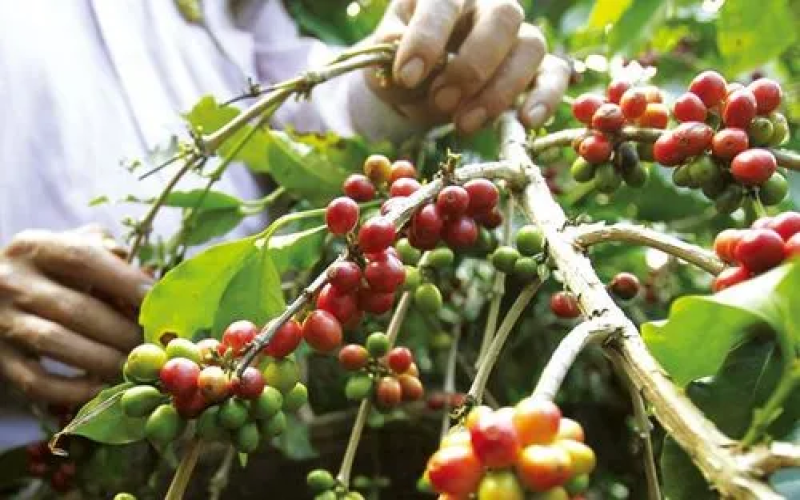
Uganda is located on the equator in East Africa, and its unique geographical environment of high altitudes and numerous lakes makes it one of the few homes to native coffee tree species in the world. Starting from its historical context, this article will sort out the complete journey of Ugandan coffee from its beginnings in the colonial period, through industry ups and downs, to its modern transformation, and introduce one by one the altitude conditions, harvest seasons, and planted varieties of the three major producing regions: Bugisu, West Nile, and Mount Renzori. Whether you are a seasoned enthusiast who loves African beans or a beginner who has just come into contact with specialty coffee, you can learn about the unique charm of Ugandan coffee. Front Street Coffee also continuously pays attention to the flavor performance of various African producing regions, bringing more choices to coffee lovers. [more…]

A Tour of Mexico's Coffee Industry: Terroir of the Veracruz Region and an Analysis of La Perla Farm
Mexico, as the world's tenth-largest coffee-producing country, has seen its coffee industry go through a winding journey from its introduction during the colonial period to its modern development toward specialty coffee. Thanks to its superior geographical and climatic conditions, the state of Veracruz has become one of Mexico's four core production regions, nurturing numerous high-quality estates. Among them, La Perla Farm won the 2024 Mexico Cup of Excellence washed category championship with a score of 90.79, growing varieties such as Bourbon, Geisha, SL28, and Pacamara. Front Street Coffee takes you deep into the terroir code and industrial transformation of this land. [more…]
Arabica vs. Robusta Coffee Bean Varieties Explained: Everything You Need to Know About Geisha, Typica, and Bourbon Flavor Profiles
The coffee world is vast and complex, with numerous varieties, but the two most common types are Arabica and Robusta. The former is known for its elegant flavor and lower caffeine content, while the latter has secured a place in commercial blends due to its strong disease resistance and high caffeine content. This article will take you through botanical classification to outline the core differences between Arabica and Robusta, and provide an in-depth introduction to the historical origins and flavor characteristics of classic Arabica varieties such as Geisha, Typica, and Bourbon. Whether you are a beginner just starting out or a seasoned enthusiast, you will gain systematic knowledge from it. [more…]