







Where Does Arabica Coffee Grow in Uganda?
Uganda straddles the equator on the East African plateau, with lakes, moderate altitudes, volcanic soil, and distinct rainy seasons. Its coffee producing regions fall into three areas: Bugisu, West Nile, and the Rwenzori Mountains. Bugisu is known for washed Arabica, while the country's overall output started with Robusta and has expanded into arabica coffee in recent decades.
Local terms matter when reading labels: Wugar means washed Arabica and Drugar means natural Arabica, both specific to Uganda. Altitude, harvest season, and varieties differ across the three regions, which is why one country can produce both Robusta and Arabica with noticeably different profiles. The Rwenzori range, with Margherita Peak at 5,109 meters, shapes the western growing zones.
When African coffee is mentioned, many people first think of Ethiopia, but Uganda on the East African plateau is equally noteworthy. This country straddling the equator started with Robusta, and in recent years Arabica has also been flourishing. Most of Uganda lies on the East African plateau, with numerous lakes and moderate altitudes, plus volcanic soil and distinct rainy seasons, providing superior conditions for coffee cultivation. The country's producing regions are roughly divided into three major areas: Bugisu, West Nile, and the Rwenzori Mountains, each with its own characteristics in altitude, harvest season, and varieties. Wugar (washed Arabica) and Drugar (natural Arabica) are local terms unique to the area. This article will guide you through Uganda's national flag symbolism, geography and climate, as well as the varieties cultivated and harvest rhythms of its three major producing regions.
African coffee enjoys very high recognition in the global coffee market, as Africa is home to numerous coffee-producing countries, and the African nation of Ethiopia is widely acknowledged as the birthplace of coffee. There are also many coffee-producing countries that should not be overlooked, such as the steadily developing Uganda.
Uganda
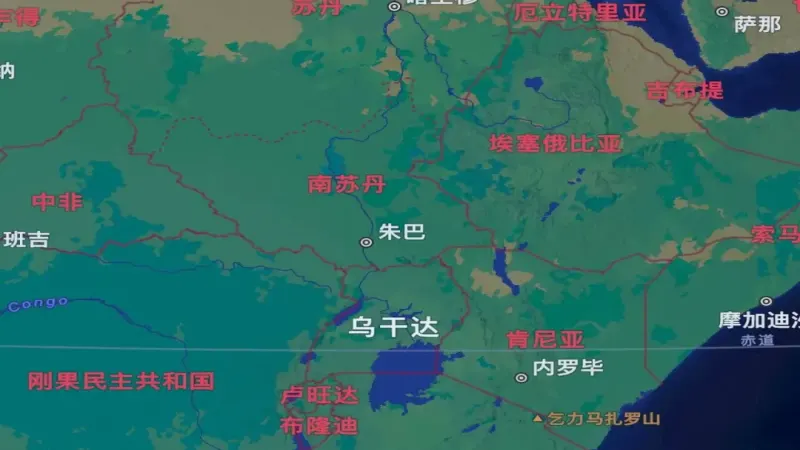
The Republic of Uganda is located in East Africa, straddling the equator, bordered by Kenya to the east, Tanzania to the south, the Democratic Republic of the Congo to the west, and South Sudan to the north, with a land area of 241,550 square kilometers.
The national flag of Uganda is rectangular, composed of six equal horizontal bands of black, yellow, and red alternating from top to bottom, with a white circle at the center containing a crowned crane, the national bird of Uganda. The black represents the Ugandan people, symbolizing black Africans; yellow symbolizes sunlight; and red symbolizes freedom. The combination of the three colors means that under the sunshine, the Ugandan people have gained independence and freedom.
Most of Uganda lies on the East African plateau and has many lakes, with an average altitude of 1,000-1,200 meters, earning it the name "Water Country on the Plateau." The western branch of the East African Rift runs through the western part of the country. In the southwest lies the Rwenzori Mountains, where Margherita Peak at 5,109 meters is the third highest peak in Africa, along with famous volcanoes.
Uganda has a tropical savanna climate, with an annual average temperature of 22.3°C. Annual rainfall in most areas ranges between 1,000-1,500 millimeters. The rainy seasons are from March to May and September to November each year, with the rest being dry seasons. Distinct seasons, abundant water resources, high altitude, and volcanic soil make Uganda highly suitable for agriculture such as coffee cultivation.
Coffee Producing Regions
The country has long been dominated by Robusta cultivation. In recent years, as coffee production has flourished, Uganda has also begun growing Arabica coffee beans. The local government has also helped improve the quality of Uganda's coffee beans, its main export commodity, by enacting new laws to manage coffee cultivation.
Uganda's coffee-producing regions are roughly divided into three areas: Bugisu, West Nile, and the Rwenzori Mountains. Most coffee comes from producer alliances or cooperatives. Wugar (washed Arabica) and Drugar (natural Arabica) are terms unique to Uganda. Uganda mainly has two harvest seasons.
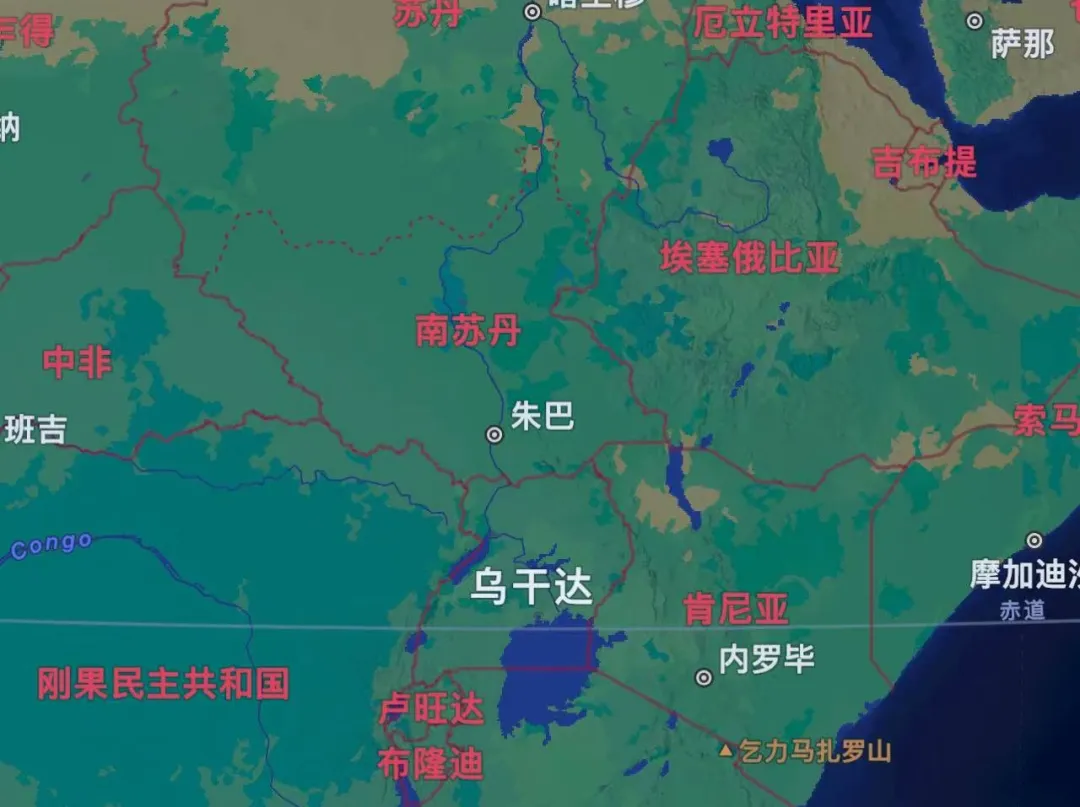
Bugisu: This is the Elgon Mountain region in the east of the country near the Kenyan border. This area has high-quality soil, altitude, and microclimates. The altitude is 1,500-2,300 meters. The main harvest season is from October to March of the following year, and the secondary harvest season is from May to July. The main Arabica varieties grown are Kent, Typica, SL14, and SL28.
West Nile : The West Nile region is located in northwestern Uganda and grows more Arabica varieties. Areas near Lake Albert grow Arabica, while areas further north mostly grow Robusta. The altitude is 1,450-1,800 meters. The main harvest season is from October to January of the following year, and the secondary harvest season is from April to June. The varieties grown are Kent, Typica, SL14, SL28, and native Robusta.
Rwenzori Mountains ( Rwenzori Mountains ) : Located in western Uganda, near the border with the Democratic Republic of the Congo, the Rwenzori Mountains, Drugar (natural Arabica) is a common processing method in this region. The altitude is 1,200-2,200 meters. April to July is the main harvest season, and October to January of the following year is the secondary harvest season. The main varieties grown are Kent, Typica, SL14 , SL28 , and native Robusta.
The above content is compiled by CoffeeHunters, a coffee news website.


