







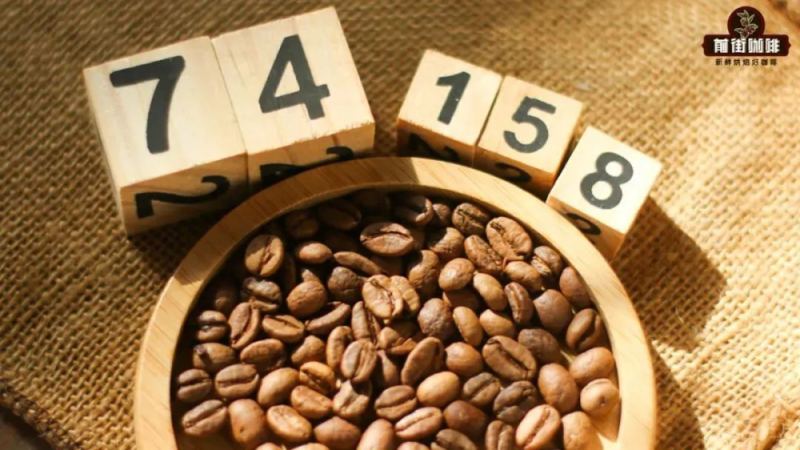
What do the coffee species name numbers 74158 and 74110 mean?
Numbers such as 74158 and 74110 are Ethiopian coffee varieties bred for disease resistance and flavor, not random lot codes. After coffee berry disease broke out in the 1970s, the Jimma Agricultural Research Center ran a systematic selection program, screening hundreds of samples to find plants that could survive the disease while still tasting good in the cup.
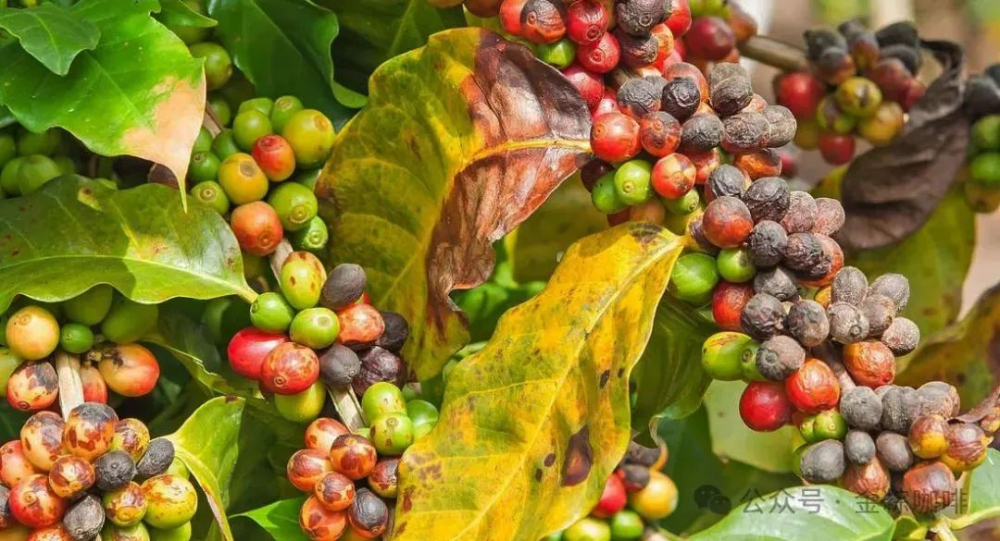
Coffee berry disease turns cherries gray-black and kills them on the branch, cutting yields by about 20 percent and up to 70 to 80 percent in bad cases, with Harrar and Yirgacheffe hit hard. Because Ethiopia holds tens of thousands of wild varieties that are hard to classify, exports were long grouped as Heirloom; the numbered varieties now name specific selections, and their performance in COE competitions has raised their profile.
When selecting Ethiopian coffee, in addition to the commonly seen Heirloom native variety designation, more and more numbered varieties have entered the public eye in recent years, such as 74158 and 74110. What exactly do these numbers represent? They are closely related to a period of disease-resistant breeding history in the Ethiopian coffee industry. In the 1970s, coffee berry disease ravaged Ethiopian producing regions, prompting the Jimma Agricultural Research Center to launch a systematic selection and breeding program, screening hundreds of samples to identify several varieties that combined disease resistance with excellent flavor. This article will outline the origins of these numbered varieties, their classification logic, the flavor characteristics of the main representatives, and their performance in COE competitions, as well as introduce related products brought in by Front Street Coffee.
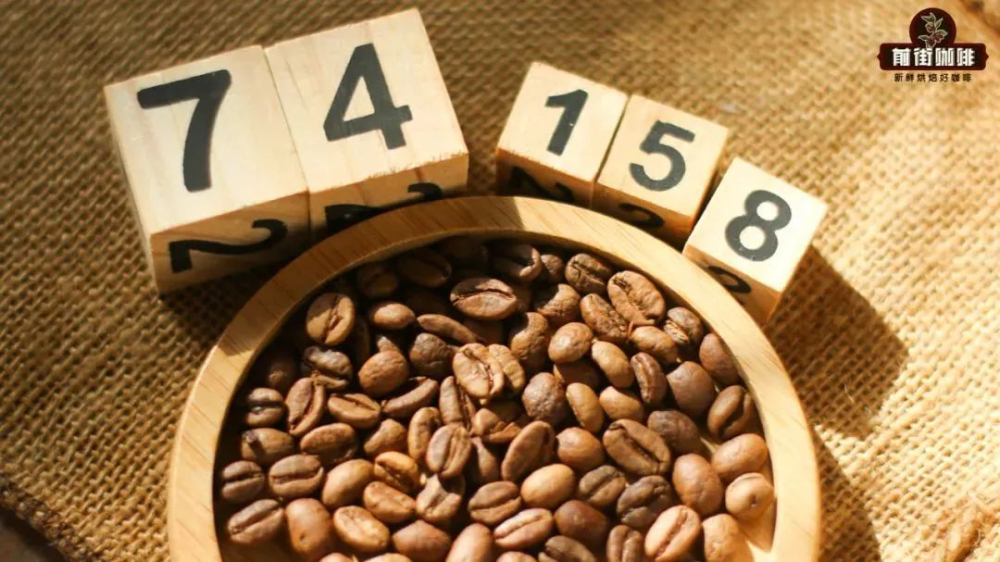
Consumers who frequently buy coffee beans usually pay attention to the variety information labeled on the bag, because variety is one of the key factors determining flavor direction, alongside origin and processing method. In the variety column of Ethiopian coffee, the word "Heirloom" appears most often, but in recent years, Ethiopia has begun listing variety names composed of numbers, such as "74158" and "74110." What exactly do these numbers refer to?
As everyone knows, Ethiopia is recognized as the birthplace of coffee, and tens of thousands of naturally occurring coffee varieties grow within the country. However, because the types are so numerous and complex, identification and classification are extremely difficult, so many coffee beans exported from Ethiopia are broadly grouped under "Heirloom," often referred to in Chinese as "native species."
However, in 1970, coffee berry disease (CBD) broke out in multiple coffee-producing regions of Ethiopia. Coffee cherries infected with this disease gradually turn from green to gray-black, and eventually die on the branch. Under normal circumstances, infected coffee trees lose about 20% of their yield, and in severe cases the loss can reach 70% to 80%. This disease caused enormous damage and economic losses to Ethiopia's coffee industry at the time, with the two important producing regions of Harrar and Yirgacheffe suffering especially badly.
Earlier, growers had tried to prevent and control the disease with chemical fungicides. Although there was some short-term effect, in the long run spraying pesticides could only alleviate the surface problem. Therefore, Ethiopia's Jimma Agricultural Research Center (JARC) hoped to tackle the root cause by seeking varieties carrying highly disease-resistant genes to solve the problem completely.
In 1973, JARC selected 19 locations in southwestern Ethiopia for collection. Over two years, researchers obtained a total of 639 seed samples, then carried out scientific identification and cultivation trials, ultimately screening out 13 coffee varieties that were resistant to CBD and also possessed drought tolerance, high yield, and good flavor.
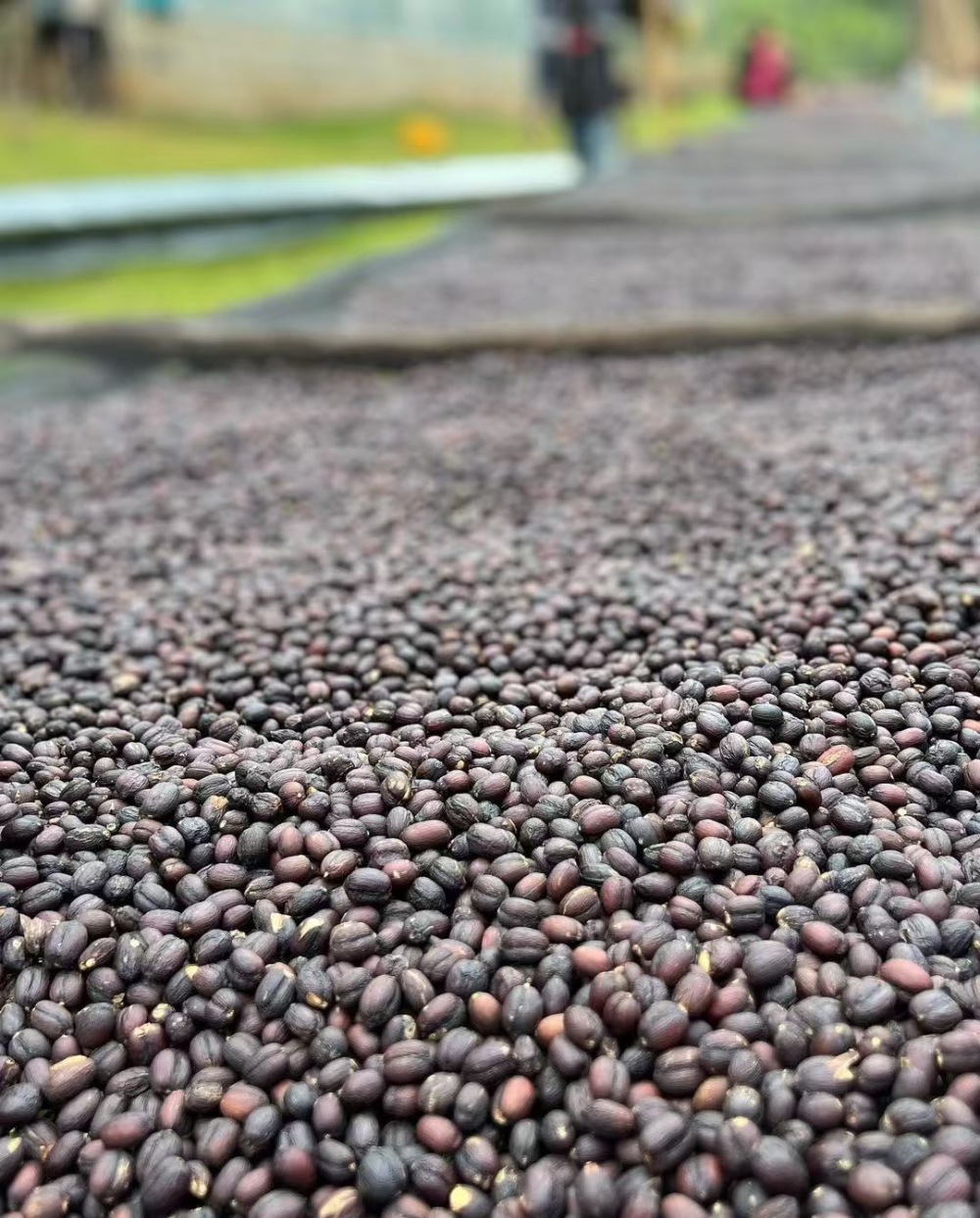
Afterward, JARC included these improved and cultivated coffee varieties resistant to CBD in the "1974/1975 CBD-Resistant Selections" catalog. The numbered varieties commonly seen today, such as 74110 and 74158, are members of the 13 CBD-resistant varieties in that catalog. The first two digits of the number, "74" and "75," represent the year of discovery, while the last three digits are the serial number of the experimental sample from that year. For example, "74158" refers to variety No. 158 discovered in 1974.
At present, the three most well-known and common varieties are 74110, 74158, and 74112. Among them, 74110 and 74112 are mainly grown in the Sidama and Guji regions, exhibiting citrus-like acidity and light floral aromas. Both are dwarf trees with small beans and can be produced in large quantities, so they are widely planted. 74158 is mainly distributed in areas such as Jimma and Illubabor in southwestern Ethiopia. Its coffee beans are generally small, uniform, and round, with a soft berry note in flavor and a pronounced spice finish.
The reason these varieties have become famous is largely related to various coffee competitions, especially the 2020 and 2021 Ethiopian Cup of Excellence (COE) competitions. The winning varieties became popular in the international coffee market almost overnight and fetched relatively high prices at auction. With the development of the specialty coffee industry, market interest in rare or exclusive coffee varieties has grown increasingly strong, and Ethiopia's local subdivided varieties have become more and more diverse, so many coffee farmers have begun planting these numbered varieties.
In the 2024 Ethiopian COE competition, a total of 500 coffees participated, and ultimately 27 coffees scoring above 87 points were selected. All 27 were numbered varieties. The champion variety, 74158, even fetched a high price of 445 USD/lb, which is enough to show how popular numbered varieties currently are in Ethiopia.
FrontStreet Coffee has also introduced Santa Vini 74158 coffee beans from Ethiopia's Sidama region, using a 96-hour anaerobic natural process. After brewing, fermented wine aromas can be smelled, the acidity is soft on entry, with tropical fruit flavors such as pineapple and citrus, a full and rich mouthfeel, and a sweet aftertaste accompanied by red wine aromas.
The above content is compiled by CoffeeHunters, a coffee news website.


