







What Do Variety Codes Like 74158 Mean in Coffee Production?
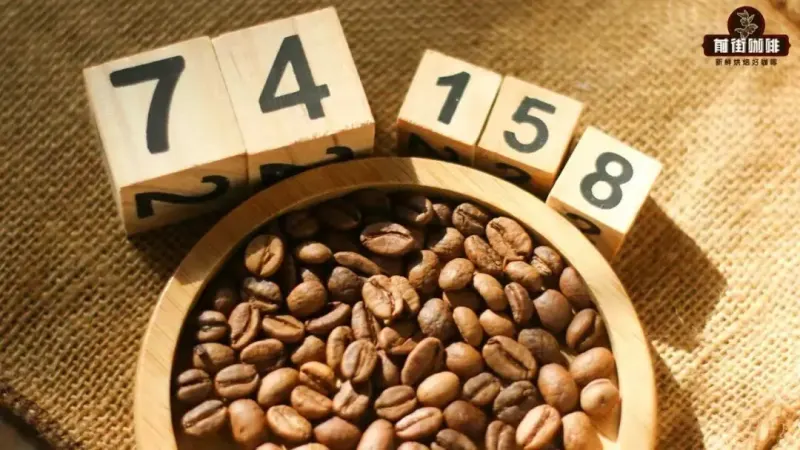
Ethiopian numerical coffee varieties such as 74158, 74110, and 74112 are selections bred by the Jimma Agricultural Research Center (JARC), and they now appear widely in coffee production across Ethiopia. In each code, the first two digits mark the collection year and the last three identify the specific sample. Selected for disease resistance after outbreaks sharply cut yields in the 1970s, they have become sought-after planting targets for growers and show up on major green bean competition lists.
JARC began its collection work in 1973 and gathered 639 samples in total, with 74158 now standing out for its exposure. Two Front Street coffees, Ethiopia ALO and Ethiopia Hamasho, both use this variety: ALO shows citrus acidity, floral notes, and a tea-like body, while Hamasho brings berry sweetness, stone fruit, and a smooth finish, profiles shaped by terroir and Ethiopian coffee processing methods.
In recent years, a group of numerically named varieties has been making frequent appearances among Ethiopian coffees. Coded beans such as 74158, 74110, and 74112 not only show up on major green bean competition lists but have also become sought-after planting targets for many coffee farmers and brands. What exactly do these numbers represent? Why do they excel in both flavor and yield? This article will start with the history of JARC's variety breeding, sort out the origins and advantages of these coded beans, and focus on two standout 74158s from the Front Street coffee list—Front Street Ethiopia ALO and Front Street Ethiopia Hamashu—to help you understand their respective flavor characteristics and origin backgrounds.
Indeed, these seemingly coded numbers are actually the names of coffee varieties. Nowadays, more and more growers are beginning to cultivate such varieties, with 74158 standing out in particular for its exposure rate. People can't help but wonder: what exactly makes them good? Is it ease of cultivation, considerable yield, or outstanding flavor? What kind of advantages must they possess to make so many people choose to plant these numerically coded beans...
To find the answer, we might first trace back: why are these varieties named with a string of "numeric codes"? How did these numerically coded beans come about? In fact, whether in terms of the background of their creation or the logic of their naming, these "Ethiopian coded beans" are quite similar to other varieties named by number—they are all products of research forced to be carried out after coffee diseases hit production areas, in search of disease-resistant varieties. In the 1970s, coffee diseases spread on a large scale in Ethiopia, causing local coffee production to plummet sharply, and many coffee farmers' livelihoods were cut off as a result. This situation prompted the government to launch a replanting program, hoping to alleviate the impact of diseases on crops at the root by switching to varieties carrying disease-resistant genes.

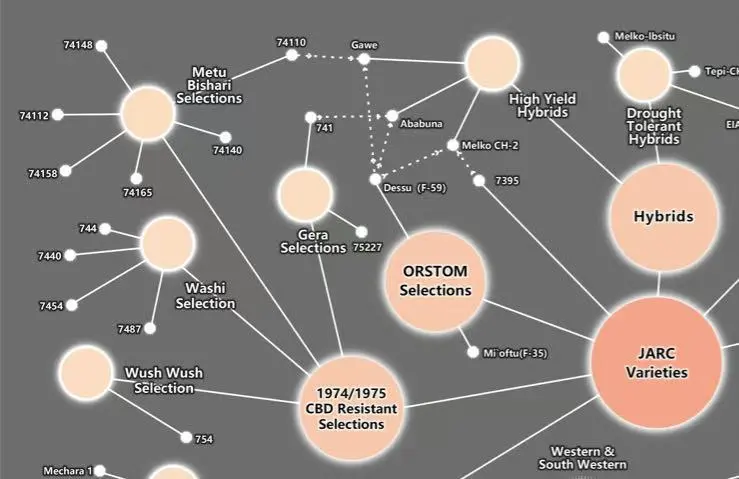
Thus, starting in 1973, the Jimma Agricultural Research Center (JARC) in Ethiopia began collecting samples for research. Within two years, they collected a total of 639 variety samples, and ultimately 13 varieties successfully stood out. 74110, 74158, and others were among them. Here, "74" represents the collection year, and the following three digits are their respective numbers. Besides those starting with 74, there are also varieties starting with 75. Following the pattern mentioned above by Front Street, one can infer that they were varieties collected in 1975.
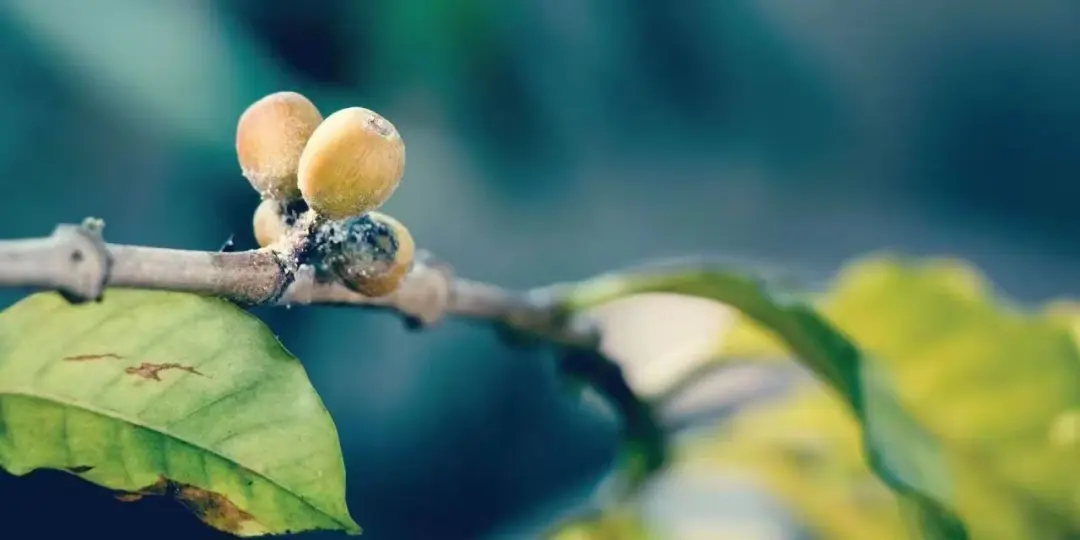
In addition to outstanding disease resistance, most varieties in this series also possess high-yield characteristics. For example, 74110 or 74158 have small, compact tree shapes and relatively short plant spacing, so their yields are often higher than most other varieties. Moreover, the flavor performance of this series is also quite excellent. On Ethiopia's green bean competition lists, we have repeatedly seen numerically named varieties occupy all the spots. Especially 74158, with its small, round, and plump bean shape, has won championships many times and has even swept the top few places on the list multiple times! This shows just how outstanding the flavor of these numerically named varieties is.
With excellent flavor, plus the advantages of easy cultivation and high yield mentioned earlier by Front Street, these varieties quickly became the main planting choice for many Ethiopian coffee farmers and brands once released. That is why in recent years you can frequently see these numerically named varieties. It must be said that the flavor of this series is truly outstanding, especially when grown under Ethiopia's terroir, which is most suitable for nurturing coffee—it can be called a king bomb combination. For example, the Front Street coffee list includes two 74158s that, because their flavor explodes like perfume, have frequently appeared on popular lists in recent years. They are Front Street Ethiopia ALO 74158 and Front Street Ethiopia Hamashu 74158. Front Street Ethiopia ALO is a product produced by Alo Coffee PLC—a coffee trading company from Ethiopia. The bean variety is 74158, and the growing region is Bensa. Excellent terroir and strict management practices have allowed this bean to develop extremely outstanding flavor! In addition to classic Ethiopian flavors such as citrus and berries, we can also taste pineapple, mango, and a delicate magnolia fragrance! Front Street Coffee: Ethiopia Sidamo Alo Hatessa Natural Coffee Beans Country: Ethiopia Region: Sidamo · Bensa Alo Hatessa Altitude: 2180–2280 meters Variety: 74158 Grade: G1 Processing Method: Natural
Flavor: magnolia, passion fruit, pineapple, mango, fermented notes
Front Street Ethiopia Hamashu is a bean newly added not long ago. Like ALO, it is also produced in the Bensa region, and its variety is also 74158, but its flavor presentation differs somewhat from ALO! Hamashu's flavor is relatively lighter and fresher, presenting high-sweetness flavors such as strawberry, guava, green grape, and sweet orange, accompanied by a delicate floral aroma and a honey-like texture, with very rich layers~ Ethiopia · Hamashu Processing Station Natural Process 74158 Region: Ethiopia · Bensa Region Processing Station: Hamashu Processing Station Altitude: 1920~2020 meters Processing Method: Natural Process Variety: 74158
Flavor: strawberry, floral, guava, sweet orange, honey, green grape
- END -
The above content is compiled by CoffeeHunters, a coffee news website.


