







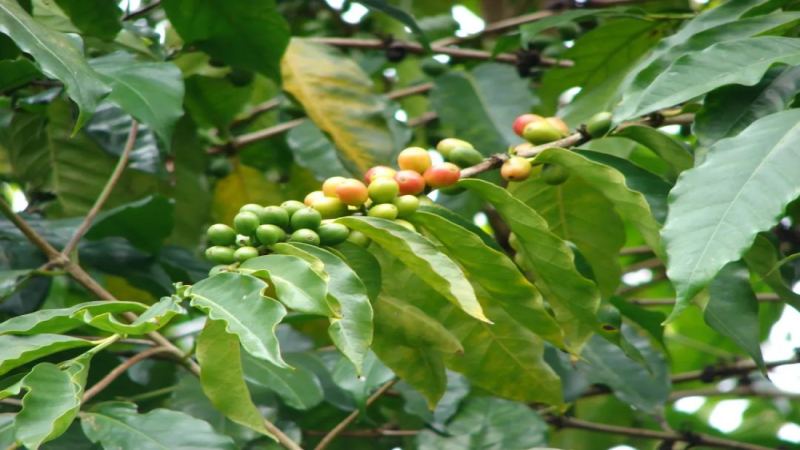
Where Do Arabica Coffee Beans Come From in Ethiopia?
Ethiopia is the birthplace of coffee and Africa's largest Arabica grower, home to more than 10,000 varieties. The Sidamo region, with high altitude, fertile volcanic soil and ample rainfall, produces the 74158 variety processed at the Santa Vini plant using a 96-hour anaerobic natural method, giving tropical fruit notes like pineapple and citrus with a full body.
The word coffee comes from the Kaffa forests in southwestern Ethiopia. The country sits on the East African Plateau, where highlands cover two-thirds of the land and elevations near 3,000 meters create average temperatures around 16°C. Volcanic ash enriches the soil. Front Street brews the bean with a V60 at a 1:15 ratio and 92°C water.
Ethiopia, as the birthplace of coffee, boasts a rich variety of native species and unique natural conditions. The Sidamo region, with its high altitude, fertile volcanic soil, and abundant rainfall, has become synonymous with high-quality coffee. The Santa Vini processing plant, a high-altitude facility under DWD Company, processes the 74158 variety using a 96-hour anaerobic natural method, presenting tropical fruit flavors like pineapple and citrus along with a full body. Front Street Coffee selects this bean and brews it with a V60, a 1:15 coffee-to-water ratio, and 92°C water temperature, bringing out fermented wine aromas and a red wine-like sweet finish, making it a bean worth savoring for coffee enthusiasts.
The African continent is home to numerous coffee-producing countries, among which lies an ancient nation with a 3,000-year history of civilization and an internationally recognized birthplace of coffee—Ethiopia. The word "coffee" itself originates from the Kaffa forests in the country's southwest. To this day, Ethiopia remains a pivotal coffee producer, not only as Africa's largest grower of Arabica but also as the custodian of over 10,000 coffee varieties.
Ethiopia
Ethiopia is situated in the heart of the Horn of Africa, located on the East African Plateau southwest of the Red Sea, and is a landlocked country. Its neighbors include Djibouti, Somalia, Sudan, South Sudan, Kenya, and Eritrea. The terrain is dominated by mountains and highlands, with the Ethiopian Highlands covering two-thirds of the country, and the East African Rift Valley running north to south. The average elevation is nearly 3,000 meters, earning it the nickname "Roof of Africa."
Thanks to its high elevation, Ethiopia has an average annual temperature of about 16°C, divided into dry and rainy seasons. The country is rich in freshwater resources and is home to nearly 50 volcanoes. Volcanic ash makes the soil exceptionally fertile, and combined with the suitable climate of the highland areas, this creates ideal natural conditions for coffee cultivation.
Sidamo Region
Ethiopia is home to several renowned coffee regions, such as Sidamo, Jima, Harrar, Guji, and Yirgacheffe. Front Street Coffee offers a washed Front Street Yirgacheffe coffee bean, a standout entry-level choice, featuring jasmine floral notes, orange and berry fruit flavors, citric acidity, and a smooth mouthfeel.
After 1995, Ethiopia implemented a federal system, and to respect the cultures of various ethnic groups, the government redivided administrative regions based on major ethnic settlements and languages. Sidama was thus incorporated into the new Southern Nations, Nationalities, and Peoples' Region, and the area restored its historical name: Sidama. However, to highlight the uniqueness of its coffee, the government applied for patents on three region names in 2004, registering Sidama coffee under the old name Sidamo®. To this day, domestic consumers still habitually refer to coffee from this area as "Sidamo." The Sidamo region spans the fertile highlands south of Lake Awasa in the East African Rift Valley, with elevations between 1,400 and 2,200 meters and annual rainfall of 1,200 to 2,000 millimeters. The high altitude, ample rainfall, pleasant climate, and fertile geology together create an ideal environment for coffee cultivation.
Santa Vini Processing Plant
Within the Sidamo region are numerous coffee processing plants. DWD Company is a well-known local enterprise operating 17 processing plants, making it the company with the most processing plants in Sidamo. Its portfolio includes the Gausi and Santa Vini processing plants. The Santa Vini processing plant, about a 40-minute drive from the town of Santa Vini, is one of DWD's high-altitude processing facilities. The climate in this area is relatively dry with lower average temperatures, so processing coffee cherries takes longer.
Numerical Varieties
In Ethiopia, due to the vast number and difficulty in distinguishing coffee varieties, they are generally referred to as native species or heirloom (Heirloom). In recent years, some numerical varieties have gradually emerged, commonly including 74110, 74112, and 74158. These varieties were released by the Jimma Agricultural Research Center (JARC), one of Ethiopia's federal agricultural research centers, aimed at developing resistance to pests and diseases and increasing yields . Between 1973 and 1975, JARC identified and conducted planting experiments on 639 different coffee varieties across 15 regions. Among these samples, 13 beans stood out for their high yield, disease resistance, drought tolerance, and good flavor, so JARC classified them as "1974/1975 CBD-Resistant Selections," known as the numerical series. Common ones include 74110 and 74158, where the first two digits 74/75 represent the year of discovery, and the following numbers are the variety codes.
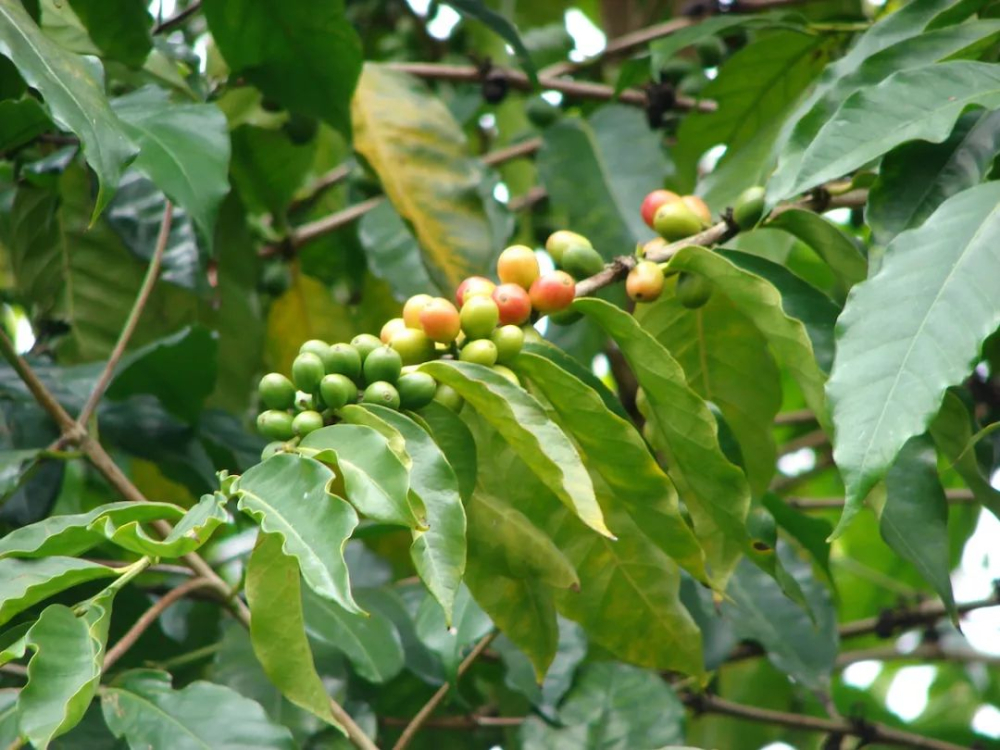
This Front Street Ethiopia Santa Vini coffee bean, sourced by Front Street, is processed using a 96 -hour anaerobic natural method and lightly roasted. Front Street uses a V60 with a 1:15 ratio and 92°C for brewing. After brewing, you'll notice fermented wine aromas, a soft acidity on the palate, tropical fruit flavors like pineapple and citrus, a full and rich body, and a sweet finish with red wine notes.
The above content is compiled by CoffeeHunters, a coffee news website.


