





How Do Arabica Beans Differ From Robusta?
Arabica and Robusta are the two most common coffee species. Arabica accounts for roughly three-quarters of world production, grows well above 900 meters, has an oval bean with a curved center cut, and carries about 1.1 to 1.7 percent caffeine. Robusta is hardier and higher in caffeine, which is why it appears in many commercial blends.
The name Arabica misleads: the species originated in Ethiopia, not the Arabian Peninsula. Trade routes through Arabia spread it, and in 1753 Linnaeus named it Coffea arabica L. on the mistaken assumption of a Middle Eastern origin, a correction only confirmed in 2002. Classic varieties include Geisha, Typica and Bourbon.
The world of coffee is complex and diverse, with numerous varieties, but the two most common types are none other than Arabica and Robusta. The former is known for its elegant flavor and lower caffeine content, while the latter has secured a place in commercial blends thanks to its strong disease resistance and high caffeine content. This article will take you through the botanical classification, sort out the core differences between Arabica and Robusta, and provide an in-depth introduction to the historical origins and flavor characteristics of classic Arabica varieties such as Geisha, Typica, and Bourbon. Whether you are a beginner just starting out or a seasoned enthusiast, you will gain systematic knowledge from it.
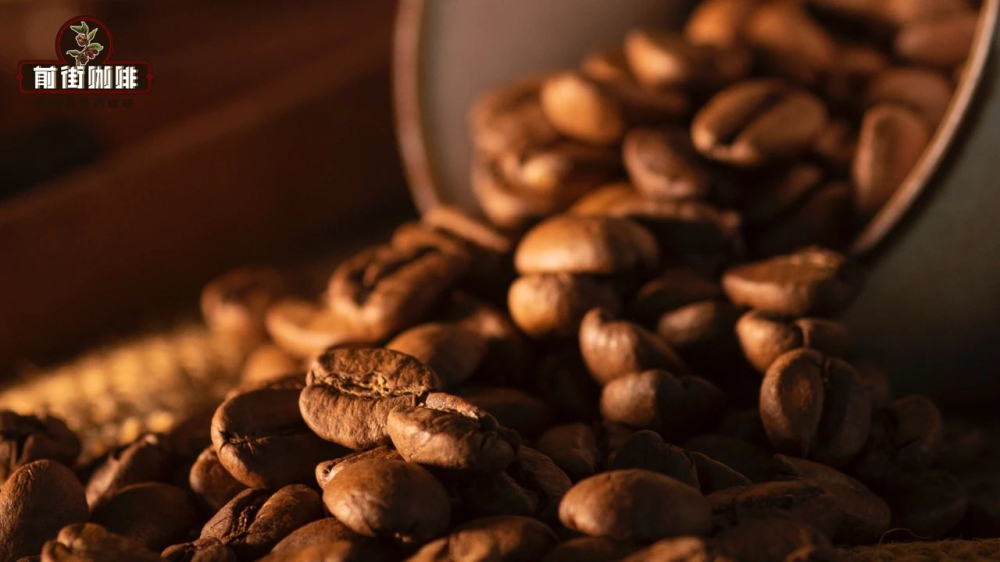
It is said that the first coffee tree discovered by humans grew in Ethiopia, Africa. Thereafter, with the footsteps of conquest and trade, coffee trees were continuously introduced to various parts of the world, and this small red fruit gradually became integrated into people's daily lives, with coffee culture flourishing globally.
1. Arabica (Coffee Arabica):
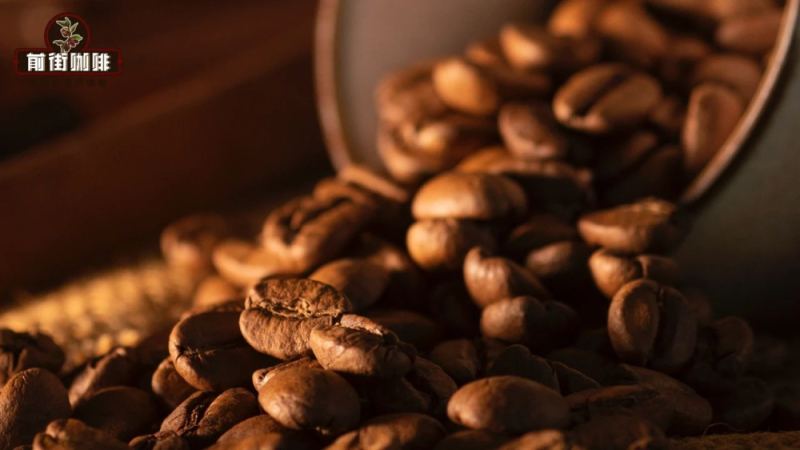
Arabica accounts for about three-quarters of the world's total coffee production and is of excellent quality. Because the coffee tree is extremely sensitive to temperature and humidity, this coffee is usually grown at high altitudes above 900 meters. The higher the altitude, the more the green coffee beans tend toward green or light green in color, with an oval shape and curved center cut. After roasting, Arabica beans have excellent quality and relatively low caffeine content (1.1%-1.7%), making them more suitable for daily drinking.
The name Arabica easily leads people to mistakenly believe that it originated in the Arabian Peninsula. In fact, its true place of origin is Ethiopia. The reason it is called "Arabica" is closely related to the geographical location of the Arabian Peninsula—this land connects Asia, Europe, and Africa, and before the Age of Discovery it was a hub of world cultural exchange. It is just like how ancient Indian numerals were introduced to Europe through the Arabs and, due to the limitations and lag in information transmission, eventually became known as "Arabic numerals."
In 1753, the botanist Linnaeus mistakenly thought this coffee came from the Middle East, and therefore gave it the scientific name Coffea arabica L. It was not until 2002 that a European-funded coffee genetics research project discovered that the genetic diversity of coffee in places such as Yemen was far inferior to that of Ethiopia, and only then was Arabica's true homeland found.
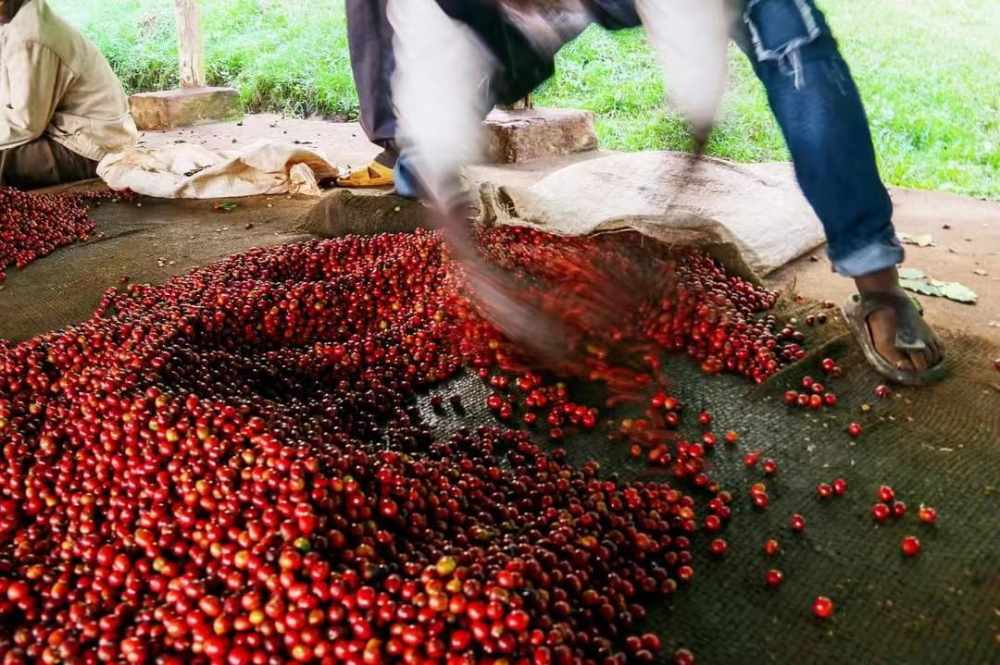
Arabica is the most traditional Arabian coffee variety, native to Ethiopia in East Africa. Before the 15th century, coffee was long monopolized by the Arab world, so Europeans called it "Arabian coffee." Initially, almost all commercial coffee in the world was Arabica. It was not until the end of the 19th century, when a large-scale disease outbreak occurred, that growers began to look for other disease-resistant varieties. Even so, Arabica remains the most important coffee variety to this day, accounting for about three-quarters of the world's total coffee production. It is mainly grown in Latin American countries, with some cultivation also in Indonesia and the Pacific islands. Brazil, currently the world's largest coffee-producing country, has geographical and climatic conditions very suitable for Arabica growth, and the mainstream variety planted there is also Coffea arabica. Brazil's coffee production accounts for more than one-third of the world's total output.
2. Robusta:
Robusta originated in the Congo region of West Africa. We often compare Arabica and Robusta together, but this approach is not actually rigorous, because the two are not at the same botanical level. Robusta actually belongs to the Canephora species, also known as the Congo species, just as Typica belongs to the Arabica species. However, among the Canephora species, only Robusta has achieved commercialization and become widely known, so much so that today Robusta has almost become synonymous with the Canephora species group.
The global coffee-growing belt lies between the Tropic of Cancer and the Tropic of Capricorn, and Robusta is no exception. But its growing conditions are not as demanding as Arabica's, and it can grow at lower altitudes and higher temperatures. Robusta grows faster than Arabica and is more tolerant of extreme weather. It is widely grown in countries such as Vietnam, Brazil, and India, and Robusta is also cultivated in Hainan, China.
In terms of insect resistance: Robusta's caffeine content is between 2.7% and 4%, about twice that of Arabica. As a natural insecticide for plants, caffeine helps it resist most insect damage.
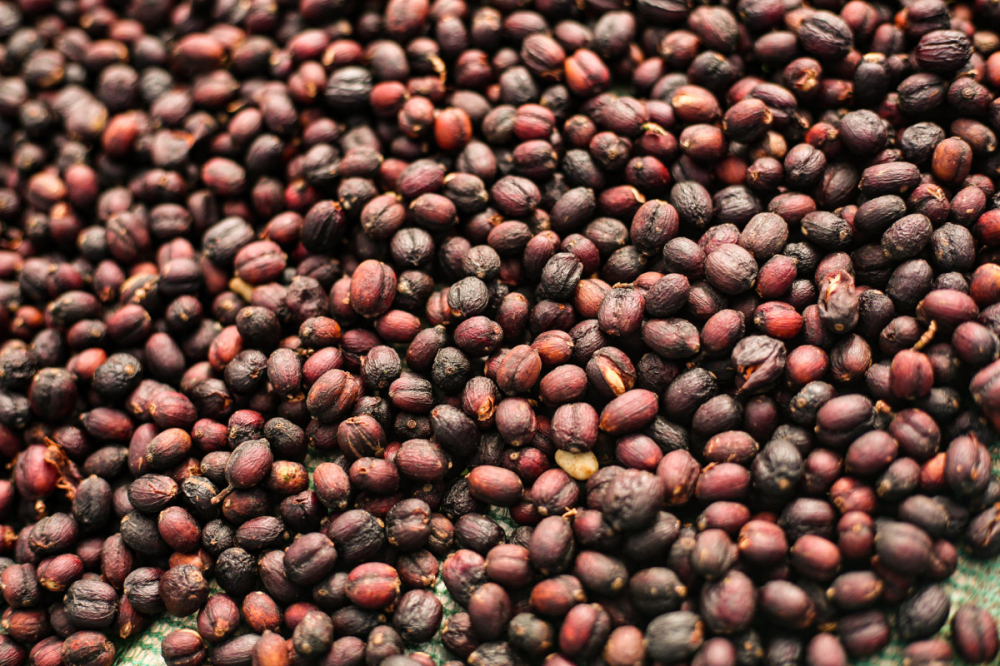
In terms of disease resistance: we know that Arabica has 44 chromosomes, while Robusta has only 22. Generally speaking, the more chromosomes, the higher the genetic complexity, making it appear more "advanced," but Arabica is self-pollinating, while Robusta is cross-pollinating. The method of pollination is directly related to genetic characteristics.
In addition, Arabica is a coffee species, and what we commonly call Typica, Bourbon, Geisha, and so on all belong to Arabica. Today Front Street will introduce a few important varieties in the Arabica family.
First, let's talk about the famous Panama Hacienda La Esmeralda Geisha. The Geisha variety was first discovered in 1931 in the Geisha forest of Ethiopia, and was subsequently sent to the Coffee Research Institute in Kenya, with Uganda and Tanzania also introducing it one after another. In 1953, Costa Rica introduced Geisha, and finally Panama introduced it from Costa Rica. This is the legendary journey of how Geisha entered Panama.
Geisha's path to fame was not smooth, so let Front Street explain it slowly. After Panama introduced Geisha, it was not planted on a large scale, but instead used as a windbreak for coffee farms. At this point, Front Street cannot help but sigh—using Geisha as a windbreak is truly too luxurious. Today's Red Label Geisha can only be obtained through bidding. Later, the owner of Hacienda La Esmeralda discovered that the flavor of these coffee trees serving as a windbreak was even more outstanding than that of other coffee trees. So the owner took Geisha to compete in the Panama green coffee bean competition and won first place in one fell swoop.
Front Street has also recently listed several Geisha coffees. Through cupping comparison of Front Street Hacienda La Esmeralda Washed Green Label Geisha and Front Street Hacienda La Esmeralda Natural Green Label Geisha, Front Street found that the washed Green Label has a more prominent acidity, with a lemony and citrus-like mouthfeel, forming a sharp contrast with the naturally processed Green Label; while the Front Street Natural Green Label has more obvious sweetness, somewhat similar to passion fruit flavor. These two experiments also fully demonstrate that washed coffee beans have a cleaner taste, while naturally processed coffee beans are superior in sweetness and aroma.
After discussing the highly popular Geisha, Front Street will now introduce the world's oldest varieties, Typica and Bourbon. Among the coffee bean list offered by Front Street, quite a few are Typica varieties, such as Front Street Jamaica Blue Mountain Coffee, Front Street Indonesia Mandheling, and Front Street 2013 Typica. Typica is grown very widely around the world. The Dutch once planted Typica on the island of Java in Indonesia, and later the French brought it to the Caribbean, and then it spread to Central and South America. Because Typica has extremely low yield and is susceptible to leaf rust, most regions do not plant it alone.
Typica coffee has an excellent taste and relatively high sweetness. Affected by factors such as local weather, terrain, and climate, even the same variety can produce different flavors. Just like Front Street Indonesia Mandheling coffee, which is famous for its wild herbal and medicinal notes. In addition, because Indonesia is hot and rainy, in order to shorten the sun-drying time and improve economic efficiency, the local area adopted the unique wet-hulling method to process the coffee fruit, making Mandheling's flavor and body very high, with a rich herbal and medicinal taste on the palate and a hint of sweetness in the aftertaste. However, most of the coffee varieties currently grown in Sumatra are Catimor, because Catimor has higher yield and stronger disease resistance than Typica.
The Typica grown in the Blue Mountains of Jamaica, however, does not have as high a body as Indonesian coffee. Take Front Street Jamaica Blue Mountain No. 1 coffee, which is listed by Front Street, as an example. This Front Street Blue Mountain Typica has a very balanced taste, with acidity and sweetness blended just right. To call it one of the best coffees in the world is not an exaggeration at all.
Affected by environmental factors, Typica's genes can also change, and Bourbon is a variant of Typica. Bourbon has a higher yield than Typica, but requires shade trees. Because the young leaves at the top are green, Bourbon is also called green-tipped coffee. Its name comes from the original Bourbon Island, now known as Réunion Island. The French exported this coffee overseas. Bourbon coffee cherries are short and small, and the pulp density is higher than that of ordinary coffee cherries, so the sweetness is also higher and the acidity is bright.
As one of the world's largest coffee exporters, Brazil grows many Bourbon varieties, such as Caturra and Pacas, which are variants of Bourbon. Bourbon usually refers to Red Bourbon. After brewing, Brazil Bourbon has classic nutty and chocolate notes, accompanied by rich peanut and creamy flavors. The coffee flavor of Front Street Brazil Red Bourbon has this unique Brazilian characteristic.
In addition to Red Bourbon, Brazil has also discovered the Yellow Bourbon variety, which mainly grows in high-altitude environments. After natural processing, Yellow Bourbon carries Bourbon's own nutty flavor, with balanced acidity and a slight bitterness. The Front Street Brazil Queen's Farm Yellow Bourbon coffee listed by Front Street perfectly interprets the flavor of Yellow Bourbon: obvious sucrose sweetness, accompanied by a light lemon aroma, containing rich nutty flavor, with an obvious dark chocolate note in the finish and an overall mellow body.
According to Front Street's understanding, Kenya's two main varieties, SL-28 and SL-34, were researched and cultivated by Scott Laboratories, among which SL-28 originated from the Bourbon variety and SL-34 from Typica. Front Street Kenya coffee beans have a rich berry-like acidic aroma, obvious acidity, and a fermented wine aroma, completely different from the lemon-citrus acidity of Front Street Ethiopia Yirgacheffe, which is also an African bean.
The above is only a small part of coffee varieties. With the development of technology, there are more and more coffee varieties. Through continuous hybridization, yields continue to increase and disease resistance continues to strengthen. Front Street believes that with the development of society, coffee flavors will also continue to become richer.
For more specialty coffee beans, please add the private WeChat of Front Street Coffee (FrontStreet Coffee), WeChat ID: kaixinguoguo0925
The above content is compiled by CoffeeHunters, a coffee news website.


