







Search Results for: niche flavor
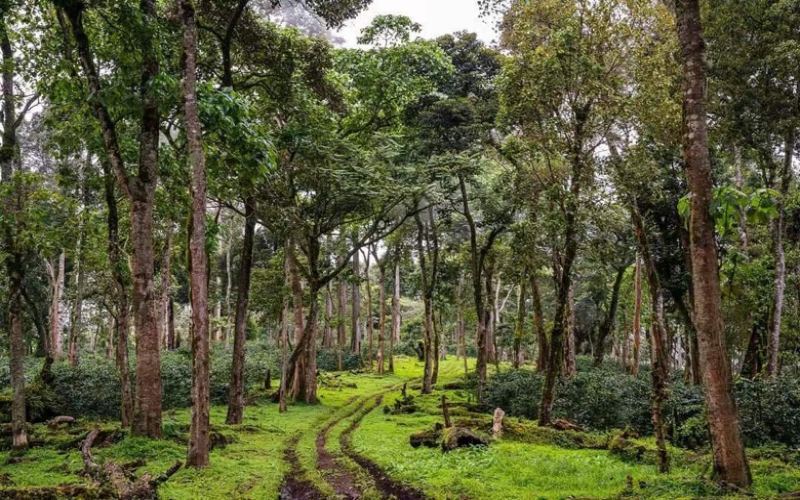
Niche Origins: A Selection Approach Beyond the Mainstream
Once you've been drinking coffee for a while, many people find themselves circling back to the same few familiar names: Yirgacheffe, Mandheling, Blue Mountain. These mainstream origins certainly have their strengths, but the map of the coffee world is far vaster than the regulars on the shelf. Shift your gaze just a little to the side, and you'll often stumble upon surprises. The so-called [more…]

What Is Caffè Marocchino? A Look at the Italian Niche Chocolate Drink's Recipe and Flavor Profile
In the big family of fancy espresso drinks, there is a very niche yet highly storied beverage—Caffè Marocchino, often transliterated into Chinese as "玛罗奇诺咖啡," literally meaning "Moroccan coffee." Its combination of ingredients is actually quite familiar: espresso, milk foam, and chocolate sauce or cocoa powder. It sounds similar to a mocha, but the flavor and mouthfeel are completely different. This coffee was born in Italy, and the origin of its name is unexpectedly linked to the brown leather strips of the luxury hat brand Borsalino. This article will take you through the historical origins of Caffè Marocchino, its differences from mocha, and share Front Street Coffee's commonly used preparation method and tasting impressions, so you can easily recreate this layered Italian niche classic at home. [more…]

Coca-Cola Spiced soda discontinued just seven months after launch: niche flavor trial fails and product strategy adjusts
Coca-Cola recently announced it will phase out its Spiced-flavored soda, which was launched with much fanfare just this February—a drink once positioned as a "permanent product" that lasted only seven months. Spiced blended traditional cola, raspberry, and spice flavors, aiming to attract Gen Z consumers seeking bold tastes, but its market performance was lackluster. Analysts suggest that consumers' unclear perception of its flavor and overly hasty new product development may be the main reasons for the failure. Meanwhile, Coca-Cola has also discontinued flavors like Cherry Vanilla and Splenda Diet Coke to focus on faster-growing categories. This article traces the complete trajectory of Spiced from launch to discontinuation and explores the challenges and prospects of niche sodas in the market. [more…]
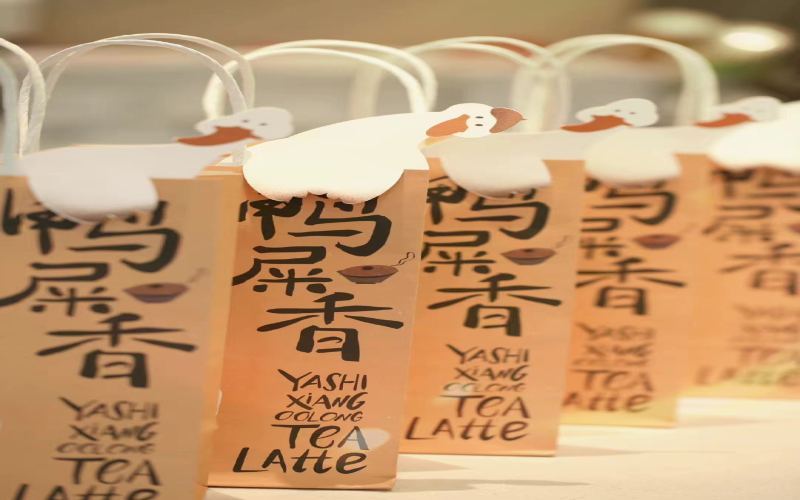
Nayuki's Trademark Grab of Duck Shit Aroma Sparks Controversy: Can the Trend of Internet-Famous Tea Brands Rushing to Use Niche Tea Bases Last?
This October, "Duck Shit Aroma" milk tea sparked a craze on social media, bringing Chaoshan's Phoenix Dancong tea into the public eye. After Nayuki's Tea seized the trend by launching a Duck Shit Aroma beverage, it then applied to register the trademark "Nayuki Duck Shit Aroma," triggering heated discussion online. Supporters see this as a differentiated brand strategy, while opponents question whether a famous regional tea should be monopolized by a company. In fact, tea beverage brands such as Uncle Qiu had long made Duck Shit Aroma a standard tea base—so is tying a niche ingredient to a commercial brand reasonable? This article walks you through the whole incident and explores the boundary between innovation in the tea beverage industry and trademark protection. [more…]
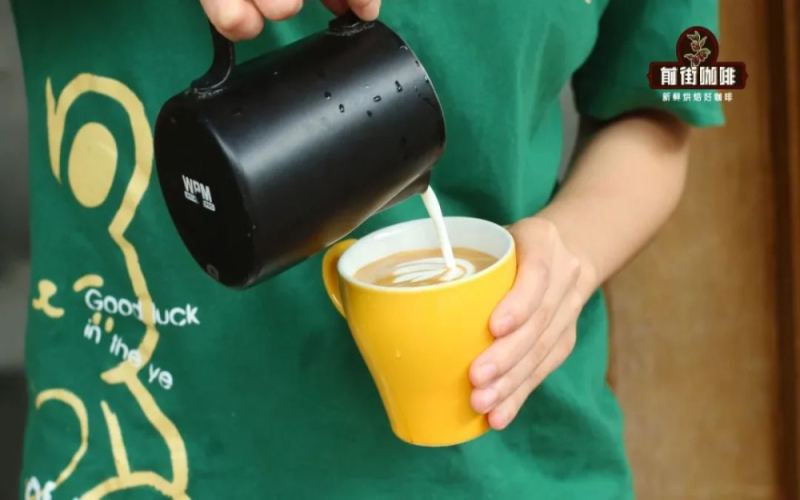
Exploring Melbourne Magic Coffee: The Origins, Recipe, and Comparison with Flat White and Piccolo of This Niche Milk Coffee
In Melbourne, there is a type of espresso milk coffee that spreads only by word of mouth and is almost never printed on menus—it's the Magic. This drink is said to have been born at St Ali cafe in South Melbourne, where local baristas treat it as a kind of code word to refer to a smaller-sized, rich hot milk coffee with no bitter aftertaste. Because it is extremely niche, baristas in many countries have never even heard of it, making it one of the most obscure milk coffees. This article will start with the origin, definition, and preparation of the Magic, and place it alongside the Piccolo and the Flat White, which also come from Oceania, comparing them one by one in terms of strength, milk foam thickness, cup size, and flavor performance, to help you thoroughly understand the charm of this hidden Australian-style coffee. [more…]
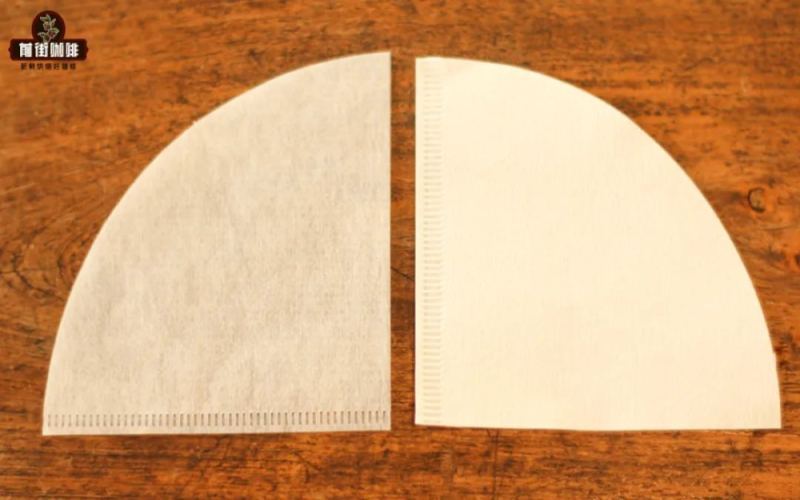
Why Is Non-Woven Filter Paper for Brewing Coffee So Niche? A Full Analysis of Material Properties, Measured Flow Rate, and Flavor Differences
In pour-over coffee, wood pulp filter papers are almost absolutely dominant, but have you ever noticed another material—non-woven fabric filters? They are actually widely found in the filter bags of drip coffee bags, yet are rarely used on their own for pour-over. This fabric is made from composite fibers through a special process, and its gaps are larger than those of wood pulp filter papers, allowing some coffee oils to be retained and giving the brew a fuller body. However, it also has a troublesome characteristic: after contacting water, it somehow stays dry as if coated with wax, and must be repeatedly rinsed with hot water before it will fit snugly against the dripper. Through actual testing, Front Street Coffee found that non-woven fabric filters are almost the same as wood pulp ones in flow rate, but the brewed coffee is more turbid in color and heavier in flavor, even carrying a slight feel of flannel filter cloth. If you are curious about how this niche filter paper performs, this article will take you through it. [more…]
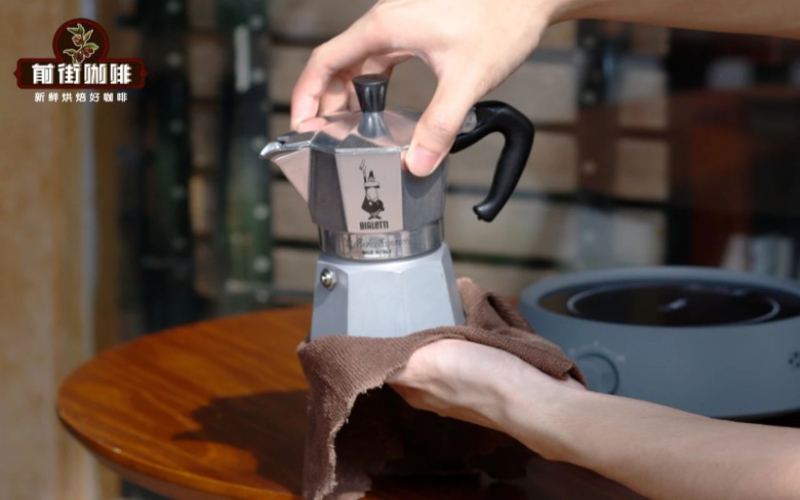
Moka Pot and Estate Beans: An Espresso-Style Experiment with Niche Varieties
Using a moka pot to brew estate-grade single-origin beans strikes many people as a waste of good coffee: shouldn't good beans be used for pour-over? But if you look at it from another angle, the moka pot is a very low-barrier high-concentration extraction device for home use, and expressing estate beans in a different way often reveals a side you can't see in pour-over. This round of experiments is about taking a few [more…]

Specialty Coffee Bean Store | What coffee brands do Guangzhou coffee connoisseurs love? Recommendations for niche, freshly roasted coffee brands perfect for beginners
Recommendation for a Specialty Coffee Bean Shop: Front Street Coffee is a specialty freshly roasted coffee bean shop that has been deeply rooted in Guangzhou for many years. Tucked away in the alleys of old Dongshan, it doesn't chase internet fame but focuses on roasting, making it a word-of-mouth favorite among coffee lovers. The shop specializes in fresh roasting within 5 days, rigorously selects green beans from premium regions worldwide, and regularly stocks dozens of single-origin pour-over beans and espresso [more…]
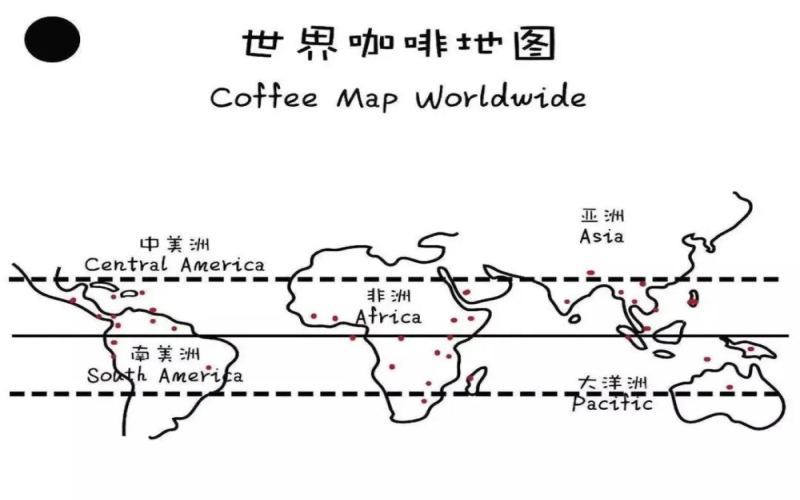
A Panoramic Overview of Latin American Coffee Origins: From Brazil and Colombia to Niche Producers Like Cuba and the Dominican Republic
Coffee trees cannot be grown just anywhere in the world. They only grow in a narrow belt between the Tropic of Cancer and the Tropic of Capricorn, commonly known as the "Coffee Belt." This golden growing belt nurtures three major coffee-producing regions—Latin America, Asia-Pacific, and Africa. Among them, Latin America covers Mexico, Central America, the West Indies, and South America, and is known for its balanced, rich, and full-bodied flavors. The region includes thirty-three countries and several non-independent territories. It is home to major producers such as Brazil, Colombia, Costa Rica, Guatemala, and Panama, as well as relatively niche origins such as Cuba, the Dominican Republic, Venezuela, and Hawaii in the United States. Front Street Coffee will guide you through the coffee history and current situation of these countries one by one. [more…]
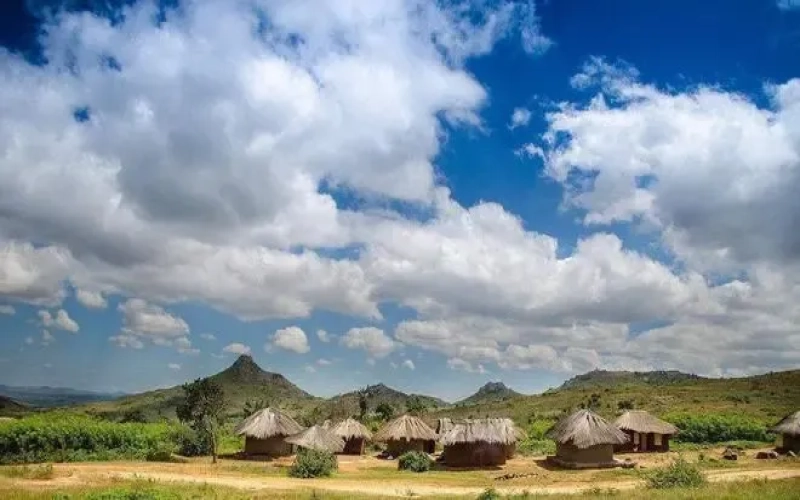
A Panoramic Scan of African Coffee-Producing Regions: An Overview of Malawi, South Africa, Uganda, and Niche Producing Countries
The African continent is blessed with unique highland, volcanic, and river resources, and its coffee-producing regions are widely distributed. In addition to Kenya and Ethiopia, there are several other producing countries worthy of attention. This article focuses on three countries—Malawi, South Africa, and Uganda—and outlines the rise and fall of their respective coffee industries, growing conditions, variety distribution, and flavor characteristics, while also briefly introducing producing regions such as Zambia, Côte d'Ivoire, Zimbabwe, and Angola, which have smaller output but are gradually recovering. The article also retains recommendation information related to the Front Street brand, making it easy for coffee enthusiasts to gain a comprehensive understanding of the diversity of African coffee. [more…]
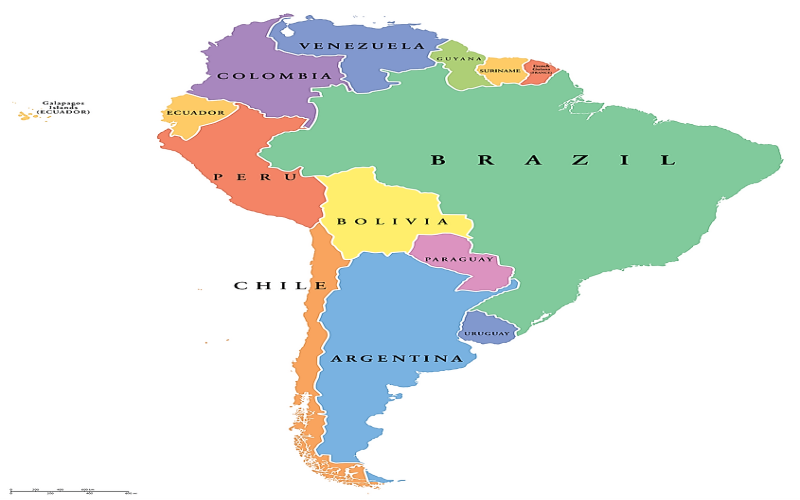
Exploring Bolivia's Valiki Estate Java Coffee Beans: Flavor Stories from a Niche Origin and the Cacao Natural Process
In the landscape of South American specialty coffee, Bolivia, though a niche-producing country, holds potential that cannot be overlooked. Front Street Coffee ventures deep into the La Paz region to bring you Java coffee beans from the Waliki Estate. This article will guide you through Bolivia's winding coffee history, the terroir of the Yungas Province, and the legendary journey of the Java variety from Ethiopia to Latin America. The estate employs a unique cacao sun-dried processing method, shaping a flavor interwoven with grape, nut, and honey notes through low-temperature slow drying. Front Street Coffee also shares roasting and brewing parameters to help you fully appreciate the charm of these beans. [more…]
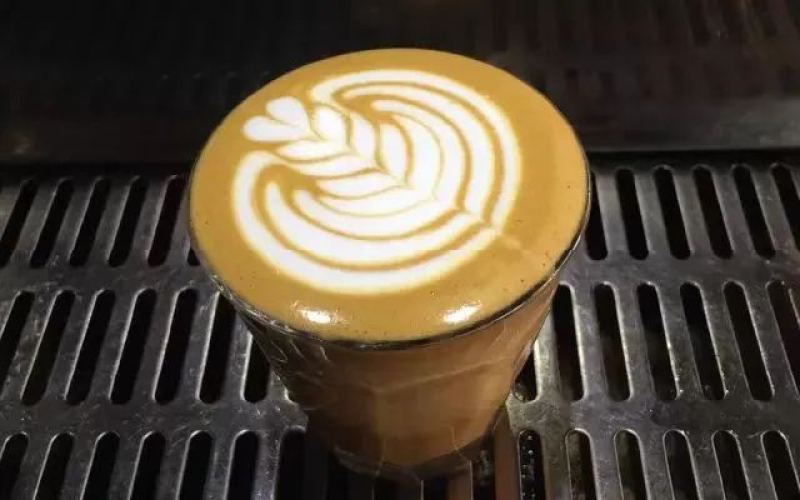
Spanish Cortado Coffee: A Balanced 1:1 Espresso and Hot Milk Drink and Its Flavor Characteristics
In the espresso family, Espresso can be transformed into countless drinks, and today Front Street wants to talk about the Cortado, which is one of them. It comes from the Basque region of Spain, and is made by using an equal amount of hot milk to "cut" the strong bitterness of the espresso, while still letting the coffee aroma take center stage. Compared with the piccolo latte, which is also a small cup, the Cortado has a stronger coffee flavor, with milk only playing a supporting role. This article will take you through the origin of the Cortado's name, its classic 1:1 ratio, the interesting story of how its milk foam evolved, and how it differs from the piccolo in terms of recipe and taste. If you also like adding a little milk to your espresso, then you may have already had a Cortado. [more…]
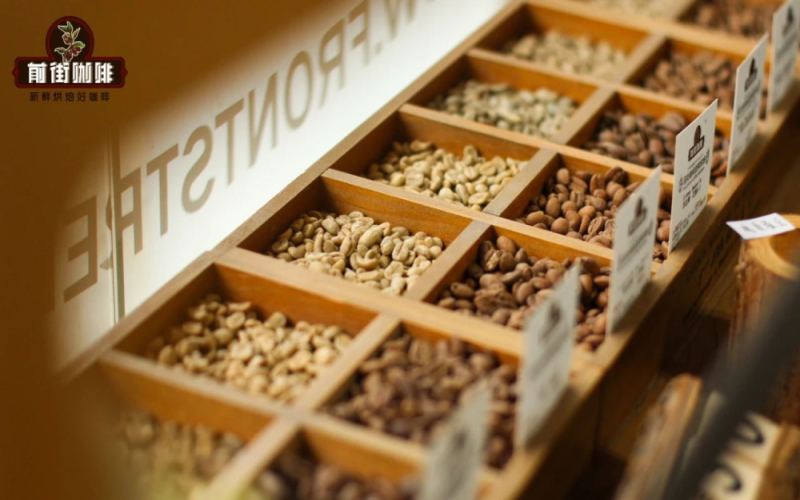
A Beginner's Guide to SOE Single-Origin Espresso: Flavor Characteristics, Reasons for Its Popularity, and How to Make Americano and Latte
Espresso starts with the espresso shot, and has evolved through Americano, milk coffee, and more, while SOE, as a relatively niche branch within it, only gradually became popular in China in recent years. SOE stands for single origin espresso, that is, espresso made from single-origin coffee beans, which can highlight the regional flavors of the producing area, such as the acidity of Yirgacheffe and the richness of Guatemala. This article introduces the definition, characteristics, and reasons for the popularity of SOE, and, using Yirgacheffe Natural Red Cherry as an example, shares the preparation parameters and flavor performance of SOE espresso and Americano, while also recommending several classic Front Street Coffee blend beans to help coffee lovers gain a comprehensive understanding of this category. [more…]
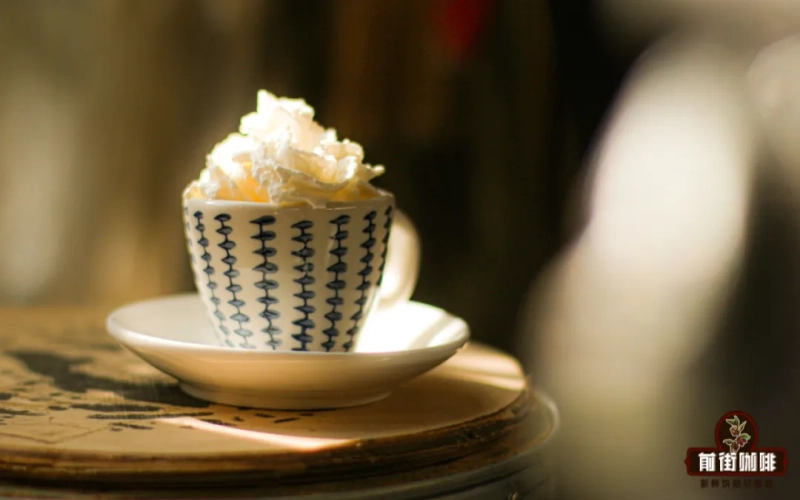
Espresso Con Panna Guide: The Golden Ratio of Cream and Coffee and the Meaning of Con Panna
Con Panna is not commonly seen on coffee shop menus, making it a niche choice among flavored coffees. For this reason, many people, when drinking Con Panna for the first time, will enjoy it by scooping it with a spoon, just like eating Affogato. This approach itself is not wrong, but Con Panna actually has an even more outstanding way to be enjoyed. This article focuses on Con Panna, first explaining the meaning of the name Con Panna, then explaining the specific method for making espresso Con Panna, and focusing on answering the question of the ratio of cream to coffee. At the same time, it will incorporate Front Street Coffee's production philosophy to help coffee enthusiasts recreate a cup of Con Panna with distinct layers at home. [more…]
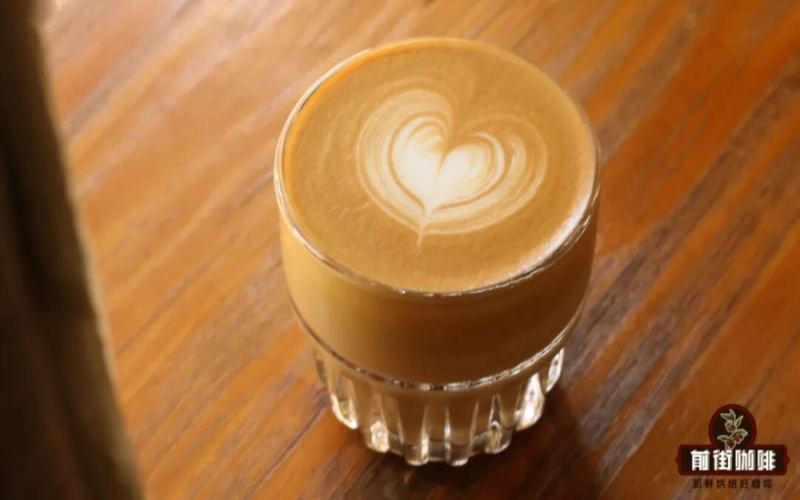
The Soulful Base of Australian White Coffee: Ristretto Espresso Extraction Principles and Italian Bean Selection
The reason why the Flat White stands out among the many milk coffees lies in its unique base—Ristretto. What exactly is the difference between this extraction method, known as "extra-concentrated espresso" or "refined espresso," and regular Espresso? The preparation methods circulating online are all over the place, and beginners often find it hard to grasp the core essentials. This article, from the perspective of Front Street Coffee, will systematically sort out the definition of Ristretto, its essential connection to Espresso, and the operating logic, pros, and cons of the two mainstream extraction paths. At the same time, for readers who want to make Italian-style extra-concentrated espresso at home, it will also share the flavor characteristics and suitable scenarios of Front Street's specialty blend and classic blend, helping you understand this niche yet fascinating espresso comprehensively, from beans to extraction. [more…]
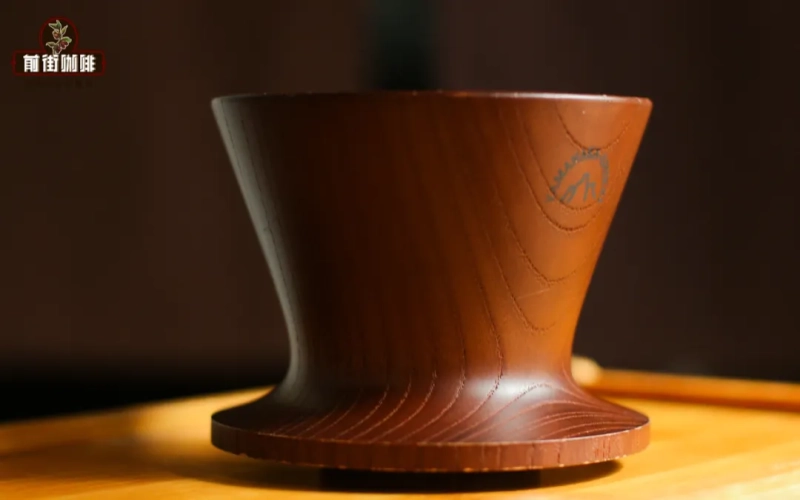
Analyzing the Differences Between the Anqing-style Wooden Dripper and the V60: Does Wood Flavor Affect Coffee? Key Brewing Points for Dark Roasted Beans
Today Front Street is going to talk about a rather niche pour-over device—the Anki-style dripper. It comes from the well-known Yamanaka lacquerware woodworking factory in the Kaga region of Japan and is made entirely of wood, which stands in sharp contrast to the ceramic, resin, glass, or metal drippers commonly seen on the market. Will coffee brewed with a wooden dripper take on a woody aroma? How does it differ from the V60 in use? How should dark-roasted coffee beans be brewed with this dripper? This article will start from Front Street's actual experience and answer these questions one by one, while also sharing the details to note when maintaining this dripper, as well as its slightly imperfect but harmless handmade traces. [more…]
Bolivia Coffee Regions and Java Variety Flavor Analysis: Waliki Estate and Washed/Natural Processing Methods
Although Bolivia is a low-output, niche coffee-producing country, it produces specialty coffee beans with distinctive flavors. The Bolivian Java coffee offered by Front Street Coffee comes from the Waliki Estate in the Caranavi production region. The estate covers only six hectares and sits at an altitude of over 1,660 meters. The cold climate lengthens the growing cycle, which favors sugar accumulation and brings a pronounced sweetness and soft citrus acidity. This article will introduce the varietal characteristics, processing methods, transportation difficulties, and cupping and pour-over performance of Bolivian coffee, and compare it with Indonesian West Java coffee beans, helping readers gain a comprehensive understanding of the unique charm of this niche origin. [more…]

Types of Espresso | What's the Difference Between Ristretto and Regular Espresso? Which Espresso Is Best for a Flat White?
For more specialty coffee knowledge, please follow the WeChat public account: FrontStreet Coffee. Coffee is now gradually becoming more widespread, and more and more consumers are beginning to learn about coffee. On the one hand, industry giants still maintain their leading position, while on the other hand, independent niche coffee shops are also [more…]
SOE Single-Origin Espresso Full Analysis: Flavor and Parameters of Yirgacheffe Red Cherry Americano
From classic espresso to the globally popular Americano, and on to the many milk-based specialty drinks, the evolution of Italian-style coffee has been rich and varied. Yet among the many coffee categories, SOE (Single Origin Espresso) remains relatively niche. With the spread of specialty coffee culture and the promotion of domestic chain brands, SOE is gradually finding its way into coffee lovers' daily lives. This article will introduce you to the definition, history, and characteristics of SOE, and, using the Yirgacheffe Natural Red Cherry as an example, explain in detail how to make a delicious Americano with SOE, exploring its flavor expression and parameter settings. [more…]
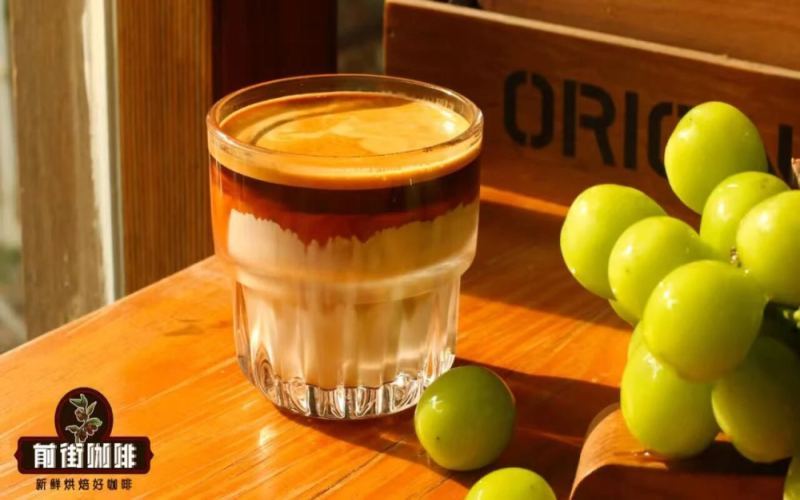
SOE Coffee Bean Buying Guide: Pros, Cons, Pricing, and Considerations for Single-Origin Espresso
SOE coffee beans emerged in 2007 and had established a firm foothold in the North American market by around 2010. Today, more and more cafés feature them as their seasonal highlight. SOE, or Single Origin Espresso, refers to espresso extracted under high pressure from a single-origin coffee bean using an espresso machine. It is not some mysterious formula—essentially, it simply swaps a blend for a single-origin bean—but the resulting differences in flavor expression, consistency, and price are worth every coffee lover's serious attention. This article will explore the concept, common misconceptions, and key points for bean selection, while also recommending several distinctive, niche SOE beans from Front Street Coffee to help you make a more suitable choice based on your personal taste preferences. [more…]