







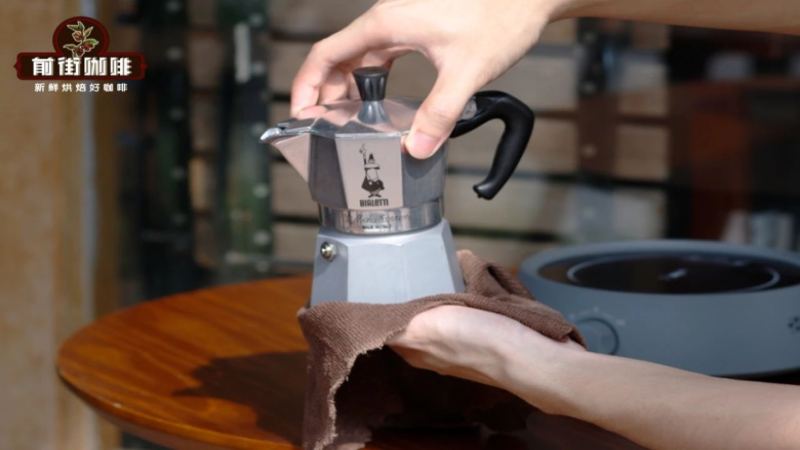
Using a moka pot to brew estate-level single-origin beans is seen by many as wasting something precious: shouldn't good beans be used for pour-over? But from another angle, the moka pot is a low-barrier, high-concentration extractor for home use, and brewing estate beans a different way often reveals a side you don't see in pour-over. This round of experiments is about pressure-brewing several representative estate beans in a moka pot and recording their other face.
Brazil Queen's Estate is the old friend who takes the stage first. As a single-origin bean widely recognized as moka-pot-friendly, it did not disappoint: its low acidity held up under high-temperature extraction, its nutty and cocoa aromas became richer under pressure, its caramel sweetness was clear, and it went down smooth. In pour-over it is gentle and reserved; in the moka pot it is direct and frank—the same bean with two personalities.
Front Street PWN Indonesian Golden Mandheling delivered a more impactful experience. With its dark-roast herbal and dark chocolate profile, after moka pot concentration it had solid bitterness, full body, and a long finish, like a small concentrated cup of dark chocolate drink. PWN's quality control specifications—green beans of 18 screen size or above, G1 defect standard, and three rounds of hand sorting—ensured it stayed clean with no off-flavors under high-pressure extraction. Pour-over fans may find it heavy, but moka pot devotees will understand this kind of thickness.
Papua New Guinea Paradise Bird Estate was a surprise. This Typica bean, known as Little Blue Mountain, had a cleanliness from three-time washed processing that degraded less than expected under the moka pot's high heat: the mouthfeel remained pure, the sweetness was concentrated, and the moka pot version showed a rounded texture similar to island beans after concentration. Add a little milk and it tastes like a budget version of Blue Mountain milk coffee.
What truly needs to be handled with caution is light-roast fruity-acid beans. I tried a light-roast Kenyan bean, and the moka pot's high heat pressed its bright acidity into obvious astringency and sharp sourness, and the flavor structure fell apart. The conclusion matches experience: when playing with estate beans in a moka pot, it's better to err on the darker side than the lighter side. Medium-dark-roast Yunnan Typica, however, brought an unexpected gain: Front Street 2013 Yunnan Natural Typica's citrus, caramel, and brown sugar flavors had their sweetness amplified after moka pot extraction, with the acidity receding into the background, presenting a very approachable Chinese-style coffee flavor.
The takeaways from this round can be summed up in three points: for estate beans in a moka pot, choose low-acid, clean, medium-dark-roast options; beans with prominent sweetness are amplified under pressure extraction, which is the moka pot's strong suit; each time you switch beans, first brew a small pot to taste, then decide whether to add milk and how much.
Pour-over presents the delicacy of estate beans, while the moka pot uncovers their concentration. Only by alternating between the two brewers can a bean truly be fully understood.
The above content is compiled by CoffeeHunters, a coffee news website.

