







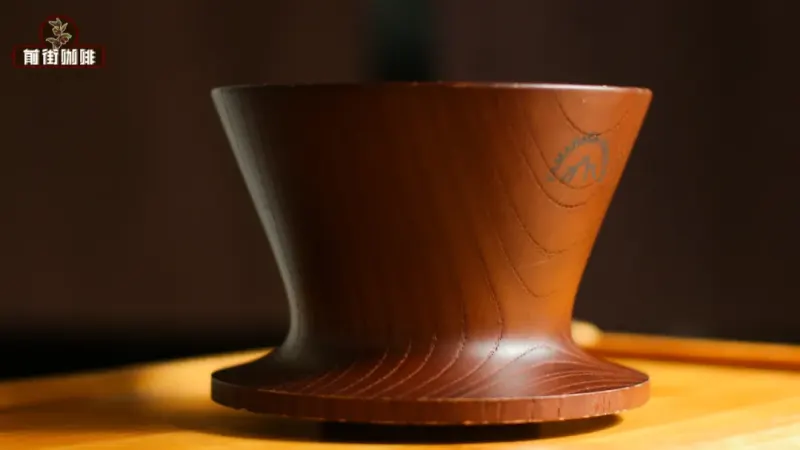
Does a wooden dripper change how blue mountain coffee tastes?
The Ansayo dripper from Japan's Yamanaka lacquerware workshop is made entirely of solid wood, unlike the ceramic, resin, glass, or metal drippers most brewers use. Brewing blue mountain coffee with it produced a full-bodied cup with clear chocolate and nutty notes, a long sweet finish, and round, soft acidity, with no woody smell mixed into the liquid.
Handmade deviation shows up in use: the filter paper does not sit completely against the dripper wall, leaving a gap near the top or an uneven seal around the bottom outlet. Dark-roasted beans still brew well with attention to those contact points, and the wooden body needs drying and careful storage between sessions.
Today, Front Street is going to talk about a rather niche pour-over device — the Ansayo dripper. It comes from the well-known Yamanaka lacquerware woodworking factory in the Kaga region of Japan and is made entirely of wood, which stands in stark contrast to the ceramic, resin, glass, or metal drippers commonly found on the market. Will coffee brewed with a wooden dripper take on a woody aroma? How does it differ from the V60 in use? How should dark-roasted coffee beans be brewed with this dripper? This article will start from Front Street's actual experience and answer these questions one by one, while also sharing the maintenance details to keep in mind for this dripper, as well as its slightly imperfect but harmless handmade traces.
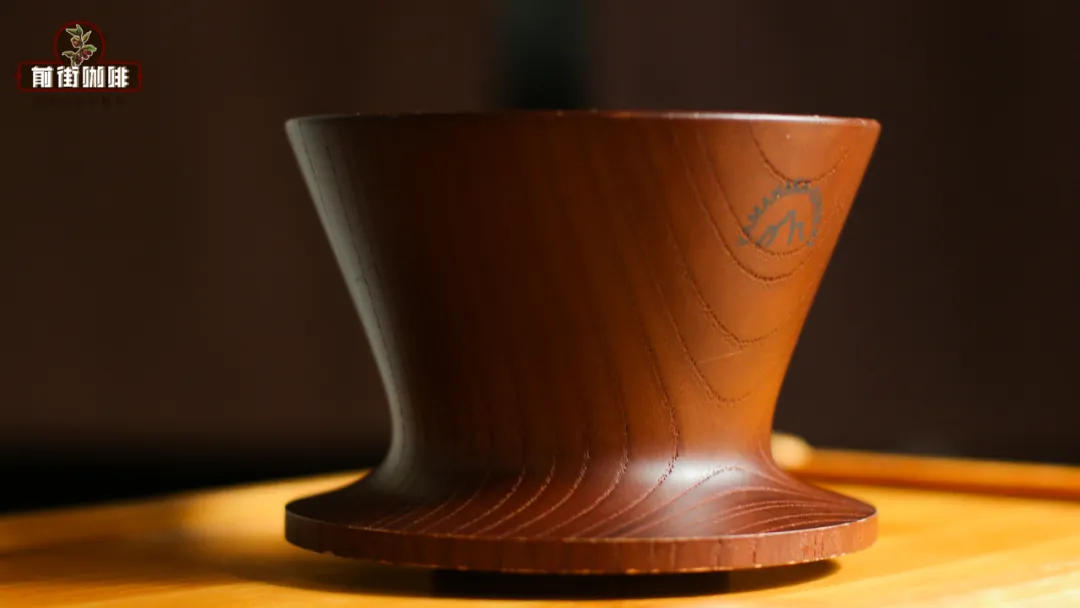
This device is called the "Ansayo dripper," produced by the renowned Yamanaka lacquerware woodworking workshop in the Kaga area of Japan. Today, Front Street will take everyone to see what makes this niche dripper so unique.
What exactly makes the Ansayo dripper special?
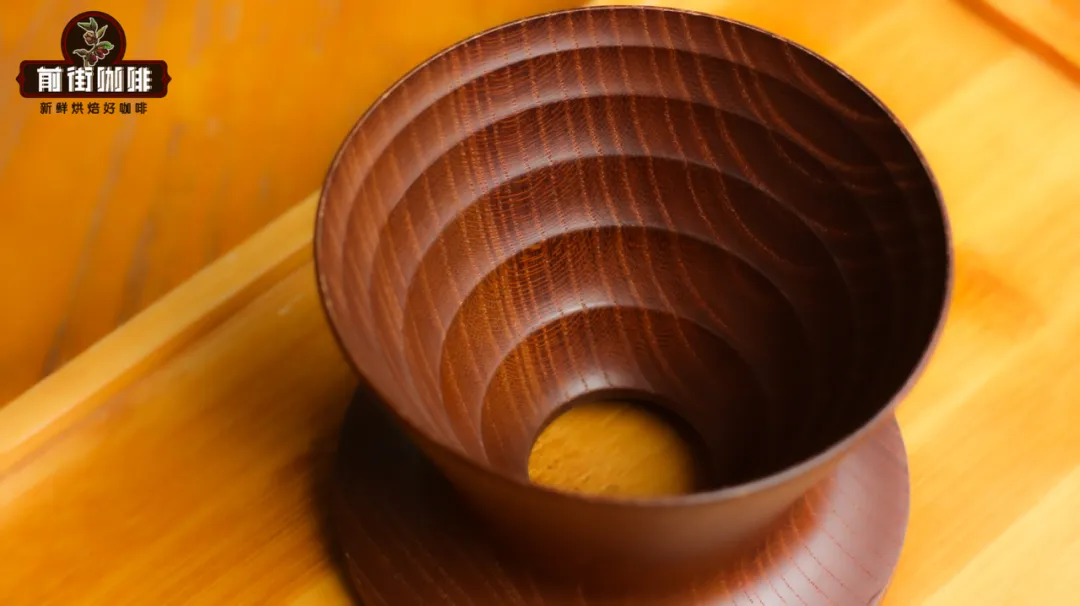
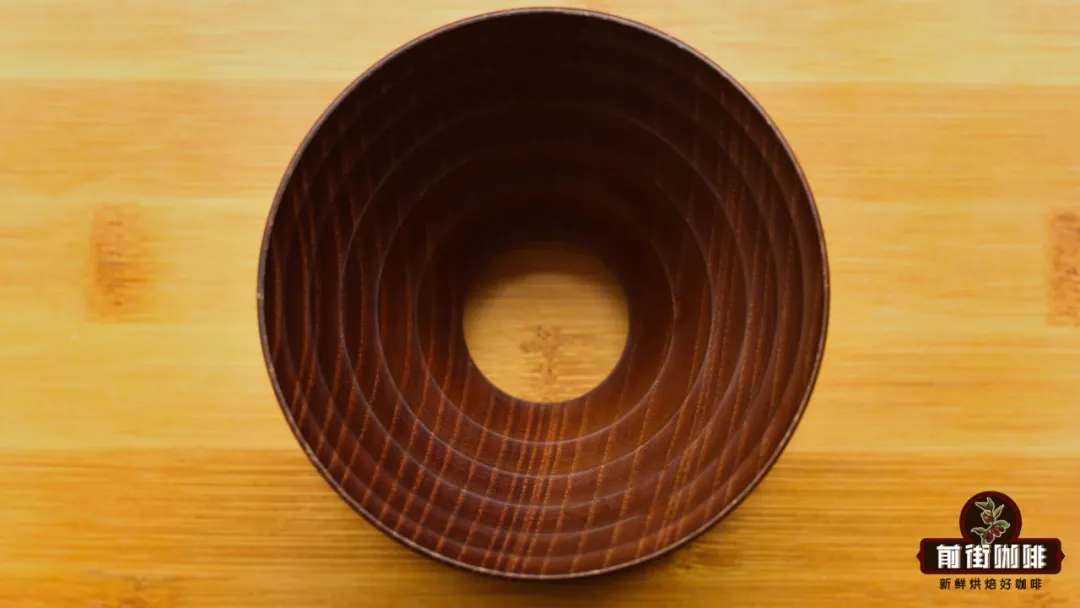
The first special thing is the material. Most common drippers — whether conical, flat-bottomed, or fan-shaped — are usually made of ceramic, resin, metal, or glass, while this dripper is made of solid wood. This is its most prominent feature. Although the material is pure wood, the feel is not rough at all; instead, it is smooth and rounded, and very lightweight in the hand, which also shows that the woodworker's craftsmanship is quite superb.
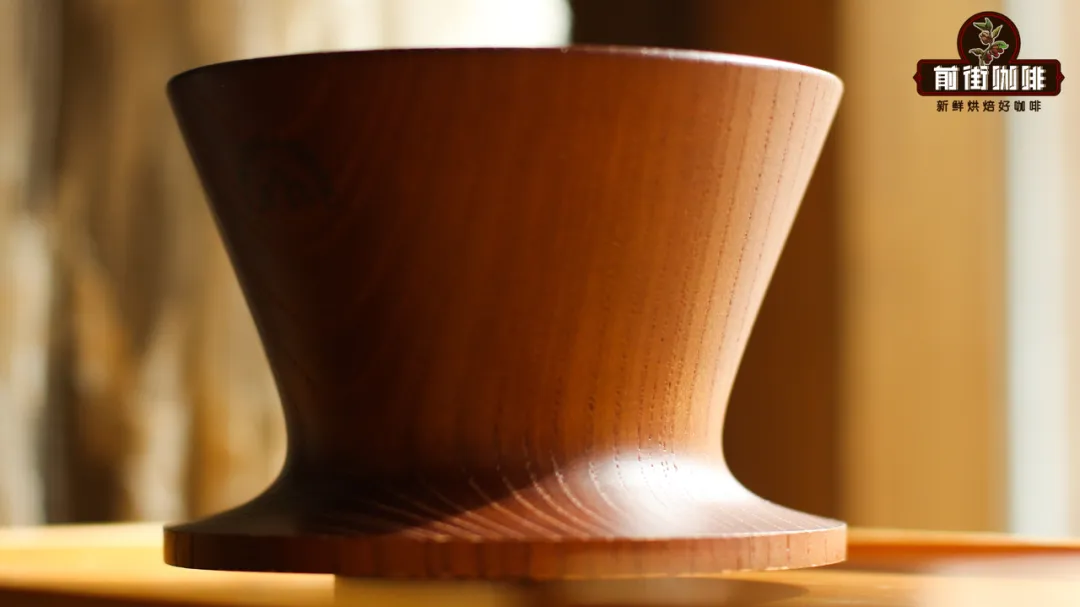
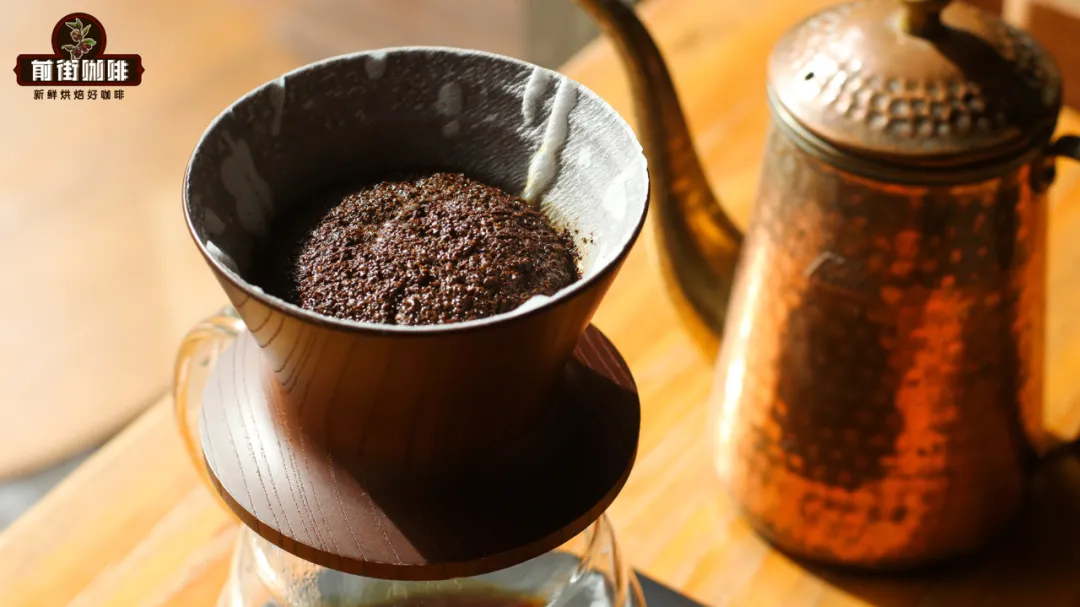
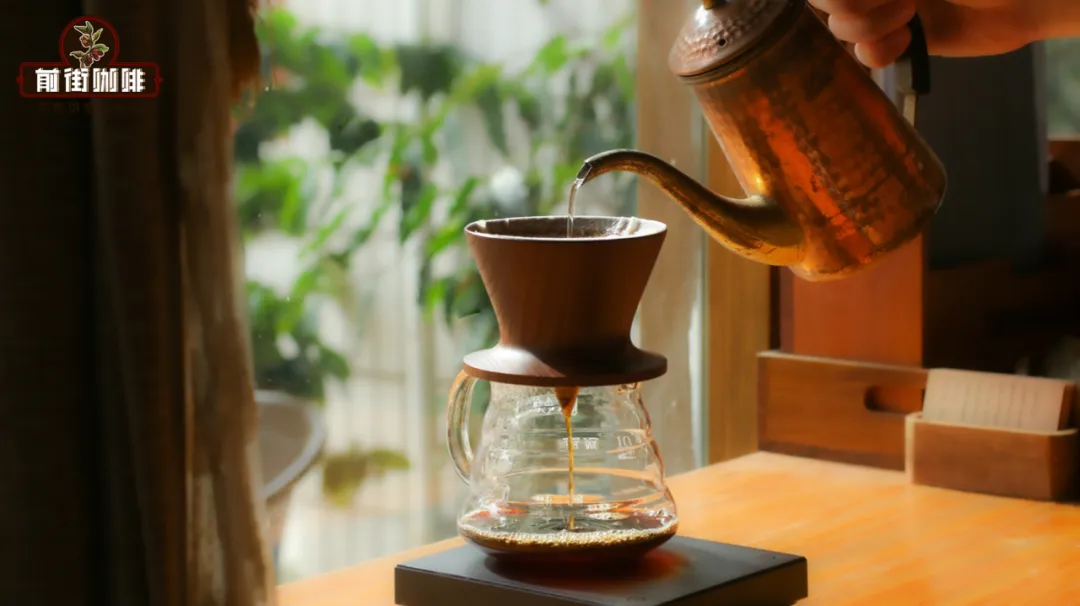
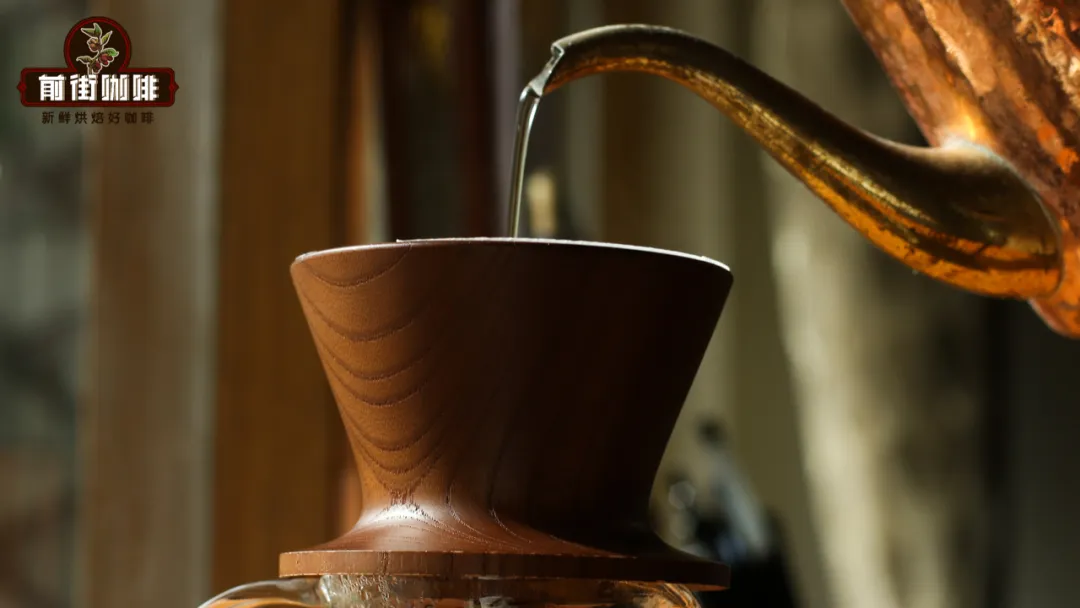
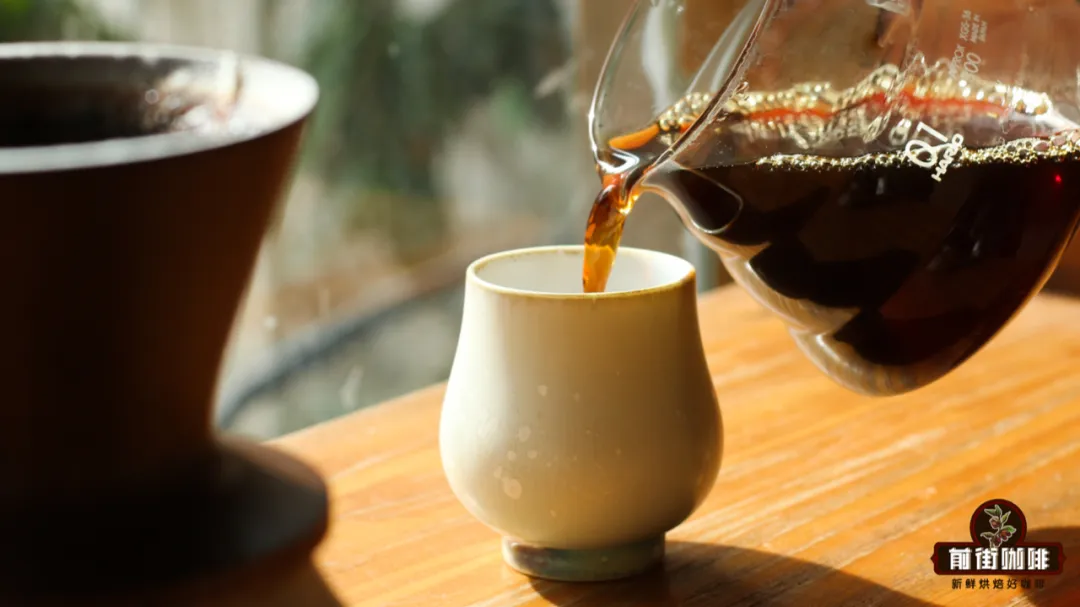
When Front Street brewed Blue Mountain coffee with the Ansayo dripper, the result was very full-bodied. Chocolate and nutty flavors were clearly presented, the sweet aftertaste was long-lasting, the acidity was round and soft, and the overall drinking experience was very comfortable. It is worth mentioning that the coffee liquid was not mixed with the dripper's own woody smell. Of course, it is also possible that this dripper had been stored for a long time and the wood scent had already faded.
However, in actual operation, Front Street also discovered a shortcoming of the Ansayo dripper: the filter paper is difficult to fit completely against the wall of the dripper. Either there is a gap between the upper part of the dripper and the filter paper, or the area around the bottom outlet cannot be sealed tightly. In short, there is always one place that will not fit closely. But this deviation in a handmade product does not have an obvious impact on brewing and can be completely ignored.
After use, maintenance must be kept up, since it is a wooden device. The official instructions specifically remind users: never put the dripper in extreme environments such as a dishwasher, dryer, microwave, or refrigerator, and do not expose it to direct sunlight. The core principle is to avoid contact with extreme temperatures. In addition, when cleaning, do not use tools such as steel wool that will scratch the wooden surface; a sponge cloth is the best choice. The instructions also end with a line of bold text: If you take good care of it, it will shine for you for a lifetime~ which is really very thoughtful.
The above content is compiled by CoffeeHunters, a coffee news website.


