







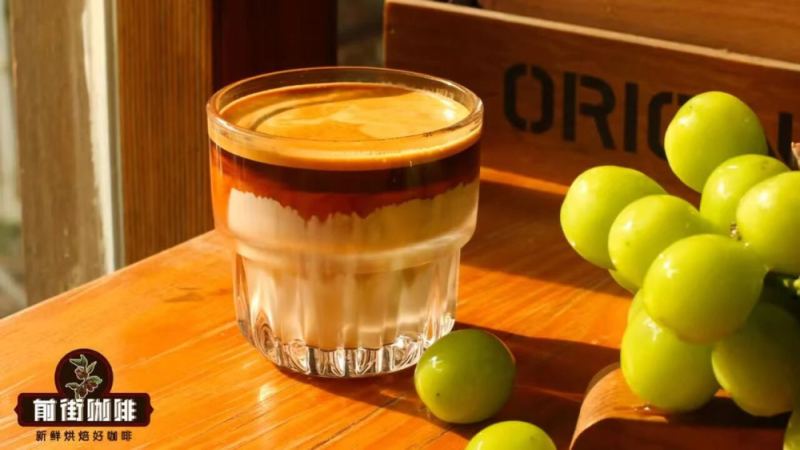
What Does SOE Coffee Beans Mean and What Should Buyers Check?
SOE coffee beans are single-origin beans pulled as espresso under high pressure. The term stands for Single Origin Espresso, so it simply swaps a blend for one origin rather than describing a special category. SOE appeared in 2007 and settled into the North American market around 2010; cafés now offer it as a seasonal highlight. Flavor expression, consistency, and price all differ from blends.
SOE coffee is not automatically better than blended espresso. Cup quality depends on bean quality, roasting, machine performance, brewing technique, and personal preference, so one label decides little on its own. The same logic extends sideways: an SOE latte or SOE americano is simply the drink made with a single-origin bean. Buyers should weigh origin, roast date, and price against how they plan to brew.
SOE coffee beans first emerged in 2007 and had established a firm foothold in the North American market by around 2010. Today, more and more cafés feature them as their seasonal highlight. SOE, or Single Origin Espresso, refers to espresso extracted under high pressure from a single-origin coffee bean using an espresso machine. It is no mysterious formula—essentially, it simply replaces a blend with a single-origin bean—but the resulting flavor expression, consistency, and price differences deserve careful understanding from every coffee lover. This article will explore the concept, common misconceptions, and key points for bean selection, along with recommendations for several distinctive niche SOE beans from Front Street Coffee to help you make a more suitable choice based on your personal taste preferences.
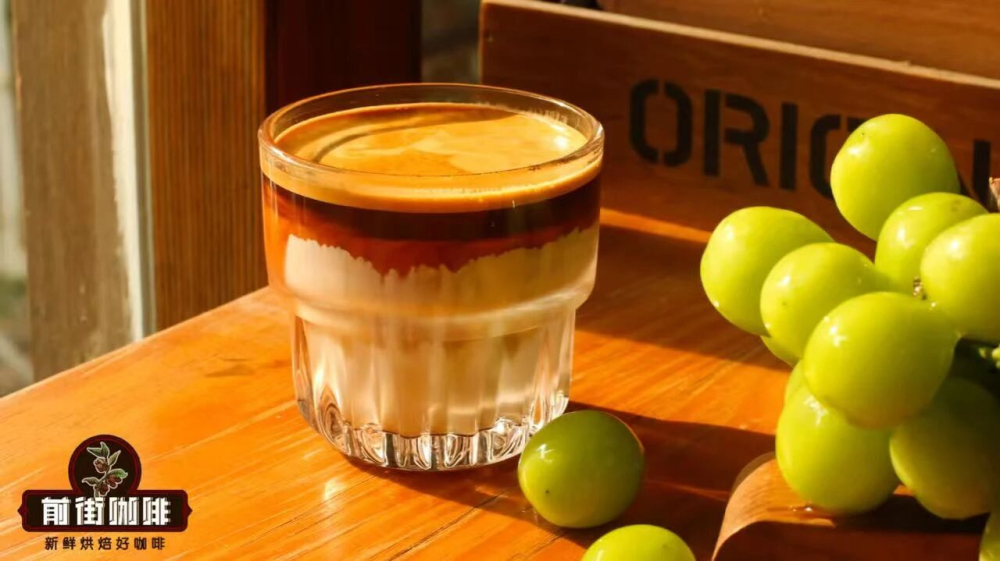
SOE coffee beans are not a new phenomenon of recent years; they appeared as early as 2007 and gradually matured around 2010. Consumers in North America have long developed the habit of ordering a seasonal SOE at cafés. The rise of this coffee has made people realize that as long as the beans themselves are exciting enough, the espresso recipe need not be complicated at all.
●What Is SOE
SOE is short for "Single Origin Espresso," which translates to: espresso from a single origin.
Does it feel like a sudden realization? It is not some profound or mysterious coffee category—it simply replaces the blended coffee beans normally used for espresso with single-origin coffee beans, then extracts a shot of espresso under high pressure using an espresso machine. By the same logic, an SOE latte is a latte made with single-origin beans; an SOE americano is an americano made with single-origin beans…
●Misconceptions About SOE
SOE itself is not complicated, but it easily leads to some misunderstandings, such as the following two aspects. Some people believe SOE must taste better than blended coffee. In fact, many factors determine whether a cup of coffee tastes good, including coffee bean quality, roasting method, espresso machine performance, brewing technique, and personal taste preferences.
SOE merely indicates that the espresso was made with single-origin beans; it does not mean the beans used are necessarily superior to blended beans. The other factors also have a huge impact on the final quality. Therefore, one cannot simply say SOE must taste better. For the same reason, assuming SOE must be of higher quality and more expensive than blended coffee is also inaccurate.
●What Single-Origin Coffee and SOE Have in Common
Both are single origin, meaning they use beans from a single production region, but their roasting goals are completely different. The difference between single-origin coffee and SOE lies in this: single-origin coffee in a typical café is extracted by pour-over, while SOE is made with an espresso machine—the production process is entirely different. The difference between Espresso and SOE lies in this: SOE uses beans from a single origin, while regular Espresso uses beans blended from multiple origins.
●What Should You Pay Attention to with SOE?
Choose beans with high flavor distinctiveness for SOE. The purpose of using single-origin coffee beans for espresso is to let those who enjoy espresso and milk coffee experience the bean's own flavors. If a single-origin bean lacks distinctiveness and most people cannot taste its unique flavors, it would be better to have a cup of blended coffee with balanced taste and good body.
●The Instability of SOE Coffee Beans
Coffee is an agricultural product, and single-origin coffee beans are affected by factors such as weather and growing conditions, leading to flavor differences among beans from the same region. This is precisely where they differ from blended coffee beans, which pursue flavor consistency. If you order an SOE made from the same bean at the same shop on two occasions and taste slightly different flavors, this is normal and no reason to question the shop's professionalism.
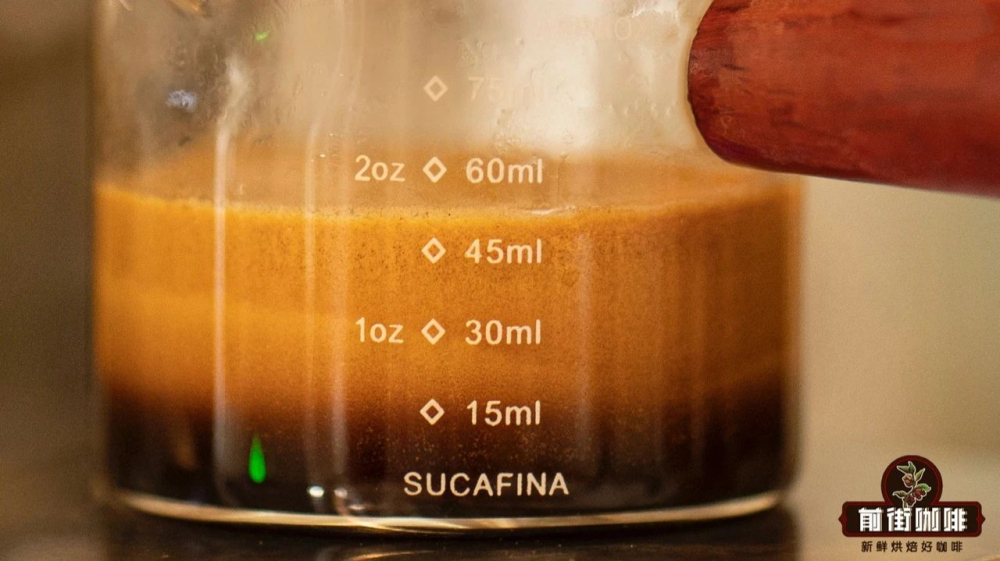
Below, Front Street Coffee recommends several niche but versatile single-origin SOE coffee beans:
SOE coffee bean recommendation: For those who enjoy fresh, floral notes, choose medium-roast African coffee beans. Top picks are Front Street Red Cherry Yirgacheffe SOE and Front Street Grana Geisha SOE.
SOE coffee bean recommendation: For those who prefer high sweetness without bitterness, try medium-roast American coffee beans. Recommended are Front Street Blackberry-Costa Rica, Front Street Mozart-Costa Rica, and Front Street Strawberry Candy-Gesha Blend.
SOE coffee bean recommendation: If you do not accept sour coffee, choose medium-dark roast South American coffee and Asian region coffee. Recommended are Front Street Queen's Estate-Brazil, Front Street Colombia Washed, and Front Street PWN Golden Mandheling.
The above content is compiled by CoffeeHunters, a coffee news website.


