







Search Results for: Spiced

Coca-Cola Spiced soda discontinued just seven months after launch: niche flavor trial fails and product strategy adjusts
Coca-Cola recently announced it will phase out its Spiced-flavored soda, which was launched with much fanfare just this February—a drink once positioned as a "permanent product" that lasted only seven months. Spiced blended traditional cola, raspberry, and spice flavors, aiming to attract Gen Z consumers seeking bold tastes, but its market performance was lackluster. Analysts suggest that consumers' unclear perception of its flavor and overly hasty new product development may be the main reasons for the failure. Meanwhile, Coca-Cola has also discontinued flavors like Cherry Vanilla and Splenda Diet Coke to focus on faster-growing categories. This article traces the complete trajectory of Spiced from launch to discontinuation and explores the challenges and prospects of niche sodas in the market. [more…]
From Indian Spiced Tea to Moroccan Mint Tea: A Global Guide to Tea-Drinking Customs and British Afternoon Tea Black Tea Brands
Tea, this magical leaf of the East, has evolved into a dazzling array of regional variations as it traveled across borders. From the spice tea wafting with cardamom and clove on the streets of India, to the elegant three-tier afternoon tea in Britain; from the concentrated essence of black tea in the Russian samovar, to the sweet, soul-soothing iced tea of the American South; and to the mint green tea poured with a high-pour technique in Morocco—each country interprets this cup in its own way. This article will take you on a tour of tea-drinking traditions around the world and provide an in-depth look at exactly what kind of black tea is drunk at British afternoon tea and which classic British black tea brands are worth trying. Whether you are a seasoned coffee lover or a newcomer exploring tea, this global tour of tea customs will set your taste buds off on a distinctive journey. [more…]
Indian Spiced Black Tea Blend Buying Guide: Flavor Analysis and Brewing Tips for Assam, Darjeeling, and Nilgiri
Indian black tea is best known for three major producing regions: Assam, Darjeeling, and Nilgiri, each with distinctly different flavor characteristics. Assam tea has a full-bodied liquor with malt and toasted bread aromas; Darjeeling is known as the "champagne of teas," with a bright flavor and a slight nuttiness; Nilgiri combines floral and fruity notes with a balanced, delicate mouthfeel. Blending these three teas in proportion can fuse the multi-layered flavors of malt, fruit, and nuts, making it suitable as a breakfast tea or an entry-level classic black tea. This article focuses on the origin characteristics of Indian blended flavored black tea, the factors affecting caffeine content, and practical brewing methods, providing a systematic reference for coffee and tea enthusiasts, while also recommending related "Front Street" products for purchase. [more…]
Which country ranks first in tea production in Africa? A detailed look at the flavors and health benefits of nine distinctive African teas
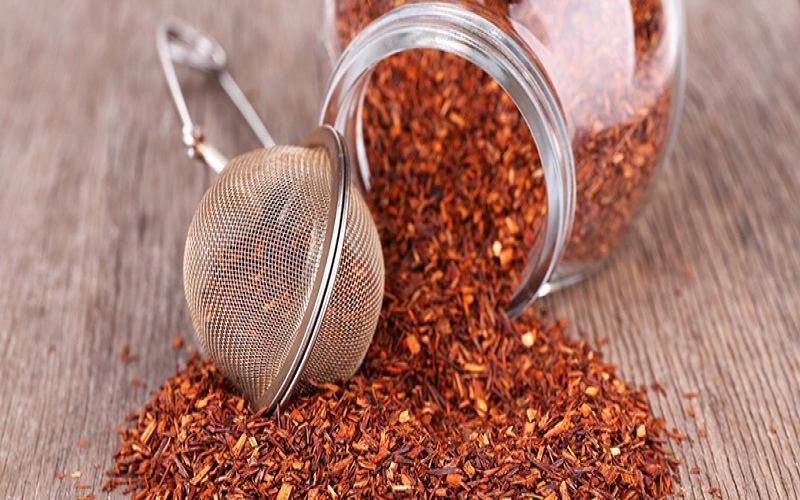
Africa is not only famous for coffee—its tea production is equally noteworthy. Kenya ranks as the world's third-largest tea producer and the leading tea-producing country in Africa. From anthocyanin-rich Kenyan purple tea to South Africa's unique rooibos and honeybush teas, and from North African mint tea to Ethiopian spiced tea, diverse tea traditions have emerged across the continent. This article profiles nine teas produced in Africa, covering their origins, production methods, flavor characteristics, and health benefits, helping coffee lovers expand their understanding of African beverages. Front Street Coffee will also recommend African teas worth trying. [more…]
Ceylon Black Tea Brewing Tips: Master the Tea-to-Water Ratio, Temperature, and Time to Say Goodbye to Bitter Taste
Ceylon black tea is renowned for its rich, robust flavor, but improper brewing can easily produce a bitter and astringent taste. This article provides a detailed analysis of the flavoring processes for Ceylon black tea, including internal substances, natural extraction, artificial flavorings, and smoking methods, and introduces classic flavored black teas such as Earl Grey, ginger, cinnamon, and Masala. At the same time, drawing on the practical experience of Front Street Coffee, we share the key parameters for brewing Ceylon black tea—the tea-to-water ratio, water temperature, and time—to help you easily brew a cup of good tea that is neither bitter nor astringent and full of aroma. Whether you are a black tea enthusiast or a beginner, these practical tips can take your tasting experience to the next level. [more…]
An In-Depth Look at Ethiopia Yirgacheffe Kochere: Flavor and Processing Analysis of Washed G1 Green Coffee Beans
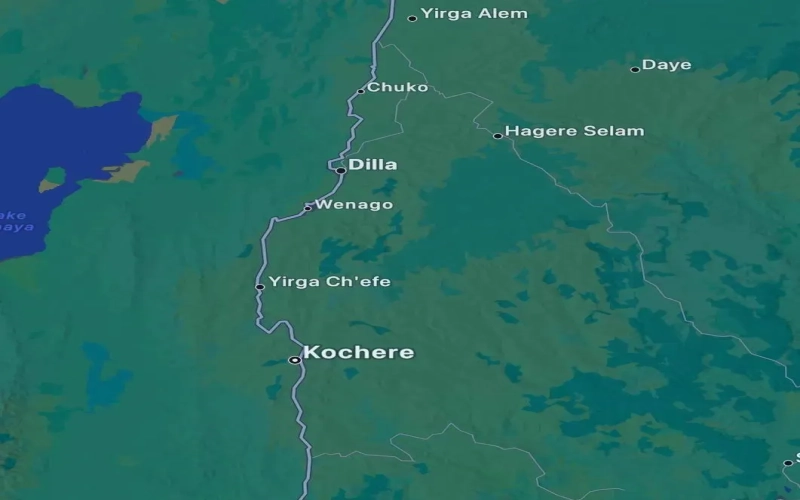
Yirgacheffe is a famous coffee-producing region in southern Ethiopia, and its neighboring Kochere is renowned for high-quality washed green coffee beans. Kochere sits at an altitude of 1,650 to 1,800 meters and possesses advanced processing equipment. The coffee beans it produces have intense flavors, with citrus acidity, jasmine floral notes, and a silky mouthfeel, and Coffee Review once gave them a high score of 94 points. Through cupping, Front Street Coffee found that the Kochere washed G1 lot not only has clean and refreshing lemon and spiced tea aromas, but also retains the stable quality and traceability brought by the washed processing method. This article will introduce in detail the background of the Kochere producing region and the characteristics of its washed processing, and recommend two representative coffees, Front Street Kochere and the Gedeb Cooperative, to take you through the terroir charm of the essence of Yirgacheffe. [more…]
A Complete Guide to Turkish Coffee: Brewing Methods, Fortune-Telling Traditions, and the Three-Boil Technique
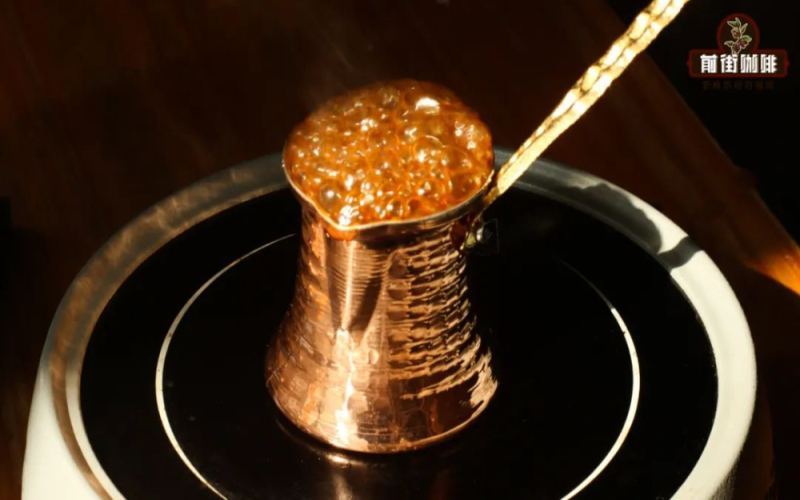
Turkish coffee is a unique presence in the coffee world. From its evolution during the Ottoman Empire to the ancient brewing method that is still adhered to today, it carries centuries of history and culture. Similar to Yunnan arabica coffee, the way Arabs back then used a large Dallah pot to brew under-roasted coffee beans is already completely different from today's Turkish coffee. After improvements by the Turks—switching to dark-roasted beans and using a long-handled copper Cezve—this coffee quickly spread throughout the empire and even to Europe. This article will introduce in detail the preparation parameters of Turkish coffee and the "three boils" technique, explain why its coffee grounds are not filtered, and take you through the mysterious tradition of coffee fortune-telling, as well as the interesting custom in Turkish marriage customs of using spiced coffee to test a suitor. [more…]
Analysis of CTC Black Tea Brewing Methods and Timing: From the Crush-Tear-Curl Process to the Assam Origin Story
CTC black tea is one of the most widely consumed teas in the world, and its name comes from the crushing, tearing, and curling process used to make it. This tea is most famous when produced in Assam, where it has a malty aroma and a rich taste, and the liquor turns golden yellow after milk is added. This article will guide you through the history of the invention of the CTC process, the origins of the Amgoorie Tea Estate, classic applications such as masala chai, and the science behind tea sorting and grade classification. Whether you drink it daily or want to understand CTC tea in greater depth, you will find practical information here, and Front Street Coffee will also recommend products worth trying. [more…]
Ceylon Flavored Black Tea Flavor Analysis: Earl Grey, Jasmine, and Masala, Plus a Discussion on Whether Flavorings Are Added and the Causes of Astringency
Ceylon flavored black tea is made by infusing black tea, green tea, or oolong tea with the natural flavors of flowers, herbs, and fruits, preserving the inherent depth of Ceylon tea while adding subtle fruity or herbal notes. Common varieties on the market, such as Earl Grey, jasmine tea, and masala chai, each have their own origins, while innovative flavored teas like raspberry, lemon, ginger, strawberry, mint, vanilla, and cinnamon are continually emerging. Many tea enthusiasts wonder whether flavored black teas rely solely on artificial flavorings, and why Ceylon black tea tastes astringent. This article will address these questions by outlining the types, processing methods, and flavor characteristics of Ceylon flavored black tea, and also introduce related product information from Front Street Coffee. [more…]
The Complete Guide to Brewing Black Tea Correctly: Hot Tea, Milk Tea, Cold Brew, and the Differences Between Hong Kong-Style and Regular Milk Tea Recipes
Black tea gets its rich color and full-bodied taste from full fermentation, but different grades, brewing temperatures, and drinking methods all affect the final flavor. This article systematically sorts out the core knowledge of black tea, from temperature control, spice additions, and timing for hot brewing, to the simmering techniques for Indian milk tea, the cold-brew refrigeration extraction method for iced black tea, and creative drinks such as vodka black tea and hot toddy, along with the standard recipe for Hong Kong-style milk tea, helping coffee and tea lovers fully master the many possibilities of black tea. Whether you prefer it plain or with a rich milky taste, you can find a brewing method that suits you. [more…]

Making Boozy Coffee at Home: 10 Alcoholic Coffee Drinks with Recipes and Methods
Want to find a balance between a gentle buzz and staying clear-headed? Spiked coffee is becoming a new choice for many young people. When you're tired during the day, a hint of alcohol helps relax your nerves; after work at night, a warm alcoholic coffee soothes body and mind; and when the weather turns cold, it brings warmth from the inside out. This article compiles 10 alcoholic coffee recipes suitable for making at home, from simple convenience-store mixes to creative versions with milk foam, and to specialty cocktail coffees with a stronger alcoholic kick, covering pairings with various base spirits such as Baileys, whiskey, gin, brandy, and rum. When making them, there's no need to be rigid—just adjust the amount of alcohol to your personal preference—but be sure to drink in moderation according to your own condition, minors are prohibited from drinking alcohol, and drunk driving is strictly forbidden. At the end of the article, there is also a communication channel for Front Street Coffee (FrontStreet Coffee), making it convenient for coffee lovers to discuss further. [more…]

Behind 2022 WBC Runner-Up Morgan Eckroth's Cup Smash on Stage: The Crisis and Road to Rebirth of Specialty Coffee
Morgan Eckroth, runner-up in the 2022 World Barista Championship, did something astonishing on stage—smashing a coffee cup in front of the judges. This coffee influencer with 7 million followers used a metaphor-laden performance to explore the extinction crisis facing specialty coffee. From choosing the endangered coffee variety Eugenioides to incorporating kintsugi craftsmanship and Colombia's national liquor into the creative coffee segment, every choice Morgan made pointed to the same question: as climate change, market shifts, and industry decline converge, is the coffee industry ready? This article will take you through this breathtaking competition and explore how baristas can rediscover the humanistic value and professional charm of specialty coffee in an era obsessed with efficiency. [more…]
Guatemalan Coffee Tasting Guide: Flavor Characteristics of the Antigua Region and Brewing Methods Explained
Guatemalan coffee ranks among the world's finest, thanks to its high-altitude volcanic terrain and unique microclimates. The Antigua region stands out in particular: a valley embraced by three active volcanoes, rich volcanic ash soil, and ample sunshine and rainfall give rise to exceptional coffee beans with complex layers and notes of tobacco and roasted charcoal. Front Street Coffee takes you through the origins, flavor profile, and tasting highlights of Guatemalan coffee, from aroma to finish, so you can experience the unique charm of what's known as "cigarette coffee." [more…]
A Complete Guide to Guatemala's Seven Major Coffee Regions: Hand-Brewed Flavors and Bean Varieties of Antigua and Other Origins
Guatemala is an important specialty coffee producer in Central America, with seven distinctive major regions: Antigua, Cobán, Atitlán, Huehuetenango, Fraijanes, Oriente, and San Marcos. Each region, due to differences in volcanic soil, altitude, and microclimate, nurtures coffee beans with widely varying styles that have repeatedly won international acclaim. Among them, the Antigua region is known for its perfect balance of sweetness, acidity, and body with a hint of smokiness, while the high-altitude environment on the slopes of Volcán de Agua provides ideal growing conditions for premium coffee; its Strictly Hard Bean is plump with balanced acidity, and the giant beans are especially eye-catching. This article will introduce the seven major regions one by one, analyze the pour-over flavor characteristics of coffee beans from each area, and recommend related products from Front Street Coffee to help coffee lovers gain a comprehensive understanding of Guatemalan coffee. [more…]
Brewing Yingde Yinghong No.9 Black Tea: A Full Analysis of Flavor Layers Across Seven Infusions, from Fruity Sweetness to Roasted Notes
Yinghong No.9 comes from Yingde, Guangdong, and is named after an experimental cultivar. The dry leaves are tightly rolled with visible golden buds, carrying forest-floor earthiness and a roasted aroma. In this session it was brewed gongfu style, using 3g of tea with 150ml of boiling water, a 45-second first infusion, and an extra 15 seconds for each subsequent infusion, for five to seven consecutive steeps. Front Street Coffee recommends brewing it in a gaiwan, which better reveals its complete progression from sweet, fruity notes to woody roast. From the first infusion's deep amber color, musky earthiness, and sweet plum flavors to the seventh infusion's roast and astringency, each steep delivers a different experience. This tea suits lovers of earthy, fruity, or roasted black teas, and is especially good for savoring on a winter afternoon. [more…]
The Origin of Indian Assam Tea, Tea Garden Brands, and a Full Analysis of CTC Black Tea Flavor
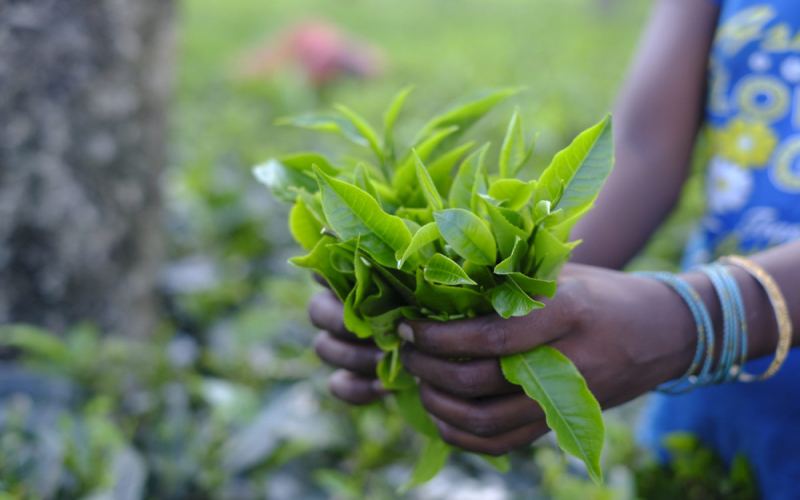
As the world's second-largest tea-producing country, India's tea cultivation history is inextricably linked to the British colonial period. Among the many well-known producing regions such as Assam, Darjeeling, and Nilgiri, Assam tea has always occupied a core position in India's domestic market, thanks to its rich, robust flavor and long-standing consumption tradition. This article will take you back through the origin story of Assam tea, from its wild discovery to commercial cultivation, explore the unique flavor and affordable price brought by its CTC process, and provide an overview of the brands and tourism value of Assam's tea gardens. Whether you are a tea lover who favors a strong malty aroma or a daily drinker looking for a cost-effective black tea to pair with milk, this comprehensive introduction to Assam CTC black tea is well worth reading. [more…]
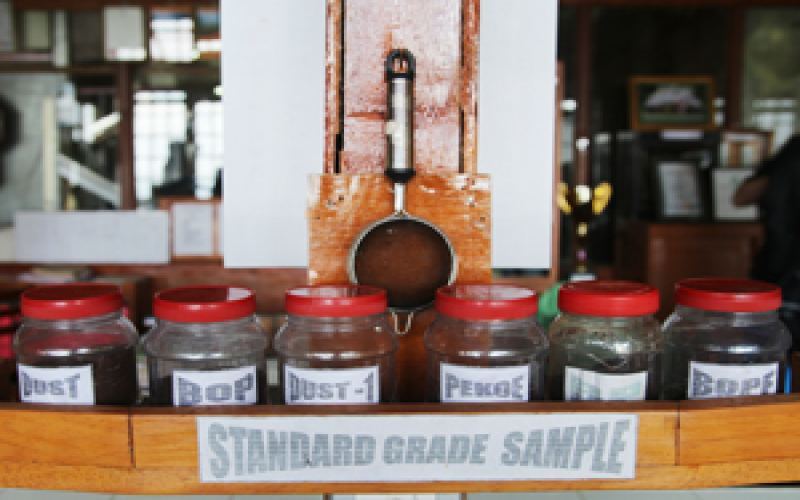
Does the SFTGOP black tea grade mean it tastes the best? Breaking down the real relationship between tea grading and flavor
Letter combinations like SFTGOP and OP on tea packaging often lead people to assume that the higher the grade, the better the taste, but this is not the case. Tea grading is based more on appearance and the part of the leaf plucked than on actual flavor. Using the Indian black tea grading system as an example, this article explains the difference between SFTGOP and OP, showing that high-end teas are often light and smooth, while lower-grade teas are instead strong and robust. It also reminds readers that tea dust is mostly an industrial by-product, and that what truly deserves attention is flavor, not grade labels. Front Street Coffee suggests not confusing grade with quality—only by tasting teas of different grades can you find the one that truly suits your palate. [more…]
Flavor Characteristics and Health Benefits of Ethiopian Arabica Coffee Beans: From Origin to Cup
Ethiopia is the birthplace of coffee and one of the most important Arabica coffee-producing countries in the world. This article begins with the origin of the coffee tree and reviews Ethiopia's coffee cultivation methods, major producing regions, and product names, including Harrar, Jimma, Sidamo, and Yirgacheffe, while analyzing their flavor characteristics and drinking benefits. Ethiopian coffee has a unique flavor, combining vinous notes and soft acidity with rich layers arising from regional differences. The article also introduces the local distinctive spiced beverage preparation methods, domestic consumption habits, and the coffee export management system, helping coffee enthusiasts gain a comprehensive understanding of the coffee charm of this legendary origin. [more…]
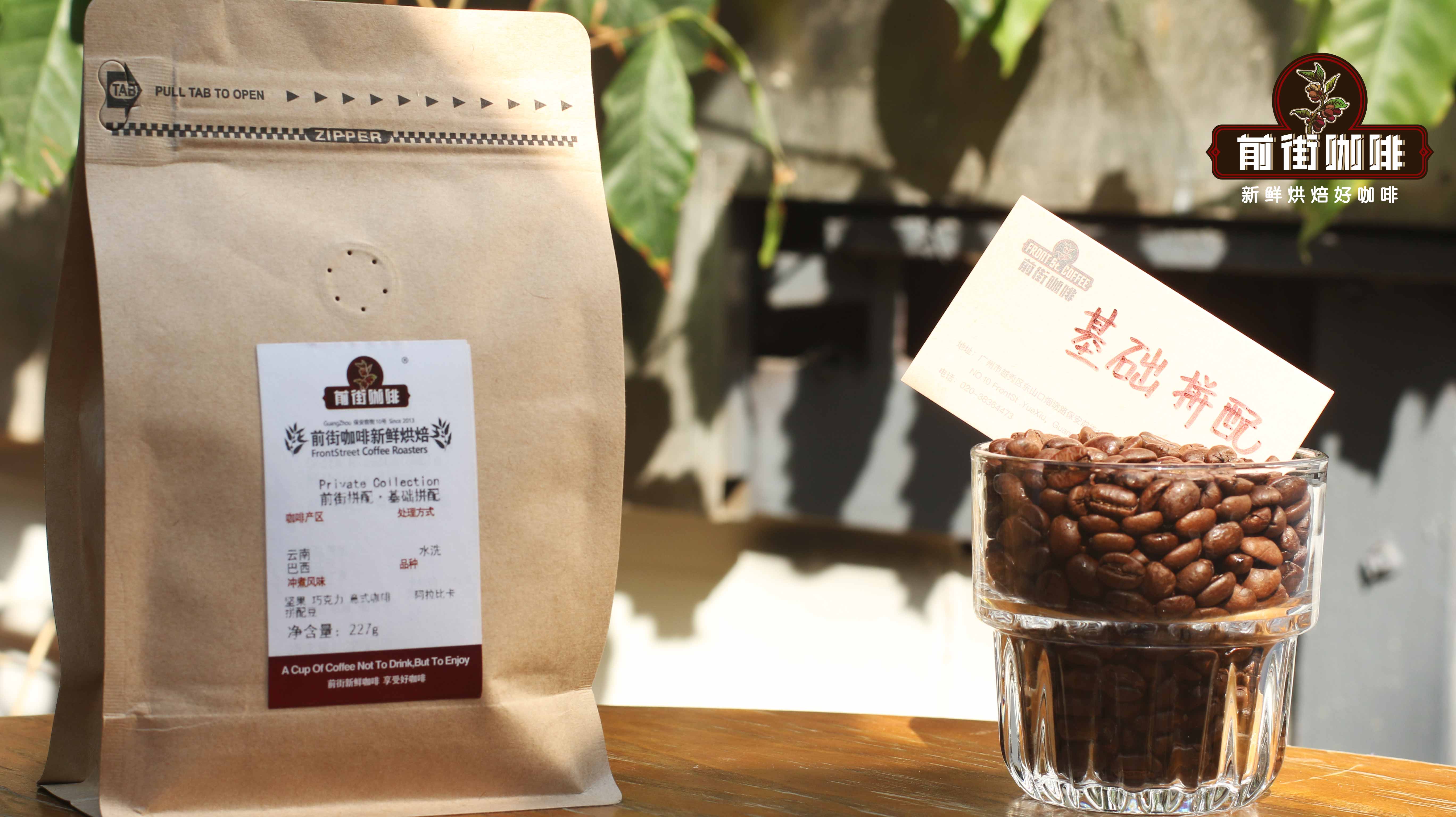
Ristretto|What is the difference between espresso and ristretto? Which intensely rich, low-acid espresso blend coffee beans are recommended?
As time goes on and you drink more coffee, some people gradually seek out intensely rich espresso, and are no longer satisfied with just buying an Americano at a café—instead, they want to make it themselves. So what does it take to make a cup of espresso that is both richly aromatic and highly concentrated? 1. The coffee beans must be fresh enough for a perfect cup. [more…]
Where Does Coffee Flavor Come From? A Comparative Analysis of Colombian Strawberry-Note Beans: Sakura vs. Hanakatsuyo
Why can you taste strawberry in coffee? Starting from the growth logic of the coffee plant, this article sorts out the influence of six major factors—soil, climate, altitude, harvesting, processing, and roasting—on flavor, and focuses on comparing two strawberry-toned coffee beans from Colombia: Front Street Huayueye and Front Street Sakura. The two each have their own characteristics in terms of producing region, bean variety, processing method, and cupping performance. At the same time, Front Street Strawberry Candy coffee beans are also recommended as another option for getting started with strawberry flavors. [more…]