Once you've been drinking coffee for a while, many people find themselves circling endlessly around a few familiar names: Yirgacheffe, Mandheling, Blue Mountain. These mainstream regions certainly have their strengths, but the coffee world is far vaster than the regulars on the shelf—shift your gaze just a little to the side, and you'll often stumble upon surprises. What we call "niche" refers precisely to those regions with small output and lesser fame, yet with something distinctive in flavor—what they lack is simply the chance to be tasted by more people.
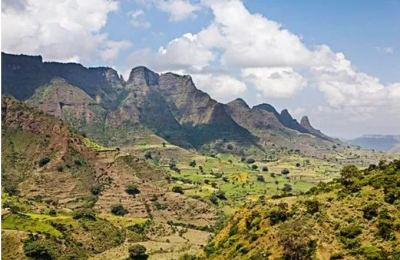
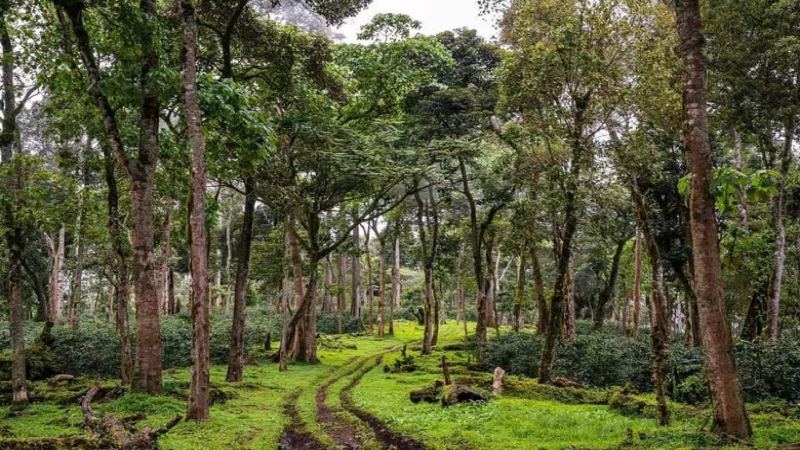
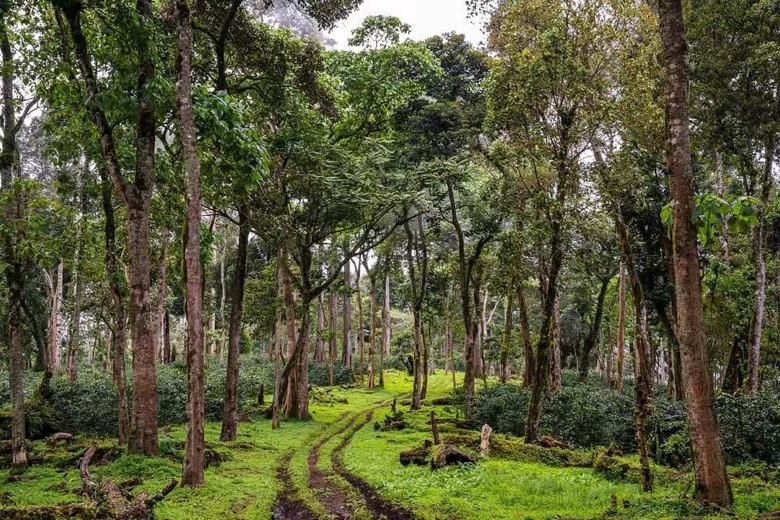
The divide between mainstream and niche is, in many cases, the result of commercial distribution rather than a difference in quality. Ethiopia's Guji region was still little noticed years ago, yet today the Hambela-grown Huakui has become a favorite among aroma lovers. Guji sits right next to Yirgacheffe, with higher altitude and denser forests—the strawberry-jam-like sweetness and oolong-tea-like finish of Front Street Coffee's Huakui are the business card this land extends.
When choosing a niche region, you can afford to broaden your approach. First, look at geography: areas adjacent to star regions often share similar terroir—Guji's relationship to Yirgacheffe is exactly this, low risk of disappointment and high chance of surprise. Second, look at bean variety: some small regions have kept old varieties alive, and their flavor foundation is actually quite solid—traditional varieties like Typica and Bourbon, for instance, are gentle and easy to drink. Third, look at the reputation of processing stations and exporters; small regions offer little information, so a reliable intermediary is your guarantee of quality.
Starting from these angles, Front Street Coffee's Colombia Huila is one worth noting. Huila isn't particularly famous among South American regions, but with volcanic soil and high altitude, the beans take a balanced path—nutty and caramel sweetness are solid, acidity is soft, and the sweetness still holds up after the coffee cools. It's very stable as a daily staple, and the price is friendly—a very handy foothold when expanding your regional map.
To go a step further, you can seek out small-lot beans that come with estate information. Boquete in Panama is where Geisha made its name, and Front Street Coffee's Panama Geisha presents this area's elegant florals and honeyed quality quite completely. Though the price steps up a level, as a footnote to "the more obscure the region, the more distinctive the flavor," one sip and you'll understand exactly where the money went.
The pleasure of niche regions lies half in the cup, half at the boundary of your understanding. Each time you pick up an unfamiliar region, first look up its altitude, latitude, and processing method, then brew with expectations in mind; after drinking, reflect on how the terroir corresponds to the flavors in your cup—guessing right is a joy, guessing wrong is also a gain. Go through this process, and your understanding of coffee will expand ring by ring, and your range of choices will naturally open up.
The above content is compiled by CoffeeHunters, a coffee news website.