







How does non-woven filter paper change brewing coffee flavor?
Non-woven filter paper is made from composite fibers through a special process, and its gaps are larger than those of wood pulp paper, so it holds back some coffee oils and gives the cup a fuller mouthfeel. It also behaves oddly with water, staying dry as if waxed and needing repeated high-temperature rinses before it seats properly in the dripper.
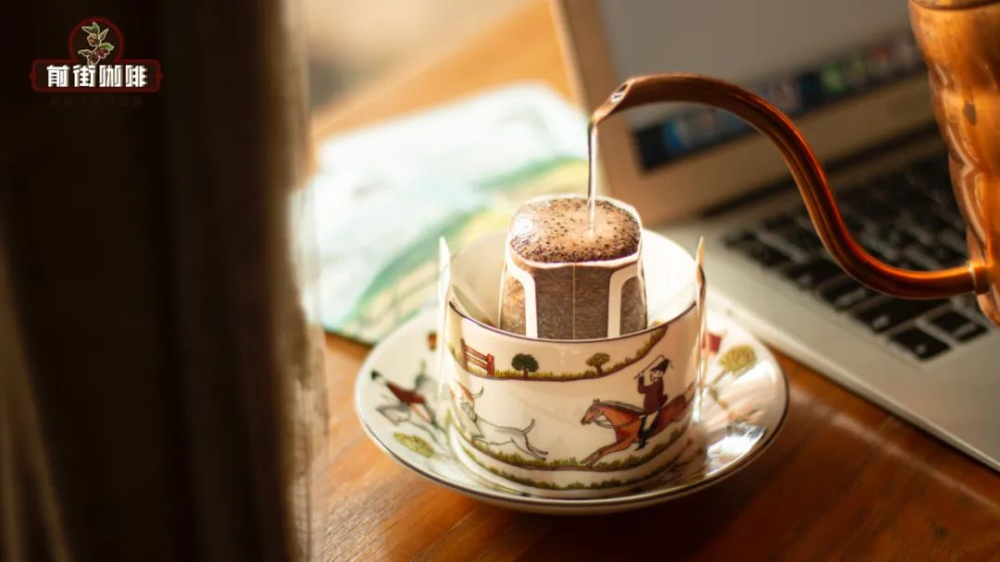
Front Street Coffee tested both materials by filtering 200 milliliters of room-temperature water, and the flow rates came out roughly the same. The non-woven paper, familiar from brew in the bag coffee filter bags, produced a more turbid color and heavier flavor with a slight flannel-cloth feel. That explains why wood pulp remains the mainstream choice for pour-over.
In pour-over coffee, wood pulp filter paper is almost the absolute mainstream, but have you ever noticed another material—non-woven fabric filter paper? It is actually widely present in the filter bags of drip coffee, yet it is rarely used alone for pour-over. This fabric is made from composite fibers through a special process, and its gaps are larger than those of wood pulp filter paper, allowing it to retain some coffee oils and giving the brew a fuller mouthfeel. However, it also has a headache-inducing trait: after touching water, it stays dry as if coated with wax, and it must be repeatedly rinsed with high-temperature hot water before it will fit the dripper. Through actual testing, Front Street Coffee found that non-woven fabric filter paper is almost the same as wood pulp in flow rate, but the brewed coffee is more turbid in color and heavier in flavor, even carrying a slight feel of flannel filter cloth. If you are curious about how this niche filter paper performs, this article will take you through it.
But do you know that, besides wood pulp, there are also many filter papers made of different materials. Among them, there is one type of filter paper made of non-woven fabric, which is the protagonist of this article. I believe many people will find this material unfamiliar, but in fact, it is the most common material in the coffee filters we use.
Non-woven fabric! Also called nonwoven cloth, it is a type of fabric made from composite fibers through a special process. As mentioned above, it is the most commonly used material in coffee filters! Of course, this does not refer to pour-over coffee filter paper, since the most commonly used filter paper is still made of wood pulp! Besides filter paper, what else is used for filtering? That's right! The filter bag of drip coffee!
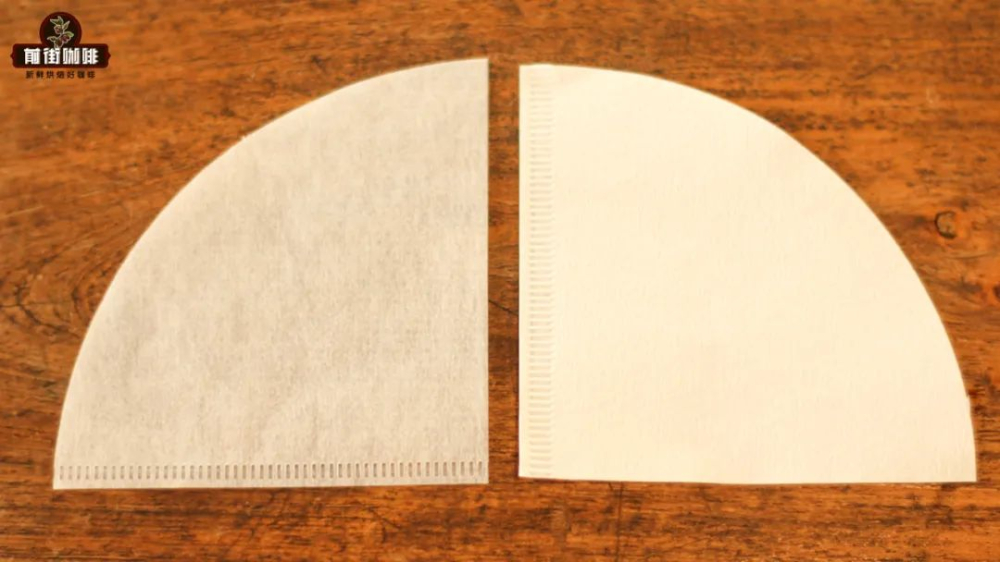
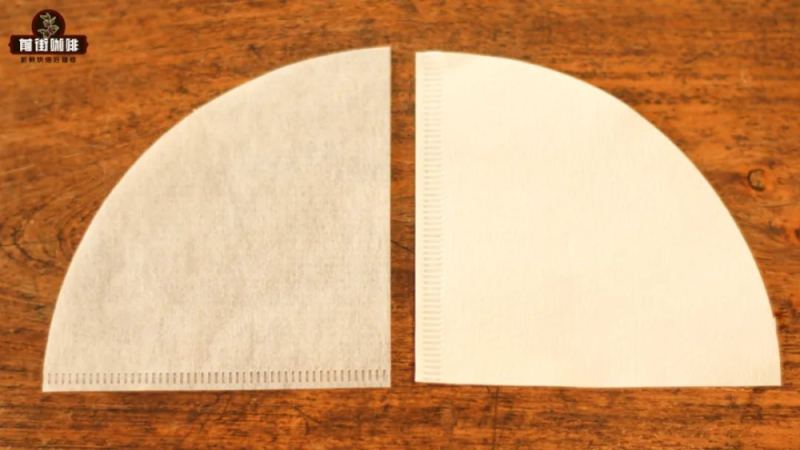
It is somewhat similar to a metal filter mesh, and its gaps are a bit larger than those of wood pulp filter paper. Therefore, its filtration performance is slightly weaker than that of wood pulp filter paper, and during brewing it can retain a little coffee oil, making the coffee taste fuller! But larger gaps do not necessarily mean its flow rate must be fast. Front Street conducted a set of experiments, separately using wood pulp filter paper and non-woven fabric filter paper to filter 200 ml of room-temperature water. The results for the two were roughly the same: the wood pulp filter paper had a filtration speed of 35 seconds, and the non-woven fabric filter paper 36 seconds!
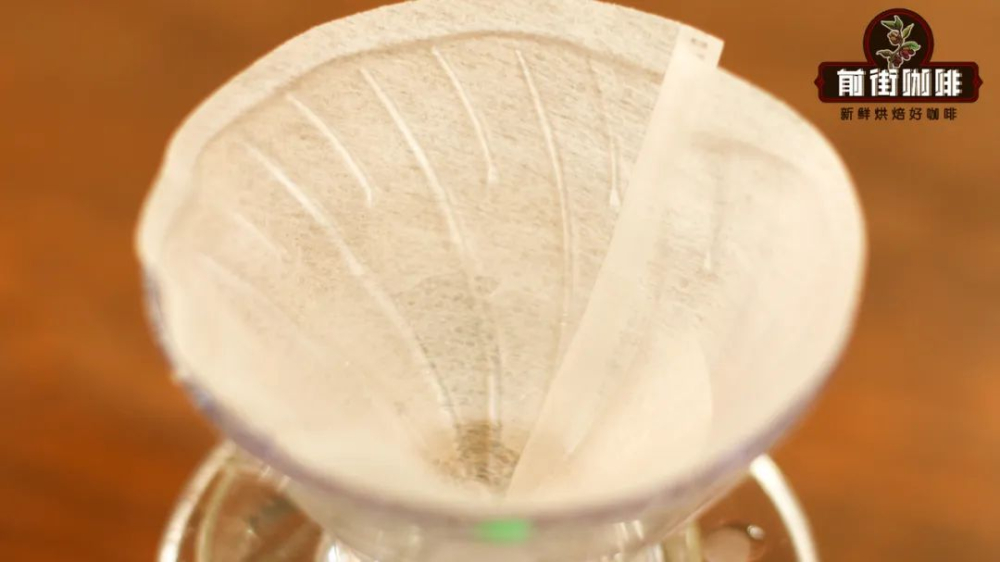
When the water had completely seeped through, the non-woven fabric filter paper showed a rather special phenomenon: it was still dry! As if a layer of wax had been plated on the cloth, it was almost not wet at all, and therefore did not fit the dripper at all! This means we need to use hot water to rinse it, reducing its "waterproof ability" so that it can better fit the dripper!
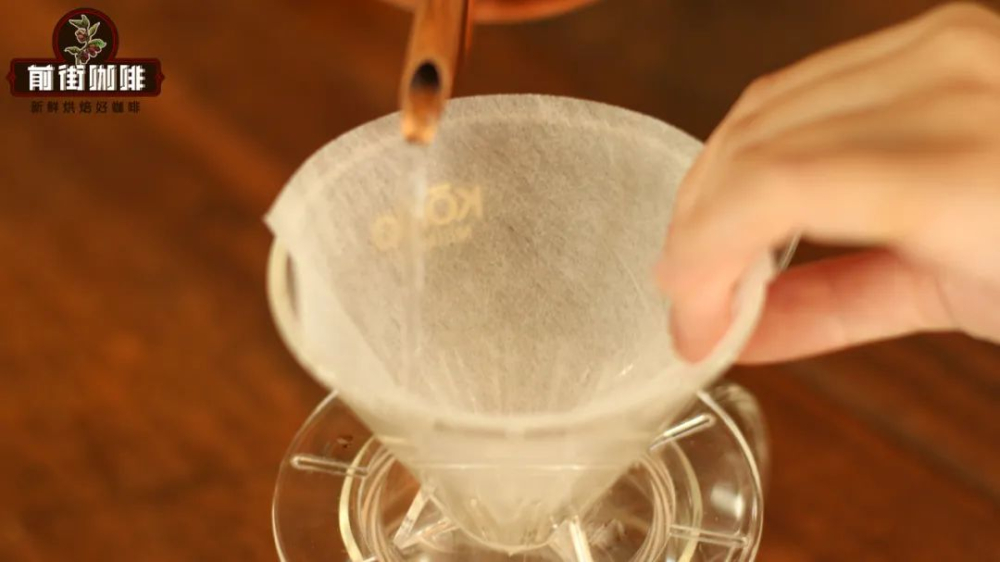
After several experiments, Front Street found that about 200 ml of 95°C hot water was needed to eliminate its "waterproof ability" and make it fit the dripper. So, to be honest, it is still a bit wasteful of water... Next, let us carry out a brewing experiment to see what differences coffee brewed with non-woven fabric filter paper will have. Brewing Experiment The bean selected this time is Brazil·Queen Estate. It has traditional Brazilian flavors such as nuts, cream, and chocolate, and is very clean. Dose used: 15 g Grind setting: Ek43 setting 10.5, 60% passing rate through a No. 20 sieve. Coffee-to-water ratio: 1:15 (225 ml hot water) Brewing water temperature: 88°C Brewing method: three-pour method Dripper used: Kono First, we rinse the filter paper with hot water so that it can better fit the dripper. Then pour in the coffee grounds and begin brewing.
As usual~ use twice the coffee dose in water (30 ml) for a 30-second bloom, then in a wide circle slowly pour in 120 ml of hot water. When the drip is about to reach the bottom, pour in the remaining 75 ml of hot water in a small circle at the center, and wait for the dripping to finish~
As you can see, a faint layer of substance floats on the surface of the coffee. This layer is what we often call "oil"! Moreover, the color of the whole cup of coffee is much more turbid compared with that brewed with wood pulp filter paper.
In aroma, it has a light nutty note, and because the gaps are slightly larger, much more substance can be filtered out. In addition to the expected flavors such as nuts, cream, and chocolate, the extra substances make the whole cup of coffee fuller in mouthfeel. It feels somewhat similar to flannel, except it is the filter paper version! Notes before use Due to the characteristics of non-woven fabric, it adds more cumbersome steps to our daily operation, so people still choose the simple and quick V60. But if any friends want to try non-woven fabric filter paper, you can pay attention to these two points: 1. Due to the material, its ability to be folded and shaped is weak, and it cannot be formed with a single fold like wood pulp filter paper, so we need to spend more time folding it;
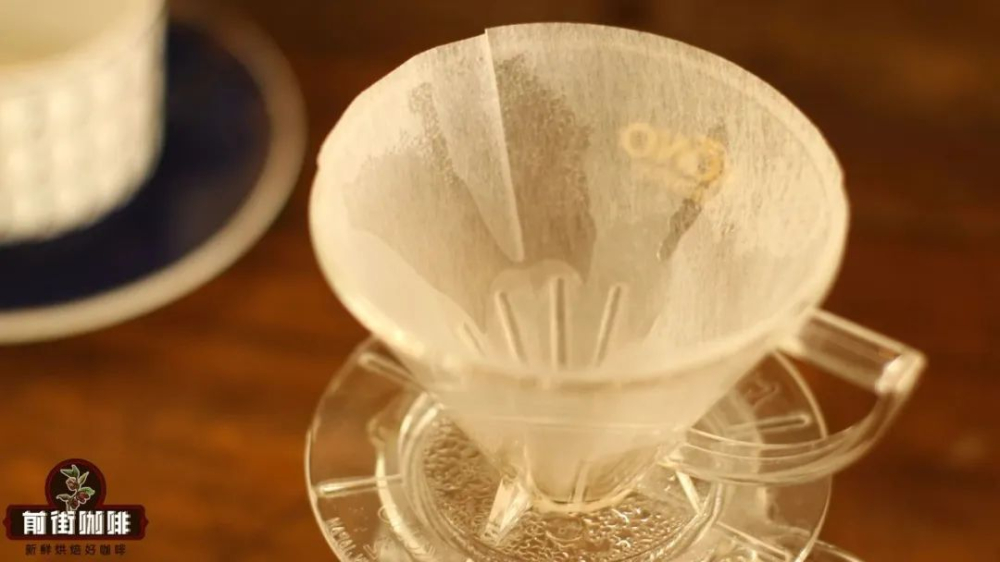
2. If you want it to fit the dripper, then you must use a higher water temperature. Before using 95°C boiling water, Front Street also used 300 ml of 45°C warm water, 300 ml of 65°C warm-hot water, and 300 ml of 75°C hot water, none of which could make it fit the dripper at all. Only after switching to 95°C boiling water could it lower its guard and reach a fitted state with the dripper. When you have completed these two points, you can brew with normal parameters~
- END - Front Street Coffee (FrontStreet Coffee)
No. 10, Baoqian Street, Yandun Road, Dongshankou, Yuexiu District, Guangzhou City, Guangdong Province
The above content is compiled by CoffeeHunters, a coffee news website.


