







Search Results for: multi-stage pouring
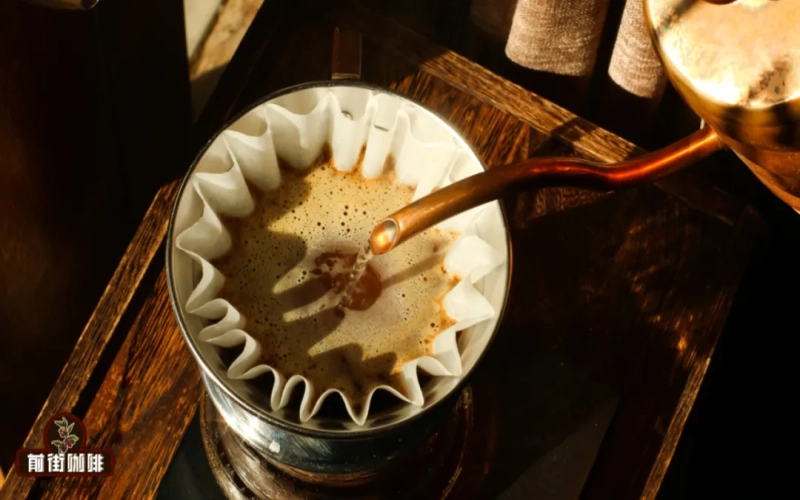
Why Does Pour-Over Coffee Favor Staged Pouring? Analyzing the Extraction Efficiency and Controllability Differences Between the One-Pour Method and the Three-Stage Method
In the world of pour-over coffee, the choice of pouring method often determines the final flavor direction. Although brewing techniques emerge endlessly, multi-pour pouring has always remained mainstream—whether in professional competitions, café offerings, or enthusiasts' daily practice, its presence can be seen everywhere. Many friends who are just getting into pour-over ask Front Street Coffee: why do we always have to divide the water into several pours? Behind this actually involves two key factors: the improvement of extraction efficiency and the controllability of the brewing process. This article will unfold around the differences between single-pour and three-stage pouring and other staged pouring methods, analyzing the advantages of multi-pour pouring from the perspectives of extraction time and concentration differences, while also answering why immersion extraction has a higher fault tolerance rate, helping everyone understand the essence of the pouring logic in pour-over coffee. [more…]
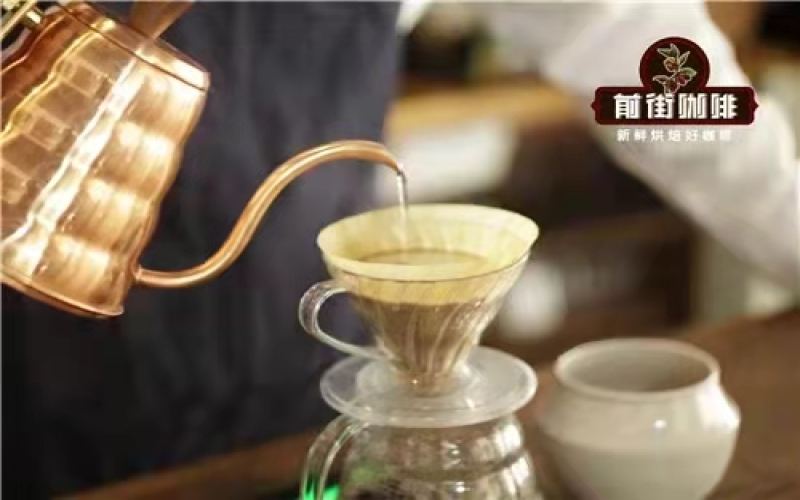
A Complete Analysis of One-Pour Hand-Drip Coffee: Operational Key Points from Blooming to Pouring and Differences Compared with the Three-Pour Method
The one-pour method is the seemingly simplest yet, in reality, most understanding-demanding brewing approach in pour-over coffee. It doesn't require complex staged pouring—just a single pour of the remaining water after blooming. But truly brewing a good cup of one-pour coffee tests not the technique itself, but a systematic command of coffee bean information and brewing parameters. This article will dissect the essence of this brewing method from the angles of the basic principles of the one-pour method, the scientific basis of extraction, the actual differences from multi-stage pouring, and how to judge blooming time, helping you understand why simple doesn't mean easy. [more…]
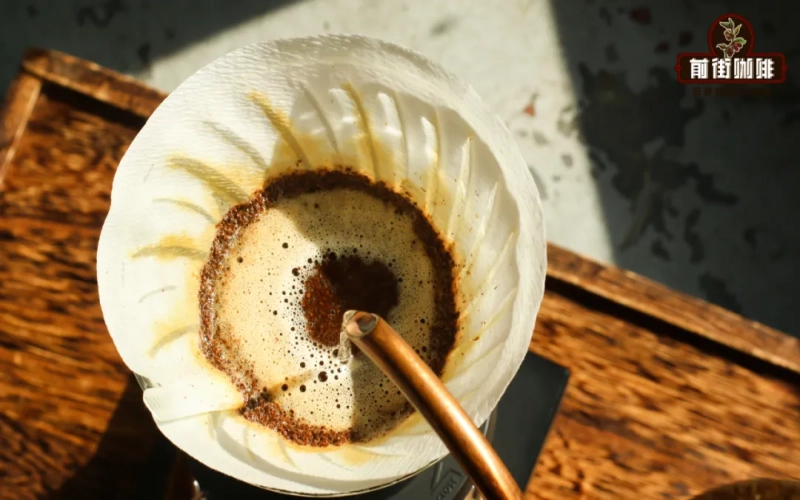
How Should You Decide the Timing for Multiple Pours in Pour-Over Coffee? An Analysis of the Practical Impact of Pour Timing on Extraction Efficiency and Flavor
Multi-pour pouring is a brewing technique commonly used by many enthusiasts in pour-over coffee, but for each pour, should you wait for the water level to drain completely before pouring again, or continue pouring while there is still liquid in the dripper? This seemingly minor choice actually affects the final extraction efficiency through two dimensions: extraction time and liquid concentration. Starting from a comparative experiment at Front Street, this article analyzes the specific effects of different pouring timings on extraction yield and flavor performance, and offers practical advice on how to flexibly choose pouring nodes in different brewing scenarios, helping you more precisely control the flavor direction of every cup of pour-over. [more…]
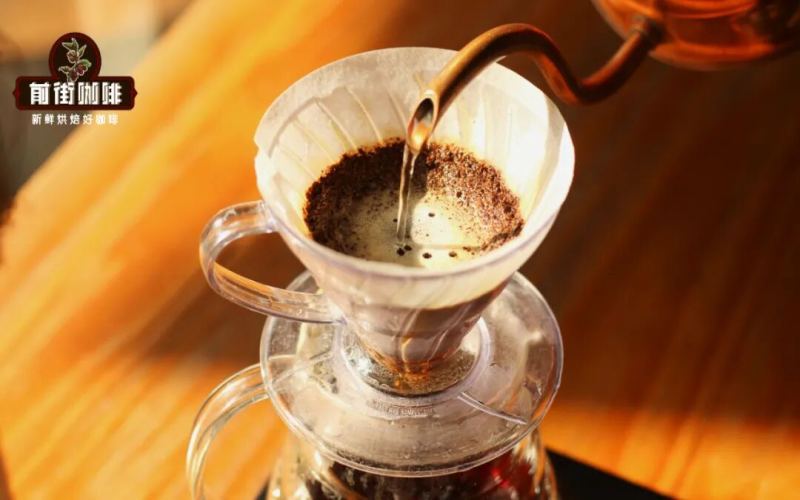
Pour-Over Coffee Brewing Methods | Does Multi-Stage Pouring Make Pour-Over Coffee Taste Better? How to Do Staged Pouring When Making Pour-Over Coffee?
In yesterday's post, Front Street mentioned that one of the advantages of pour-over coffee is its high level of controllability. During the brewing process, we can adjust the pouring method based on the actual situation, so that the coffee's flavor does not stray from being delicious. This statement is not unfounded; many techniques can help us do [more…]
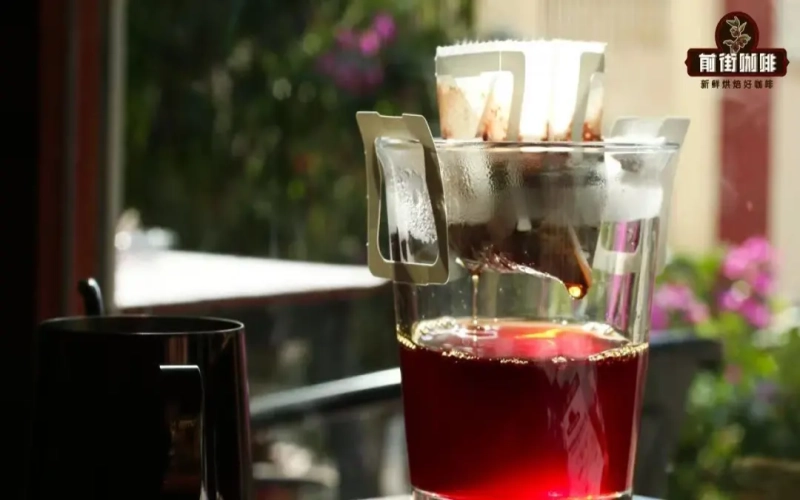
What to Do If the Water Temperature for Drip Bag Coffee Is Not Hot Enough? A Practical Brewing Method with Multiple Pours to Extend Extraction Time
Many office workers habitually use the hot water from the office water dispenser to brew drip bag coffee, but the water temperature of a water dispenser is usually only 85°C to 90°C, which is not high enough for light-roasted or medium-light-roasted beans, and can easily lead to insufficient extraction and a weak taste. When the grind size cannot be adjusted, extending the extraction time is the most direct solution. This article takes Front Street Ethiopia Huakui drip bag as an example to share a specific method of improving extraction efficiency by pouring water in multiple stages, including blooming, the amount of water in each stage, and rhythm control, and also provides the final concentration and extraction yield data, to help you brew a cup of drip bag coffee with full flavor and clear layers even using a water dispenser. [more…]
Can Office Water Cooler Temperature Brew Drip Bag Coffee? A Detailed Guide to the Pulse Pouring Method for Better Extraction
Brewing drip bag coffee with a water dispenser in the office is a common choice for many office workers who want both convenience and quality. But many people find that coffee brewed this way lacks aroma and tastes thin. The problem is likely the water temperature—water dispenser hot water is usually only 85°C to 90°C, which is not high enough for light-roasted coffee. Starting from the practical brewing of Front Street drip bag coffee, this article analyzes the impact of insufficient water temperature on extraction and proposes a solution that requires no change of equipment: extending extraction time by pouring water in multiple stages, thereby compensating for the lack of water temperature. The article also uses the medium-light roasted Front Street Ethiopia Huakui drip bag as an example, sharing detailed brewing parameters and operating steps to help you consistently brew a full-flavored cup of good coffee even in the office. [more…]
Pour-over Coffee Single-Pour Technique Tutorial: A Complete Guide to Brewing Steps, Flavor Characteristics, and Grind Parameters
Among the many ways to brew pour-over coffee, the single-pour method is one of the first techniques many enthusiasts encounter and the easiest to understand. Its core logic is simple and clear—after the bloom, the entire target volume of water is poured in one go. That said, the single-pour method does not mean pouring water only once; the process still consists of two stages: the bloom and the main pour. Coffee brewed this way tends to be clean, clear, and consistent in flavor, but it also places stricter demands on pouring stability, grind size, and other parameters. In this article, from the perspective of a Front Street Coffee barista, we will break down the complete single-pour brewing process in detail, analyze its flavor performance and operational challenges, and help those just getting started quickly master this classic technique. [more…]
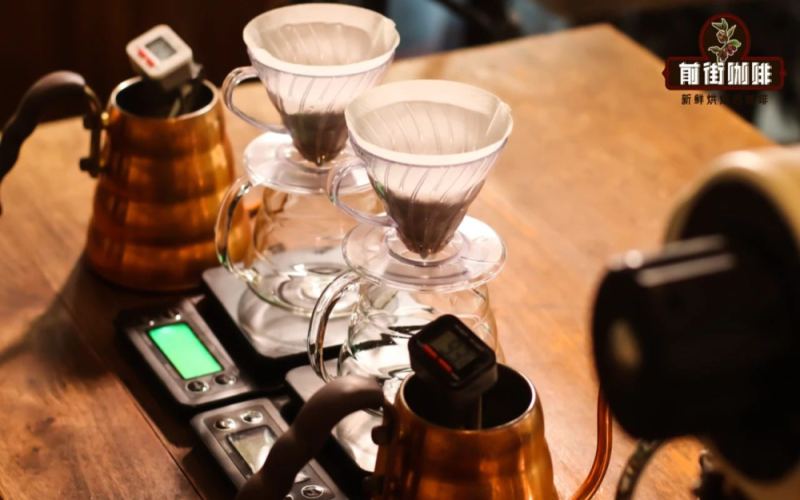
Pour-Over Coffee Techniques Explained | What Is the One-Pour Method? How Does It Differ from the Three-Stage Pour? Which Brews a Better Black Coffee?
For more specialty coffee knowledge, please follow: Front Street Coffee (Frontsteet Coffee). One of the great joys of pour-over coffee is using different brewing techniques to interpret a cup of coffee. And as for pour-over methods, I believe everyone pays close attention. So the most widely spread pour-over technique at present is the one-pour method. [more…]
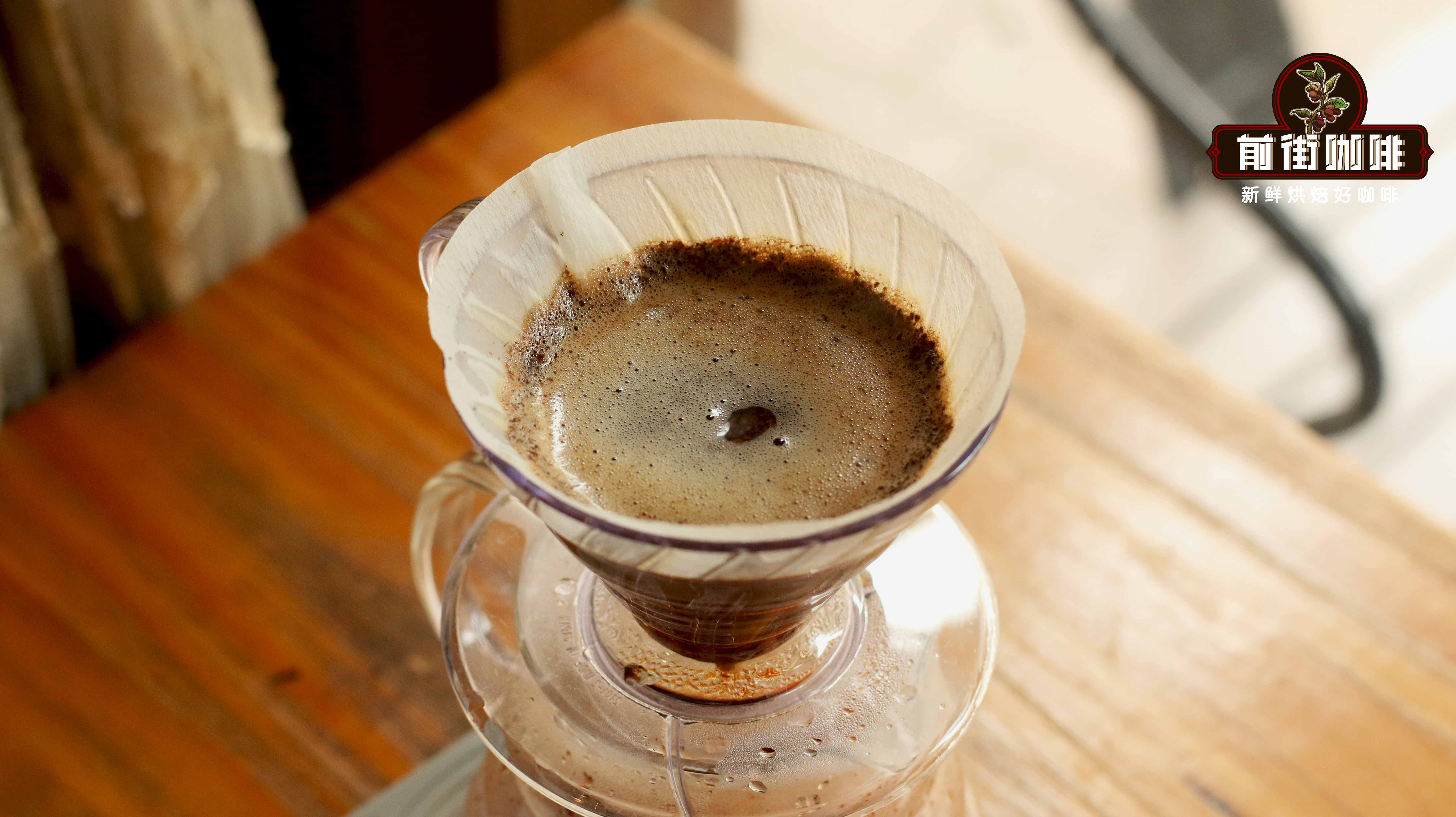
A Complete Analysis of Five Pour-Over Coffee Techniques: Detailed Parameters for One-Pour, Three-Stage, Stirring, 4:6, and Kono Methods
Pour-over coffee may seem simple, but in reality every pouring technique brings out a completely different flavor profile. Front Street Coffee's daily in-store offerings uniformly use the three-stage pour, but the baristas know well that changing the pouring height, water temperature, flow rate, or number of stages is equivalent to creating an entirely new brewing method. This article compiles five distinctive pour-over techniques—the one-pour method, the three-stage method, the agitation method (Rao's spin method), the 4-6 method, and the Kono-style method—breaking down their key operational points and suitable scenarios one by one, along with Front Street Coffee's complete brewing parameters, so that coffee enthusiasts can try them at home one by one and, through comparative tasting, find the cup that best suits their own taste. [more…]
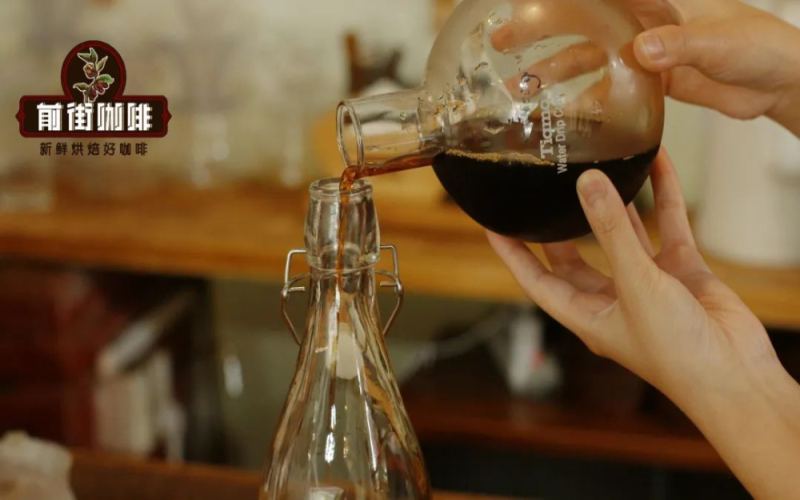
Types of Iced Coffee | How Are Cold Drip, Cold Brew, and Iced Americano Different? How to Make Cold Drip at Home? Which Single-Origin Beans Are Recommended for Cold Drip Coffee with Pronounced Fruity Notes and Strong Sweetness?
There are many kinds of iced coffee, including the iced Americano and iced latte that sell well in many coffee shops, as well as iced pour-over, cold brew, cold drip... Regarding cold drip coffee, aside from the fact that it is often compared for being "more expensive," its long production time and unique taste and mouthfeel also add a lot of mystery to this coffee. [more…]
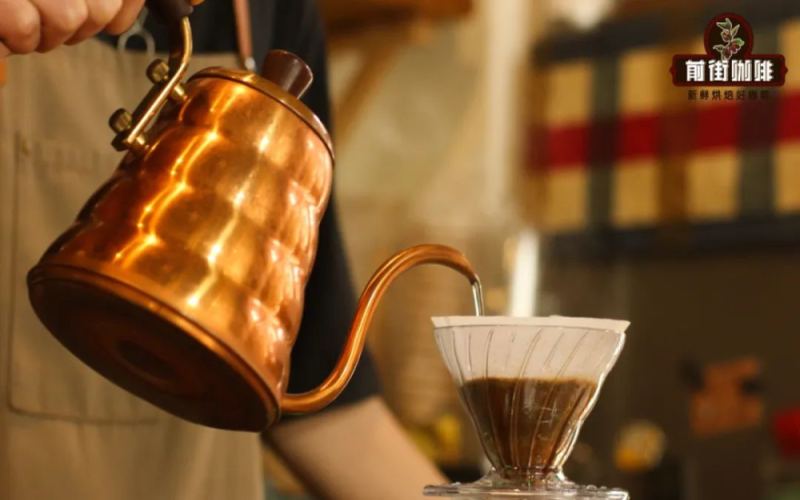
Can pour-over coffee still taste good when the water temperature drops to 80°C? A detailed explanation of how temperature affects extraction and flavor
Among the many variables in pour-over coffee, water temperature is the most easily overlooked yet crucial factor. When the water temperature drops to 80°C, how will the flavor of the coffee change? Is it under-extraction or something entirely different? This article will focus on pour-over practice at 80°C, delving into the effects of temperature on extraction efficiency and flavor expression, and offering practical advice on adjusting grind size, pouring, and other parameters. Whether you are a beginner just starting out or a seasoned connoisseur pursuing perfection, you will find ideas to make your coffee taste better. Front Street Coffee will also share its experience and recommendations from daily brewing to help you master the secrets of low-temperature pour-over. [more…]
Yirgacheffe Worka Cooperative Washed Medium Roast: Flavor Profile & Pour-Over Parameters
The Yirgacheffe region has long been celebrated for its bright acidity and elegant floral aroma, and the washed beans from the Worka Cooperative stand out as one of its most distinctive offerings. These beans come from the small town of Werka in the Gedeb region of southern Ethiopia, run collectively by 305 smallholder farmers and holding Fair Trade and organic certifications. Worka employs traditional washing methods, revealing layers of aroma reminiscent of citrus, lemon, and Tieguanyin, with clean, bright acidity and a long-lasting sweet finish. This article will provide a complete overview—from the cooperative's background, growing conditions, and processing methods to Front Street Coffee's actual brewing recipe—of this washed Yirgacheffe bean that is ideal for beginners looking to experience the region, helping readers build a foundational understanding of its flavor profile. [more…]
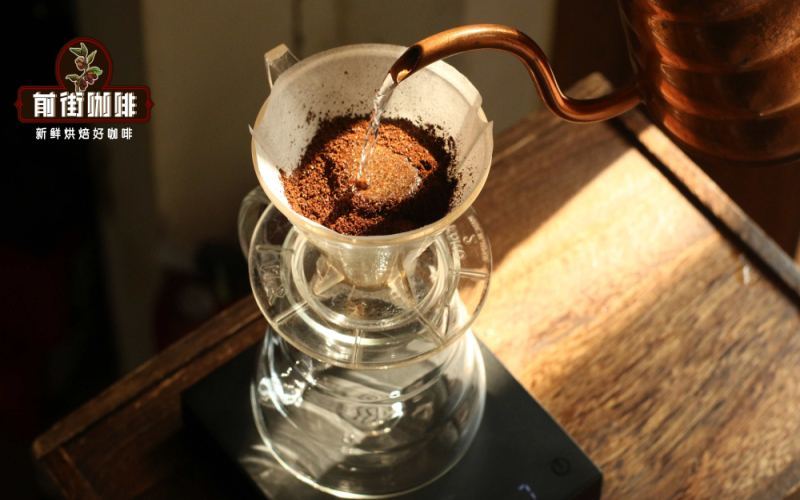
What exactly does "one-pour" mean in pour-over coffee? An in-depth comparison of the extraction differences between one-pour and three-pour methods
Among the various pouring methods for hand-brewed coffee, the "one-pour" technique is the first brewing method many beginners encounter, and it is often compared with the three-stage pour. On the surface, it seems simple to perform—just divide the total water into two pours—and its name is taken from the Japanese swordsmanship term "one strike, two cuts." In practice, however, the one-pour method is the hardest of all techniques to master; a single misstep can produce problems such as a thin, bland taste, sharp acidity, and a flat, one-dimensional flavor profile. In this article, Front Street Coffee provides a detailed analysis of the definition of the one-pour method, how it differs from the three-pour method, and why beginners are advised to start with the three-stage pour, while also explaining the key influence that water-flow control and parameter matching have on the success or failure of the one-pour method. [more…]

A Comprehensive Comparison of the One-Pour and Three-Pour Hand-Brew Methods: Core Differences, Pros and Cons, and Key Steps for the One-Pour Technique
The pouring method in pour-over coffee directly affects the flavor in the cup, and the one-pour and three-stage methods are the two most common approaches. The one-pour method divides the target water volume into two pours, finishing the remaining water all at once after blooming; its name comes from the "one cut, two pieces" concept in Japanese swordsmanship, and though it appears simple, it is the hardest to control. The three-stage method divides the water into multiple pours, giving the brewer more time and opportunities to adjust extraction, with a noticeably higher margin for error. Front Street Coffee has found in daily practice that beginners using the one-pour method often encounter problems such as weak flavor, sharp acidity, and a flat, one-dimensional profile, the root cause being that nearly ninety percent of the water is poured in a single go, leaving no room for correction. This article will systematically sort out the differences between the two methods, analyze the effects of flow rate and pour height on extraction, and explain what techniques and parameter conditions are required to brew good coffee with the one-pour method. [more…]
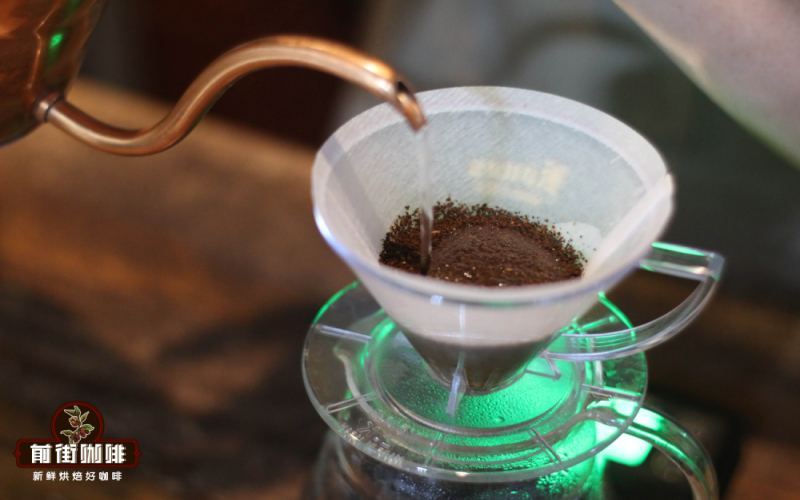
KONO dripper pour-over tutorial: from rib design to staged extraction, a detailed guide to brewing rich, full-bodied medium-dark roast coffee
With its unique short ribs and bottom convex groove structure, the KONO dripper delivers pronounced sweetness and a full-bodied mouthfeel when brewing medium-dark roasted coffee, making it the go-to device for many coffee enthusiasts. Drawing on the hands-on experience of Front Street Coffee, this article first explains the design principles and extraction logic of the KONO dripper, then uses Jamaica Blue Mountain No. 1 as an example to share in detail the coffee dose, water temperature, grind size, and multi-stage pouring technique, helping you reliably reproduce a rich, full-bodied, and layered Japanese-style pour-over coffee at home. [more…]
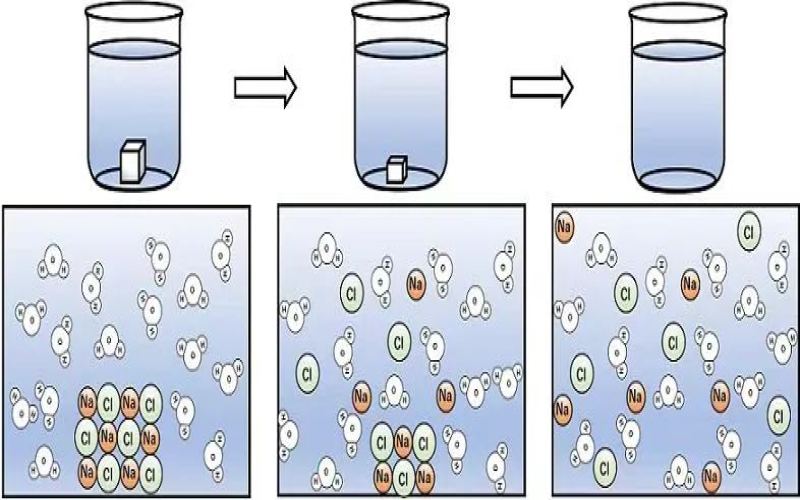
Pour-Over Coffee Brewing Temperature | What Is the Best Water Temperature for Brewing Pour-Over Coffee? Does Brewing Water Temperature Have a Big Impact on Coffee Flavor and Mouthfeel?
For pour-over coffee, most people tend to use higher water temperatures for extraction, because high temperatures not only improve extraction efficiency but, more importantly, bring out a rich, sweet-and-sour aroma and flavor. Basically, the water temperature used for pour-over coffee is rarely below 80°C. So, if you brew coffee below this temperature, is there any [more…]
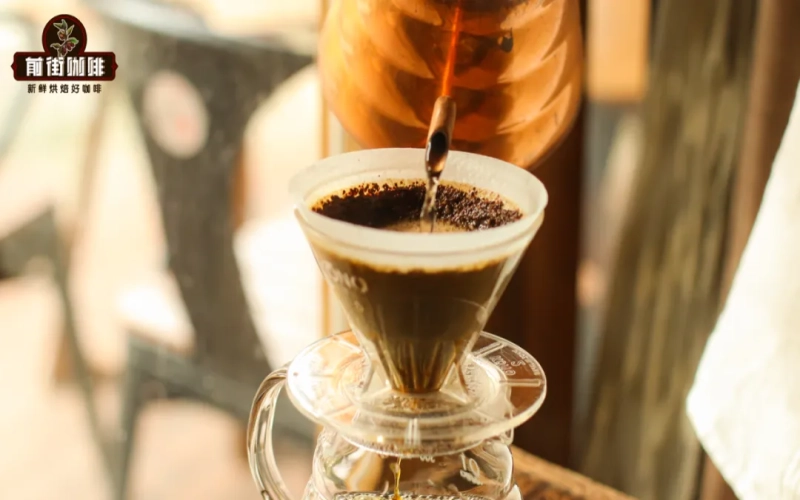
A Complete Analysis of Pour Timing in Pour-Over Coffee: Should You Pour After the Previous Stream Ends or Before It Runs Dry?
When using a multi-pour technique for pour-over coffee, should the next pour of hot water be added before the previous pour has finished draining, or should you wait until it has completely drained? Different bloggers each have their own opinion, and in Front Street Coffee's sharing, the two methods even appear alternately, leaving many enthusiasts completely confused. In fact, the answer is not complicated—the choice of pouring timing directly affects the extraction yield, and the principle behind it is nothing more than two variables: contact time and liquid concentration. Through a set of comparative brewing experiments, Front Street Coffee used four pots of coffee with identical parameters, changing only the timing of the third pour, to measure the specific differences in extraction yield, and provided selection suggestions for different scenarios. After reading this article, you will understand when to pour in advance and when to patiently wait for the previous pour to finish draining, so you can control the flavor of pour-over coffee more precisely. [more…]
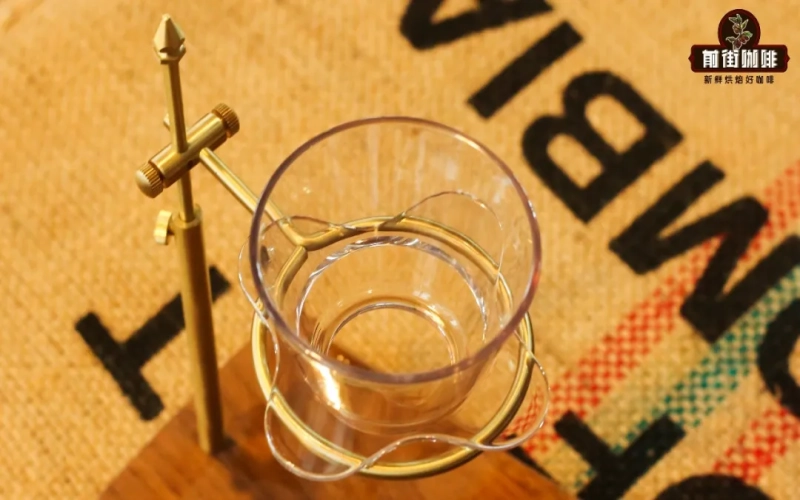
How to Choose Between a Flat-Bottom and a V60 Conical Dripper? Hand-Brew Parameters and Practical Analysis of the Large-Hole Cake Dripper
In the world of pour-over coffee, the shape of the dripper often determines the structure of the coffee bed and the direction of extraction. Flat-bottom drippers and V60 conical drippers each have their own followers, while the large-hole flat-bottom drippers that have emerged in recent years have attracted considerable attention for their combination of immersion and percolation characteristics. This article will compare the differences between the two types of drippers from the perspectives of coffee bed distribution, flow rate, and extraction balance, and, using Front Street Yirgacheffe Gutingding as an example, share in detail the adjustment approach for brewing parameters and practical techniques for the large-hole flat-bottom dripper, helping you find a brewing solution that suits you better. [more…]
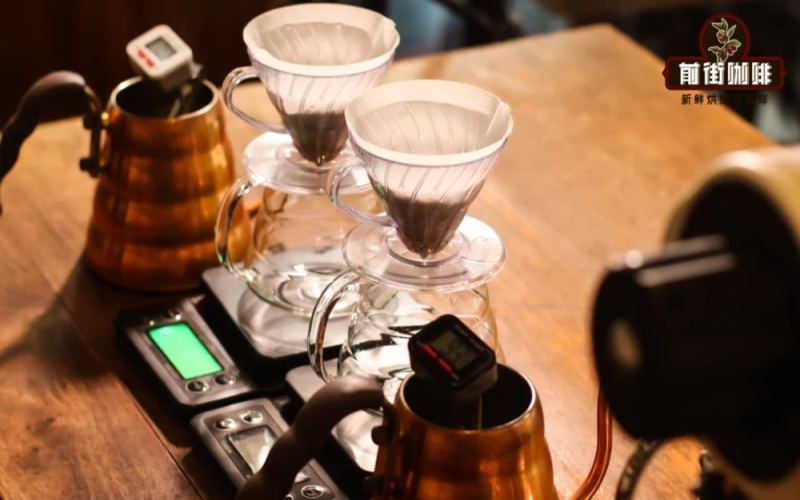
Pour-Over Coffee: One-Pour vs. Three-Pour Comparison — A Comprehensive Analysis of Steps, Ratios, and Brewing Methods
One of the charms of pour-over coffee lies in using different pouring techniques to bring out the diverse flavors of the same bean. Currently, the two most widely used methods—single-pour and three-stage—each have their own followers. Single-pour involves completing the target water volume in one go after blooming; it is simple to operate but extremely demanding on water flow stability and grind size. The three-stage method divides pouring into three phases, enhancing layering and compatibility through staged extraction. Using 15 grams of coffee and a 1:15 coffee-to-water ratio as an example, this article breaks down in detail the specific steps, pouring timing, and parameter requirements of both methods, and combines the brewing performance of Front Street Coffee Huakui and Colombia Huila Washed Caturra to help you find a brewing rhythm that suits you. [more…]
Colombia Huila Coffee Region Explained: The Flavor Code and Brewing Tips of Floral Moonlight Double Anaerobic Natural
Colombia, as the world's second-largest coffee-producing country, has given rise to countless unforgettable specialty coffees thanks to its superior natural conditions and its relentless pursuit of quality. Among them, the Huila region is renowned for its balanced and full-bodied flavors, while Front Street Coffee's Flower Moon Night, with its double anaerobic natural processing method, brings intense strawberry aromas and winey chocolate notes, making it a popular choice among specialty processing methods. This article will systematically sort through the industrial background of Colombian coffee, the terroir advantages of the Huila region, the necessity of manual picking, and the processing techniques and brewing parameters of Flower Moon Night, taking you deep into the story behind this unforgettable coffee. [more…]