








Why does Colombia Huila coffee taste so distinct?
Colombia is the second-largest coffee-producing country and the largest exporter of washed Arabica. The Huila region is known for balanced, full-bodied cups, and double anaerobic natural processing there produces intense strawberry aroma with winey chocolate notes. Manual picking and the country's growing conditions underpin that quality, along with Arabica varieties grown at high altitude.
Colombia's National Federation of Coffee Growers was set up to raise quality, and the country's focus on variety cultivation and production management shows in the cup. For Huila coffee, brewing favors a medium grind and water near 90 to 93 degrees Celsius, with a longer bloom to open the fruit aromatics. Coffee growth in the region turns on altitude, shade, and selective harvesting.
As the world's second-largest coffee-producing country, Colombia, with its superior natural conditions and relentless pursuit of quality, has nurtured countless unforgettable specialty coffees. Among them, the Huila region is famed for its balanced and full-bodied flavors, while Front Street Coffee's Flower Moon Night, with its double anaerobic natural processing method, brings intense strawberry aromas and winey chocolate notes, making it a popular choice among specialty processing methods. This article will systematically outline Colombia's coffee industry background, the terroir advantages of the Huila region, the necessity of manual picking, and the processing techniques and brewing parameters of Flower Moon Night, taking you deep into the story behind this unforgettable coffee.
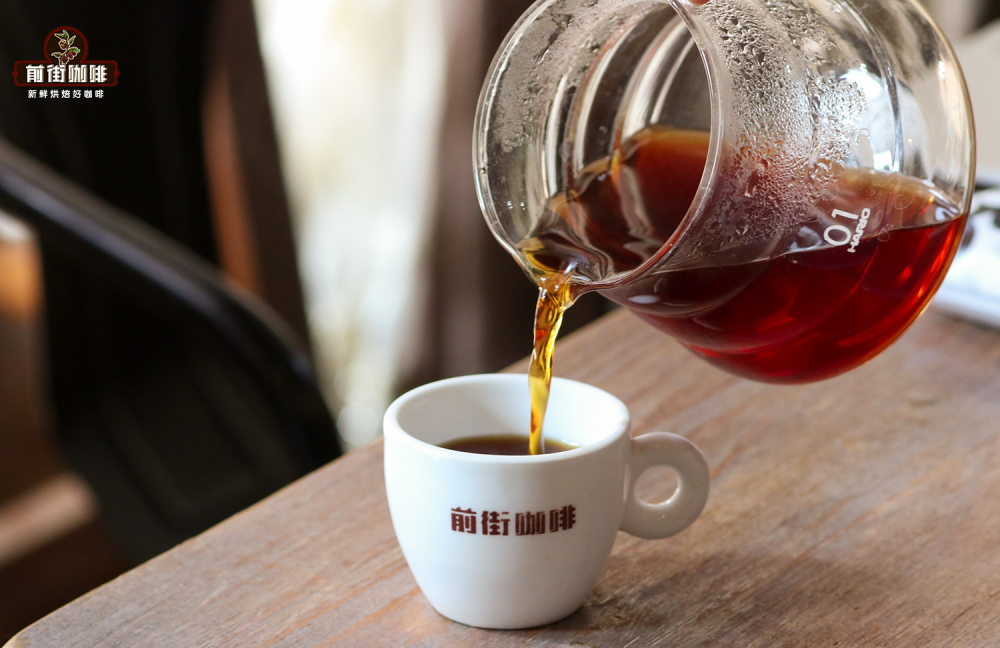
A great cup of coffee often leaves a lingering impression, even making you want to buy it and brew it yourself at home—whether drip bags or freshly ground, you can always enjoy your favorite cup whenever you like. This is probably what people call "falling into the rabbit hole." As the world's second-largest coffee producer, Colombia possesses exactly this kind of charm, making it unforgettable at first sip. The reason Colombian coffee is world-renowned lies in its unique growing environment, high-quality Arabica varieties, and predominantly washed processing methods that fully showcase the coffee's authentic flavors—truly a blessing for coffee lovers. Today, Front Street wants to talk about Colombia's famous Huila region, which always brings us unexpected surprises.
Colombian Coffee
As mentioned earlier, Colombia is the world's second-largest coffee-producing country, mainly cultivating Arabica varieties, and is also the country with the highest Arabica production and the largest exporter of washed Arabica in the world, achieving both quantity and quality. Coffee, along with flowers, emeralds, and gold, is listed as one of Colombia's "Four Treasures" and has long been a national symbol. The key to Colombian coffee's global popularity lies in the country's high regard for quality. The National Federation of Coffee Growers (FNC) was established precisely to improve coffee quality. Compared to other countries, Colombia places more emphasis on variety cultivation and production management, and combined with its superior geographical location and climate conditions, these are the fundamental reasons for its world-renowned reputation.
Huila Coffee Region
This region is located in the southern part of Colombia's Central Cordillera and is the country's most renowned coffee-producing area. Surrounded by mountains with predominantly hilly terrain, the planting altitude generally exceeds 1,500 meters, creating ideal conditions for coffee growth—high altitude brings abundant rainfall, rich moisture, and significant temperature differences, allowing coffee beans a longer maturation period to accumulate more sugars and flavor compounds, greatly enhancing the flavor and mouthfeel. Coffee from Huila is a representative of Colombian specialty coffee, with exceptional balance, and high-altitude lots are especially hailed as national treasures of extremely high quality.
Colombia uses an altitude-based grading system, with the highest grade called Supremo, featuring plump beans and the fewest defects and impurities; the next is the Excelso grade, with smaller beans, belonging to the standard level. Thanks to the superior environment of the region, Huila coffee has a rich flavor, mild acidity, and full body, with nutty and chocolate aromas, and a sweet, long-lasting finish.
In Front Street's daily drinking bean series, the one representing Colombia is a traditional washed coffee bean from the Huila region. Although categorized as a daily drinking bean, its quality is far from ordinary. This Huila coffee bean is Supremo grade, with large, plump beans and a low defect rate. Its flavor presents an extremely classic Colombian style—nutty, creamy, chocolate notes, interwoven with subtle sweet fruity aromas.
Manual Picking
Don't wonder why manual picking can also be a reason for Colombian coffee's quality—it truly is one of the key factors. Colombia's terrain is dominated by high mountains, steep and rugged, with high planting altitudes, making it difficult for machines to operate smoothly. Moreover, since high mountains cannot be navigated, mechanical picking often strips entire branches of coffee cherries, taking them all regardless of ripeness, resulting in low efficiency and time consumption. Manual picking, on the other hand, allows for selecting fully ripe coffee cherries, ensuring raw material quality. Although labor costs are higher, the high-quality performance has won the favor of many coffee merchants, which is also one of the reasons why Colombian coffee is relatively expensive.
Processing Method
Washed processing is the mainstream method in Huila, but this time we're introducing Flower Moon Night, a Colombian double anaerobic natural processed coffee—the very one that leaves people unable to forget after drinking it. The double anaerobic natural process first involves floatation of freshly picked coffee beans to select high-quality coffee cherries, then placing them in sealed stainless steel tanks and injecting carbon dioxide to displace oxygen. The coffee cherries undergo slow fermentation in a low-temperature, oxygen-free environment for 15 to 20 days, developing richer flavor compounds and a more prominent, full-bodied mouthfeel, with more intense aromas, obvious fermented wine notes, higher sweetness, and lower acidity. After fermentation is complete, the coffee beans are then dried.
This double anaerobic natural Flower Moon Night was one of Front Street's best-selling specialty coffees using special processing methods in 2020. With its intense strawberry flavor, chocolate, and winey notes, customers often ask about the story behind it, curious about how it can have such rich and sweet flavors. Ultimately, this is the surprise brought by innovative processing methods and one of the reasons for the rapid development of specialty coffee—though of course, there's still a long way to go. Next, let's introduce the brewing method for this coffee; its intense strawberry aroma is absolutely alluring.
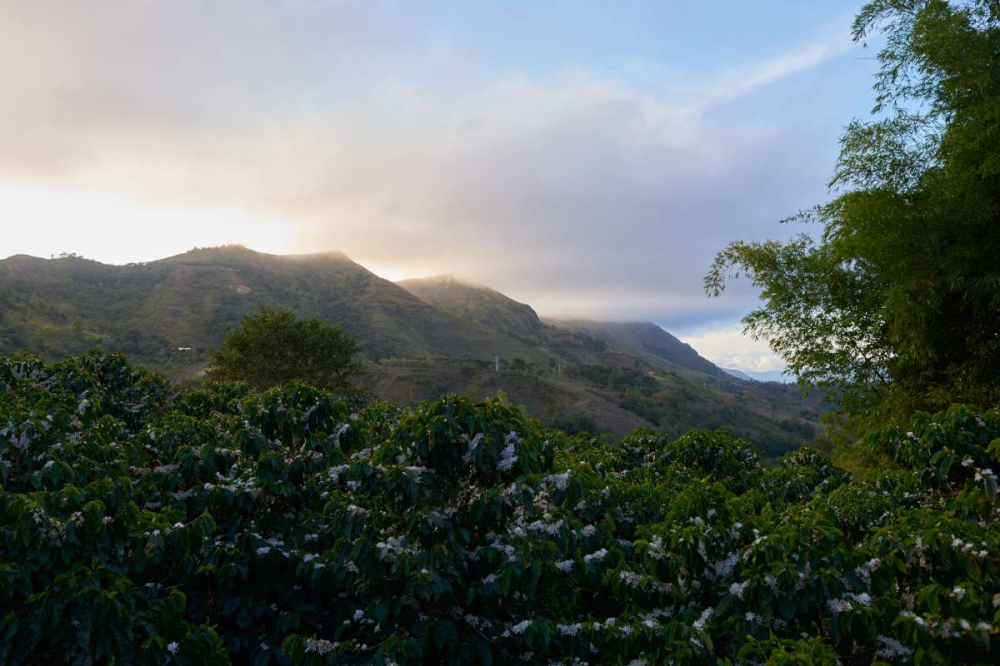
Front Street Coffee Colombian Flower Moon Night
Region: Huila
Estate: El Diviso Estate
Altitude: 1,800m
Variety: Caturra
Processing Method: Anaerobic Natural
Front Street Coffee Brewing Recommendations
Dripper: V60
Water Temperature: 91°C
Dose: 15g
Coffee-to-Water Ratio: 1:15
Grind Size: Medium-fine (80% passing through a No. 20 sieve)
Front Street recommends using freshly roasted coffee beans for brewing, as this allows you to experience the coffee's rich flavors to the fullest. Coffee beans shipped by Front Street Coffee are all within 5 days of the roast date, because Front Street deeply understands the significant impact of bean freshness on flavor. Front Street's roasting philosophy is "Freshly Roasted Good Coffee," ensuring every customer who places an order receives the freshest coffee possible. Coffee beans need a resting period of about 4-7 days, so when customers receive them, they are at their peak flavor.
Front Street Coffee Brewing Technique – Multi-Stage Extraction
Bloom with 30g of water for 30 seconds, then pour in a slow circular motion with a small stream until reaching 125g for the first stage; when the water level is about to expose the coffee bed, continue pouring until reaching 225g and stop. When the water level is about to expose the coffee bed again, remove the dripper. (Timing starts from the beginning of the bloom.) Total extraction time: 2'00".
Flavor Description: Strawberry jam, fermented wine aroma, winey chocolate
For professional coffee knowledge exchange and more coffee bean information, please follow Coffee Workshop (WeChat public account: cafe_style). For more specialty coffee beans, please add the private WeChat of Front Street Coffee (FrontStreet Coffee), WeChat ID: qjcoffeex
The above content is compiled by CoffeeHunters, a coffee news website.


