







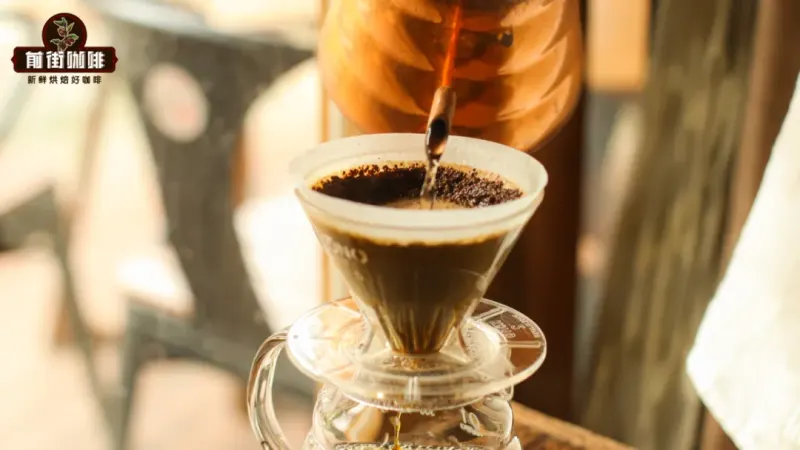
When should the next pour start in a coffee V60 brewing cup?
With multi-pour methods in a coffee V60 brewing cup, the next hot water can be added before the previous pour fully drains or after it drips through. A controlled test brewed four pots with identical grind, water temperature, ratio, and technique, changing only the timing of the third pour, to measure extraction yield differences.
The choice comes down to contact time and liquid concentration. Pouring early keeps the bed hotter and extends contact; waiting for the bed to drain shortens it. Front Street Coffee advises matching the timing to the coffee's roast level and the flavor target, since the effect stays limited when the number of pours is small.
When using multi-pour techniques for pour-over coffee, should the next pour of hot water be added before the previous pour has fully drained, or should you wait until it has completely drained? Different bloggers each have their own take, and even in Front Street Coffee's shares, the two methods alternate, leaving many enthusiasts confused. Actually, the answer isn't complicated—the choice of pouring timing directly relates to the extraction yield, and the underlying principles are simply contact time and liquid concentration. Front Street Coffee conducted a controlled brewing experiment using four pots of coffee with identical parameters, only changing the timing of the third pour, to measure the specific differences in extraction yield and provide advice for different scenarios. After reading this article, you'll understand when to pour early and when to patiently wait for the previous pour to finish, allowing you to more precisely control the flavor of your pour-over.
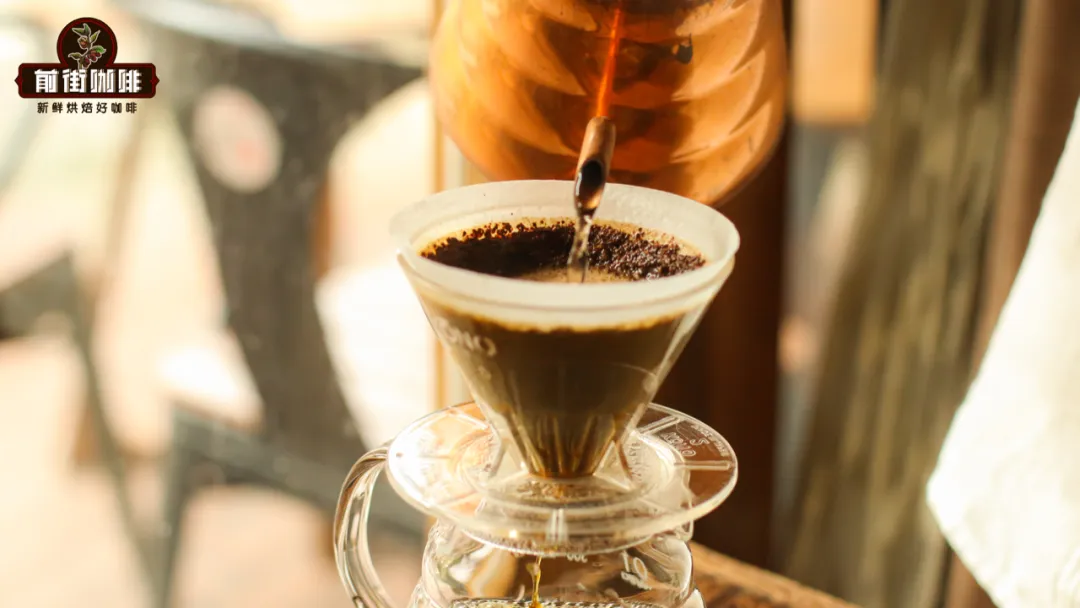
Multi-stage pouring refers to the practice of splitting the total hot water needed for the brewing process into several separate pours. The commonly used three-stage method at Front Street Coffee is a prime example. When using this brewing method, the key question everyone cares about is when to inject the third and subsequent pours: should you pour while the previous hot water hasn't fully drained, or wait until it has completely dripped through?
Bloggers give inconsistent answers, and even in Front Street Coffee's own published content, both methods have been used alternately. As a result, many friends get more confused the more they read, unsure of exactly when to pour the next stage. Actually, this matter isn't as mysterious as it seems—if the number of stages is not large, the impact is quite limited. The key is to understand how pouring at different times affects extraction. This time, Front Street Coffee will combine practical operation to discuss the specific changes that pouring timing brings to coffee and how to choose.
Brewing Experiment
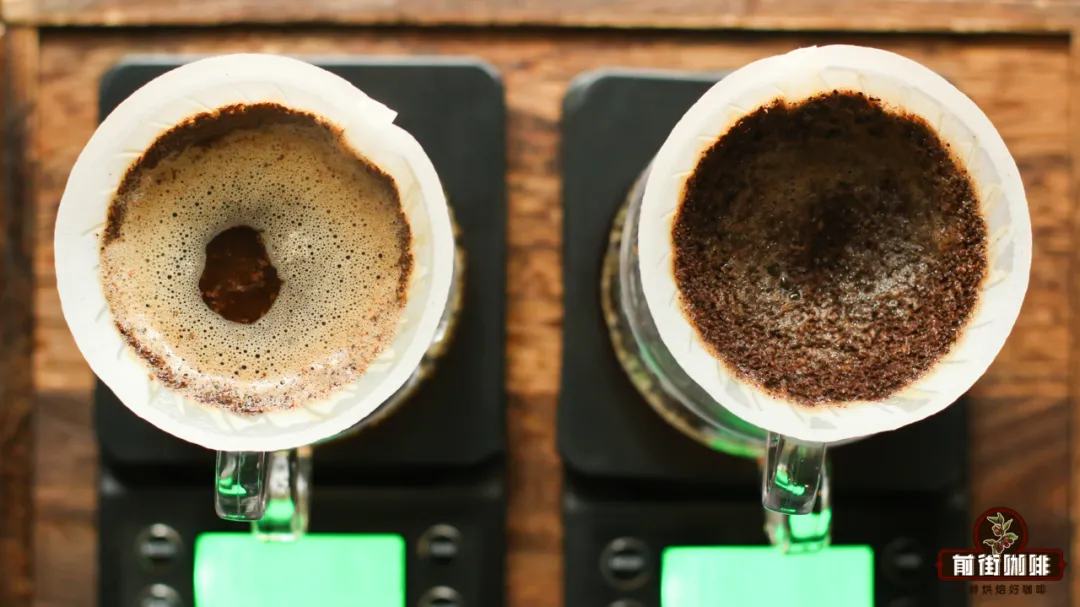
This time, Front Street Coffee will brew two groups of coffee using the three-stage method, with two pots per group. The grind, water temperature, coffee-to-water ratio, and pouring technique for all four pots are completely identical; the only variable is the timing of the third pour of hot water. One group pours when the previous hot water is nearly gone, while the other waits until the previous hot water has completely drained before pouring, comparing the extraction differences between the two timings. (The left side shows a reference of hot water in the dripper permeating until it is nearly gone.)
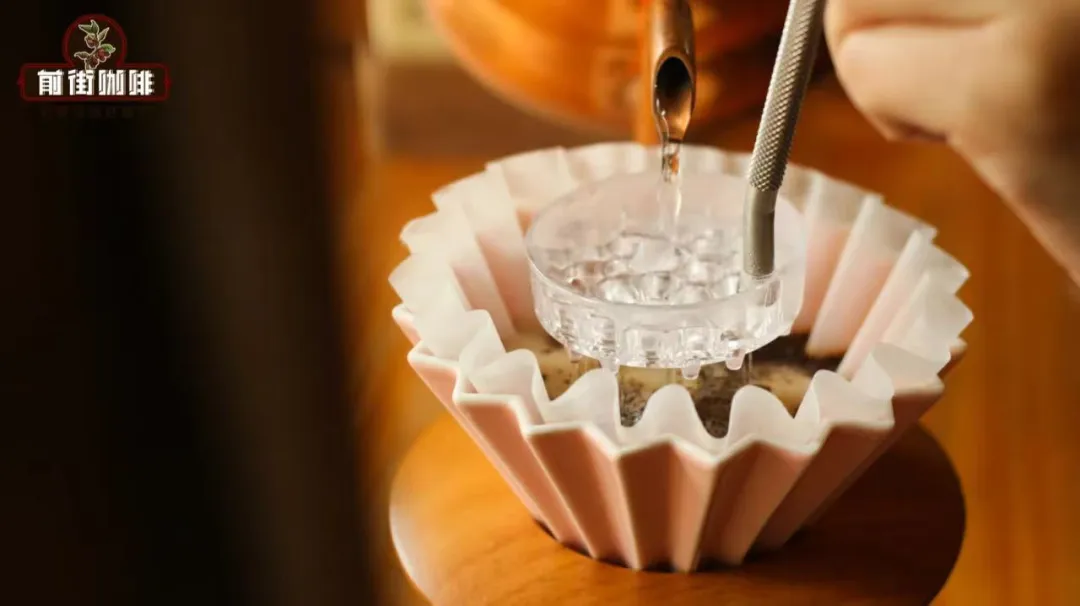
To minimize interference from manual brewing, Front Street Coffee will use a pour-over accessory—a showerhead dripper—for this experiment. It can split the injected hot water, avoiding significant extraction deviations caused by differences in water flow or stirring intensity. ( Although this also happens, it's not as pronounced in comparison) .

Since this experiment does not evaluate coffee taste, Front Street Coffee randomly picked a batch of beans for testing. The extraction parameters are as follows: Dose: 15g Grind setting: Ek43 setting 10 Coffee-to-water ratio: 1:15 Water temperature: 92°C Dripper used: V60 Pouring method: three-stage The brewing process for the four pots is basically the same: first, bloom with 30ml of hot water for 30 seconds; after blooming, pour the second stage of 120ml over 20 seconds, bringing the time to 50 seconds. Then, depending on the purpose, pour the third stage of 75ml at different points, with the third stage controlled to finish within 15 seconds.
Due to proper control of the pouring rate, the flow rate of the four pots was almost identical. The hot water from the second pour was nearly gone at around 1 minute 10 seconds, and Front Street Coffee chose two pots to pour the third stage at this moment. The other two pots waited until the hot water in the dripper had completely drained before pouring the third stage (drain time was consistently 1 minute 20 seconds) , then waited for the coffee to finish dripping before measuring the extraction yield.
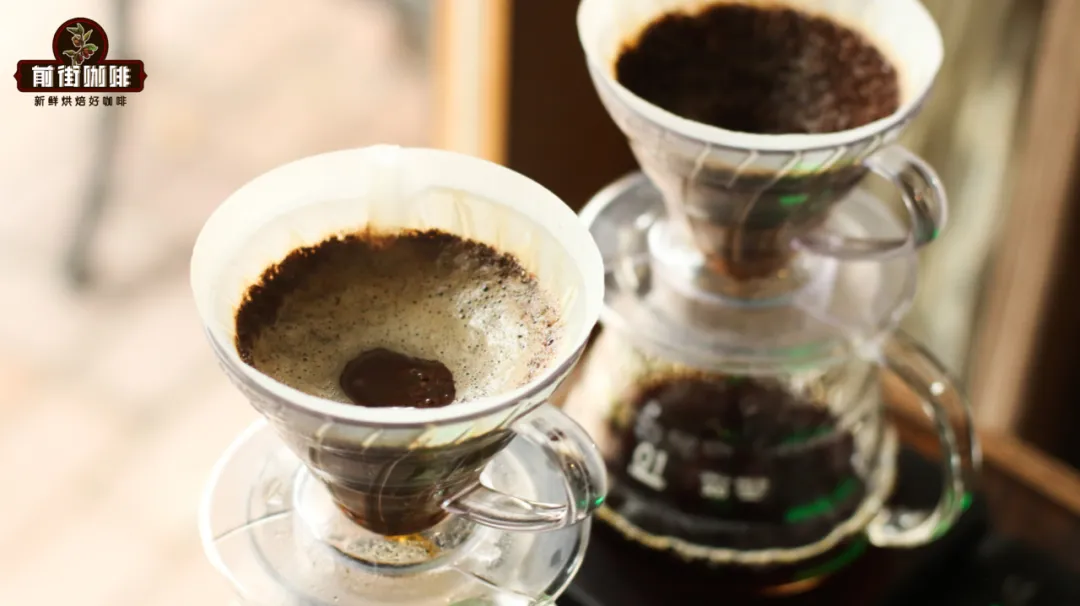
The two pots with the earlier third pour had a total extraction time of 1 minute 50 seconds, and the extraction yields measured at 33°C were 16.33% and 16.88%, respectively; the latter two pots that waited for the second pour to finish before pouring the third stage had a total extraction time of exactly 2 minutes, with extraction yields at 33°C of 17.30% and 17.58%, respectively. It can be seen that even with roughly the same extraction parameters and pouring method, different pouring timings still cause some variation in extraction yield. There are two reasons for this difference: one is time, and the other is liquid concentration.
In the article "Why Is It Best to Pour in Multiple Stages for Pour-Over Coffee" , Front Street Coffee mentioned that staged pouring can effectively increase extraction yield, and the principle is the same—the water contacts the coffee grounds for a longer time, and the liquid concentration during extraction is relatively lower. So, how to decide the pouring timing becomes clear: when you want higher extraction yield, choose to wait until the previous hot water has completely drained before pouring the next stage. For example, if the grind is coarser and the water temperature is lower, causing the previous pour to flow too quickly and likely leading to under-extraction, you can wait for the water to finish before pouring the next stage; or split the pouring into more stages to further increase the extraction yield.
If you want to appropriately suppress the increase in extraction yield—for example, when the water temperature is too high, the grind is too fine, or the previous pour is slow due to clogging, situations prone to over-extraction—you can slightly advance the pouring timing. When about one-third of the previous hot water remains in the cup (or is nearly gone) , you can pour the next stage. It's worth noting that many friends think that extending the waiting time will lower the temperature of the hot water and coffee bed, thereby reducing extraction yield. But in fact, the impact of temperature is not that significant, not as much as the effects of time and concentration, so there's no need to worry about the impact of temperature drop caused by extended time~ - END -
The above content is compiled by CoffeeHunters, a coffee news website.


