








Which Hand Brewed Coffee Pouring Method Should You Use?
The one-pour method splits the target water into two pours, finishing everything after blooming, while the three-stage method spreads water across several pours. The one-pour approach looks simple but is the hardest to control. Beginners who use it often end up with weak, sharply sour coffee and a flat, one-dimensional profile.
The problem comes from pouring nearly ninety percent of the water in a single go, which leaves no room to correct the extraction. Multi-stage pouring gives the brewer more chances to adjust. Flow rate and pouring height both affect extraction, so the three-stage method is easier to learn with, even though it does not guarantee better flavor on its own.
The pouring method in pour-over coffee directly affects the flavor in the cup, and the one-cut method and the three-stage method are the two most common approaches. The one-cut method divides the target water volume into two pours, finishing the remaining water all at once after blooming; its name comes from the "one-cut" strike in Japanese swordsmanship, and though it looks simple, it is the hardest to control. The three-stage method divides the water into multiple pours, giving the brewer more time and opportunities to adjust extraction, and its margin for error is clearly higher. In daily practice, Front Street Coffee has found that beginners using the one-cut method often end up with weak, sharply sour coffee with a flat, one-dimensional profile, and the root cause is that nearly ninety percent of the water is poured in a single go, leaving no room to correct course. This article systematically sorts out the differences between the two techniques, analyzes how flow rate and pouring height affect extraction, and explains what pouring skills and parameter conditions are needed to brew good coffee with the one-cut method.
The so-called one-cut method refers to a brewing approach in which the target water volume is split into two pours. The name comes from the "one-cut" style in Japanese swordsmanship, borrowing the sense of "cutting cleanly in two with a single stroke." Because it looks extremely simple to perform, many people who are just getting into pour-over are eager to try it.
Yet this seemingly simple brewing method is in fact the hardest of all techniques to master! Front Street is not exaggerating here—anyone who has used the one-cut method has probably experienced this: weak, sharply sour, one-dimensional coffee is all too common. The reason is that after blooming ends, the remaining water has to be poured in all at once.
Front Street recommends that beginners use the three-stage brew, not because coffee made with the three-stage method is necessarily tastier than with the one-cut method, but because compared with the one-cut method, it is much easier to brew a good cup with the three-stage method. In the article "Why Is It Best to Pour Pour-Over Coffee in Multiple Stages?", Front Street explained in detail that multi-stage pouring methods like the three-stage method let us brew good coffee more easily, because when the target water volume is split into several pours, we have more chances to adjust extraction (time, extraction yield), and the margin for error is greater.
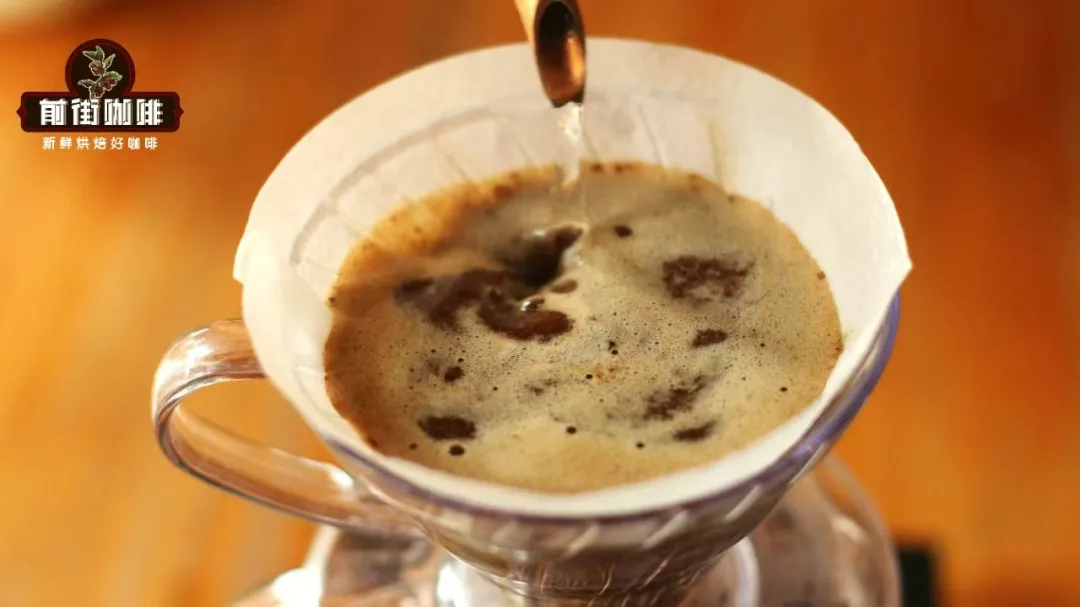
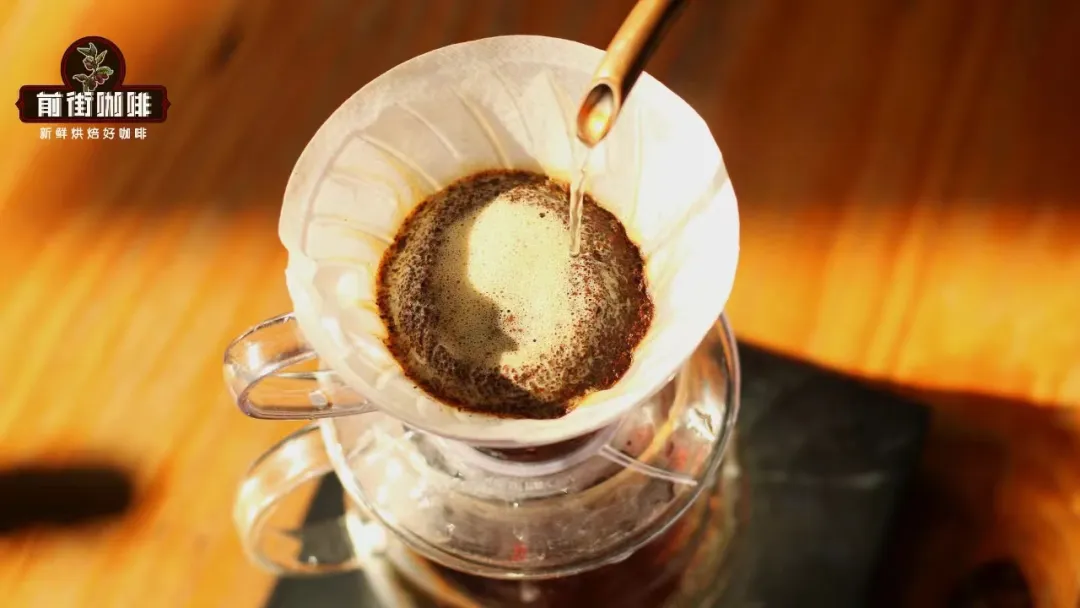
With the one-cut method, nearly 90% of the water is poured in a single go, so there is no room for correction—success or failure hinges on that one pour. The flow rate and pouring height directly determine the overall extraction of the coffee. If you pour too fast and too much, the extraction time tends to be too short and the coffee may be under-extracted; if you pour too slowly and too little, the extraction time tends to be too long and the coffee may be over-extracted. So if we want to brew a good cup with the one-cut method, control of the flow is absolutely an indispensable skill. Besides technique, a matching set of brewing parameters is also a necessary condition for brewing good coffee with the one-cut method. Most people, when comparing the one-cut method with the three-stage method, use the same set of parameters, and if the results go as expected, the coffee brewed with the one-cut method will be a notch inferior—for example, a thinner body and somewhat under-extracted.
The above content is compiled by CoffeeHunters, a coffee news website.


