







What Makes One-Pour Coffee Hard to Brew Well?
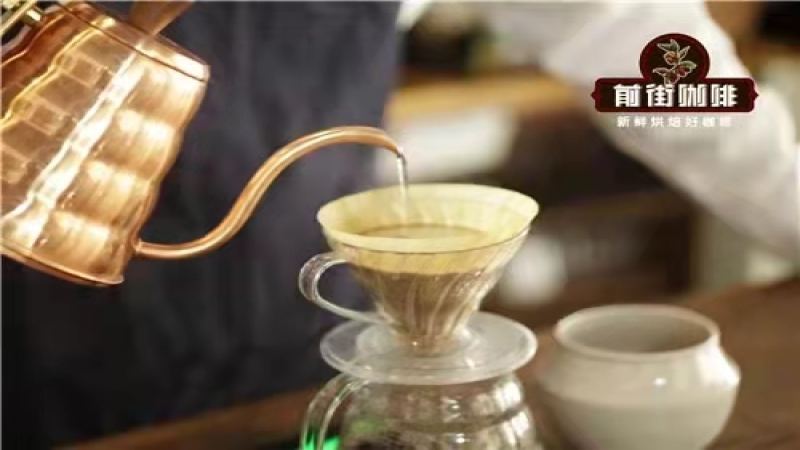
The one-pour method means blooming the grounds, then adding all the remaining water in a single pour instead of staged pours. It looks simple because there are no intermediate pouring checkpoints, but it still demands control over bloom water amount, blooming duration, and steady flow. The real difficulty is not technique alone but command of bean information and brewing parameters.
The methods matters because it changes extraction. A single pour keeps the water level and temperature curve different from multi-stage pouring, which shifts how flavors are pulled from the grounds. That also affects the words to describe coffee taste, since sweetness, acidity, and body land differently in the cup. The processing of coffee beans before roasting sets the starting point that these brewing choices then emphasize or mute.
The one-pour method is the seemingly simplest yet, in reality, most understanding-demanding brewing approach in pour-over coffee. It requires no complex staged pouring—just a single pour of the remaining water after blooming. But truly brewing a good cup of one-pour coffee tests not the technique itself, but a systematic command of coffee bean information and brewing parameters. This article will dissect the essence of this brewing method from the angles of its basic principles, the scientific basis for extraction, its practical differences from multi-stage pouring, and how to judge blooming time—helping you understand why simple does not equal easy.
If you're not sure what "one-pour method" means, click here for a quick introduction【 portal 】
"One-pour method" is basically just pouring all the remaining water in one go after blooming, right? How hard can that be? The only part that truly requires skill is the ability to control the water flow during pouring.
But is it really that simple? It's a bit like learning a language. Many university students choose Japanese as a second foreign language. Apart from those genuinely interested, most pick it because they think Japanese has a low barrier to entry. China and Japan both belong to the Chinese character cultural sphere, with deep cultural roots, so learning Japanese does offer natural advantages compared to Latin-based languages. And it's precisely this convenience that makes people assume Japanese is easy. But in reality, compared to English, Japanese is quick to start but hard to master—once you get past the beginner level, the complex grammatical systems and honorific expressions come one after another, making English subordinate clauses seem trivial by comparison.
I've gone off on a tangent. The "one-pour method" is similar to the Japanese language situation—both are easy to pick up but extremely difficult to master. The "easy to learn" part is at the operational level: the process is simple, you don't need to hit every pouring checkpoint like other methods, and you don't need precise water control. You just need to grasp the bloom water amount, blooming duration, and the stability of the pour after blooming—the whole process doesn't require much judgment or thinking.
At the same time, the one-pour method has its own scientific extraction logic. The first pour of a small amount of water serves to let the coffee bed fully absorb water, expand, and release gases, creating conditions for subsequent extraction. The second pour takes on the main task of extracting flavor compounds, and just like that, a cup of coffee is done. Moreover, this extraction logic applies to coffee beans of different roast levels. In other words, once you truly master the one-pour method, you have the brewing ability to handle all kinds of coffee beans.
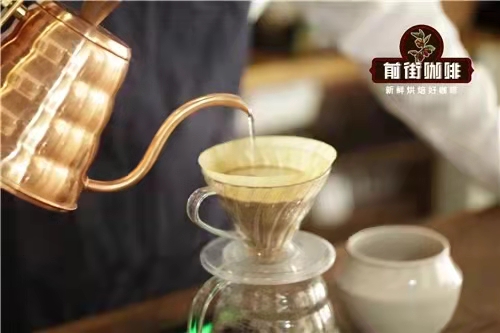
Next comes the "hard to master" part. The difficulty of the one-pour method lies not in the brewing action itself, but in whether you have a thorough grasp of the coffee bean information before brewing, and whether your brewing parameters are rigorous. Coffee bean information covers origin, altitude, processing method, roast level, etc.; parameters include water temperature, coffee-to-water ratio, grind size, etc. To brew a good cup with the one-pour method, you must learn to set up an extraction plan based on the specific conditions of the beans.
Many people, when understanding brewing techniques, stop at the level of "how to pour for better taste." Once a particular pouring method doesn't work well, they switch to another. As for parameters, they rely entirely on others' recommendations, or use the same set of parameters regardless of what beans they're brewing.
Many people, when distinguishing the differences between the one-pour method and multi-stage pouring—including Front Street Coffee—typically describe it this way: the one-pour method produces coffee that is cleaner, with more prominent acidity and a thinner mouthfeel; multi-stage pouring delivers better sweetness and a fuller body.
Such statements seem fine on the surface, but there's actually a hidden premise—that both are being compared using the same set of parameters. If you switch to parameters suited for multi-stage pouring, then of course multi-stage pouring tastes better than the one-pour method; conversely, if you brew with parameters suited for the one-pour method, multi-stage pouring may not necessarily show any advantage.
The seemingly simple "one-pour method" actually has a point that is harder than other brewing methods—grasping the blooming time, or rather, judging whether the coffee bed has been fully and evenly saturated with water.
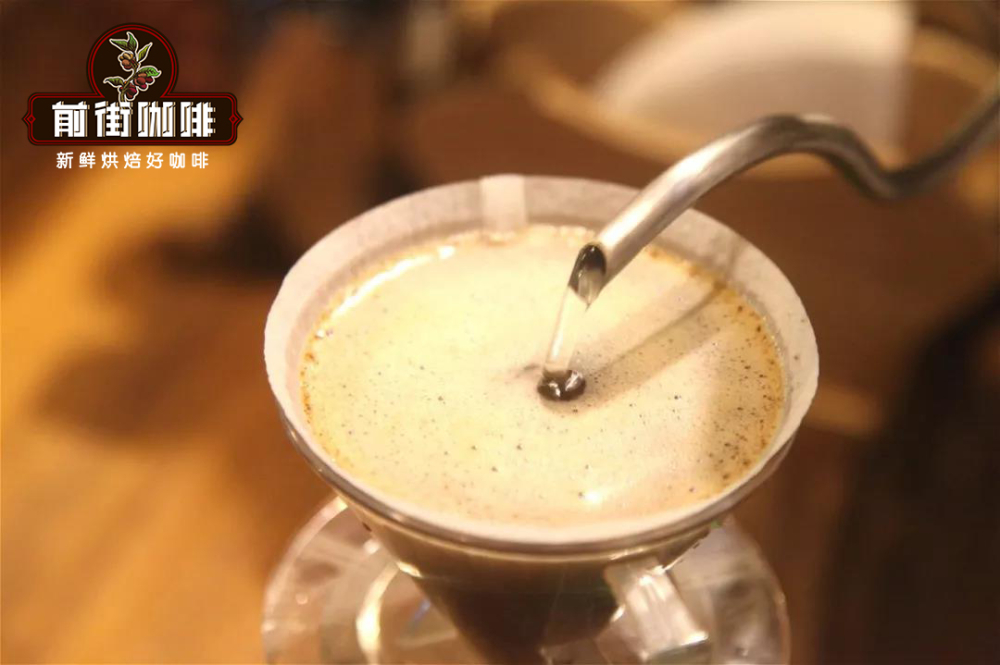
Most people follow the 30-second blooming rule, but just think about whether coffee beans on day 4 and day 14 after roasting are in the same state—you'll realize that 30 seconds is merely a reference value. With the one-pour method, when the coffee grounds are completely wetted, the extracted coffee shows delicate aromatics, lively acidity and sweetness, and a smooth mouthfeel. In reality, many one-pour brews turn out thin and sharply acidic, largely due to insufficient blooming. Think back—when you pour after blooming, are there still bubbles emerging from the coffee bed? Those bubbles are evidence that the coffee grounds have not been fully wetted.
Now think again: why don't so many coffee shops use the one-pour method for their offerings? Is it because it's too simple?
"Focus on one point, reach the peak"
The above content is compiled by CoffeeHunters, a coffee news website.


