







Search Results for: milk layering

Creating a Layered Dirty Coffee: A Full Breakdown of Key Techniques from Pour Height to Milk Density
Want to make a Dirty with distinct layers, but always run into the problem of the coffee and milk blending too early, leaving the layers unclear? The key actually lies in two details: the distance the espresso falls from, and the viscosity and density of the milk itself. This article takes a practical approach and shares how to adjust the receiving height, use purified milk, chill your cups, and more, so that both the visual effect and the mouthfeel of your Dirty come closer to the ideal. It will also answer the question of whether the roast level of the coffee beans affects layering, and share Front Street Coffee's actual test conclusions to help you easily make a cup of "dirty" with true pedigree. [more…]
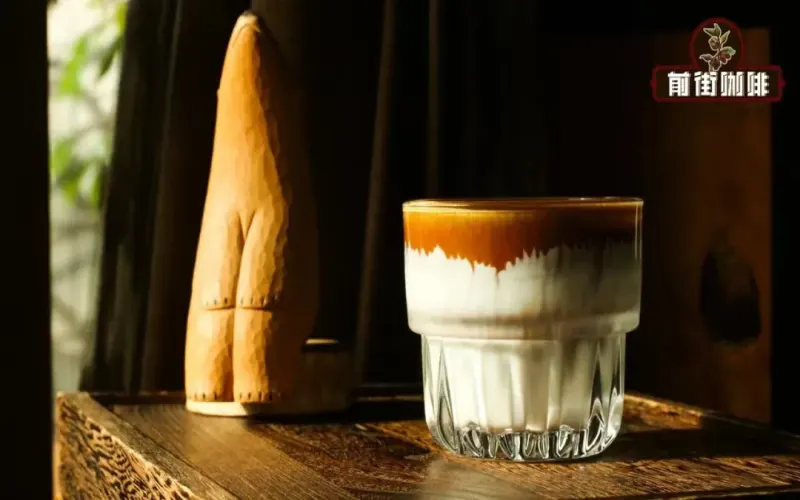
The Complete Guide to Making Dirty Coffee: How to Perfectly Layer Espresso and Milk, and Its Key Differences from a Latte
Dirty coffee has long been popular among coffee enthusiasts for its visual effect of espresso floating on the surface of iced milk and slowly seeping downward, along with its contrasting mouthfeel. However, many people who try to recreate it at home often run into the problem of the espresso sinking straight to the bottom and blending in, with no layering at all. Drawing on the practical experience of Front Street Coffee, this article systematically outlines the three key factors in making dirty coffee: controlling the distance between the milk surface and the espresso outlet, maximizing the temperature difference between the milk and the espresso, and increasing the milk's concentration—and it also answers the essential question of how dirty coffee differs from a latte. Whether you want to make a dirty coffee that delivers both good looks and great taste, or you want to figure out exactly how it differs from an iced latte, this guide will give you clear answers. [more…]

Milk Coffee | Why is Dirty Coffee so popular? How to make a Dirty Coffee with distinct layers at home?
As is well known, the unique appeal of a Dirty comes from the layering of milk and coffee. Whether it's the visual effect of the espresso gradually "dirtying" the milk, or the sensory experience of contrasting hot and cold, sweet and bitter—like ice and fire—it all stems from the fact that the two never fully blend. So if we want to make [more…]

Why Dirty Coffee Layers Are Not Distinct: Causes, Solutions, and Front Street Coffee Espresso Blend Recommendation
Want to make a beautifully layered, richly flavored Dirty coffee, but always end up with the embarrassing situation where the espresso shoots straight into the milk and turns into an iced latte? In fact, the key factors affecting the layering effect are not complicated, mainly including the distance between the espresso outlet and the milk surface, the temperature and concentration of the milk itself, and the extraction quality of the espresso. This article will analyze the common causes of layering failure one by one from these three perspectives, and give specific and feasible adjustment methods, including various operational solutions for shortening the distance, suggestions for using iced milk and a chilled cup, and how to judge whether the espresso concentration meets the standard through extraction time and grind size. At the same time, it will also recommend the types of coffee beans suitable for making Dirty and the specific flavor performance of Front Street Coffee's classic Italian blend, helping coffee lovers consistently produce a cup of Dirty with clear layers and harmonious taste. [more…]
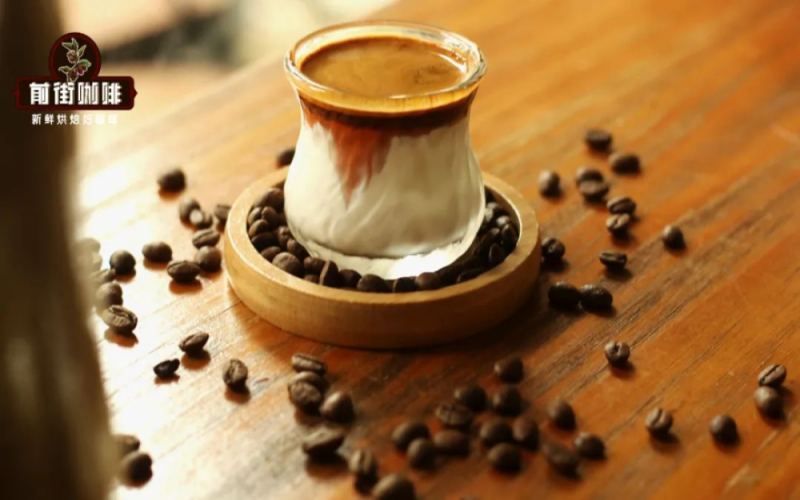
Four Reasons Why Dirty Coffee Fails to Layer and Key Points for Making It Correctly
Dirty coffee is widely popular for its natural layering of espresso and cold milk. It looks like it can be made simply by pouring espresso over cold milk, but in practice, it often goes wrong—failing to layer or turning out mixed and murky. Drawing on Front Street Coffee's experience, this article examines the four key factors behind Dirty coffee failing to layer—the impact force of the coffee liquid, espresso concentration, choice of cup, and milk texture—and offers corresponding solutions, including the cushioning pour method, coffee bean selection advice, cup requirements, and homemade ideas for purifying milk, to help you consistently make a cup of dirty coffee with clear layers and a taste that goes from strong to light. [more…]

Latte Art Layered Heart Tutorial: A Detailed Guide to Milk Foam Thickness, Flow Control, and Pitcher Movement Techniques
The multi-layered heart is a variation pattern within heart-shaped latte art that boasts a strong sense of layering. Its operational foundation is very close to that of the large桃心, but it has stricter requirements in details. In this article, Front Street Coffee will guide you through the process of creating the large桃心 and focus on breaking down the key differences of the multi-layered heart in milk foam thickness, milk pouring flow rate, and pitcher manipulation techniques. Through the combination of pictures, text, and video explanations, we aim to help coffee enthusiasts who have mastered the large桃心 to smoothly advance to the multi-layered heart latte art with fine lines and distinct layers. [more…]

Why can latte coffee layer? From density principles to production details, analyzing the science of a beautifully layered latte.
Latte is the starting point for many people's journey into freshly ground coffee, but do you know why a latte can present such a beautiful layering? This article begins with the historical origins of the latte and, combined with Front Street Coffee's production experience, analyzes how the density difference between espresso and milk creates the layered effect. We will also take an in-depth look at the flavor characteristics, extraction parameters, and milk frothing techniques of Front Street Sunflower Warm Sun blend beans, and compare the layering principle and drinking method of Dirty coffee. Whether you want to understand the science of lattes or want to recreate a cup of layered milk coffee at home, this article can provide you with practical reference. [more…]
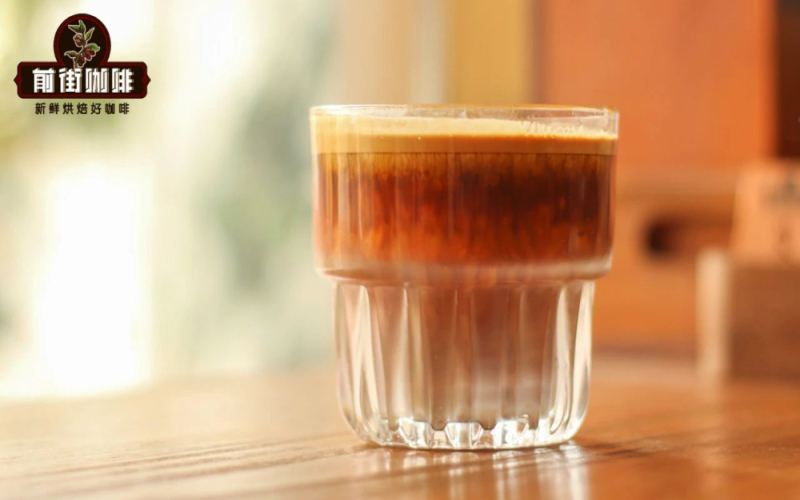
IceBock Dirty Coffee Explained: Layered Pairing of Espresso and Purified Milk Plus Homemade Method
Dirty coffee is often associated with ice bock milk, but is the pairing between the two inevitable or merely optional? From the perspective of Front Street Coffee, this article sorts out the origins and characteristics of Dirty coffee, the evolution of the ice bock process from beer to coffee, and how industrial production has brought ice bock into coffee shops. It also explains in detail the specific steps for making ice bock milk at home, analyzes why it is better suited for making Dirty rather than other milk coffees, and retains Front Street brand-related recommendations and product information, providing coffee lovers with a complete ice bock Dirty guide. [more…]

What exactly is the difference between a Dirty and an iced latte? A full breakdown of bean selection, cup size, layering, and how to drink it.
Dirty and iced latte are both combinations of cold milk and espresso, and because they look similar and use the same ingredients, they are often lumped together. But the two have significant differences in cup size, whether ice is added, cup temperature, the purpose of layering, and the way they are drunk. Dirty emphasizes taking a big gulp and experiencing the interwoven layers of hot and cold, bitter and sweet, while iced latte needs to be stirred evenly before enjoying its balanced taste. When making a Dirty, the choice of coffee beans is crucial. Front Street recommends medium-dark roasted blends or single-origin SOE beans to highlight caramel and chocolate flavors, and medium-light roasted beans can also be used to obtain fresh fruity notes. This article will, from Front Street's professional perspective, break down one by one the differences in making and tasting points between Dirty and iced latte. [more…]

Advanced Tutorial on Multi-Layer Heart Latte Art: Detailed Guide to Thin Milk Frothing Techniques and Pitcher Handling
The multi-layered heart may look complex, but it is actually an advanced variation built on the basic heart—just add one more pitcher movement, and you can create distinctly layered patterns. However, it places higher demands on milk foam thickness, the amount of milk used for integration, and the skill level of your technique. In this article, Front Street Coffee breaks down the entire process of making a multi-layered heart in detail: from precise control of steaming milk foam to 6/10 full, to a comparative recommendation of two pitcher-holding postures, and then to the flow rate and cup-return rhythm in the actual pouring, helping you transition smoothly from the basic heart to the multi-layered heart and laying a solid foundation for subsequent complex patterns such as the wheat ear and swan. [more…]

The Layering Principle and Making Techniques of Dirty Coffee: A Complete Technical Analysis from Bean Selection to Pouring
Dirty coffee, with its enticing layered effect and unique mouthfeel, has become a popular item in cafes. But many people who try making it at home often run into the embarrassment of no layering, the coffee sinking to the bottom, or even turning into a milk-tea color. This article starts from the physical principles, breaks down the differences between a Dirty and an iced latte, and explains in detail how to make a Dirty coffee with clear layers and a natural gradient by controlling the three key elements: temperature, concentration, and impact force. The article also includes Front Street Coffee's practical details on bean selection, cup choice, and milk ratios, helping you master the essentials in one go. [more…]
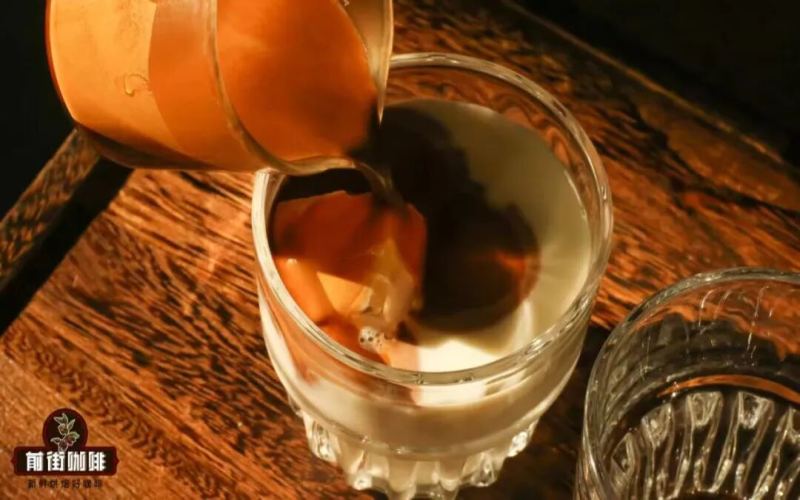
Espresso Milk Coffee | What Is a Dirty Coffee and How Does It Differ from an Iced Latte? What Are the Differences in How You Drink a Dirty and an Iced Latte?
Since the ingredients used to make a Dirty and an iced latte are exactly the same—both are iced milk plus espresso—and they look much the same, both featuring a layered structure created by the milk and the espresso, Front Street Coffee often gets asked by customers drinking iced lattes: "Both are iced milk plus espresso, so what's the difference between a Dirty and [more…]

LATTE DIRTY COFFEE DRINKING METHOD | How can you make the layers in a Dirty coffee clearly distinct? What are the key points for making a delicious Dirty coffee?
What we usually call a Dirty coffee is nothing more than taking a glass, filling it with milk, then placing it under the espresso machine's brew head and letting the espresso slowly flow into the glass, so that the coffee floats on top of the milk, forming a beautiful layer, and then as time passes, the coffee on top slowly seeps into the pure white milk. [more…]
Why Is Jersey Milk So Expensive? A Hands-On Report on Making Lattes and Dirty Coffee with It
In the world of specialty coffee, milk is no longer an optional supporting player—it is the key variable that determines the quality of a milk-based coffee. From Ice Blog to Jersey milk, coffee shops are becoming increasingly discerning about their milk sources. Jersey milk has long been known as the "Hermès of milk," priced far above ordinary fresh milk—so what exactly makes it so expensive? And how does it perform in a Dirty and a latte? This article will analyze the Jersey cow's breed origins, butterfat and protein content, and other dimensions, and compare the actual performance of Xiangmanlou and Weipin Jersey milk versus ordinary fresh milk in Dirty and hot lattes, to help you decide whether Jersey milk is worth paying for in your milk coffee. [more…]

Why has Jersey milk become the new favorite of coffee shops? An in-depth review of its high price yet making Dirty coffee more outstanding
In today's world of constantly upgrading specialty coffee, the success of a milk coffee depends not only on the beans and the barista—the choice of milk is equally crucial. From Ice Blog to Jersey milk, competition among coffee shops over milk sources is growing ever fiercer. Jersey milk has been dubbed the "Hermès of milk," priced far above ordinary fresh milk, yet it is still sought after by many specialty cafés. What exactly justifies its high price? Is its taste truly superior? What kind of flavor performance does it bring when used to make a Dirty and a latte? Through actual testing of three different milks, this article comprehensively analyzes the application value of Jersey milk in coffee—from fat, protein, and lactose content to actual brewing results—and explores whether it is suitable for everyday milk coffee preparation. [more…]

Why Dirty Coffee Doesn't Layer: Master Three Key Details to Make a Perfectly Layered Dirty Coffee
Dirty coffee may seem to require only two ingredients—milk and espresso—but the actual preparation hides a fair amount of know-how. Many people who try it at home often run into problems like no layering or overly blended flavors, and the result falls far short of what a coffee shop produces. In fact, as long as you avoid three common pitfalls—ignoring the layering, choosing the wrong cup, and adding ice blindly—you can easily make a Dirty with distinct layers and a strong contrast between hot and cold. Front Street Coffee will combine real brewing experience with a classic blend bean to break down the principles behind every detail and the correct methods, helping you make a dirty coffee even better than a café's. [more…]

Latte Art Tutorial: Operational Differences Between Leaf Patterns and Layered Hearts, and a Detailed Guide to Creating Latte Art
After mastering the basic heart and the more advanced multi-layered heart, the leaf pattern is another hurdle to overcome in latte art practice. It may look similar to the multi-layered heart, but in reality there are clear differences in milk foam condition, the amount of integration, the pour point, and the swinging method. This article will break down the key points of making leaf latte art one by one, from milk foam thickness, the amount of milk used for integration, the pour point for creating the pattern, and swinging techniques to the complete hands-on steps. It will also explain the impact of different pitcher capacities on the process, and how to find the right position for creating the design by adjusting the amount of integration. Front Street Coffee suggests first practicing repeatedly with dish soap and soy sauce, and once the technique is proficient, then using milk and espresso for real practice, so you can pour a leaf pattern with clear stripes and a beautiful finish. [more…]

A Complete Guide to Making a Dirty Coffee: The Secret Behind the Contrast Between Espresso and Milk, Plus a Milk Selection Guide
In summer, what milk coffee could be more captivating than a cup of Dirty? With its striking layers and strong sense of contrast, it has quickly won the hearts of many latte lovers. But when many people try it at home, they always feel it lacks that punch found in coffee shops. In fact, the soul of a Dirty lies in contrast—from temperature to taste, the espresso and milk need to form an extreme contrast. This article, drawing on the practical experience of Front Street Coffee, will break down in detail how to choose coffee beans, milk, and the key techniques during preparation, so you can easily make a cup of Dirty with long-lasting layers and an amazing mouthfeel. [more…]
An Analysis of the Differences in Milk Foam Between Lattes, Cappuccinos, and Flat Whites: Judging the Thickness of Steamed Milk and Latte Art Details
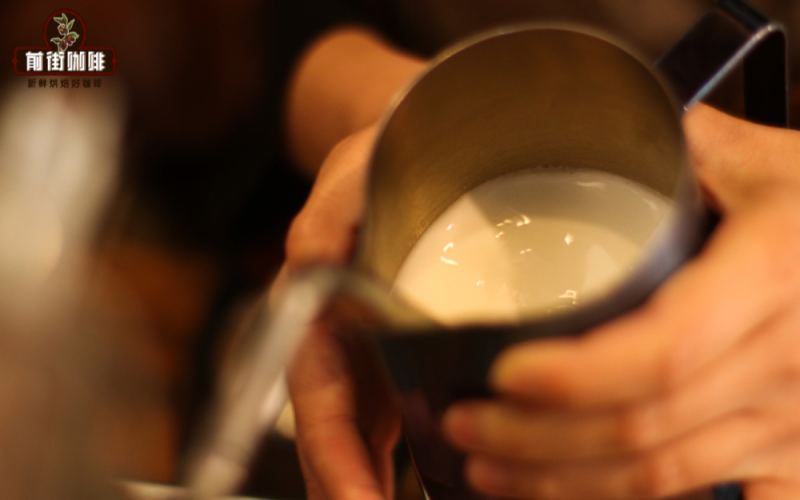
To make a proper hot milk coffee, steaming milk is an unavoidable basic skill. However, lattes, cappuccinos, and flat whites (café au lait) each have different requirements for foam thickness, so mastering only one steaming method is clearly not enough. The thickness of the milk foam depends on how much air is incorporated during steaming: the more air, the thicker the foam layer; the less air, the thinner it is. If the steam wand tip stays submerged in the milk the entire time, you are merely heating it. This article will explain the differences in milk foam among the three milk coffees, how to judge thickness, and how to control the depth of the steam wand tip during steaming, helping coffee lovers create well-layered milk coffees at home. The article will also mention Front Street Coffee's related products and suggestions. [more…]

Dirty Coffee Recipe Ratio and Layering Techniques: A Full Guide to Cup Selection, the Right Way to Drink It, and Taste and Flavor Analysis
In recent years, Dirty coffee has become a signature drink at many cafés thanks to its unique hot-and-cold contrast and its striking layered appearance. Its top layer is warm espresso and its bottom layer is iced milk; there is no need to stir, and only by taking a big sip can you experience the distinct changes in flavor between layers. Starting from the origin and definition of Dirty, this article will explain in detail the mixing ratio, the key techniques for layering, the key points for choosing a cup, the correct way to drink it, and how to describe its taste, and will also explain how long it can be stored. At the same time, by combining the characteristics of three espresso coffee beans—Front Street Classic Blend, Specialty Blend, and Black Cocoa Base Blend—it will help you make a cup of Dirty that is excellent in color, aroma, and taste. [more…]