








How Thick Should Cappuccino Foam Be Compared to a Latte?
Foam thickness depends on how much air enters the milk while steaming. More air means a thicker layer; less air means a thinner one. If the steam hole stays submerged the whole time, the milk is only heated and no foam forms. A cappuccino holds a thick, set layer that barely moves when swirled, while a latte stays fluid, close to light cream.
A flat white sits nearer the latte end, with a thin, glossy layer. The main difference between cappuccino and coffee drinks like these comes down to that foam ratio, not the espresso. During texturing, keep the steam hole neither too shallow nor too deep: too shallow draws in extra air, too deep prevents a dense, fine texture from forming.
To make a proper hot milk coffee, steaming milk is an unavoidable basic skill. However, lattes, cappuccinos, and flat whites (aussie whites) each have different requirements for foam thickness, so mastering only one steaming method is clearly not enough. The thickness of the milk foam depends on how much air is drawn in during steaming—the more air, the thicker the foam layer; the less air, the thinner it is. If the steam hole stays submerged in the milk the whole time, you are merely heating it. This article will explain the foam differences among the three milk coffees, how to judge thickness, and how to control the depth of the steam hole during steaming, helping coffee lovers make well-layered milk coffee at home. It will also mention related products and suggestions from Front Street Coffee.
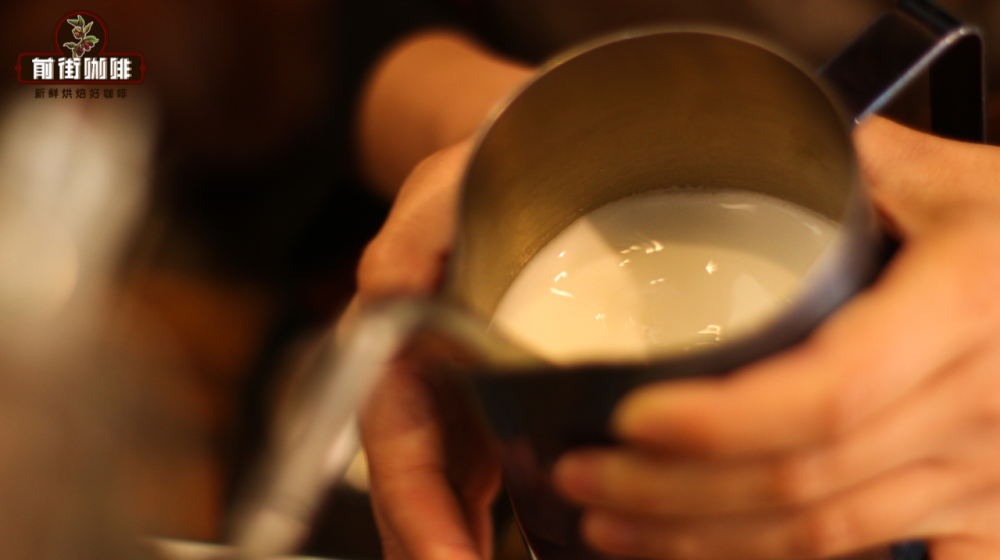
When making hot milk coffee, steaming milk is an almost essential step. There are many types of milk coffee, and the three most commonly drunk daily are lattes, cappuccinos, and flat whites (aussie whites), so learning only one way to steam milk foam is clearly not enough.



The thickness of milk foam is ultimately determined by the amount of air drawn in. The more air that enters the milk, the thicker the foam layer formed; the less air that enters, the thinner the foam layer naturally is. If the steam hole remains submerged below the milk surface the entire time, then the whole process is just heating the milk and will not create milk foam.

How do you tell whether milk foam is thick or thin?

When swirled, the foam layer of a latte has a texture close to light cream, and it still flows very well. The foam layer of a cappuccino, when swirled, is more like set yogurt—it does not move easily, and its fluidity is quite poor.
When steaming milk foam, besides thickness, what else should be paid attention to?
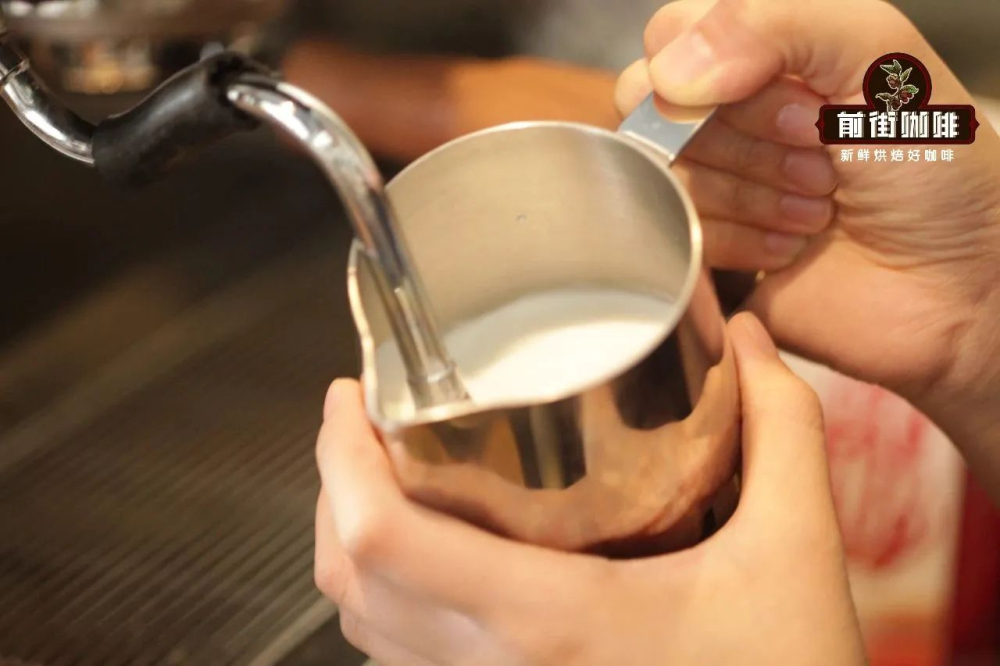
During the texturing stage, special attention must be paid to the position of the steam hole—it should be neither too shallow nor too deep. If it is too shallow, the steam hole can easily be exposed to air and continue steaming; if it is too deep, the foam layer cannot be steamed into a dense, fine texture.
The above content is compiled by CoffeeHunters, a coffee news website.


