







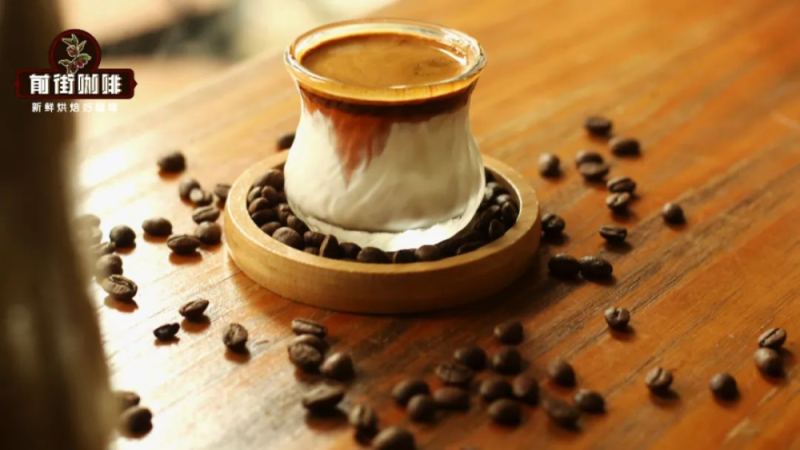
How classic coffees compare to a Dirty coffee
A Dirty coffee depends on espresso floating on cold milk instead of blending with it. When the espresso hits the milk too hard, is too weak, is caught in the wrong cup, or meets milk that is too thin, it mixes in and the layers disappear, leaving a murky drink rather than a distinct one.
Unlike classic coffees that are meant to be stirred together, a Dirty keeps the two liquids separate so each sip runs from strong to light. Four fixes help: pour the espresso over a spoon to soften the impact, pull a more concentrated shot, choose a narrow cup, and use full bodied coffee and milk with enough texture.
Dirty coffee is popular for its natural layering of espresso and cold milk. It looks like you just pour espresso over cold milk and it's done, but in practice, it often fails with no layering or a murky mix. Based on Front Street Coffee's experience, this article analyzes the reasons why Dirty coffee doesn't layer, focusing on four key factors: the impact force of the coffee liquid, espresso concentration, cup selection, and milk texture. It also provides corresponding solutions, including the buffered pouring method, coffee bean selection advice, cup requirements, and homemade milk purification ideas, to help you consistently make a cup of dirty coffee with distinct layers and a taste that goes from strong to light.
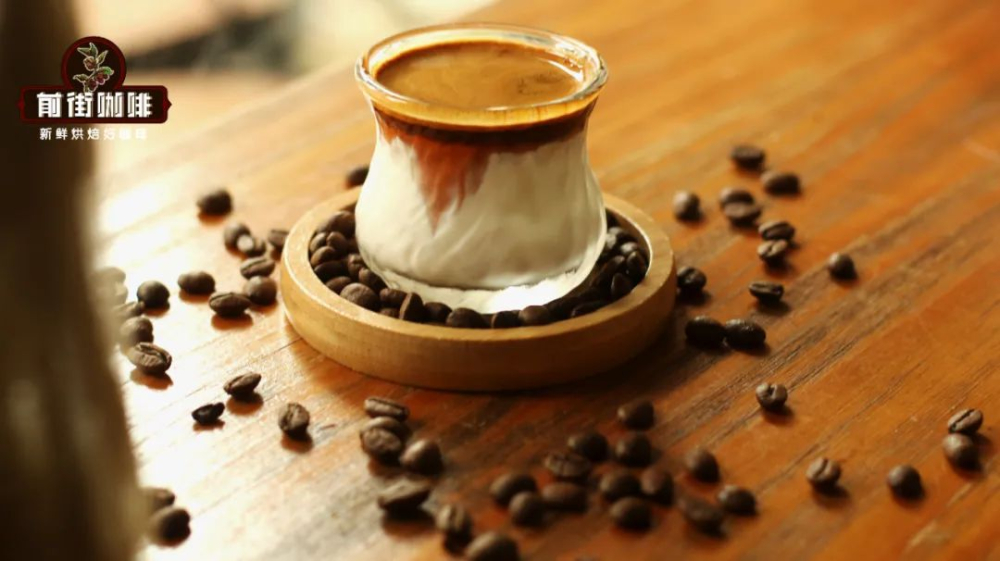
To put it simply, making a Dirty coffee means pouring espresso directly onto the top of cold milk, letting it float on the milk surface to create a layered visual effect. It sounds effortless, just a few steps, so it's jokingly called a "foolproof" coffee. However, reality often disappoints: many people fail on their first try—why can't my Dirty coffee get "dirty" at all...
The Layering Principle of Dirty Coffee
Unlike classic coffees that emphasize even blending, the core structure of a Dirty coffee is precisely the deliberate non-blending state. The dark espresso gradually sinks under gravity, while the lighter crema slowly spreads on the white milk surface. The heavier coffee liquid then slides down along the cup wall, and the coffee "dirties" the milk from all directions. Because the espresso completely wraps the milk, when you take a big sip, you can feel the temperature difference where the two liquids meet, going from rich to light, from bitter to sweet—a truly wonderful mouthfeel.
According to Front Street Coffee's experience, the main reasons why Dirty coffee fails to layer are four aspects: excessive impact force of the espresso, insufficient coffee concentration, improper coffee cup selection, and milk that is too thin.
1. The Impact Force of the Coffee Liquid Is Too Strong
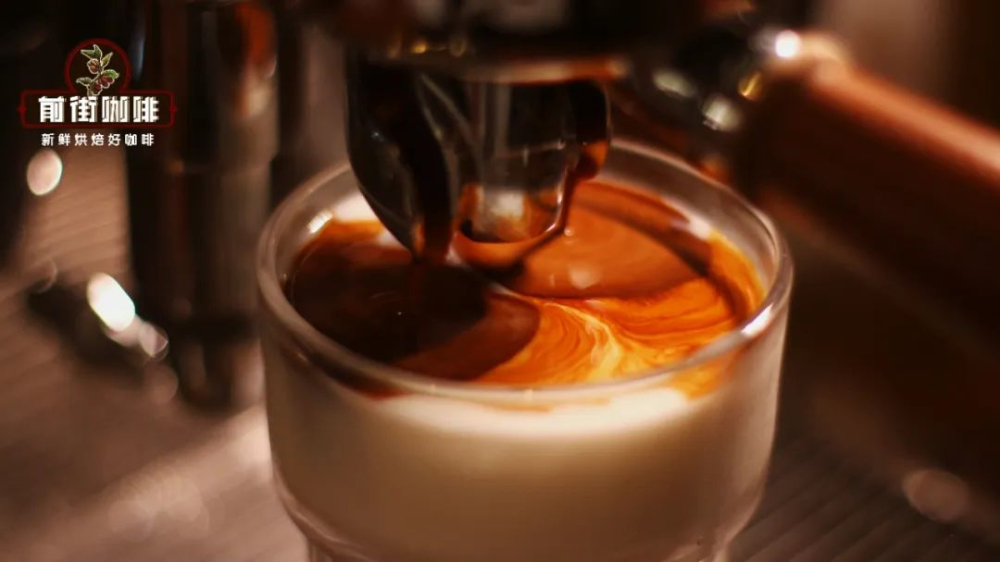
Placing the cup directly under the coffee handle to catch the espresso is the most common way to make a Dirty, but this operation can easily cause a problem: if the espresso extraction flow rate is too fast, or if a bottomless portafilter is used, the espresso will gather into a thin stream and hit the milk surface with great impact, then mix with the milk at the bottom. The resulting Dirty not only has no layering but also loses the "ice and fire" drinking pleasure.
If your home coffee machine makes it inconvenient to catch the espresso directly in the cup, you can first pour the coffee into a shot glass, then place a spoon against the milk surface to create a buffer layer. Slowly pour the coffee onto the spoon, and the overflowing coffee will automatically float on the milk surface.
2. The Coffee Liquid Is Not Concentrated Enough
Regarding the coffee base for a Dirty, a friend asked Front Street Coffee whether a moka pot could be a substitute. Unfortunately, although a moka pot does have some pressure-boosting function, due to the general precision of the equipment design and less rigorous parameters, the coffee it brews is still far from the espresso from an espresso machine. Even at its best, it can only produce a thin layer of brownish-yellow foam that dissipates after a few minutes, so moka pot coffee is not suitable for making a Dirty. Similarly, some pre-made coffee liquid products lack concentration and crema, making it hard to replicate the layering effect of a Dirty.
It is generally believed that espresso with fine, rich crema is the prerequisite for a cup of Dirty that is complete in color, aroma, and taste. Therefore, having a pressure-equipped coffee machine that can produce standard espresso is crucial. As for coffee beans, Front Street Coffee suggests choosing a darker roast Italian-style blend, which makes it easier to create a rich, full-bodied dirty coffee at home.
3. The Coffee Cup Is Not Chosen Well
In fact, the shape of the cup also has some influence on forming the layering effect. Front Street Coffee noticed that some people use a relatively deep glass at home, with milk only filling half the cup. This creates a large distance between the rim and the liquid surface, so when catching the espresso, it still breaks through the milk.
To achieve a better Dirty, choosing the right coffee cup can make a big difference. To avoid failure, you might choose a straight-sided glass of 8 ounces or less, fill it with milk to 80% full, and if possible, chill it in the refrigerator beforehand. This slows down the coffee's penetration and provides a more beautiful layering effect.
4. The Milk Is Too "Watery"
This usually happens to friends who decide to make a Dirty on a whim. Because the ingredients aren't prepared in advance, they use whatever milk is at home. Ultimately, the milk is too thin to support the poured coffee, causing the two to blend immediately upon contact. Not only does it look murky, but it also lacks the rich aroma you get in a café.
Taking Front Street Coffee's production experience as an example, several common milk brands on the market, such as Vitasoy, Weichuan, and Bright Fresh Pasture, are good choices. Of course, if you have time, you can also make purified milk as a base. Front Street Coffee has shared detailed steps in an article, "Make Ice Breaker (Eisbock) Easily at Home!" Dirty made with purified milk is more likely to form a stable layer, lasts longer, and has a unique salty cheese flavor.
The above content is compiled by CoffeeHunters, a coffee news website.


