








How Should You Drink a Dirty Coffee Compared With an Iced Latte?
A Dirty and an iced latte use the same two ingredients, cold milk and espresso, but they are drunk differently. A Dirty is served in a smaller cup without ice and meant to be sipped in one big gulp so the hot espresso and cold milk layers hit together. An iced latte is larger, poured over ice, and stirred before drinking.
Bean choice matters most for a Dirty: medium-dark blends or single-origin beans bring caramel and chocolate notes that contrast with sweet milk, while medium-light roasts give a fruitier cup. The latte coffee milk ratio stays roughly constant, but cup size, ice and layering differ, which is why the drinking method changes the whole experience.
Dirty and iced latte are both combinations of cold milk and espresso, with similar appearances and identical ingredients, so they are often confused with each other. However, the two differ significantly in cup size, whether ice is added, cup temperature, the purpose of layering, and drinking method. Dirty emphasizes taking a big gulp to experience the intertwined layers of hot and cold, bitter and sweet, while iced latte requires stirring evenly before enjoying a balanced taste. When making Dirty, the choice of coffee beans is crucial. Front Street recommends medium-dark roasted blends or SOE single-origin beans to highlight caramel and chocolate flavors, or medium-light roasted beans for a fresh fruity taste. This article will, from Front Street's professional perspective, break down the differences in preparation and tasting points between Dirty and iced latte one by one.
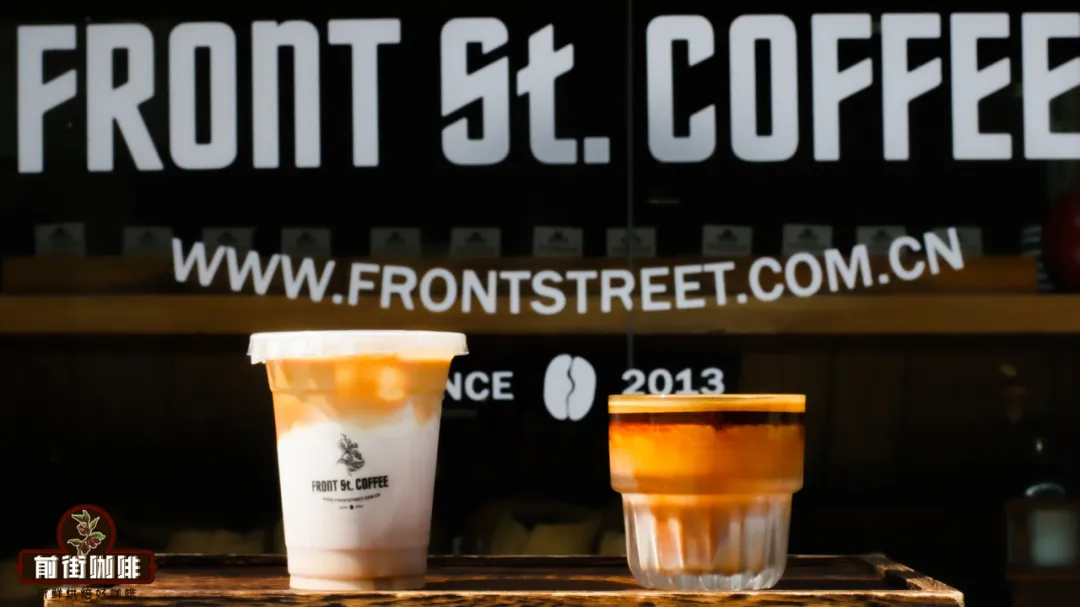
Dirty and iced latte are completely identical in ingredients—both are cold milk plus espresso—and their appearances are quite similar, both presenting a layered effect of milk and espresso interwoven. Because of this, Front Street often encounters customers drinking iced latte asking: since both are cold milk plus espresso, what exactly is different between Dirty and iced latte?
Although the two are extremely similar and use exactly the same ingredients, the preparation process and drinking experience are completely different. Especially for Dirty, there are many details to pay attention to from preparation to sipping. So today Front Street will discuss this topic that everyone is very curious about: what exactly is the difference between Dirty and iced latte? First, let's briefly understand what iced latte is and what Dirty is.
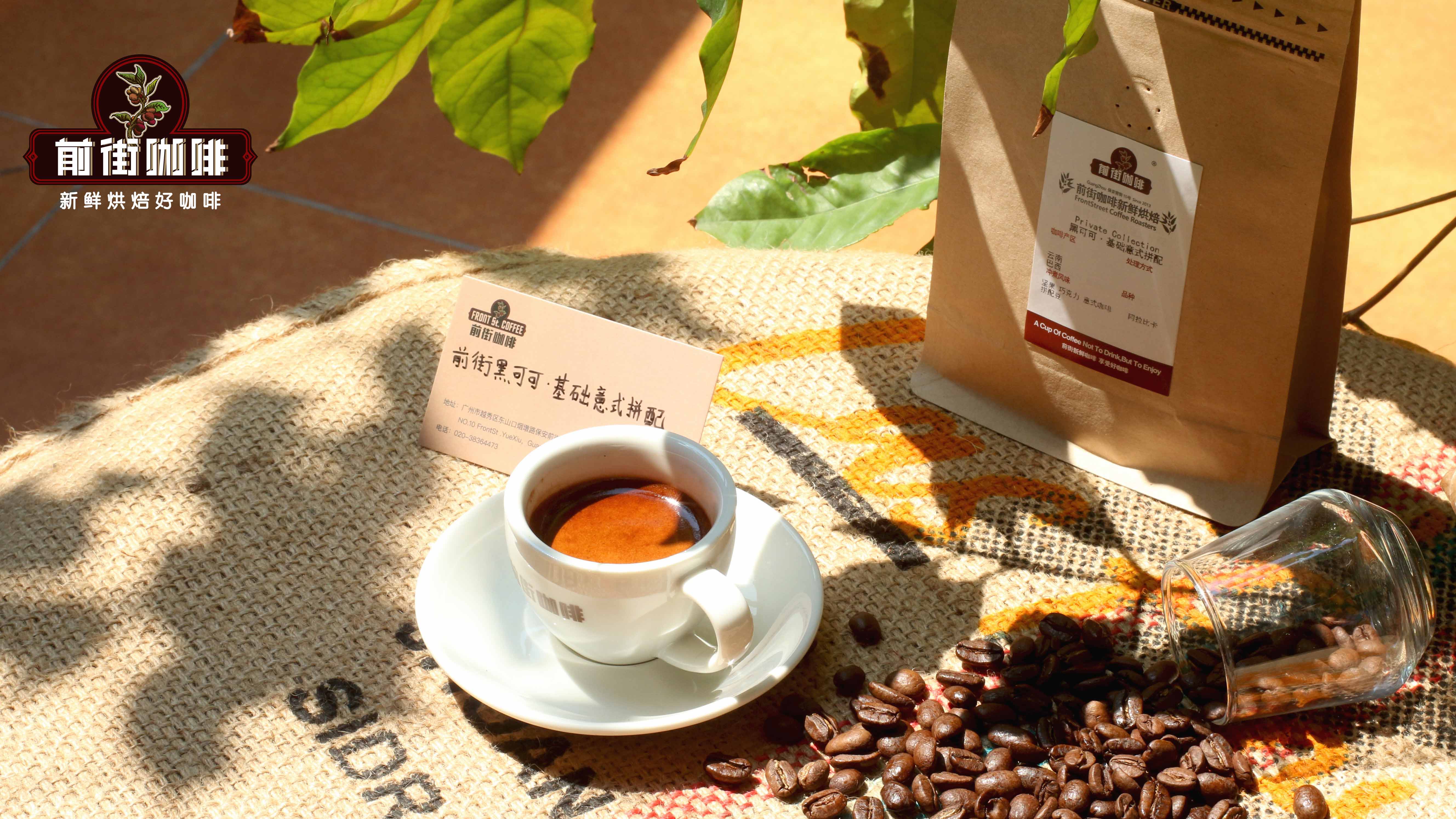
When making Dirty, it is recommended to prioritize medium-dark roasted blend beans or SOE single-origin beans. These beans have a fuller caramel aroma and a rich, substantial flavor, which can form a sharp contrast with sweet milk and bring a lasting sweet aftertaste. If you seek stability and value for money, you can purchase Front Street Classic Blend and Front Street Dark Cocoa Base Blend. They are rich in crema and also carry intense notes of butter and roasted chestnut.
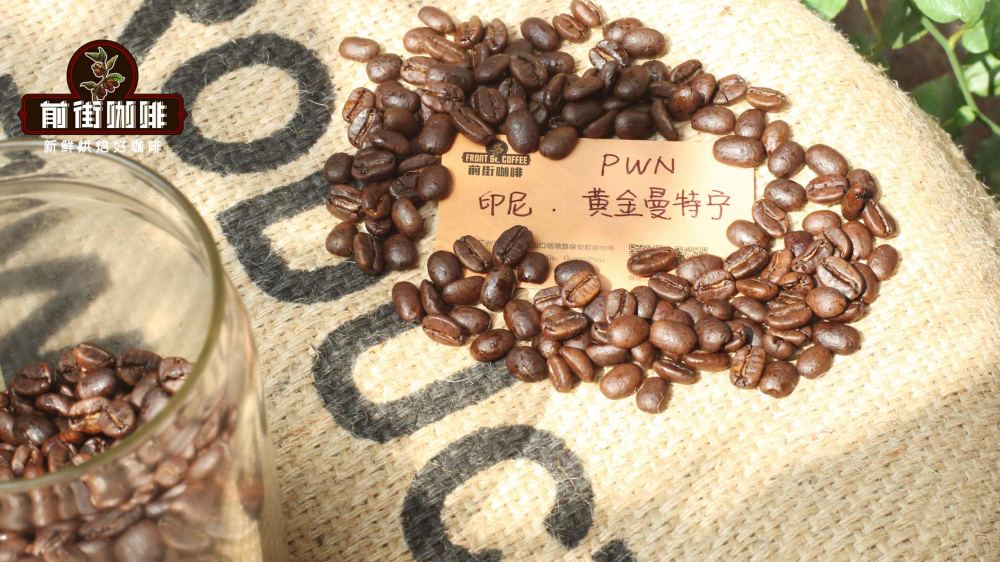
For those who prefer the unique aroma of single-origin beans, Front Street Queen's Estate SOE and Front Street Sumatra · Front Street PWN Golden Mandheling SOE are recommended. After extraction, they have rich caramel and chocolate flavors, which can form a stronger contrast with purified milk.

If you want to reduce the contrast and make the coffee taste fresher, you can choose medium or medium-light roasted coffee beans, such as Front Street Strawberry Candy Espresso and Front Street Huakui SOE, which are specifically roast-adjusted for espresso in Front Street's bean list. Both can extract espresso with rich fruity flavors. Using them with purified milk to make Dirty offers a uniquely different flavor.
Iced Latte and Dirty
The so-called iced latte is the cold drink version of latte. Like hot latte, it is made with a large amount of milk plus espresso. The difference is that refrigerated milk does not need to be steamed into foam; it is simply poured into the cup and left to merge with the espresso. To keep the latte cold for a long time, some ice cubes are usually added when making an iced latte. Before drinking, stir evenly with a straw, then begin tasting.
Dirty also uses cold milk and espresso, and the pouring order is the same: first pour the cold milk into an iced cup, then slowly pour the espresso over the surface of the milk. Because the espresso floats on top of the cold milk and slowly seeps downward, it "stains" the milk and makes the milk look dirty, so this coffee is named "Dirty," which translates to mean dirty. When drinking Dirty, there is no need to stir; just take a big gulp.
From these two brief introductions, we can see the similarities and many differences in the preparation of iced latte and Dirty. Next, Front Street will analyze in detail what differences exist between iced latte and Dirty.
1. Different cup sizes: Generally speaking, Dirty's cup size is smaller than iced latte's. Dirty is generally between 180–220 ml, while iced latte is usually between 280–320 ml.
2. Whether ice is added: The reason for the difference in cup size lies in the ice cubes. As mentioned earlier, iced latte adds ice cubes to keep it cold for a long time, while Dirty does not need this, because adding ice would reduce Dirty's drinking experience. Therefore, iced latte's cup size is larger than Dirty's, and Dirty is also jokingly called "iced latte without ice."
It should be noted that ice cubes are not a hard requirement. If you do not want ice cubes in your coffee, you can ask the barista for "fly ice" (no ice) to remove the ice cubes from the iced latte.
3. Cup temperature: For a better drinking experience, Dirty does not add ice to keep cold, so it needs to achieve the same effect through other means, such as using a colder cup.
After refrigerating the cup, it can provide a certain cooling effect. Compared with a room-temperature cup, a refrigerated iced cup can not only better maintain the low temperature of the milk, but also enhance the layering effect between the milk and espresso—the lower the milk temperature, the higher the density, and the more obvious the layering. Iced latte, on the other hand, has no high requirements for cup temperature; either refrigerated or room temperature is fine.
4. Purpose of layering: The layered structure with espresso on top and milk below exists in both iced latte and Dirty. Because of this, many people new to coffee cannot tell the two apart. But in fact, the essence of their layering is very different.
The layering of iced latte is for appearance. Compared with the monotonous color after coffee and milk are mixed, the clearly defined black-and-white appearance is more pleasing to the eye. Therefore, when making an iced latte, people deliberately pour the espresso onto the ice cubes so that the force of the espresso disappears and it floats on the surface of the milk to form layers. But since it ultimately needs to be stirred, whether it is layered or not actually does not matter much.
Dirty, however, is layered to give the coffee a distinctive mouthfeel and experience. This layering is Dirty's main selling point and can even be called its soul. So when making Dirty, various details need to be adjusted to separate the espresso and milk more thoroughly, such as using an iced cup, controlling the milk temperature, or shortening the distance between the espresso extraction and the milk.
If Dirty does not achieve a layered effect, it will not have a clearly layered mouthfeel and experience, and then it truly deserves to be called an iced latte with the ice removed.
The above are the differences between the two in preparation. Next, Front Street will share their differences in drinking method and mouthfeel.
Differences between Dirty and iced latte in drinking method
As Front Street has always mentioned, the key and soul of Dirty lies in the deliberate layering created with espresso and milk. Because the milk and espresso are separated, their temperatures and flavors are not fully merged. If you drink both in one sip, your mouth and taste buds will receive an enormous contrast from the layers: the coldness of the milk, the heat of the espresso, the sweetness of lactose, and the bitterness of coffee collide and interweave in the mouth, creating very rich layers.
To experience this effect, you need to take a big gulp when drinking Dirty, so that you can simultaneously drink the espresso on the surface and the milk at the bottom. If you only sip in small mouthfuls, chances are you will only taste the espresso on the surface, which can be considered a kind of "torture" for those who do not have a high tolerance for bitterness.

Iced latte is not so particular. As Front Street mentioned in the article "Why is latte the 'TOP 1' seller in almost all coffee shops?", latte focuses more on making coffee taste less bitter, which is why a large amount of milk is needed to balance the bitterness of the coffee.
So the drinking method for iced latte is very simple: before drinking, stir the milk and espresso evenly with a straw, and then you can taste the balanced flavor formed after the coffee and milk blend together.
The above content is compiled by CoffeeHunters, a coffee news website.


