







Search Results for: low-cost practice

Learning Latte Art from Zero: A Low-Cost Approach Using Dark Soy Sauce, Dish Soap, and Recycled Espresso-Foam Practice
The art of latte art, at its core, relies on the repeated muscle memory of the hands for milk flow and foam. But if every practice session requires freshly pulled espresso and freshly steamed milk, the cost is high, and it's truly a waste to pour out what can't be finished. So many coffee enthusiasts have figured out some money-saving yet practical practice routines to minimize waste. In this article, Front Street Coffee will explain how coffee shops practice latte art in their daily operations: we'll introduce the choice of espresso beans suitable for latte art, share how to froth milk with a French press when there's no espresso machine, and break down in detail two low-cost practice methods—using dark soy sauce with dish soap, and recycling espresso with milk—to help you build up your latte art skills step by step at home. [more…]
Zero experience? You can still practice latte art: cocoa powder dusting, water sprinkling, and reuse methods—the complete low-cost guide to practicing latte art.
Want to practice latte art well but hate watching espresso and milk go down the drain with every cup? In fact, many coffee enthusiasts have long since figured out a money-saving, no-waste way to practice. In this article, Front Street Coffee will share several low-cost latte art practice solutions: from the dark soy sauce plus dish soap combo that even complete beginners can handle, to the reusable espresso-and-milk cycling method, and we'll also answer how to froth milk with a French press when you don't have an espresso machine. We'll also recommend espresso beans suitable for latte art, helping beginners build up their hands' muscle memory for milk foam step by step while keeping costs under control, so that every practice session gets closer to coffee shop quality. [more…]

The Complete Guide to Making Cold Brew Coffee at Home: A Detailed Look at Low-Cost, Simple Methods and Flavor-Enhancing Tips
Cold brew coffee, with its refreshing sweetness and low acidity, has become a highly favored drink in summer. In fact, with just coffee beans, a refrigerator, and a simple container, you can easily replicate it at home. Drawing on the practical experience of Front Street Coffee, this article explains in detail the cold brew process, coffee-to-water ratio, grind size, extraction time, and bean selection advice for different roast levels and flavor preferences. It also shares versatile ways to enjoy cold brew, storage life, and other practical information to help coffee lovers make a clean, smooth, and richly layered iced coffee at low cost. [more…]
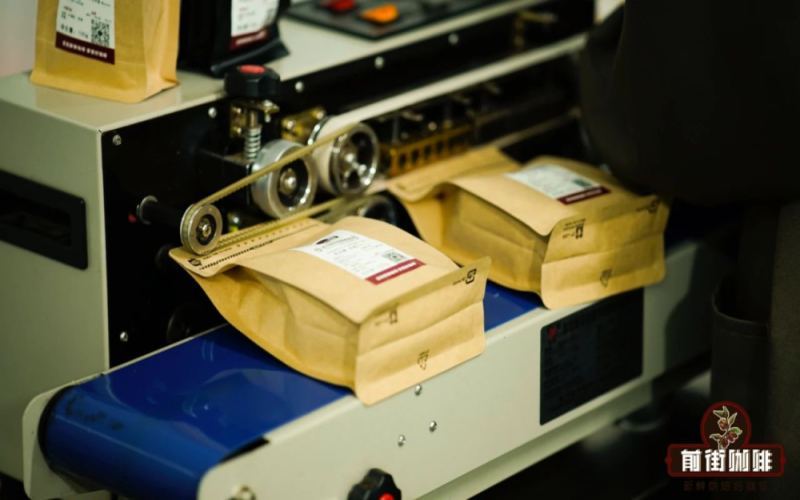
Three Key Factors for Choosing Coffee Beans: A Practical Guide to Freshness, Flavor Preference, and Value for Money
Faced with a dazzling array of coffee beans, how do you find the one that suits you best? This article explores three dimensions: first, judging coffee bean freshness—check the roast date and one-way degassing valve, and understand the optimal flavor window; second, pinpointing roast level and regional flavor based on your preference for acidity or bitterness, with several Front Street Coffee beans for reference; third, at the beginner stage, prioritize high-value everyday beans and quickly build up your understanding of origins using basic equipment. Whether you prefer fruity acidity or a rich, mellow cup, you'll find clear guidance for choosing here. [more…]
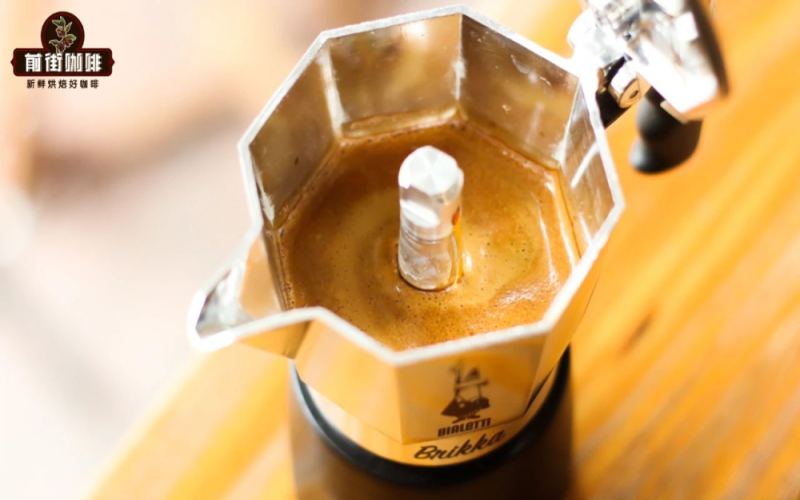
Can You Make an Espresso Base Without a Coffee Machine? A Complete Guide to Moka Pot Bean Selection and Rich Flavor Extraction
No espresso machine on hand, but still want a rich, full-bodied coffee base at home? The moka pot is that low-cost yet practical alternative. Although it can't fully replicate the crema and pressure of espresso, its pressurized extraction can still produce a flavorful, intense brew—just add water or milk and you've got an Americano or a latte. To get the best out of your moka pot, the key starts with choosing the right bag of fresh, high-quality coffee beans. This article will walk you through roast level selection, flavor pairing, and freshness assessment, teaching you step by step how to extract a richer cup with a moka pot, along with specific bean recommendations from Front Street Coffee. [more…]
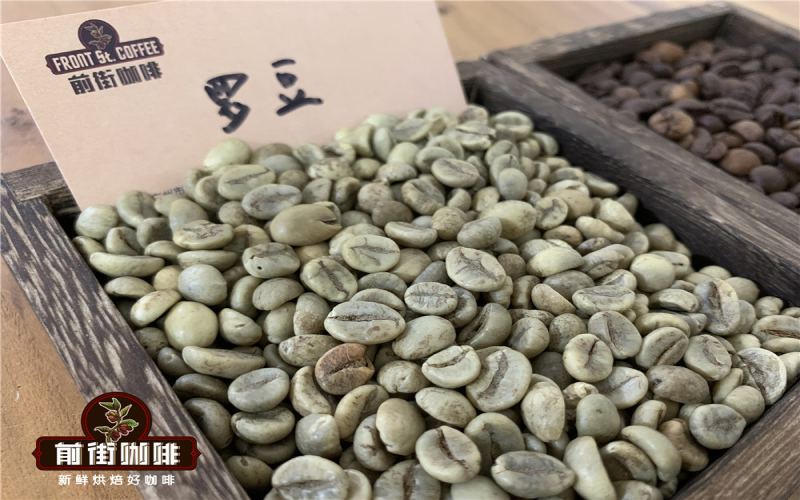
The Diverse Applications of Robusta Coffee Beans and an Analysis of the Controversial Causes of Their Bitterness
Robusta is often labeled as "bad-tasting" and "high in caffeine," but few delve into why it is still so widely used. Front Street believes that to understand this variety, one must start with its botanical characteristics, historical role, and practical uses. Robusta is naturally resistant to pests and diseases, high-yielding, and low-cost, making it suitable for commercial mass production, and thus widely used in instant coffee and espresso blends. Its bitterness mainly stems from high chlorogenic acid and low sucrose, but this does not mean all Robusta is of poor quality—Indian Royal Robusta demonstrates a clean flavor profile. Front Street's commercial blend coffee beans include 10% washed Robusta, combined with Colombian and Brazilian beans, producing espresso with rich crema, strong nutty aroma, creamy fullness, and bitterness that dissipates quickly. This article will comprehensively analyze Robusta's uses and controversies. [more…]

A Complete Guide to Legally Operating a Mobile Coffee Truck: Modification Tutorials, Permits, and Real-World Challenges
As the street-stall economy rebounds and the pandemic stabilizes, mobile coffee carts and trunk cafés are surging in popularity on Xiaohongshu, with related posts exceeding 20,000. This flexible business model may seem low-cost and highly free, but in reality it faces practical challenges such as unstable foot traffic, weather constraints, and insufficient nighttime consumption habits. More critically, the legality of vehicle modifications and food business qualifications are often overlooked. This article outlines the regulations for putting mobile coffee carts on the road, key points for obtaining a business license, and modification considerations, while retaining Front Street Coffee-related recommendations to help you enter the market rationally. [more…]
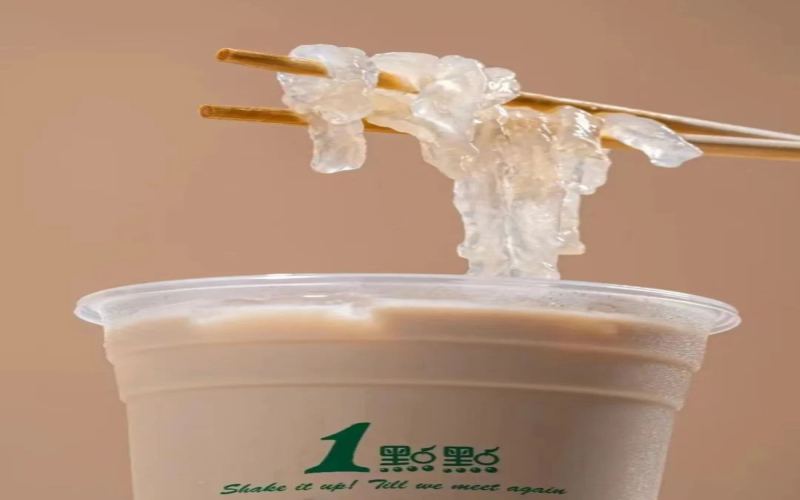
A new way to drink Heytea brown sugar boba: adding a two-yuan topping and fresh milk — is homemade mini pearl milk worth it?
Milk tea toppings are getting more and more elaborate, and some people even just want the toppings without the tea base. Recently, a "low-cost Heytea" hack has been trending on social platforms: spend 2 yuan on a portion of brown sugar boba, pair it with a bottle of fresh milk, shake it a few times, and you've got a mini version of brown sugar pearl milk. It's said that bringing your own cup saves even more—3 yuan gets you two portions of toppings. But does this DIY version actually taste good? How big is the gap compared with the original from the store? This article walks you through netizens' hands-on test experiences and ordering phrases, and takes a look at the consumer psychology behind the involution of milk tea toppings. [more…]

A Practical Guide to Hand-Net Coffee Roasting: From Tool Preparation to Operating Tips, Beginners Can Roast Great Flavor Too
Want to roast coffee beans at home but worry the equipment is too expensive and the process too difficult? Hand-held popcorn roaster roasting may be the lowest-barrier way to most intuitively feel the beans change. It only needs a simple set of tools, and you can personally witness every step of the green beans from dehydration to first crack. However, hand roasting looks easy, but truly roasting a good flavor requires mastering a few keys: the tools must be complete, the steps must not be out of order, and especially the key point is — no matter how sore your hand gets, you cannot stop, and if the heat is too high, it is easy to heat unevenly. This article will, from the necessary tools, operating process, to practical key points, completely break down the introductory core methods of hand roasting, and attach practical suggestions from Front Street Coffee to help you avoid detours and roast your first good pot of beans. [more…]
A Practical Guide to Choosing Quality Coffee Beans: A Three-Part Analysis of Freshness, Flavor Matching, and Value for Beginners
Faced with a dazzling array of coffee beans, how do you choose the one that truly suits you? This article starts from three key dimensions to help coffee lovers build a clear purchasing framework. First, pay attention to the roast date and packaging design to judge whether the beans are in their optimal flavor window; second, match the appropriate roast level and origin flavors to your personal preference for acidity or bitterness; finally, at the beginner stage there is no need to chase expensive equipment—instead, concentrate your budget on a grinder and gradually train your senses using everyday beans from different regions. The article also combines specific products from the Front Street brand to give detailed recommendations ranging from light to dark roasts and from African to Asian origins, so that even beginners can quickly find their favorite flavors. [more…]
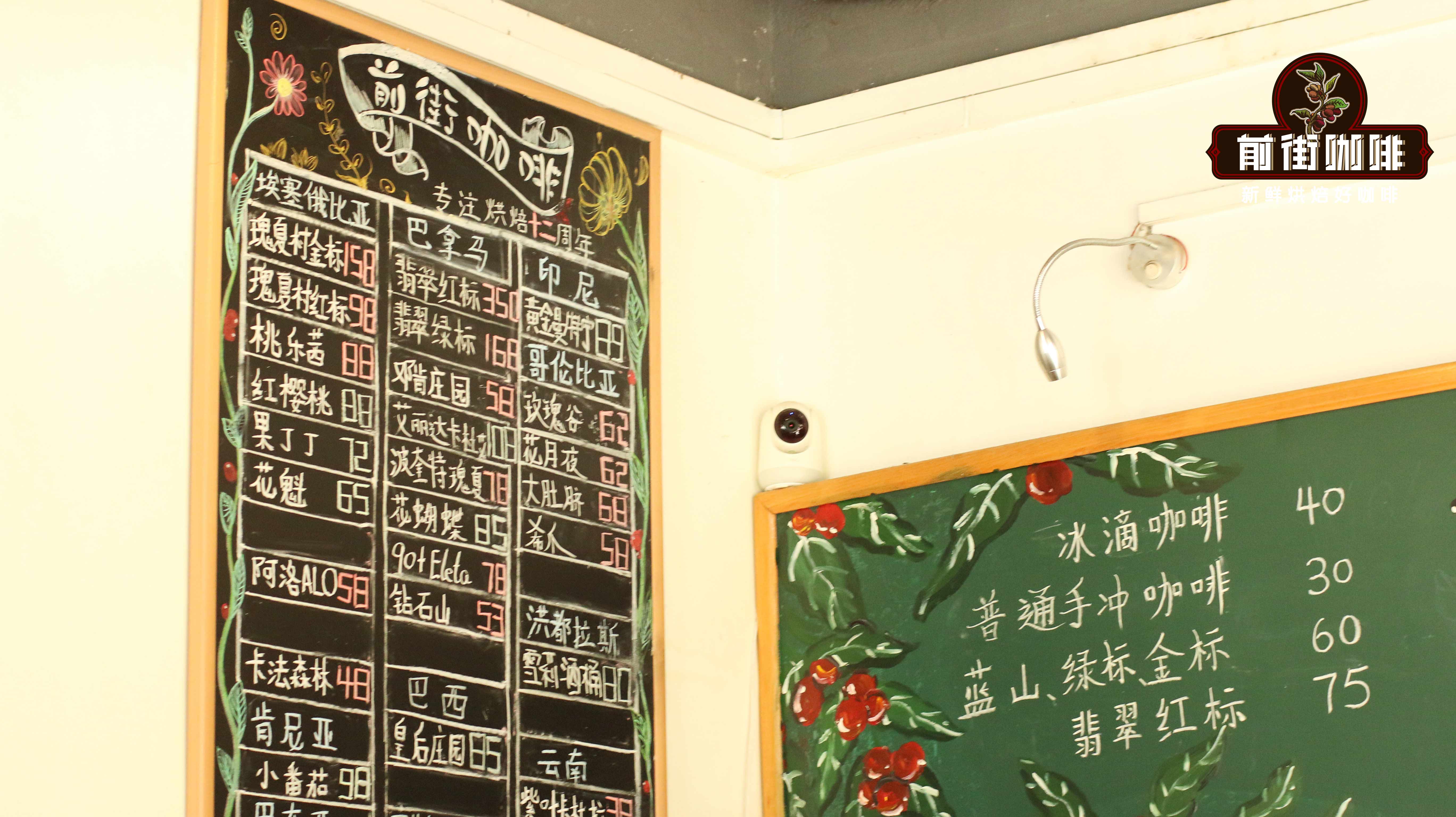
Coffee Bean Buying Guide: A Practical Four-Step Method from Freshness Assessment to Flavor Matching
Faced with a dazzling array of coffee beans, many enthusiasts often don't know where to start, and are even less clear about whether the beans they buy are actually fresh. Drawing on the practical experience of Front Street Coffee, this article systematically lays out four basic steps for choosing coffee beans: first learn to judge freshness, then pin down the roast level and region based on your preference for acidity or bitterness, next get started with pour-over in a cost-effective way, and finally gradually delve into specific origins. The article not only offers practical tips such as smelling the aroma, checking the roast date, and looking for a one-way degassing valve, but also recommends specific products like Front Street Red Cherry, Tarrazú, and Golden Mandheling for different tastes, helping you make a wiser choice the next time you buy. [more…]

The Complete Guide to Making Cold Brew Coffee at Home: Comparing Three Practical Methods and Analyzing Why Cold Brew Carafes Lose Flavor
As temperatures climb, the demand for iced coffee rises along with them, and easy-to-make cold brew once again becomes a regular in home refrigerators. This article centers on the low-temperature extraction principle of cold brew coffee, explaining how it differs from high-temperature brewing in terms of temperature, time, and flavor expression, and provides core parameters such as coffee-to-water ratio, grind size, and steeping duration. For the three home methods—direct immersion, filter bag/tea bag immersion, and cold brew carafe—it analyzes the pros and cons one by one, especially explaining why cold brew carafes tend to produce weak, thin-bodied coffee with insufficient richness. At the same time, drawing on Front Street Coffee's various single-origin beans and blend options, it offers bean selection advice for different taste preferences. [more…]
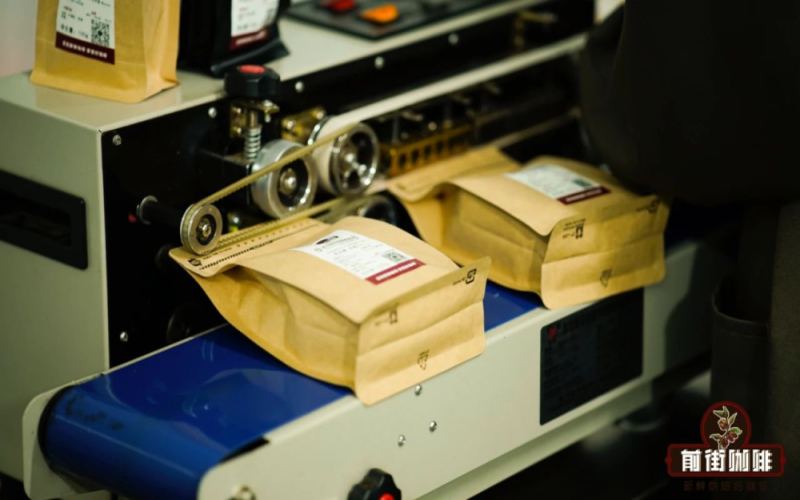
Coffee Bean Roasting Brand Introduction | What Are the Criteria for Judging High-Quality, Great-Tasting Coffee Beans? Recommended High-Cost-Performance Single-Origin Pour-Over Coffee Beans
NO.1 Choose fresh coffee beans. Before selecting any coffee beans, Front Street Coffee will teach you how to judge the freshness of coffee beans. First, choose products that clearly indicate the roast date (not the expiry date or shelf life) and buy from reputable, professional coffee roasters that emphasize fresh roasting. In addition, excellent [more…]
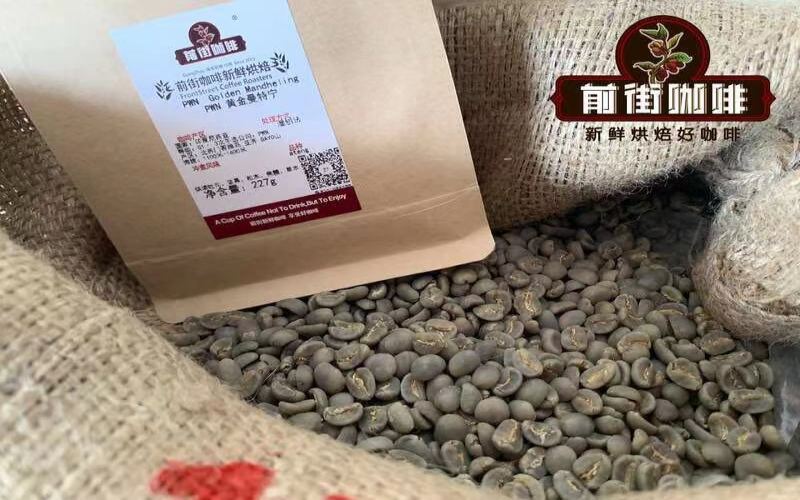
How to Choose Between Single-Origin Pour-Over Beans and Espresso Beans? SOE Flavor Characteristics and a Practical Guide to Blended Beans
Faced with coffee beans online ranging from 30 yuan to 300 yuan, from 100g to 1kg, along with all sorts of unfamiliar terms, many beginners often don't know where to start. In fact, coffee beans on the market are mainly divided into two major categories: single-origin coffee beans and espresso coffee beans. Single-origin beans emphasize the terroir characteristics of their producing region and are suited to pour-over and other filter-style extraction methods; espresso beans are made for espresso machines and are further divided into blends and SOE. This article will systematically sort out the differences between these two types of coffee beans, their respective taste characteristics, and purchasing considerations, and will combine them with Front Street Coffee's specific bean offerings to help coffee lovers make suitable choices based on their own needs. [more…]
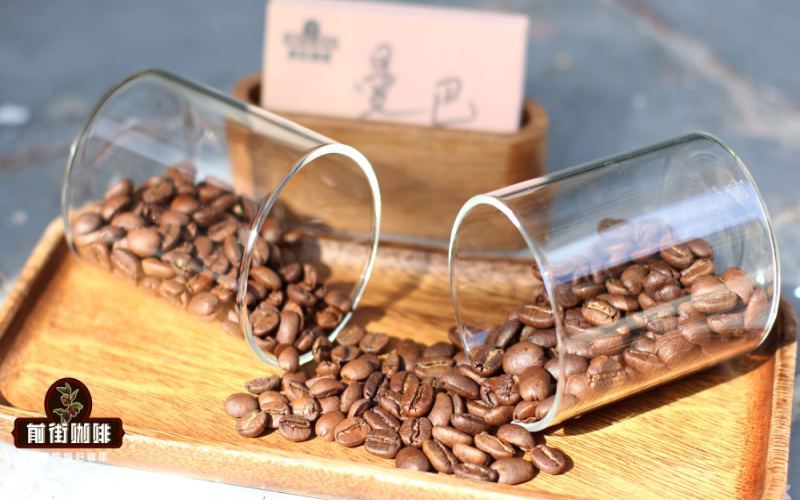
Tracing the Origins of Mamba Coffee Blend: A Classic Mix of Mandheling and Brazilian Beans and a Practical Guide to Espresso Extraction
Mamba coffee is a classic blend that was all the rage in Taiwan's early coffee shops. It is made by combining Indonesian Mandheling and Brazilian coffee beans, taking the strengths of both to achieve complementary flavors. Mandheling is grown in Indonesia's mineral-rich soil, and its beans are short and oval with a dark green color. After medium-dark roasting, its dark chocolate and caramel aromas are prominent, and its body is rich. Brazilian beans rank first in global production, have a smooth taste, and are often used as the base of a blend to balance the palate. Front Street Coffee's Golden Mandheling and Italian Classic Blend continue this approach. This article will start from the respective characteristics of Mandheling and Brazilian beans, sort out the origin and evolution of the Mamba recipe, and then use Front Street Coffee's store offerings as an example to explain in detail the Espresso's dose, ratio, time control, and key points for making lattes, helping coffee lovers understand how this old-school recipe is applied in contemporary espresso coffee. [more…]
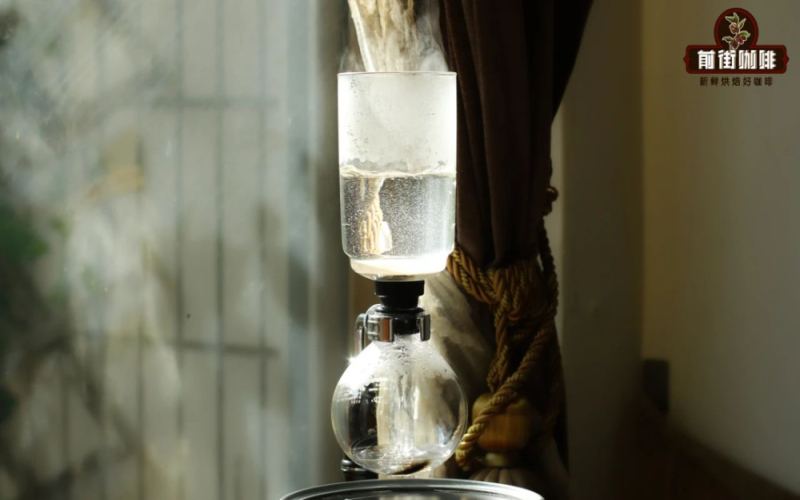
An Analysis of the Causes of Bland Siphon Coffee and a Detailed Guide to Practical Brewing Techniques
The siphon pot is no longer commonly seen in mainstream coffee shops, but its unique extraction method still attracts a group of loyal enthusiasts. When many people try to brew coffee with a siphon pot, they find that the resulting cup tastes weak and lacks complexity. The reasons behind this often involve multiple factors such as the timing of adding coffee grounds, grind size, coffee-to-water ratio, stirring technique, and the choice of heat source. Drawing on Front Street's hands-on experience, this article systematically sorts through the siphon pot's structural principles, differences in filter materials, characteristics of heat sources, the controversy over the order of adding grounds, grinding parameters, coffee-to-water ratio, and stirring methods, and includes a complete operating procedure to help readers consistently make a rich, full-bodied cup of siphon coffee at home. [more…]
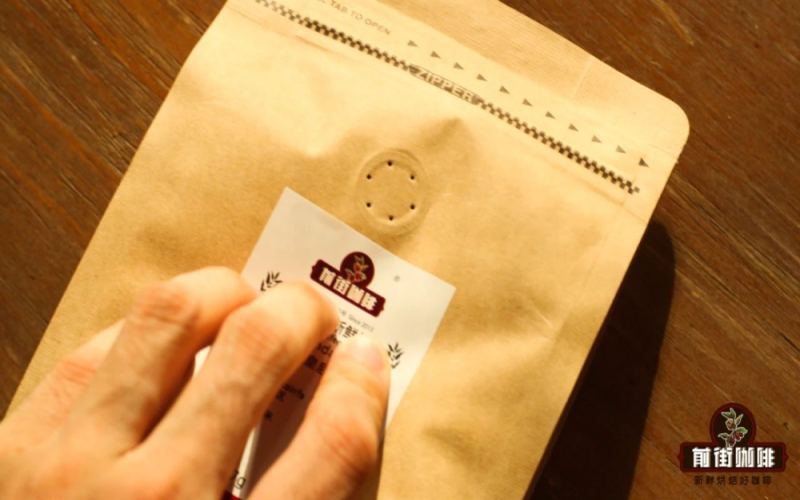
Quickly Select Fresh Coffee Beans | How to Tell If Single-Origin Coffee Beans Are Freshly Roasted? Recommended Coffee Bean Roasting Brands for Beginners
Many friends have left comments saying they don't know how to choose coffee beans, or how to tell whether the coffee beans they bought are fresh. So today, Front Street Coffee will teach you how to choose coffee beans, so that next time you buy coffee, you won't have to worry about getting beans that don't suit you or aren't fresh. Let's take a look at the most basic things you need to know when choosing coffee beans. [more…]

Is Micro-Lot Coffee Always Higher Quality? Decoding the Unique Flavors of Costa Rica's Musician Series Mozart
Micro-lot coffee is often labeled as high quality, but is it necessarily superior to regular lots? This article examines the true positioning of micro-lot coffee from the perspectives of transportation costs, estate production logic, experimental processing, auction selections, and private customization. At the same time, using the Costa Rica Musician Series Mozart as an example, it introduces the flavor performance of this raisin honey-processed micro-lot from Front Street Coffee's bean list, and analyzes the differences between air-freighted lots and sea-freighted lots, helping coffee enthusiasts view the concept of micro-lots rationally. [more…]
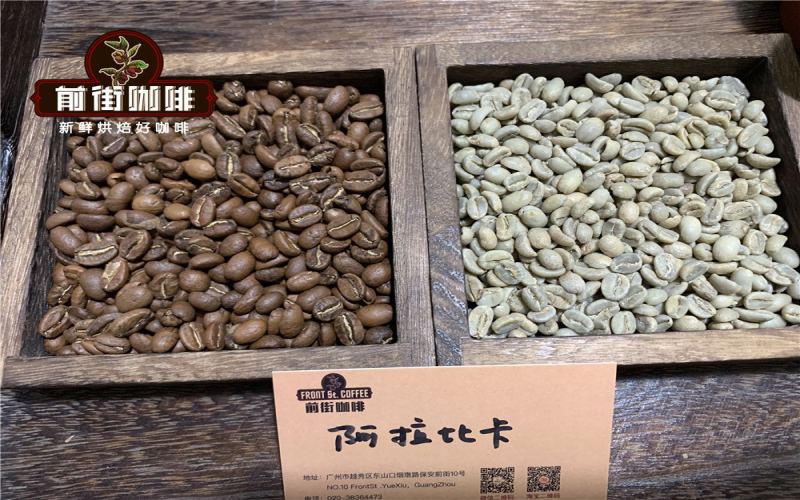
A Practical Guide to Choosing Coffee Beans: Varietal Differences Between Arabica and Robusta and a Breakdown of Regional Flavors
To truly understand a cup of coffee, start by getting to know coffee bean varieties. The two major species, Arabica and Robusta, each have their own character: the former offers delicate flavors and suits the specialty coffee path, while the latter has double the caffeine and rich oils, making it a frequent choice for espresso blends. Within Arabica, many varieties have emerged, such as Typica, Bourbon, Caturra, and Geisha, each with different requirements for altitude and climate, and vastly different expressions in the cup. This article sorts out the origins and flavor characteristics of the main varieties, and combines them with several recommended bean lists from Front Street Coffee to help coffee lovers find the one that suits them when buying. [more…]
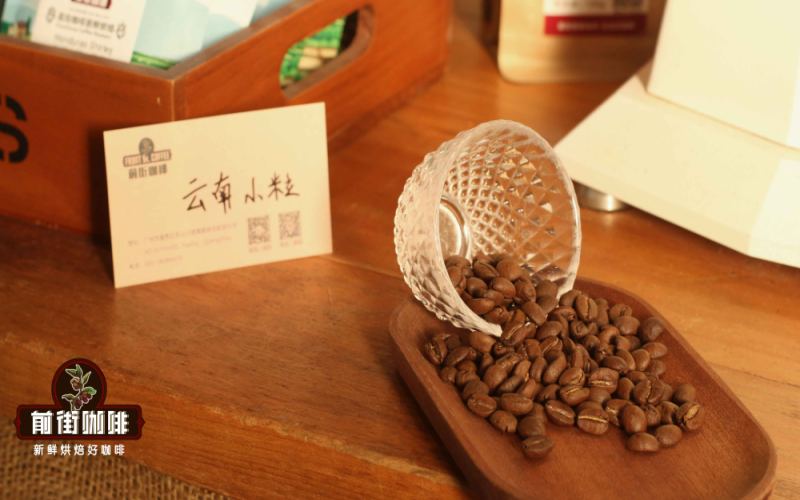
A Comprehensive Analysis of Robusta Coffee Bean Flavor Characteristics: From Aroma and Taste to the Deep-Rooted Reasons Behind Its "Notorious" Reputation
The coffee world is mainly composed of two major species, Arabica and Robusta, which differ significantly in flavor, growing conditions, and market positioning. Robusta, due to its strong adaptability and high yield, is widely used in commercial blends and instant coffee, but its bitter, smoky flavor profile is often criticized by specialty coffee enthusiasts. This article systematically reviews Robusta's botanical characteristics, the causes of its flavor, and its role in blends, while also introducing how Front Street Coffee uses a small amount of Robusta to create espresso beans with rich crema and a full body, and sharing practical tips on fresh roasting and bean resting. [more…]