







How Do You Pick Coffee Beans That Match Your Taste?
Choosing coffee beans comes down to three checks: the roast date, the roast level, and the price per cup. Look for a printed roast date rather than only an expiration date, and prefer bags with a one-way exhaust valve. Beans rest for two to three days after roasting, then hold their aroma until roughly 50 days out, after which it fades.
Acidity and bitterness map onto roast level: light roasts lean fruity and bright, dark roasts lean bitter and full-bodied. Beginners can start with high-value everyday beans brewed on simple equipment to learn regional flavors before spending more. This also answers how to drink arabic coffee well, since matching the bean to the method matters more than the price.
Faced with a dazzling array of coffee beans, how do you find the one that suits you best? This article unfolds from three dimensions: First, judge the freshness of coffee beans, look for the roast date and one-way exhaust valve, and understand the optimal flavor window; Second, lock in roast level and regional flavor based on acidity/bitterness preferences, with several Front Street coffees for reference; Third, at the beginner stage, prioritize high-value everyday beans and use low-cost equipment to quickly build regional awareness. Whether you prefer fruity acidity or rich body, you can find clear purchasing guidance here.
How do you pick coffee beans you'll truly enjoy? Master the following three key points, and you can avoid common selection traps.
Point one: Prioritize freshly roasted coffee beans
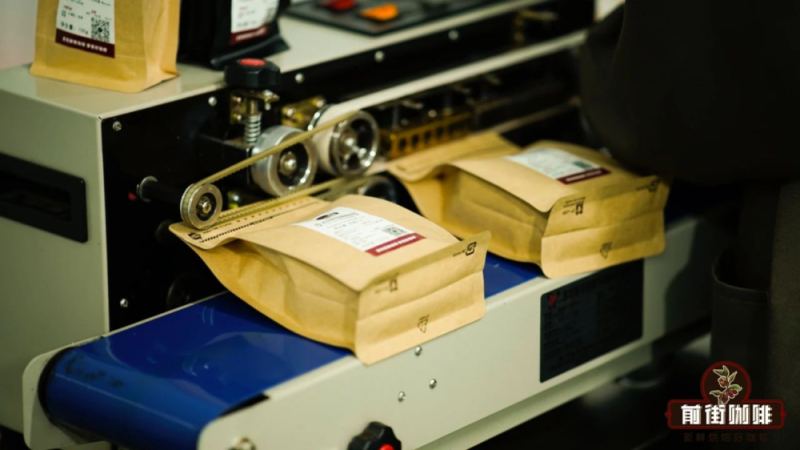
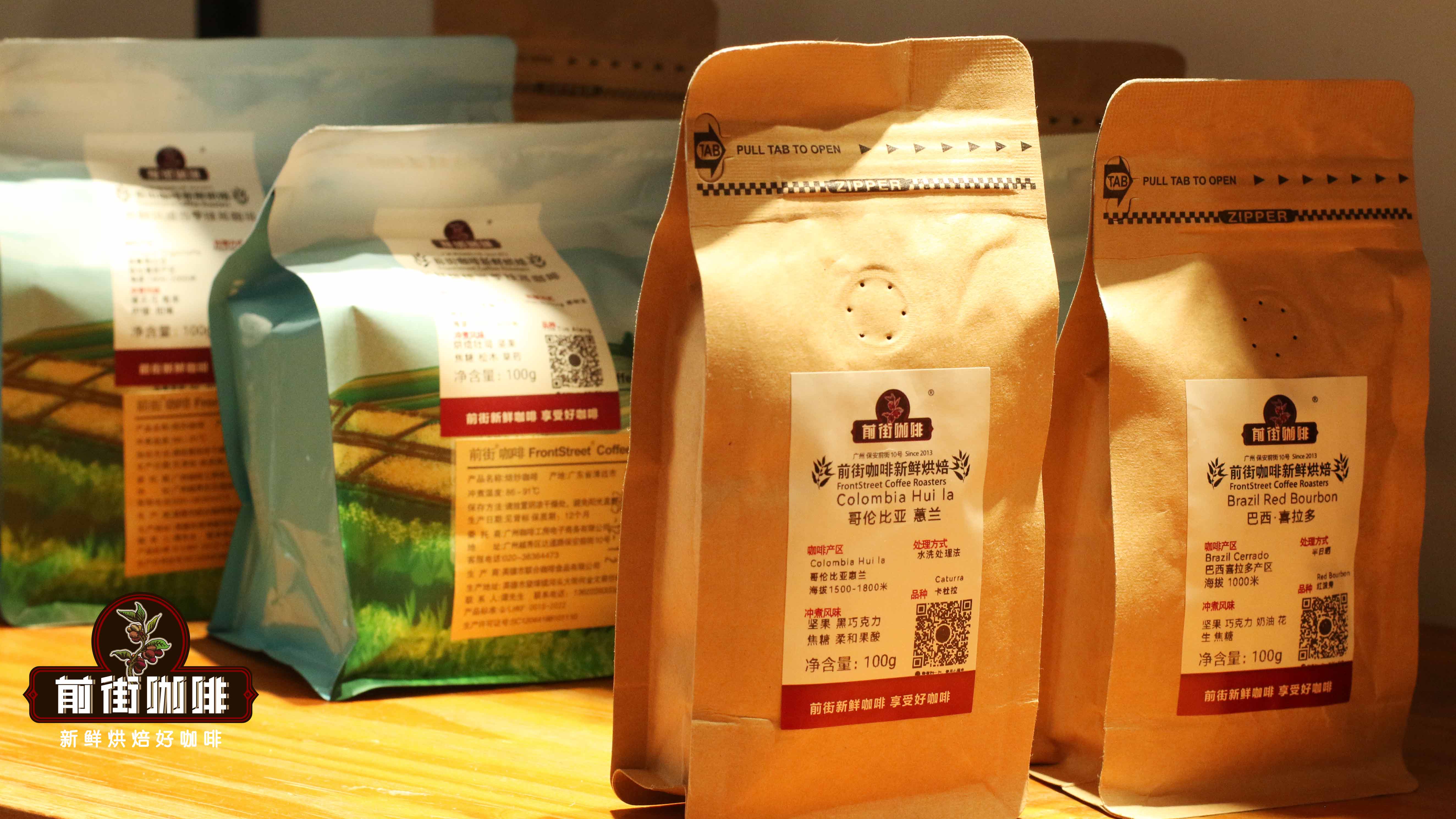
Before deciding which beans to buy, Front Street first shares how to judge freshness. First, when purchasing, pay attention to whether the packaging clearly states the roast date, rather than only an expiration date or shelf life; at the same time, choose a professional roaster with a good brand reputation that focuses on fresh roasting. In addition, reliable-quality coffee bags generally come with a "one-way exhaust valve," which is the button-shaped small hole near the top of the bag, used to release the carbon dioxide emitted by the coffee beans.
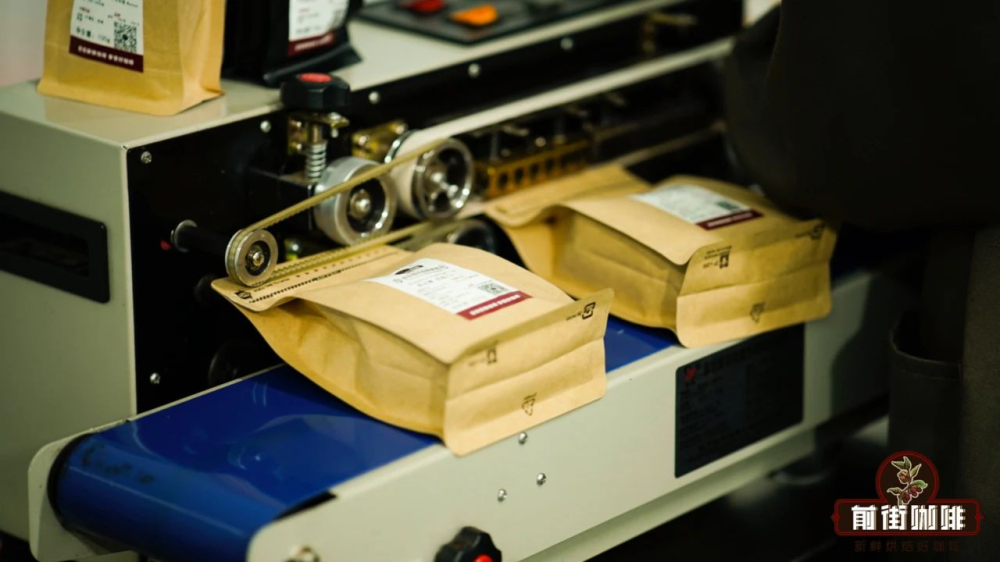
Every bag of coffee beans produced by Front Street uses packaging with a one-way exhaust valve, and all are roasted within 5 days, ensuring they are in the freshest condition when they reach customers. The reason Front Street repeatedly emphasizes freshness is that after more than 50 days from roasting, the aroma of coffee beans is almost completely lost, and even the most expensive beans cannot be brewed into a good cup, so we recommend drinking them as soon as possible within the optimal flavor window.
Of course, coffee beans are not necessarily best drunk immediately after roasting. In the first two days, degassing is too intense and the aroma has not yet stabilized. Letting them rest for 2 to 3 days before brewing gives a more ideal flavor.
Point two: Choose coffee that matches your taste
Acidity and bitterness are the two main flavor directions in coffee today. A cup of coffee is either based on acidity or dominated by bitterness, and this corresponds exactly to light-roasted and dark-roasted beans.
If you prefer coffee with fruity acidity, you can try light-roasted Front Street Red Cherry Coffee (lemon, citrus), Front Street Tarrazu Coffee (sweet orange, honey), Front Street Kenya Coffee (cherry tomato, smoked plum, plum);
If you enjoy a rich, sweet-bitter taste more, dark-roasted Front Street Golden Mandheling Coffee (caramel, spices), Front Street Queen's Estate Coffee (cocoa, chocolate), and Front Street Yunnan Arabica Coffee (nuts, brown sugar) would be good choices;
If you want coffee that is neither bitter nor acidic, it is recommended to get beans with prominent sweetness such as Front Street Strawberry Candy Coffee (rose, grape) and Front Street Mozart Coffee (pineapple, raisin).
Point three: At the beginner stage, prioritize high-value coffee
Front Street believes that beginners are still in the exploratory stage. Apart from the grinder, which is worth investing a little more budget in, other equipment can be simply configured at first, using a low-cost setup to try various types of coffee beans, and then gradually improving brewing techniques and tasting ability.
Coffee beans used for pour-over are usually single-origin beans, from a single producing region, mostly in half-pound or smaller specifications. Differences in producing region, variety, processing method, grade, and roast level will all change the final flavor of the coffee. Based on Front Street's experience, when starting out it is best to first choose beginner-friendly everyday beans according to your taste preferences. First, it allows you to quickly build an understanding of regional flavors; second, even if you practice repeatedly, it will not feel too costly. Taking Front Street's everyday series as an example, if you can accept acidity, you can start with Ethiopian Yirgacheffe;
If you like a soft sweet-and-sour taste, you can choose Costa Rica Tarrazu or Rwanda Red Bourbon; if you want lower acidity, try Yunnan Arabica; if you hope for no acidity and aromas of nuts and chocolate, you can choose Brazil Cerrado or Colombia Huila; if you are afraid of acidity and prefer a rich body, choose Indonesian Mandheling... Once you find the producing region you like, you can further explore the more specific micro-regions, estates, and varieties under that region.
The above content is compiled by CoffeeHunters, a coffee news website.


