







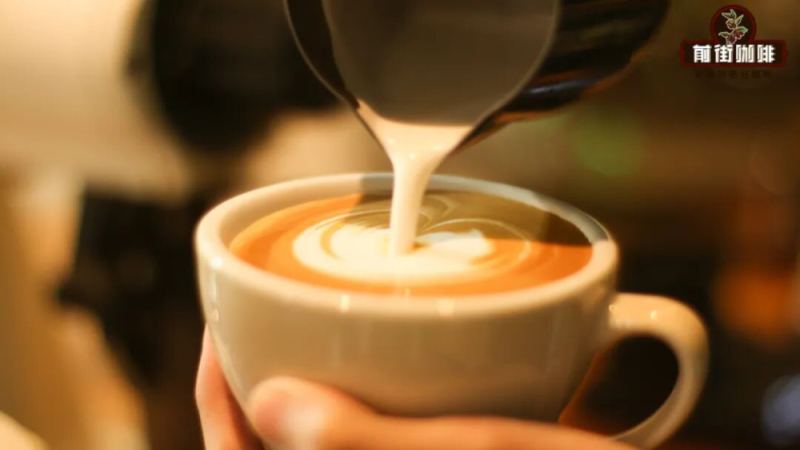
How Can You Practice Latte Art Without an Espresso Machine?
Latte art depends on hand muscle memory for milk flow and foam, so the cheapest way to improve is repeated pouring rather than fresh espresso every time. Two common low-cost routines are dark soy sauce with a little dish soap, which mimics milk and foam, and recycled espresso combined with milk that gets re-steamed. Both cut waste while letting you drill the pour.
Equipment matters less than repetition. Moka pots and capsule machines can produce a concentrated base, though the crema differs from a real espresso machine, and a French press can froth milk when no steam wand is available. For contrast and stability, blends with a small share of Robusta, such as Front Street Classic Blend, give a finer crema that holds a pattern.
The craft of latte art, at its core, relies on the repeated muscle memory of the hands for milk flow and foam. But if every practice session requires freshly pulled espresso and freshly steamed milk, not only is the cost high, but it's also heartbreaking to pour out what you can't finish. So many coffee enthusiasts have figured out some money-saving and practical practice routines to minimize waste. In this article, Front Street Coffee will talk about how coffee shops practice latte art daily: we'll introduce suitable espresso bean choices for latte art, share how to froth milk with a French press when you don't have an espresso machine, and break down in detail two low-cost practice methods—using dark soy sauce with dish soap, and cycling espresso with milk—to help you practice latte art step by step at home.
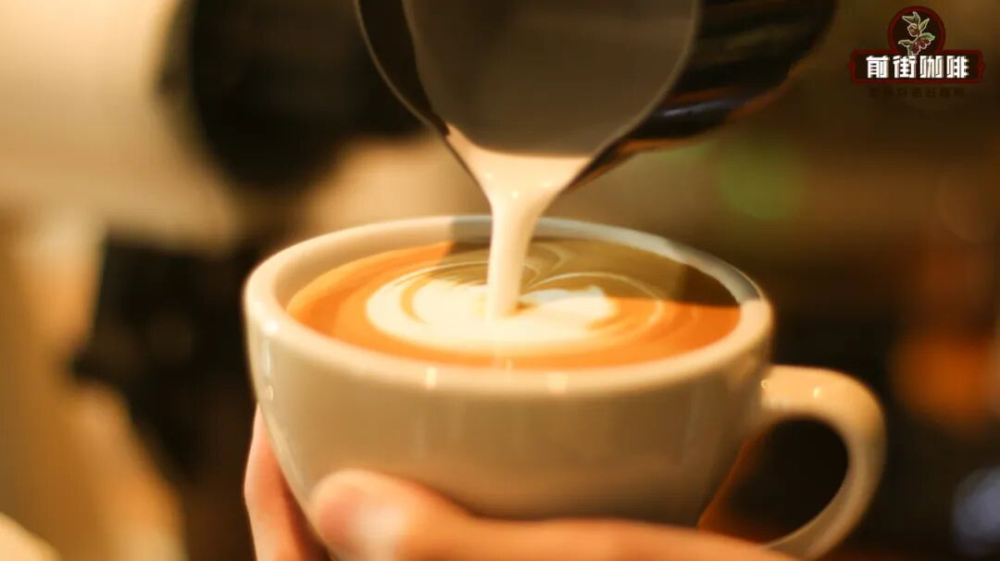
To create beautiful latte art patterns, the prerequisite is that your hand muscles have become sufficiently proficient at controlling milk foam. So behind every barista's effortless pour at the bar, there are countless boring repetitions of practice.
But if every practice session uses newly pulled espresso and freshly steamed milk, you definitely won't be able to drink it all, and pouring it out is too wasteful. So some clever coffee enthusiasts invented a series of alternatives to minimize both material cost and waste. Today, Front Street Coffee will talk about how coffee shops usually practice latte art.
What coffee beans are better for latte art?
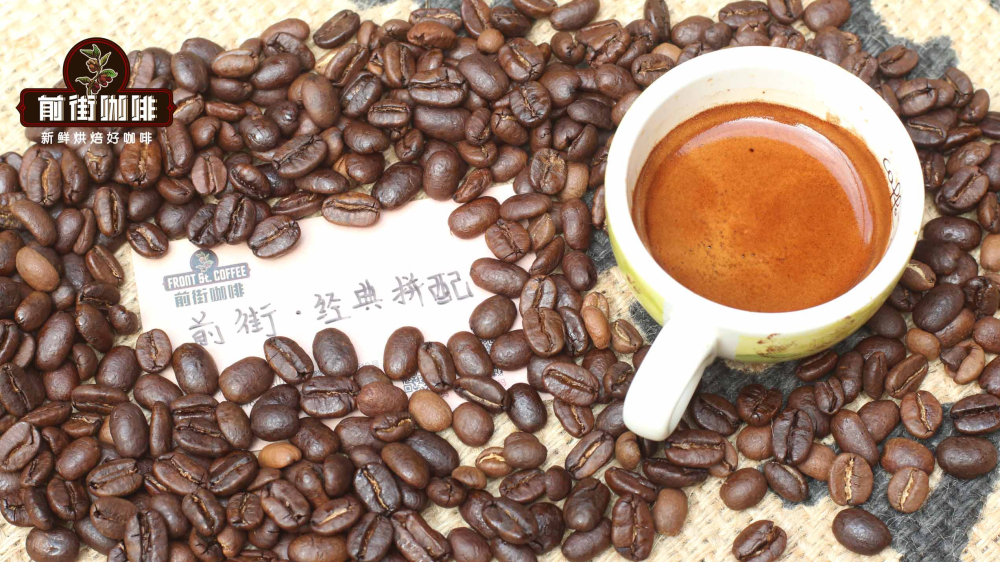
Whether a cup of coffee tastes good depends on the quality of the coffee and milk; similarly, whether the latte art turns out well also depends on the quality of the espresso and milk foam. For latte art in coffee shops, the top choices are rich-crema popular blends—Front Street Classic Blend and Front Street Commercial Blend, which is a staple for shops. Both espresso beans contain a small amount of Robusta. Front Street Classic Blend combines Brazil, Mandheling, and Robusta, medium-dark roasted. During extraction, you can smell obvious aromas of butter, toasted bread, and caramel biscuits. The flavor is intense, the body is thick, the crema is fine, and extraction stability is very high. It's a must-have home coffee for beginners.
Can you do latte art without an espresso machine?
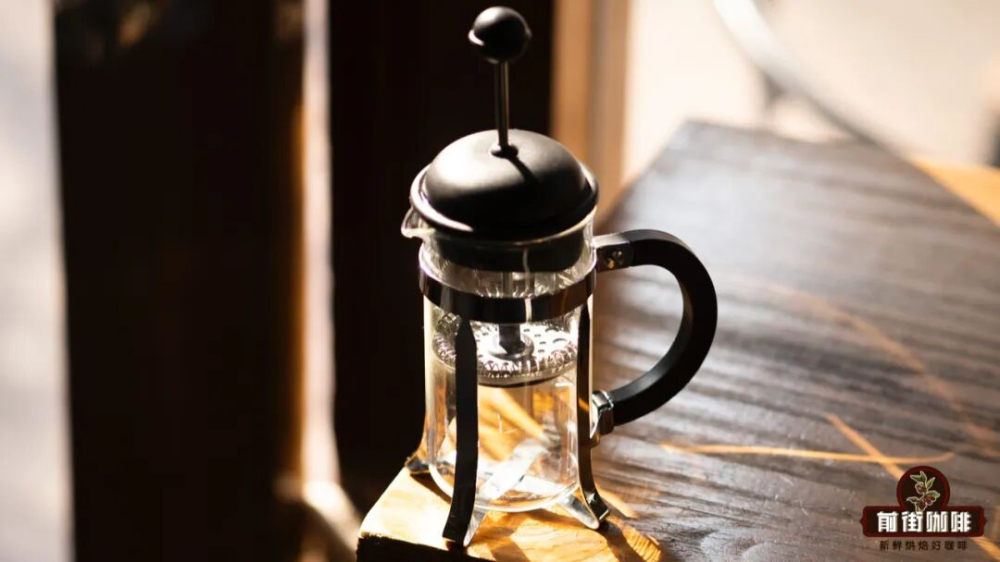
Let's be clear about this first: many people use moka pots, capsule coffee machines, and similar devices to make espresso at home. These devices don't have steaming functions, so if you want a hot latte, you often have to drink a version without milk foam. But it doesn't matter—as long as you have a French press (or an electric milk frother), you can still experience the fun of latte art.
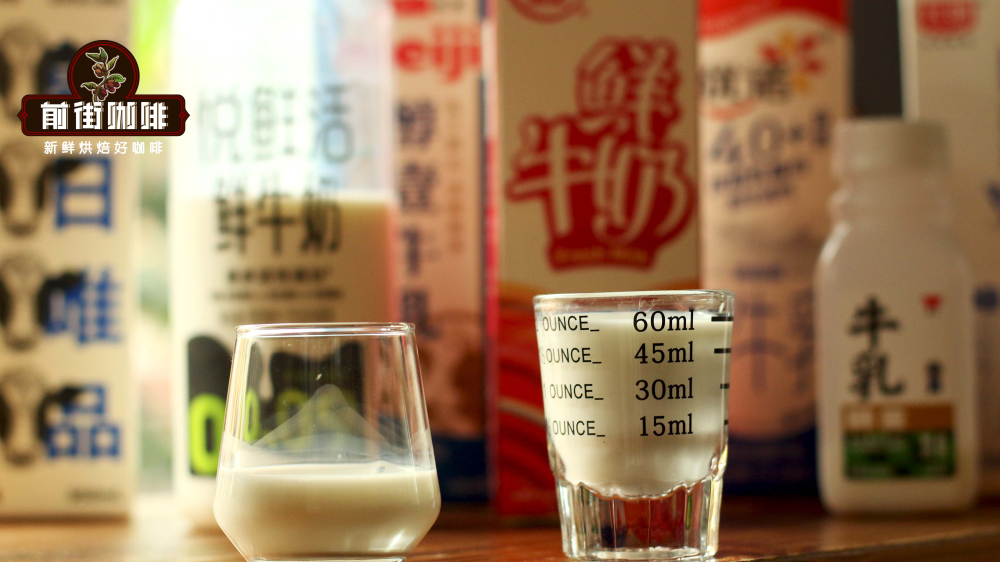
For the specific steps on how to froth milk with a French press, see this article "How to Froth Milk with a French Press?" Alright, now let's get into today's main topic.
1. Dark soy sauce and dish soap
The first method is suitable for complete beginners who have never tried latte art: dark soy sauce plus dish soap. It sounds like it has nothing to do with coffee, but in practice it actually works. Dark soy sauce corresponds to espresso, and dish soap replaces milk. Both cost only about ten yuan for a large bottle. The specific steps are as follows:
First, pour a little dark soy sauce into the coffee cup, just enough to cover the bottom.
Suppose your latte cup capacity is 240 ml and you use 10 ml of soy sauce. Then pour 220 ml of water into the milk pitcher, and add one pump of dish soap (that is, press the dish soap pump once; if there's no pump, pour about 5 ml).
Then you can froth this pitcher of dish soap water. If using an espresso machine, follow the normal frothing process (how to froth milk foam?). If using a French press, pump up and down several times, with varying speeds, and a portion of dense "milk foam" will appear. After frothing, shake it first to make the foam more even, then you can start practicing latte art.
(Yes, this is the finished picture made with dark soy sauce and dish soap.)
A few notes: If you're using an espresso machine, you may not be able to create dense milk foam because the water temperature isn't low enough. In that case, replace about one-third of the water with ice cubes to lower the temperature, which will extend the frothing time; if you're using a French press, room-temperature water is enough to froth.
But the downside is that soy sauce and dish soap can only be used once; after making one pattern, you have to pour it out, and it can't be reused. By the way, after use, be sure to wash the cup, milk pitcher, steam wand, and other tools clean.
2. Directly using espresso and milk
Because the above method has few substances in the water, there's not much resistance during pouring, so the feel is still a little different from using real coffee and real milk. So many people directly use espresso and milk to practice. Of course, there are low-cost options for espresso and milk too; the idea is to reuse the espresso and milk repeatedly. The specific steps are as follows:
First, extract a shot of espresso in the usual way, froth a portion of milk foam, and then pour latte art normally.
At this point the pattern has formed, and the colors of coffee and milk have mixed together, but that's fine—pour it from the cup back into the milk pitcher. Yes, pour it back.
Then pour a little bit of the coffee liquid back into the coffee cup, again just enough to cover the bottom. Next, add an appropriate amount of coffee grounds and shake to let it blend.
This step is mainly to dye the coffee liquid in the cup with the color of the coffee grounds, thus creating a color contrast with the coffee in the pitcher, so it can be used again.
See, the pattern still comes out with clear layers. Note that the whole process must be very fast, otherwise after the coffee cools, its fluidity will be much worse.
Front Street tested it, and on average one shot of espresso and milk foam can be reused five times. After five times, the coffee liquid is full of coffee grounds, and if used again, the color difference is no longer obvious. So after repeating five times, you have to switch to new espresso and milk. These two methods can be used together. Front Street suggests using soy sauce plus dish soap as an initial transitional stage when you first start learning. After you get a feel for some of the tricks of latte art, switch to repeatedly practicing with espresso and milk.
The above content is compiled by CoffeeHunters, a coffee news website.


