







How does soe coffee differ from blended espresso beans?
Coffee beans on the market split into two main groups: single-origin beans and espresso coffee beans. Single-origin beans highlight the terroir of one producing region and suit pour-over and other filter methods, usually in packages under 250g. Espresso beans are built for espresso machines and divide further into blends and SOE, where one single-origin lot is pulled as espresso on its own.
Prices run from roughly 30 yuan to over 300 yuan, in bags from 100g to 1kg, which leaves beginners unsure where to start. SOE coffee keeps the character of a single origin in the cup, while blending coffee beans combine several lots for balance and consistency. Matching the bean type to the brewing method, and to what the drinker actually wants, matters more than the shelf price.
Faced with coffee beans online ranging from 30 yuan to 300 yuan, in packages from 100g to 1kg, along with all sorts of unfamiliar terms, many beginners often don't know where to start. In fact, coffee beans on the market mainly fall into two categories: single-origin coffee beans and espresso coffee beans. Single-origin beans emphasize the terroir characteristics of their region and are suited to pour-over and other filter-style extraction methods; espresso beans are designed for espresso machines and are further divided into blends and SOE. This article will systematically sort out the differences between these two types of coffee beans, their respective flavor characteristics, and purchasing considerations, and will combine specific bean offerings from Front Street Coffee to help coffee lovers make suitable choices based on their own needs.
Recently, a friend who was planning to try brewing coffee for himself browsed around online and then came to ask Front Street Coffee: why is there such a huge price gap between coffee beans, with some costing only around thirty yuan while others cost over three hundred? The weights also vary widely, with both 100g small packages and 1kg large bags, plus a bunch of incomprehensible technical terms—it's enough to leave anyone baffled. So he came specifically to ask Front Street Coffee how exactly to identify and choose coffee beans.
Overall, coffee beans sold on the market can mainly be grouped into two major categories: espresso coffee beans and single-origin coffee beans. Let's first talk about single-origin coffee beans, which are what everyone often calls "specialty coffee beans." Their core characteristic is that they use a single origin as the unit, highlighting the unique flavor expression of that producing region. Because of this, single-origin beans can be further divided into many different types by origin, and the packaging usually clearly states the specific origin information. The packaging size for these beans generally does not exceed 250g, and the applicable extraction methods are very wide-ranging, with pour-over coffee being the most typical.
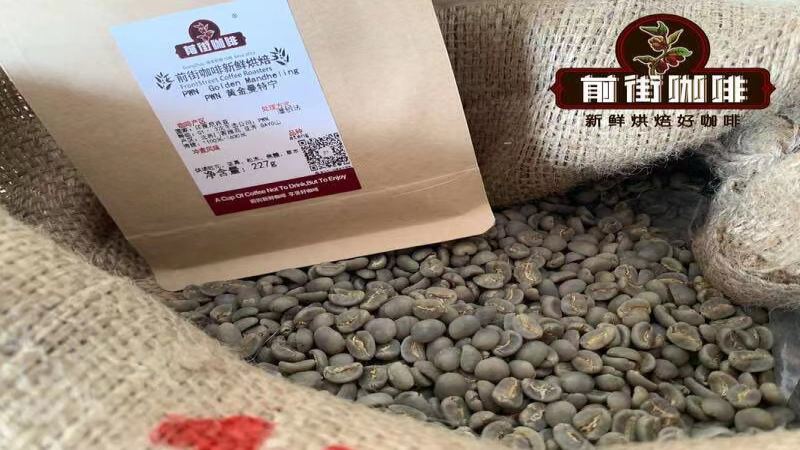
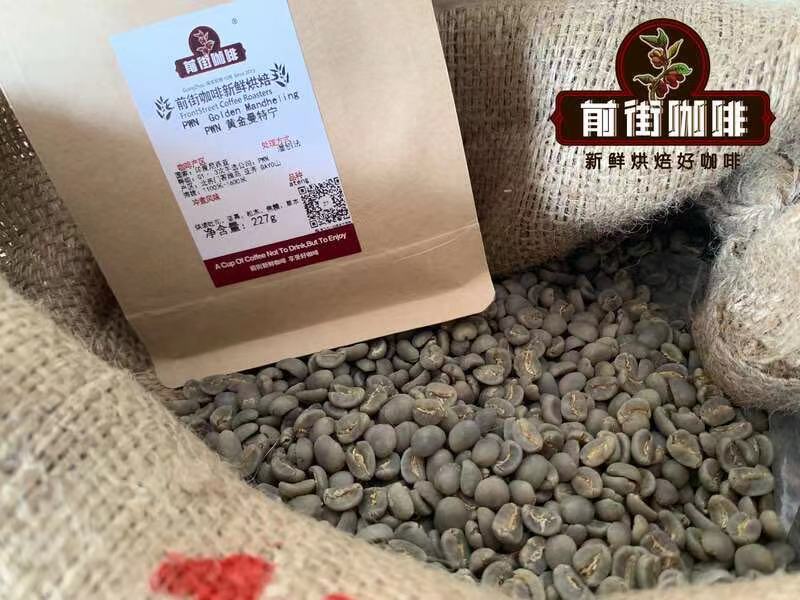
In Front Street Coffee's bean lineup, there are more than fifty of these single-origin coffee beans. For beginners, Front Street Mandheling, Front Street Yirgacheffe, Front Street Brazil Pulped Natural, Front Street Colombia Washed, Front Street Costa Rica Blackberry, and Front Street Panama Geisha are all quite representative choices. If you usually use pour-over, drip coffee makers, French press, AeroPress, siphon, or cold brew and other filter-style brewing methods, then single-origin coffee beans would be a good direction. When choosing for the first time, you might as well start with the flavor descriptions on the packaging—whichever flavor interests you, choose that one.
The other major category is espresso coffee beans, which are specifically designed for espresso machines. Compared with beans used for pour-over, the most notable difference of espresso coffee beans is a deeper roast level, so many single-origin coffee beans are not suitable for use in espresso machines.
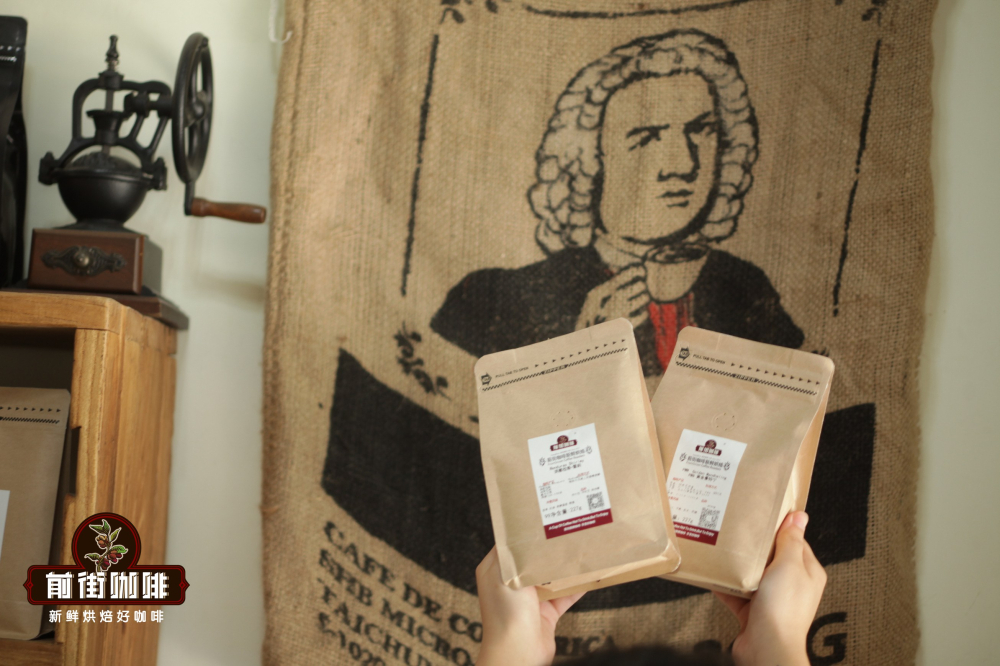
Of course, the concept of "espresso coffee beans" does not conflict with single-origin beans. Espresso coffee beans themselves are mainly divided into two types: blends and SOE. Let's first talk about SOE, which is essentially the espresso version of single-origin coffee beans. As mentioned earlier, ordinary single-origin beans are generally not suitable for espresso machines, so SOE came into being—the green bean raw material is the same, only the roast level is deeper than regular single-origin beans. SOE also emphasizes origin and terroir characteristics. For example, if you want to taste coffee floral aromas, you can choose Front Street Red Cherry Yirgacheffe SOE; if you prefer the sweetness of ripe fruit, Front Street Mozart SOE is the top choice; if you like balanced nutty notes, you might try Front Street PNG Bird of Paradise.
However, judging from the current market situation, SOE coffee beans still account for a relatively small share. When buying, be sure to look for the SOE label or the espresso label, so you don't mistakenly buy single-origin beans meant for pour-over.
Next comes espresso blend beans, which are also the most common coffee beans in espresso coffee. Why blend? There are mainly three reasons: price, stability, and flavor. These three form an "impossible triangle," meaning you cannot have all at once and can only make trade-offs. If you are planning to open a coffee shop, or want to dive deeper into the world of espresso, you may want to refer to the following content to see how to choose beans that suit you.
Take Front Street Coffee's four espresso coffee beans as an example. The original purpose of blending beans is to make coffee flavor more stable and balanced. For example, Front Street Specialty Blend Coffee Beans are made by blending coffee beans from Colombia and Brazil. Brazil and Colombia are both major coffee-producing countries with relatively stable quality each year, and combined with the balance of Brazilian beans and the rich body of Colombian beans, this bean performs impressively. It prioritizes stability and flavor, has a rich body, is mainly nutty with a faint fruity aroma, and is suitable for specialty coffee shops.
The espresso moka pot coffee bean recommended by many baristas at Front Street Coffee—Front Street Dark Cocoa Blend Beans—is a product developed with cost-effectiveness as the core, made by blending coffee beans from Yunnan and Brazil. While ensuring a price advantage, it also balances the flavor and stability of espresso. This espresso bean is suitable as a personal daily staple or for low-cost coffee shops.
Front Street Commercial Blend Beans are made by blending coffee beans from three origins: Colombia, Brazil, and Vietnam, among which the Vietnamese beans are Robusta and account for a very small proportion. Italian coffee shops like to add Robusta beans to blend recipes because Robusta can bring a richer crema and also has a higher caffeine content. Therefore, adding a small amount of Robusta beans can make espresso taste richer and fuller. The espresso made with it and paired with milk will present a more intense caramel-chocolate flavor. This espresso bean is suitable for people who prefer a rich mouthfeel, or for businesses that specialize in espresso coffee.
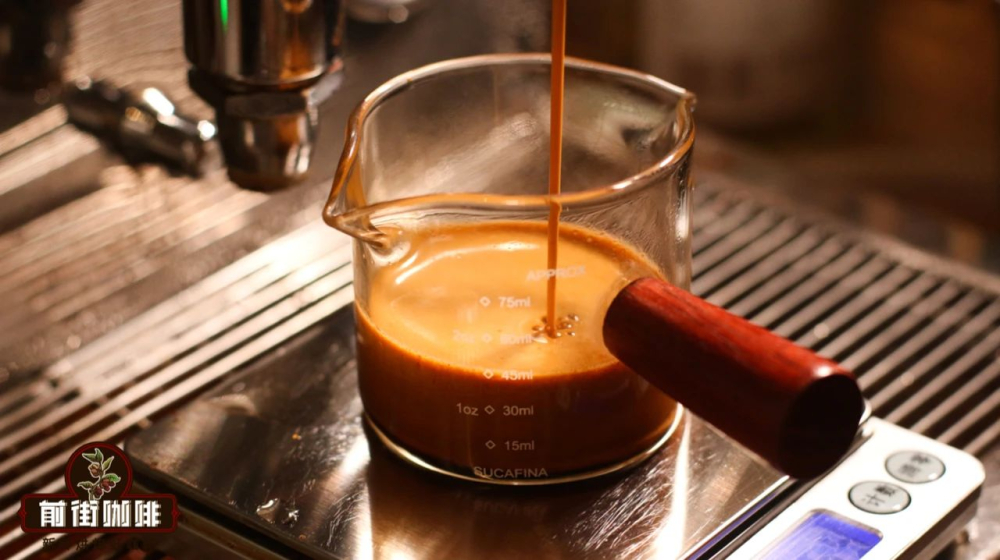
The last one is developed with flavor as the orientation, and is also one of the most popular blends in Front Street Coffee's online shop—Front Street Strawberry Candy Espresso. Just from the name, you can tell this is a coffee with a very prominent sweetness. It is composed of three single-origin coffees from different regions. Besides having rose floral aromas of its own, when made into an Americano or latte it also offers flavors of grapes, dried blueberries, sweet orange, and fruit candy, with a quite unique taste.
Simply put, when choosing espresso coffee beans, the key is to look at your own positioning and needs—whether you are pursuing high cost-effectiveness, placing more importance on balance in all aspects, or wanting distinctive flavors.
The above content is compiled by CoffeeHunters, a coffee news website.


