







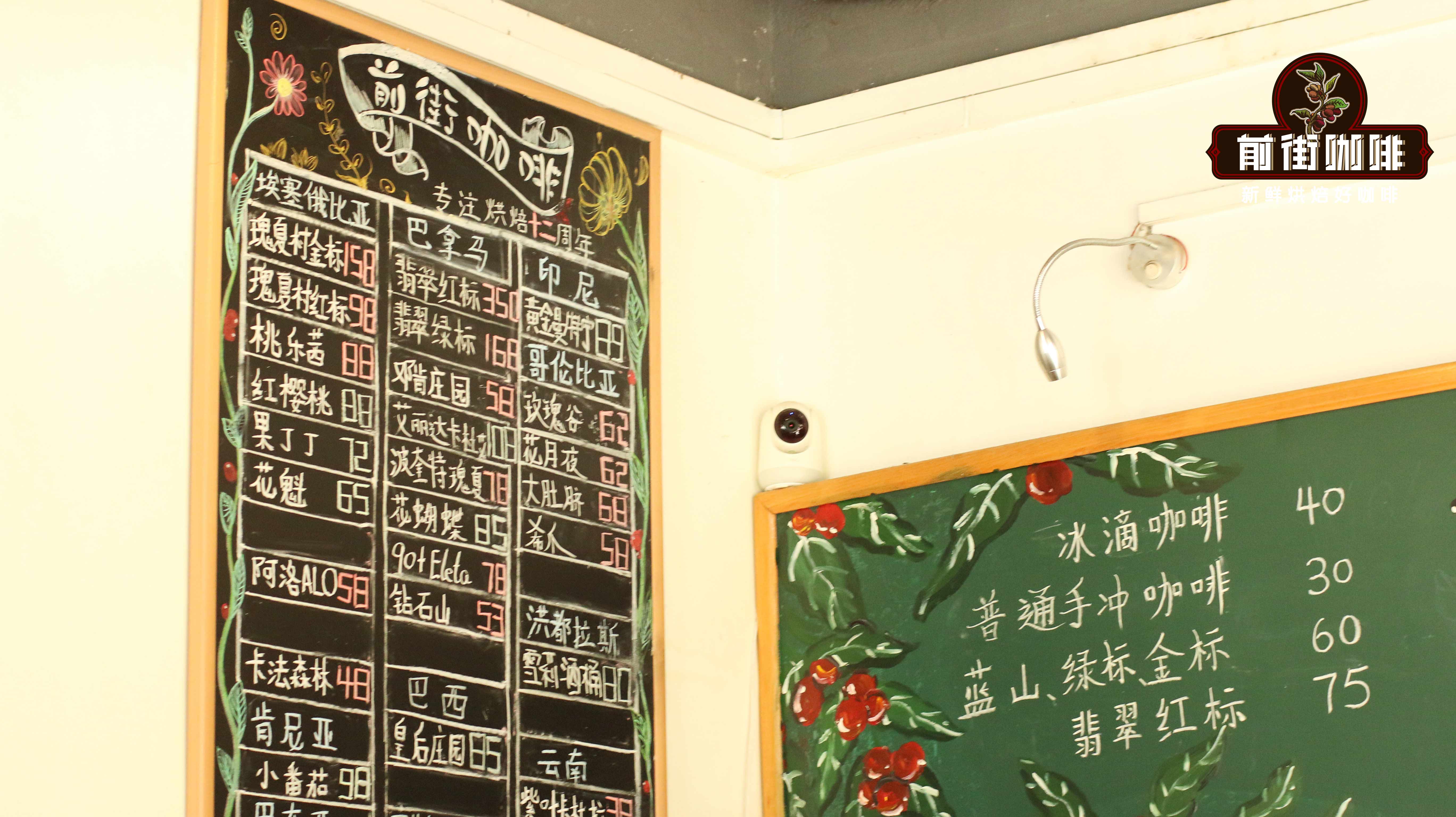
Faced with a dazzling array of coffee beans, many enthusiasts often don't know where to start, let alone whether the beans they buy are actually fresh. Drawing on the practical experience of Front Street Coffee, this article systematically outlines the four basic steps for choosing coffee beans: first learn to judge freshness, then pin down the roast level and origin based on your preference for acidity or bitterness, next get started with pour-over in a cost-effective way, and finally gradually delve into specific origins. The article not only offers practical tips such as smelling the aroma, checking the roast date, and looking for a one-way degassing valve, but also recommends specific products for different tastes, including Front Street Red Cherry, Tarrazú, and Golden Mandheling, to help you make a wiser choice next time you buy.
Many readers have told us in the comments that they often feel completely lost when facing coffee beans on the shelf, and don't know how to tell whether the beans they bring home are still fresh. Today, Front Street Coffee is here to talk about how to choose coffee beans—once you've mastered it, you won't have to worry about picking something that doesn't suit your taste or has been sitting around too long. Let's start with the four most basic steps.
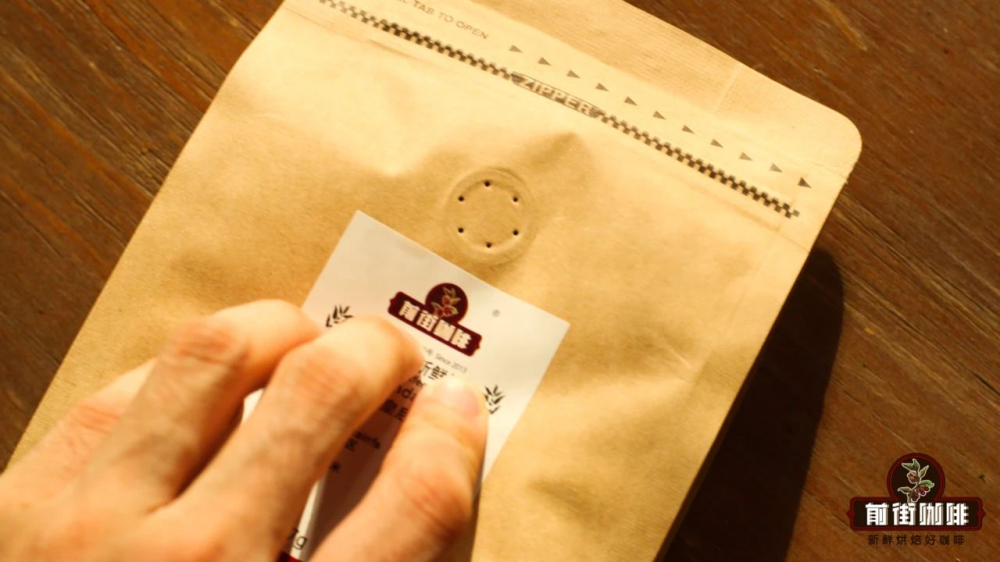
Before choosing any coffee bean, Front Street will first teach you how to judge how fresh the beans are. Step one: check whether the product clearly states a roast date—note that this is the roast date, not the expiration date or shelf life—and give priority to professional roasters with a good brand reputation that focus on fresh roasting. In addition, quality coffee packaging usually comes with a "one-way degassing valve," that button-sized hole near the top of the coffee bag, whose job is to let the carbon dioxide the beans naturally release escape.
Every bag of coffee beans sold by Front Street uses packaging with a one-way degassing valve, and all orders are shipped within 5 days of roasting, ensuring the beans are in their freshest state when they reach the customer. The reason Front Street repeatedly emphasizes fresh roasting is that coffee beans lose most of their aroma after more than 50 days from roasting, and no matter how expensive the beans are, they won't taste good once brewed—so we recommend drinking them as soon as possible within the flavor window.
Of course, coffee beans aren't better the fresher they are. In the first two days right after roasting, the beans contain too much internal gas and the aroma hasn't yet stabilized, so it's best to let them rest for 2 to 3 days before brewing and tasting.
If you've already bought the beans and want to quickly judge whether they're fresh, try Front Street's method: after opening the package, bring the coffee beans or ground coffee close and take a deep sniff. If the aroma is strong and pleasant, the beans are fresh enough; if the aroma is very weak, they may have been sitting around too long and should be finished soon; if there's not only no aroma but also a greasy smell starting to appear, that means the bag is no longer fresh. It should be noted that "greasy smell" here refers to the scent, not the appearance—coffee grounds left too long mostly smell like a kitchen's smoky odor.
Step two: choose coffee that suits your taste.
Acidity and bitterness are the two main directions in today's coffee flavors. A cup of coffee is either dominated by acidity or by bitterness, and these two tastes correspond to light-roasted and dark-roasted beans respectively.
If you prefer coffee with fruity acidity, we recommend light-roasted Front Street Red Cherry Coffee (lemon, citrus), Front Street Tarrazú Coffee (sweet orange, honey), and Front Street Kenya Coffee (cherry tomato, smoked plum, plum);
If you like a rich, bittersweet taste, try dark-roasted Front Street Golden Mandheling Coffee (caramel, spices), Front Street Queen's Estate Coffee (cocoa, chocolate), and Front Street Yunnan Small-Bean Coffee (nuts, brown sugar);
If you want coffee that's neither bitter nor sour, we suggest buying beans with prominent sweetness, such as Front Street Strawberry Candy Coffee (rose, grape) and Front Street Mozart Coffee (pineapple, raisin).
Step three: give priority to coffee with good value for money.
Front Street believes that beginners are still in the exploratory stage, so apart from the grinder, which is worth spending a bit more budget on, other equipment can actually get by with whatever works for now—start with a low-cost setup to try different kinds of coffee beans, and gradually improve your brewing technique and tasting ability.
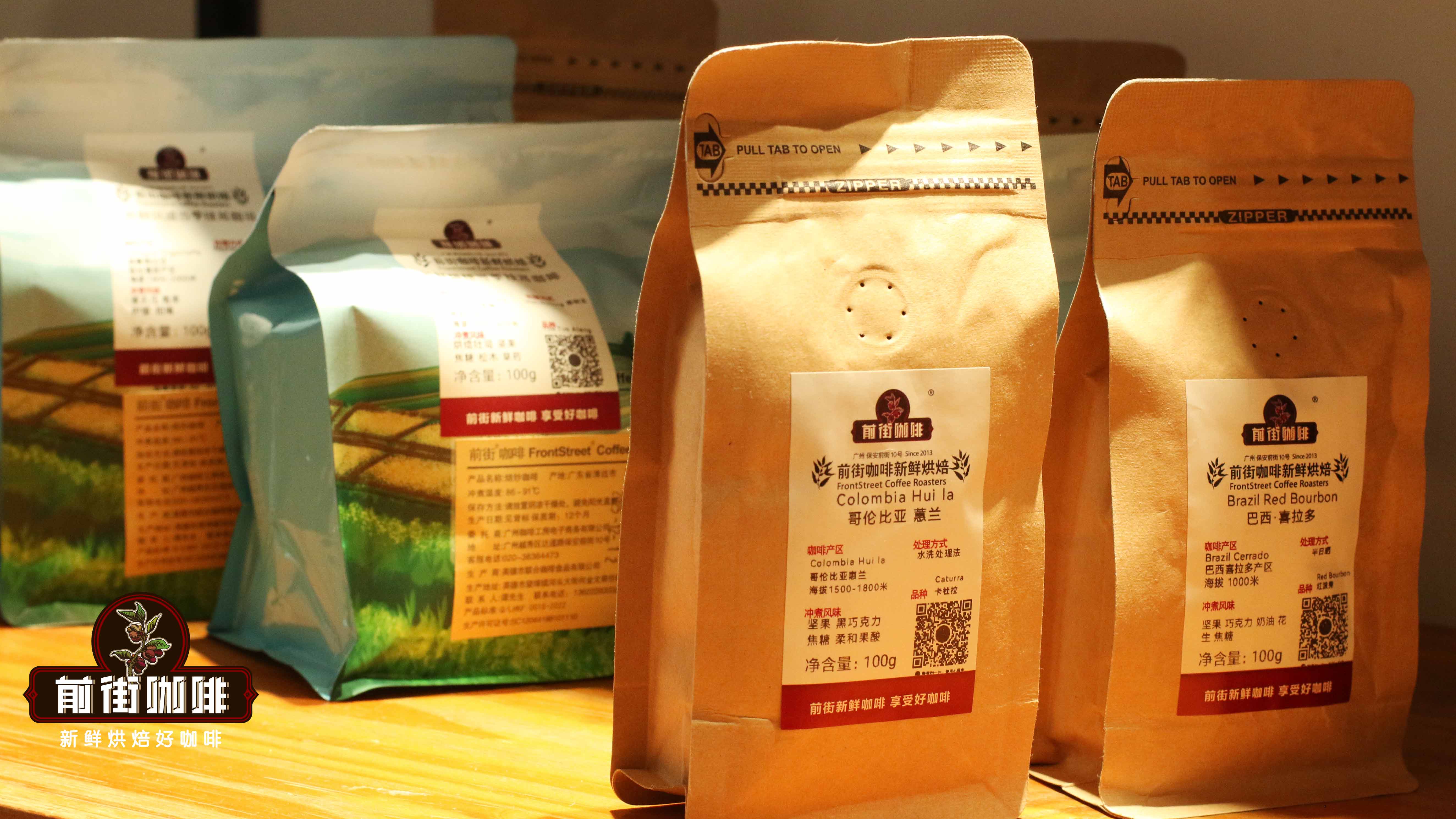
Coffee beans used for pour-over are generally single-origin coffee, from a single production area, and mostly come in half-pound or smaller sizes. Differences in origin, variety, processing method, grade, and roast level all influence the final taste of the coffee. Based on Front Street's experience, at the beginner stage it's best to first pick everyday beans that are newbie-friendly according to your taste preferences—first, you'll quickly build an understanding of origin flavors, and second, you won't feel bad even if you practice a few extra times. Taking Front Street's everyday beans as an example, if you can accept acidity, you can start with Front Street Ethiopia Yirgacheffe;
If you like gentle sweetness with acidity, you can choose Front Street Costa Rica Tarrazú or Front Street Rwanda Red Bourbon; if you want less acidity, try Yunnan Small-Bean; if you want no acidity plus nutty and chocolate aromas, choose Front Street Brazil Cerrado or Front Street Colombia Huila; if you're afraid of acidity and prefer a full-bodied taste, go with Front Street Indonesia Mandheling... Once you find an origin you like, you can continue to dig deeper into that region's more specific micro-regions, estates, and varieties.
The above content is compiled by CoffeeHunters, a coffee news website.


