







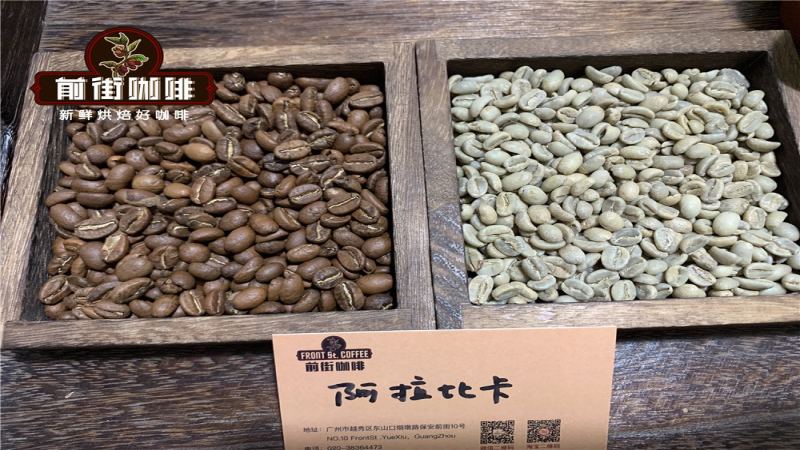
How do arabica coffee bean varieties differ from robusta?
Arabica and Robusta are the two main coffee species, and they behave differently in the cup. Arabica, or Coffea arabica, accounts for roughly 70 to 80 percent of global production, grows slowly, resists pests and disease poorly, and prefers high altitudes. Robusta carries about double the caffeine and more oils, which is why it appears often in espresso blends.
Within arabica beans there are two to three thousand varieties, all tracing back to Ethiopia's Typica and Bourbon, including Caturra and Geisha. Good growing land lies between the Tropics of Cancer and Capricorn, with slopes around 1,000 to 2,000 meters, steady rainfall and mild daytime sun. Checking origin and variety on the label helps buyers choose.
To truly understand a cup of coffee, start by getting to know coffee bean varieties. The two main species, Arabica and Robusta, each have their own character: the former has delicate flavors and suits the specialty路線, while the latter has double the caffeine and rich oils, making it a frequent choice for espresso blends. Within Arabica, numerous varieties have emerged, such as Typica, Bourbon, Caturra, and Geisha, each with different requirements for altitude and climate, and vastly different expressions in the cup. This article sorts out the origins and flavor characteristics of the main varieties and, combined with several recommended bean lists from Front Street Coffee, helps coffee lovers find the one that suits them when purchasing.
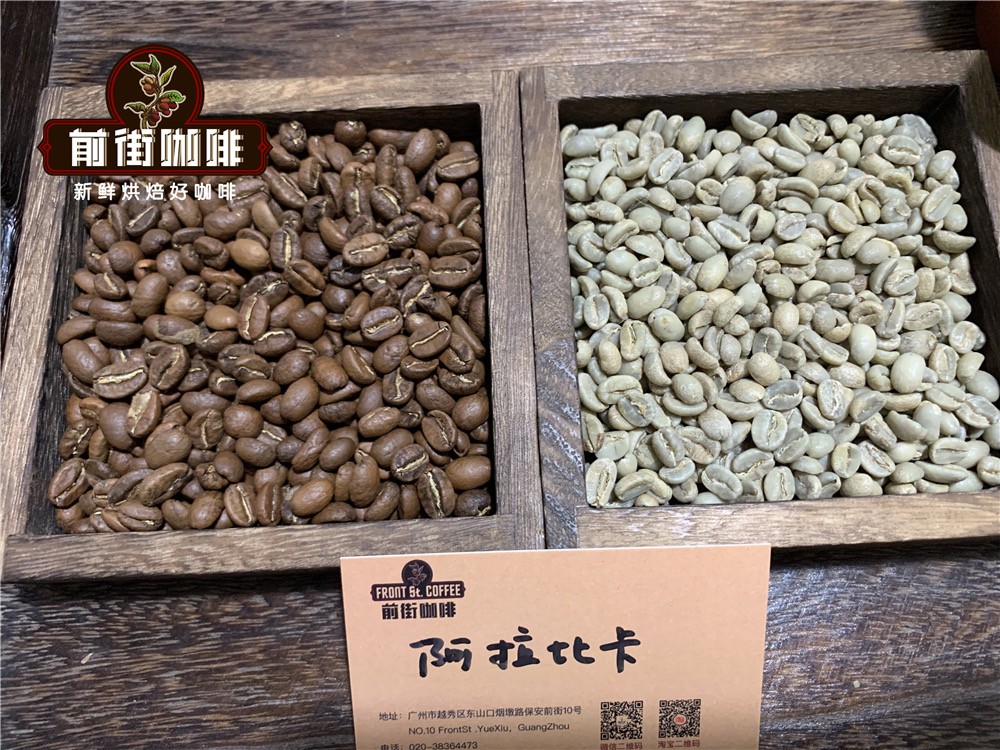
Arabica refers to the Coffea arabica species, which accounts for roughly 70% to 80% of global coffee production. This species has relatively weak resistance to pests and diseases and grows slowly, so its annual output is limited. It is better suited to cultivation at high altitudes, mostly grown on volcanic slopes or plateaus at elevations of 500 to 1,500 meters or more, with Arabica beans produced above 1,500 meters generally regarded as higher quality.
Arabica can be further subdivided into two to three thousand varieties, all originating from Ethiopia's oldest native varieties, Typica and Bourbon, with the latter gradually mutating and diversifying after being introduced to South America or Asia. The main growing regions include Brazil, Colombia, and other Central and South American countries, as well as Central America's Tico and Sidamo, and Indonesia's Sumatra Typica and Jamaica Blue Mountain.
The suitable coffee-growing zone lies between the Tropic of Cancer and the Tropic of Capricorn, an area known as the "Coffee Zone," which includes Central and South America, Arabia, East Africa, southern Asia, and Oceania. Countries with mountainous terrain tend to produce better coffee more easily, because coffee trees are suited to growing on slopes at elevations of about 1,000 to 2,000 meters, requiring both ample rainfall and not too much humidity. The ideal conditions are mild sunshine during the day, drifting clouds and mist in the evening, and nighttime temperatures maintained around 10 degrees Celsius without dropping too low.
Robusta
Robusta is the world's second-most-produced coffee bean. It is both cold-tolerant and immune to many diseases. This coffee bean grows best in hot climates with irregular rainfall and can adapt to a wide range of altitudes. Compared with Arabica, Robusta has twice the caffeine content, making its stimulating effect quite pronounced. Front Street believes that friends who are more sensitive to caffeine can avoid it; however, when used for espresso, it has very rich oils and a sufficiently full-bodied mouthfeel. Front Street Classic Espresso Blend Coffee and Front Street Commercial Espresso Blend Coffee are recommended.
Today Front Street takes us through some of the main Arabica varieties.
Common coffee bean types of Arabica coffee beans
Arabica is the earliest discovered coffee variety and is also regarded as the best among all varieties. Its overall flavor performance is excellent, and it is the main source of specialty coffee, but its disease resistance is relatively weak, so it can only be grown at high altitudes. Humans have cultivated Arabica coffee trees for more than 700 years, during which a large number of varieties have developed. Currently common Arabica coffee bean types include Typica, Bourbon, Caturra, Pacas, Villa Sarchi, Maragogype, Pacamara, Mundo Novo, Catuai, Geisha, Timor, Catimor, and more. Arabica also mostly appears as specialty coffee.
Ancient native varieties
Typica: This is Ethiopia's oldest native variety, with an elegant flavor, belonging to the ranks of ancient coffees, but far less widespread than Bourbon. Like all Arabica coffee, the Typica group should have originated in southwestern Ethiopia. At some point in the 15th or 16th century, it was taken to Yemen. By 1700, seeds from Yemen were already being grown in India.
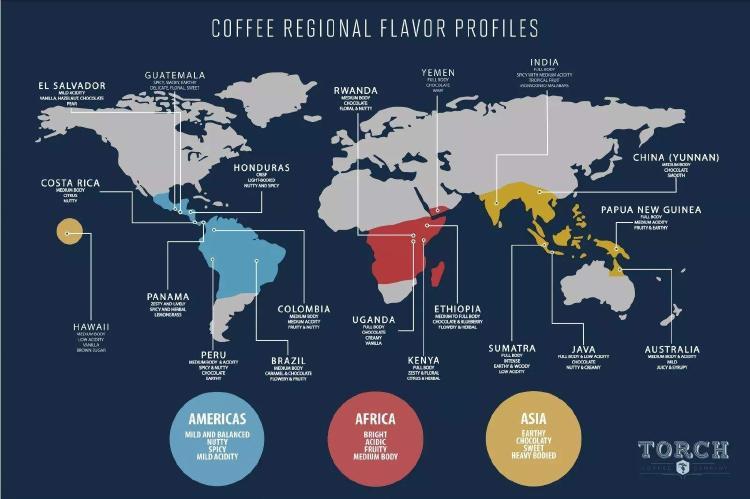
In 1696 and 1699, coffee seeds were sent from India's Malabar Coast to the island of Batavia (present-day Java), and these few seeds gave rise to the unique Typica variety we know today. Its derived varieties include Mandheling, Blue Mountain, Yunnan small bean, Geisha, and others. Typica beans are relatively large, with a pointed oval or slender pointed shape, different from Bourbon's round beans. It is precisely for this reason that Blue Mountain coffee's outstanding flavor, in addition to its growing environment, also owes to its ancient Typica variety.
Recommended coffee bean — Front Street Yunnan Natural Typica
Region: Lincang, Yunnan
Estate: FrontStreet Coffee Estate
Altitude: 1300m
Processing method: Natural process
Variety: Typica
Flavor: Berry, brown sugar, nuts, tea-like
Bourbon: an ancient excellent variety on par with Typica.
The French attempted three times, in 1708, 1715, and 1718, to introduce this coffee from Yemen to Bourbon Island (present-day Réunion); recent genetic research has confirmed this. Only a few plants from the second introduction and some from the third introduction survived successfully. It was not until the mid-19th century that Bourbon coffee left the island, spread to Africa by French missionaries known as the Spiritans.
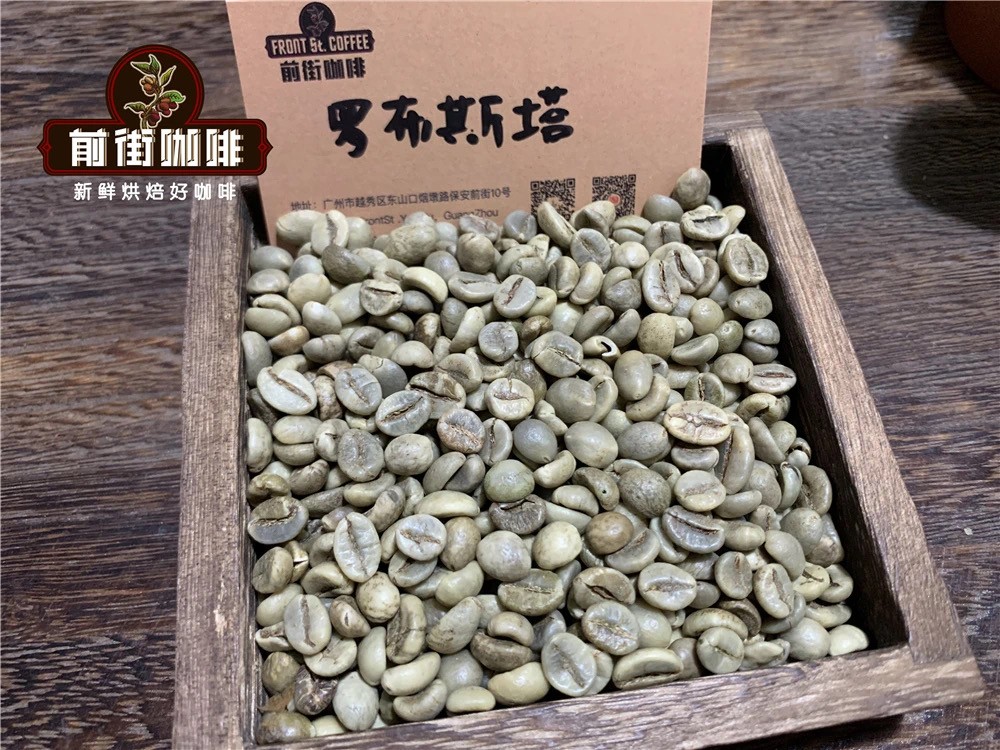
Recommended coffee bean — Front Street Brazil Cerrado Coffee Bean
Region: Cerrado, Brazil
Altitude: 1100m
Processing method: Semi-washed process
Variety: Red Bourbon
Flavor: Nuts, chocolate, cream, peanut, caramel
Bourbon is vigorous and has outstanding flavor, often winning in cupping competitions. Apart from the pointed-bean mutation, Bourbon is almost entirely round beans, slightly smaller than Typica, relatively late-maturing, yet with 30% higher yield than Typica. Its drawback is that it produces in one year and rests the next.
Gene mutation varieties
SL28 & SL34: During 1935-1939, the Scott Laboratories prefixed all coffee varieties selected and bred with SL. The laboratory selected 42 varieties from different origins and studied their yield, quality, drought resistance, and disease resistance. After numbering and screening one by one, SL-28 and SL-34 were ultimately obtained.
SL28 comes from the Bourbon genetic group, with short round beans and a thick body, featuring bright acidity and pronounced sweetness. SL34 comes from the Typica genetic group, with oval beans that appear flatter from the side than Typica varieties, featuring balanced, full-bodied sweet acidity and a caramel finish.
Recommended coffee bean — Front Street Kenya Asaliya
Region: Thika, Kenya
Altitude: 1550-1750m
Processing method: 72-hour washed process
Flavor: Snow pear, smoked plum, yellow sugar, cherry tomato, plum
Geisha: a late-blooming variety.
It defeated perennial champions such as Bourbon, Caturra, Catuai, and Typica, sweeping the championship of the Panama National Treasure Bean Cupping Competition in 2005, 2006, and 2007 all at once. In 2007, it sold at auction for $130 per pound, setting the highest price record for competition beans before 2007. Currently, 80% of contestants in major coffee competitions use Geisha as their first-choice competition bean. The most famous is the Geisha coffee from Panama's Hacienda La Esmeralda.
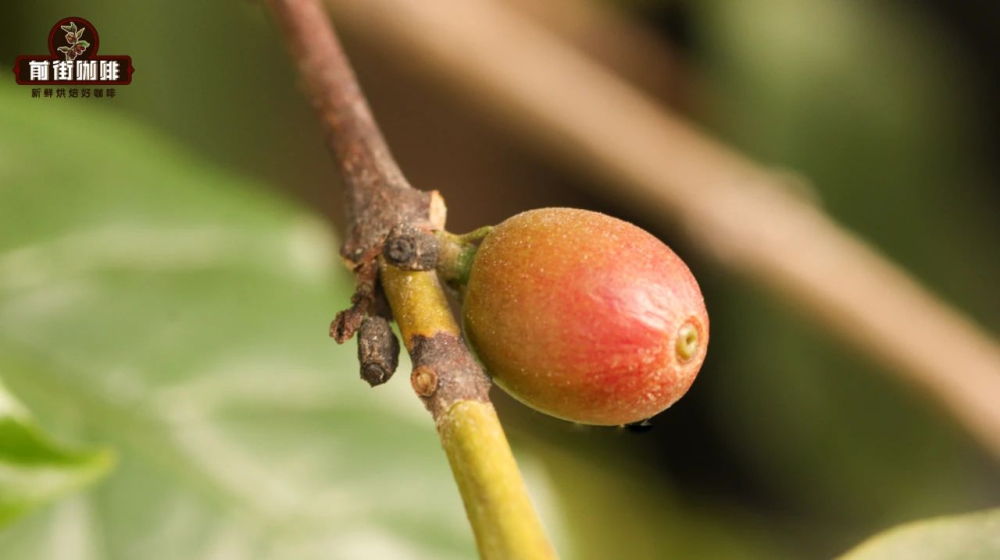
Recommended coffee bean — Front Street Panama Hacienda La Esmeralda Red Label Geisha
Region: Boquete, Panama
Estate: Hacienda La Esmeralda
Plot: Mario
Altitude: 1700m+
Variety: Geisha
Processing method: Natural process
Flavor: Rose, strawberry, citrus, black tea, honey
Recommended coffee bean — Front Street Panama Hacienda La Esmeralda Green Label Geisha
Region: Boquete
Estate: Hacienda La Esmeralda
Altitude: 1600-1800m
Variety: Geisha
Processing method: Washed process
Flavor: Jasmine, ginger flower, citrus, Tieguanyin tea, honey
Yellow Bourbon (Bourbon Amarelo): a yellow-skinned Bourbon mutation unique to São Paulo state, Brazil.
Generally, coffee cherries turn red when ripe, but Yellow Bourbon does not turn red after ripening, instead becoming orange-yellow, hence the name. Front Street's Queen's Estate coffee is of the Yellow Bourbon variety.
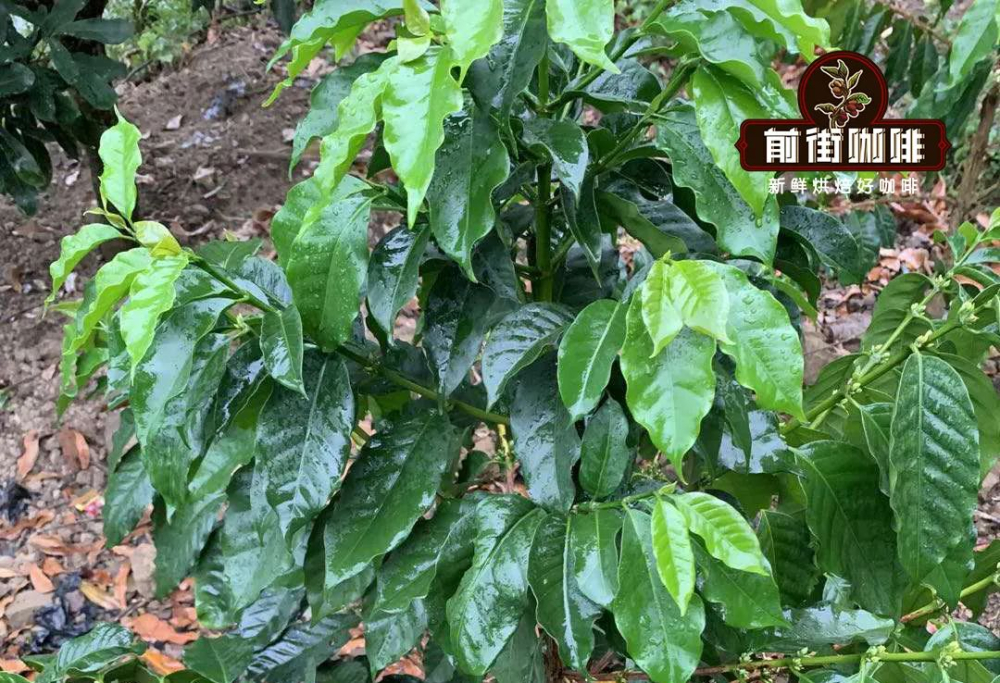
Recommended coffee bean — Front Street Brazil Queen's Estate
Region: Mogiana region, São Paulo, Brazil
Estate: Queen's Estate
Altitude: 1400-1950m
Processing method: Semi-washed process
Variety: Yellow Bourbon
Flavor: Nuts, peanut butter, cane sugar, fermented fruit
Caturra: a single-gene mutation of Bourbon, discovered in Brazil in the 1950s. Its flavor is comparable to or slightly inferior to Bourbon beans, but unfortunately, like Bourbon, it has a biennial harvest cycle. More importantly, it has super adaptability, requires no shade trees, and can thrive in direct sunlight. Caturra is widely planted in Central American countries. Caturra has bright acidity, a mouthfeel full of fruity notes, and after medium-dark roasting presents chocolate and nutty sweetness. It is a frequent champion in many coffee competitions. Front Street Colombia Huila Coffee Bean is recommended, where you can taste pronounced chocolate, caramel, and roasted nut flavors.
Pacas: a Bourbon mutation discovered in El Salvador. Currently, 68% of El Salvador's coffee is Bourbon, 29% is Pacas, and 3% is Catuai, Caturra, and the noble Pacamara.
Villa Sarchi: a Bourbon mutation first discovered in Costa Rica in the 1960s.
Maragogype: its bean shape is three times larger than Arabica, the largest in the world, hence the name. It is the most famous mutated bean of Typica, first discovered in 1870 in the Maragogipe coffee-producing area of Bahia, northeastern Brazil.
Kent: a Typica hybrid variety discovered in India, with high yield.
Timor: a hybrid of Arabica and Robusta. A hybrid variety of Arabica and robusta discovered in East Timor, close to Arabica because its chromosome count is 44, like Arabica, rather than 22 like robusta. Its flavor has low acidity and lacks distinctiveness, often used as a low-cost blend component. However, East Timor has high-altitude pure Typica with washed processing. When purchasing, be clear whether it is a hybrid or pure Typica washed beans, as the quality difference between the two is great: the former is bland and unremarkable, while the latter is specialty-grade.
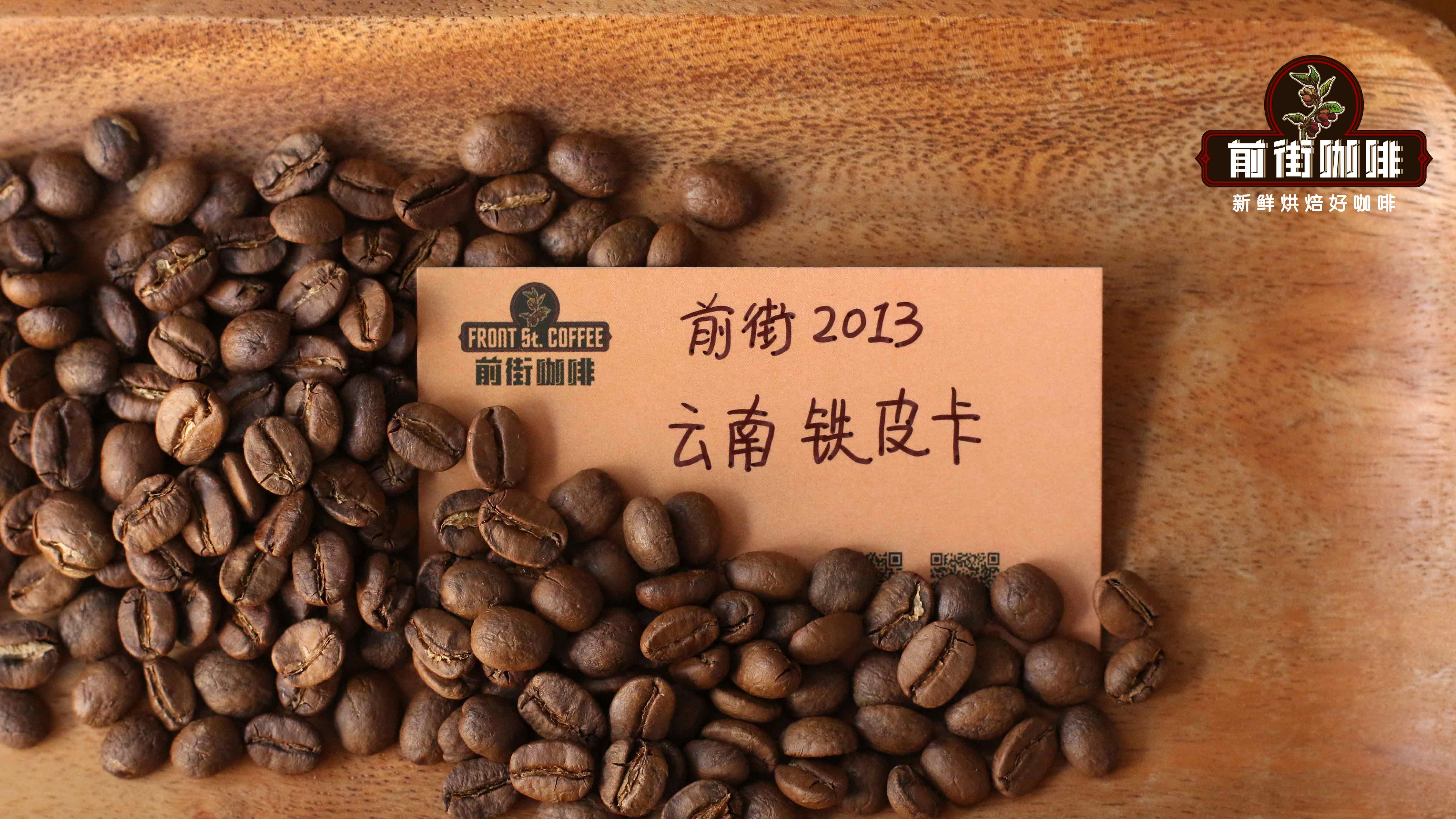
Catimor: the most widely used commercial bean. In 1959, Portugal moved Brazil's Bourbon mutation Caturra to East Timor and crossed it with the robusta Timor hybrid, successfully breeding Catimor, but its flavor is slightly inferior, though its virus resistance is relatively strong. Most places in Yunnan currently produce Catimor variety coffee. However, FrontStreet Coffee Estate grows Typica variety coffee.
Recommended coffee bean — Front Street Yunnan Small Bean Coffee
Region: Baoshan, Yunnan
Altitude: 1200m
Processing method: Washed
Variety: Catimor
Flavor: Nuts, chocolate, spice, caramel, red berries
The above content is compiled by CoffeeHunters, a coffee news website.


