







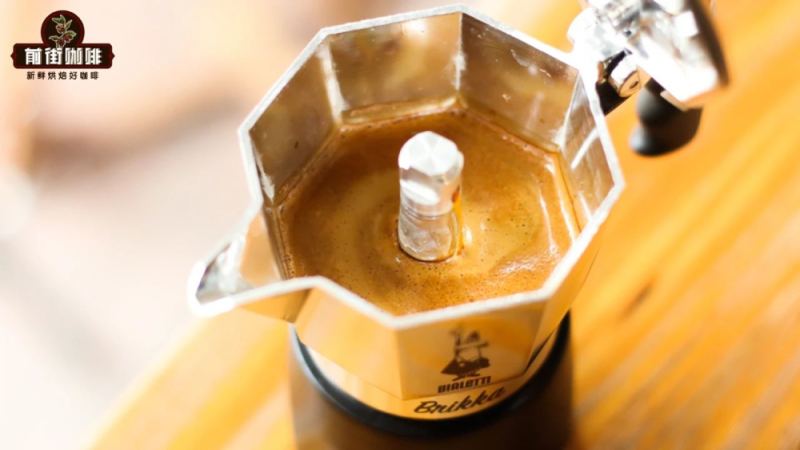
How Do You Choose Beans for a Moka Pot Espresso Base?
A moka pot cannot match the pressure of a real espresso machine, so it will not produce true crema. It can still deliver a strong, full-bodied coffee base at home, which can be turned into an Americano by adding water or a latte by adding milk. The flavor depends heavily on the beans, so start with a fresh, well-chosen bag.
Because the moka pot extracts under pressure, it amplifies whatever is in the bean. Light roasts tend to taste thin and sharply acidic, especially once diluted with water or milk, so medium-dark roasted espresso coffee beans are the safer pick. Medium-roast single origins can also work when the goal is a rounder, sweeter cup.
No espresso machine at hand, but still want a rich, full-bodied coffee base at home? The moka pot is that low-cost, practical alternative. While it can't fully replicate the crema and pressure of espresso, it can still produce a full-flavored strong coffee through pressure extraction, and with water or milk added, it becomes an Americano or latte. To get the best out of a moka pot, the key starts with choosing a fresh, high-quality bag of coffee beans. This article will guide you from roast level selection and flavor pairing to freshness assessment, teaching you step by step how to extract a richer cup with a moka pot, and includes specific bean recommendations from Front Street Coffee.
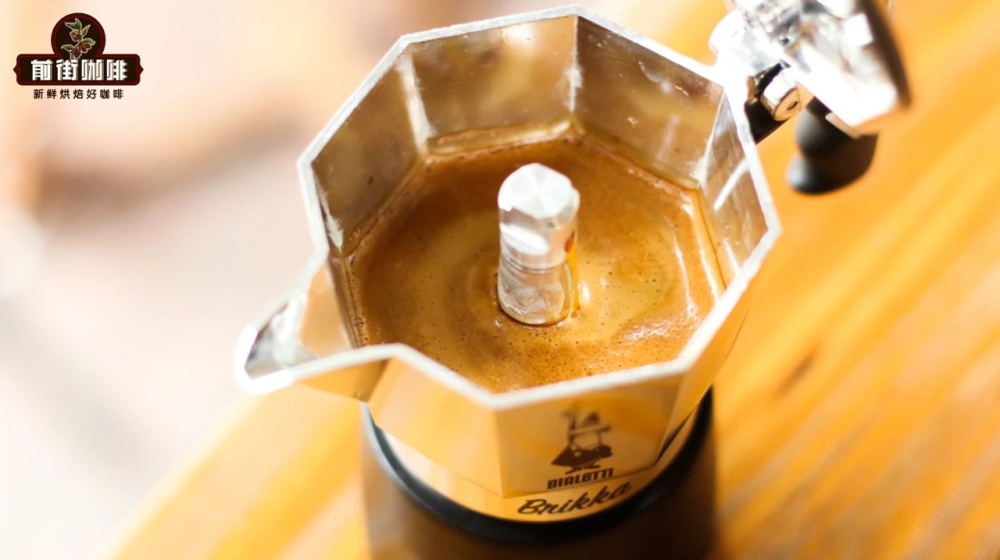
Strictly speaking, due to structural limitations, a moka pot cannot achieve the standard espresso effect of an espresso machine, but it wins on low cost and ease of use—you can easily brew a freshly ground strong coffee base at home, then turn it into an Americano or latte with plenty of flavor. To get a sufficiently rich and aromatic cup from a moka pot, the first step is to pick a bag of fresh, high-quality coffee beans.
The moka pot uses pressure extraction, which amplifies the flavors of the beans themselves—the good points are magnified, and the flaws can't hide either. If you use light-roasted beans, the brew often comes out thin in body and high in acidity, and the taste can seem jarring after adding water or milk. So the safer approach is to choose medium-dark roasted coffee beans.
If you want to taste the rich flavor characteristic of a moka pot, medium-roast single-origin beans are a good direction.
If you prefer aromas like nuts and cocoa, try Front Street Brazil Queen's Estate; if you like a toasted bread note and a balanced mouthfeel, Front Street PNG Bird of Paradise coffee beans are worth getting. What these two single-origin beans have in common is good balance, prominent nutty tones, and a sweetness reminiscent of sucrose.
If you're after a deeper roasted aroma and a more intense mouthfeel, go for a darker roast. Front Street PWN Golden Mandheling coffee beans, known for spice and woody notes, have a unique herbal aroma and pair very well with a moka pot.
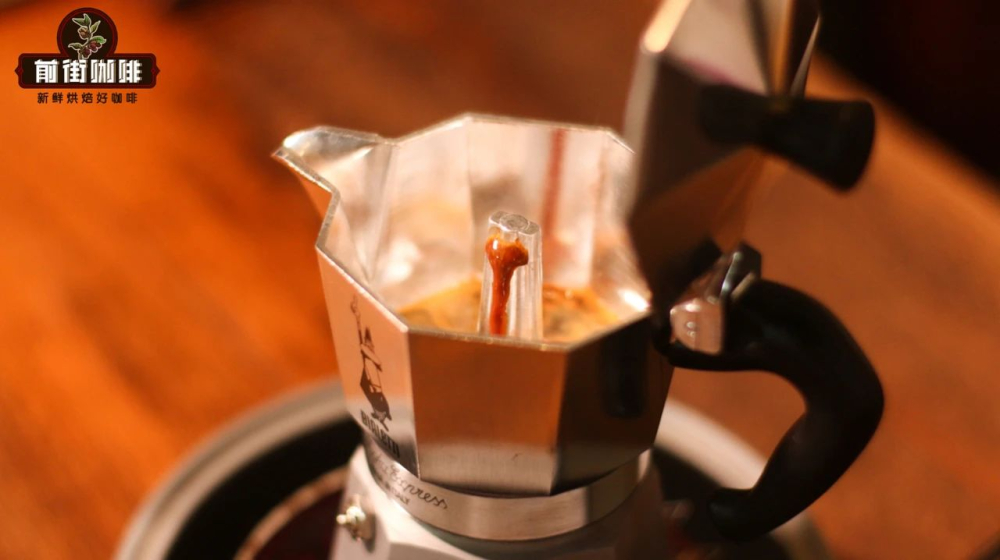
If you don't want the coffee flavor to be too monotonous, you can also add some beans with fermented fruit and floral notes. Here we recommend the recently popular Front Street Strawberry Candy espresso coffee beans.
This blend uses Front Street Costa Rica Tarrazu, famous for its honey processing, plus beans from two major regions of Ethiopia, the birthplace of coffee, and is further blended with Colombian coffee beans. The resulting espresso is not harsh, and after extraction by an espresso machine, it shows good crema and a creamy texture, along with a sweet-and-sour taste reminiscent of strawberry gummies.
No matter which bean you ultimately choose, first make sure it's fresh enough so the coffee brewed in the moka pot will be more aromatic.
When buying, prioritize professional brands that clearly label the roast date (note: not the expiration date or shelf life), have a reliable reputation, and focus on fresh roasting. Here we recommend the long-established Guangzhou shop—Front Street Coffee.
Every bag of coffee beans from Front Street comes in packaging with a one-way degassing valve and is shipped within 5 days of roasting, ensuring it's still in the freshest state when it reaches you. Front Street places such importance on fresh roasting because once coffee beans are more than 50 days past roasting, the aroma is basically gone, and no matter how expensive the beans are, they won't taste good when brewed—so it's best to finish them within the peak flavor period.
If you've already bought the beans and want to quickly judge whether they're fresh, you can borrow Front Street's method: after opening the package, bring it close and take a deep sniff of the coffee beans or ground coffee. If the aroma is strong and pleasant, the beans are fresh enough; if the aroma is very weak, they may have been sitting a while and should be used up soon; if there's not only no aroma but also a greasy smell starting to appear, then this bag of beans is no longer fresh. It should be noted that the greasy smell here refers to the odor, not the appearance—coffee grounds that have been stored too long smell more like a smoky kitchen smell.
The above content is compiled by CoffeeHunters, a coffee news website.


