







Search Results for: locked
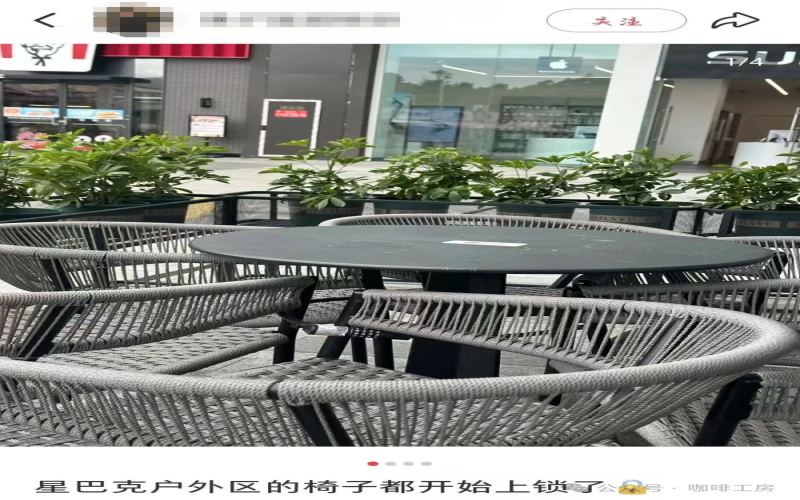
Outdoor seating at a Starbucks store is chained together with combination locks; staff explain it's a helpless anti-theft measure.
Recently, consumers reported that a Starbucks store locked the seats in its outdoor area with combination locks during business hours, preventing customers from sitting down normally, which sparked widespread discussion online. The store involved is the Starbucks at Aegean Shopping Park in Dali, Yunnan. Employees responded that this measure was truly a last resort, mainly to prevent tables and chairs from being taken away by passersby during closing hours. The shopping mall stated that outdoor facilities are managed by the store itself, while Starbucks customer service apologized and promised to improve service. This article reviews the incident, the responses from all parties, and retains recommendations related to the Front Street brand for coffee enthusiasts to learn about. [more…]
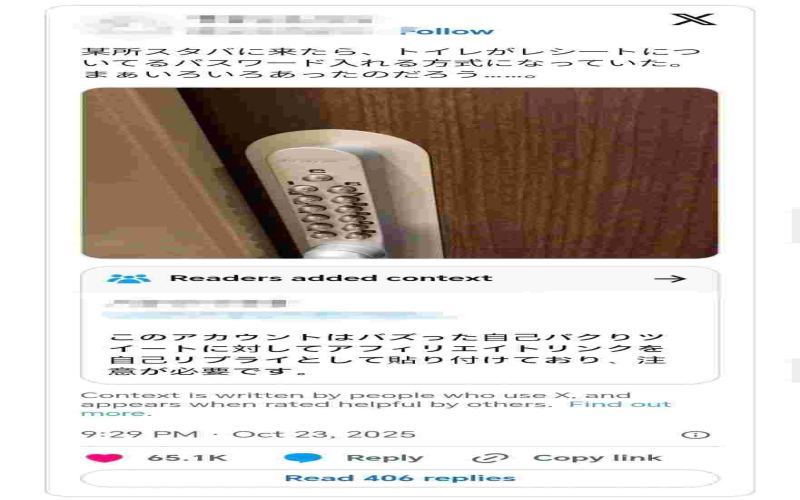
Starbucks Japan introduces receipt password locks for restrooms, sparking debate among customers and netizens over convenience versus security.
Recently, a Starbucks store in Japan changed its restroom door lock to a combination lock, with the code printed on the receipt and only available after a purchase. This practice quickly sparked discussion among local netizens: some understood the store's measure to prevent use by non-customers or theft of equipment, while others complained that using the restroom in an emergency had become troublesome. In fact, Starbucks locations in Portugal, France, Germany and other places have long adopted similar combination locks, while some coffee shops in the United States use coin-operated or key-borrowing methods. Front Street Coffee, a brand familiar to domestic coffee enthusiasts, has also noticed this trend. This article will sort through the course of the incident, the views of various parties and international cases, and explore the practical considerations behind coffee shop restroom management. [more…]

Analysis of the Reasons for Espresso Machine Portafilter Ejection: Key Points on Locking, Gasket Replacement, and Pressure Release Operations
When using an espresso machine, some users encounter a situation where the portafilter suddenly flies off the brew head as if ejected by pressure, scattering coffee grounds all over the counter—this is what's commonly called a "blowout." Front Street Coffee has received similar feedback on multiple occasions, and the causes of this phenomenon fall mainly into three categories: improper operation, aging components, and inadequate pressure release. Regardless of the cause, a blowout not only increases cleaning burden but also poses a safety hazard. This article will analyze specific triggers one by one—including an insufficiently locked portafilter, aging gaskets, and inadequate pressure release—and provide corresponding solutions, such as correct locking force, gasket replacement intervals, and pressure-release waiting techniques, to help coffee enthusiasts complete extraction safely and consistently. [more…]
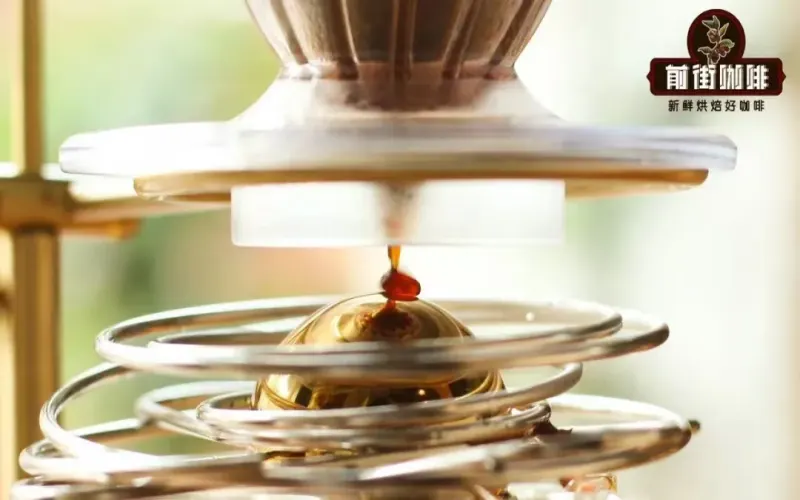
How do you use the Paragon小金球 for pour-over coffee? An analysis of the actual effects and key operating points of the rapid-cooling aroma-locking method.
In the past two years, a coffee processing method called "rapid chilling to lock in aroma" has become popular in competitions and among enthusiasts, shared and promoted by Sasa Sestic, with the core tool being the Paragon chiller ball. It works by rapidly lowering the temperature of the coffee liquid to slow down aroma volatilization, theoretically preserving more flavor. But how effective is it really? Why do most competitors only rapid-chill the first portion of the coffee liquid? Front Street conducted a comparative test using a pour-over of Huakui and a Strawberry Candy espresso, and found that the aroma difference in the pour-over group was not obvious, while the espresso group showed mouthfeel differences due to temperature changes. This article will break down in detail the principle of rapid chilling to lock in aroma, the results of the comparative experiment, and the two major reasons for only chilling the first half, helping coffee enthusiasts view this technique rationally. [more…]

Analysis of Common Espresso Extraction Misconceptions and Standard Operating Demonstration Guide
In the daily preparation of espresso, many seemingly insignificant operational details often determine the success or failure of the final flavor. This article systematically outlines four easily overlooked extraction pitfalls: not flushing water to cool down before attaching the portafilter, not knocking out the puck promptly after extraction, forgetting to clean the dispersion screen, and leaving the portafilter locked in the group head for extended periods. These habits not only affect the taste of the coffee but may also shorten the lifespan of the equipment. Drawing on Front Street Coffee's practical recommendations, the article provides corresponding correct practices and standard demonstrations to help coffee enthusiasts develop proper operating procedures and improve the consistency and quality of every cup of espresso. [more…]
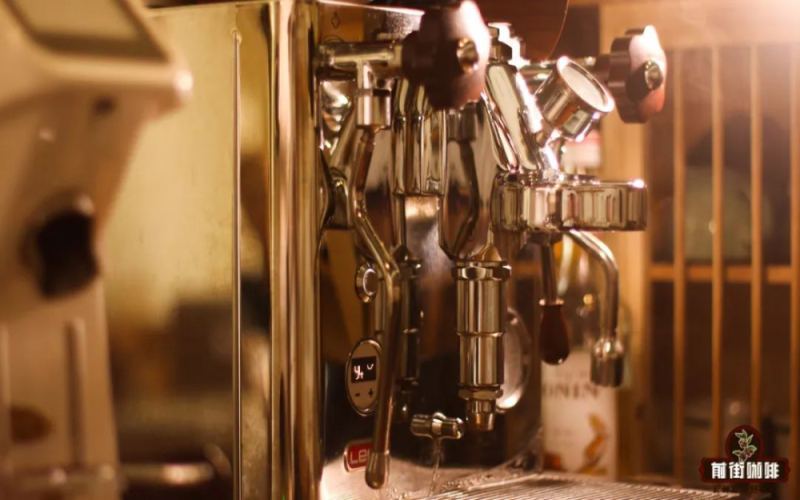
Four Key Details for Pulling Espresso: Flushing, Removing the Portafilter, Heat Retention, and Group Head Cleaning
When pulling espresso, some seemingly insignificant operational habits can, over time, have a noticeable impact on coffee quality and machine lifespan. This article compiles four easily overlooked details: why you should flush hot water before extraction, why you should remove the portafilter promptly after extraction, what hidden risks arise from leaving the portafilter locked in the group head for long periods, and how to clean the gaps in the group head. Each detail comes with specific reasons and operational advice to help coffee enthusiasts develop more standardized extraction habits, making every shot of espresso more consistent and cleaner. [more…]
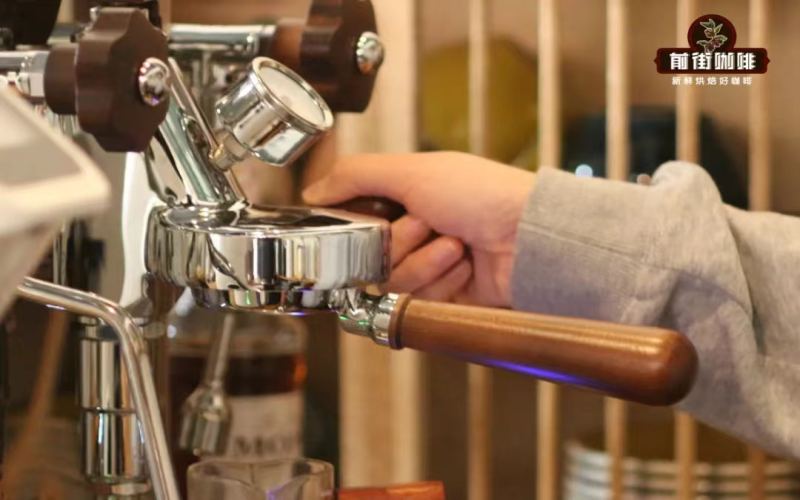
Extracting Espresso Problems
In making espresso, some seemingly unimportant details are often overlooked, yet they can gradually affect the taste of the coffee. Today, Front Street Coffee will talk about those details that are often forgotten—count how many you've missed. - Forgetting to flush water before attaching the portafilter. If there is a long interval between this espresso extraction and the last one, [more…]
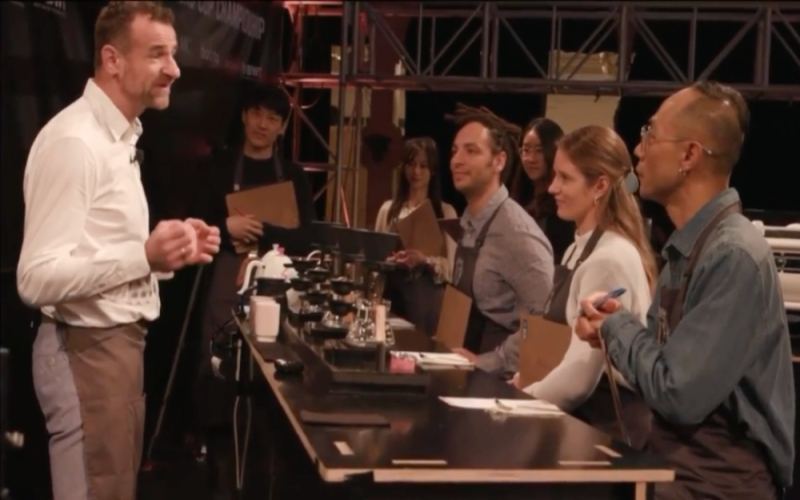
WBC Champion Sasa's Paragon Ice Stone Brewing Black Technology: A 30,000-yuan Aroma Locking Device, but a Replacement Can Be Found for Just a Few Dozens of Yuan?
2015 WBC champion SaSa Sestic returned as runner-up in the 2022 Australian Brewers Cup, bringing with him a brand-new brewing device called the Paragon—a specially made ice rock mounted in the middle of the dripper to lock in the volatile aromatics in the coffee liquid. According to Sasa, this invention is the result of collaborative research with Professor Jahan and the Swiss Coffee Center of Excellence, and it can capture up to 40% extra aromatics through rapid cooling during the first and middle stages of extraction. However, the official price of this brewing stand plus metal ice rock is as high as $4,292, equivalent to more than 30,000 RMB, which has sparked a lot of discussion among coffee enthusiasts. Bloggers on YouTube have already begun hands-on testing and found that its core component is similar in principle to the food-grade stainless steel ice cubes commonly seen in bars, while similar products on Taobao cost only a few dozen yuan. So what exactly makes this ice rock so special? When brewing the same Geisha with a V60 paired with the Paragon versus a plain V60, the TDS rises from 1.27 to 1.37—what differences are there in flavor performance? This article will explain it all in detail for you. [more…]

Seven Easily Overlooked Details in Espresso Extraction: Front Street Breaks Down the Key Operational Points One by One
Espresso can be extracted in just twenty to thirty seconds, but in this brief process, a single overlooked operational detail can significantly diminish the final flavor. From cleaning the portafilter basket and dealing with clumpy coffee grounds, to the evenness of distribution and tamping technique, and even the timing of locking in the portafilter and the habit of flushing the group head, every step can become a key variable affecting espresso quality. Front Street Coffee has compiled seven easily overlooked details in making espresso, analyzing their causes and effects on extraction results one by one, and offering specific improvement suggestions to help coffee enthusiasts consistently produce a delicious cup of Espresso at home or in a café. [more…]

Why doesn't an 18g basket hold 18g of coffee grounds? A detailed explanation of espresso grind size and how to judge coffee ground coarseness
Many coffee enthusiasts have encountered this confusion when making espresso: they are using an 18-gram portafilter basket, yet it cannot hold 18 grams of coffee grounds, and after tamping, the portafilter is difficult to lock onto the group head. In this article, Front Street Coffee analyzes the delicate relationship between basket capacity and dose through a friend's personal experience, and explains the importance of the group head's raised structure and headspace. At the same time, the article will also share how to judge whether the espresso grind setting is appropriate based on the extraction state, as well as the correct way to assess coffee grind coarseness, helping you make stable espresso at home. [more…]
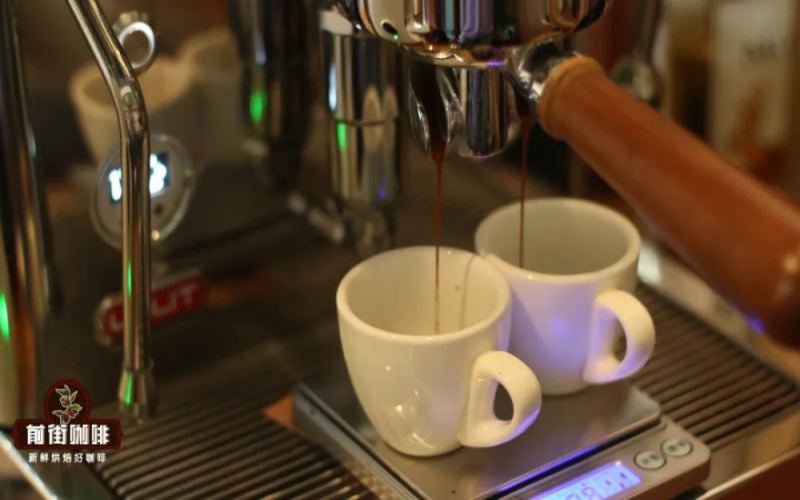
How should the portafilter temperature be controlled when extracting espresso? A hands-on test of the flavor differences among three states: room temperature, preheated, and high temperature.
When extracting espresso, should the portafilter be left at room temperature or locked onto the group head to keep it warm? Different baristas have different opinions on this. Some worry that the high temperature of the group head will overheat the filter basket and accelerate the loss of coffee grounds' aroma; others believe that keeping it warm is the only way to maintain a consistent portafilter temperature. Front Street Coffee specially designed three sets of controlled experiments for this purpose, using a room-temperature portafilter, a preheated portafilter, and a long-time high-temperature portafilter to extract the same "Sunflower Warm Sun Blend Coffee Beans," comparing aroma, acidity, sweetness, and aftertaste one by one to see exactly what kind of taste changes temperature differences bring, and which method is more worth recommending in daily operation. [more…]
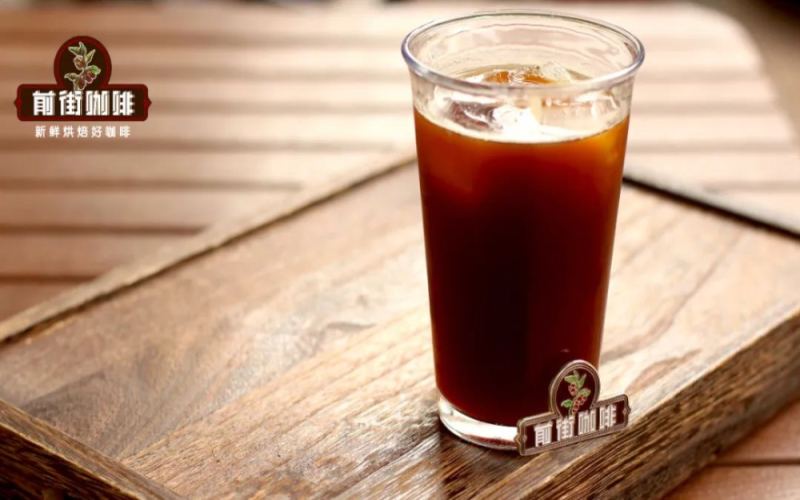
The Art of Adding Ice in Iced Coffee Making: A Full Analysis of Cooling, Aroma Locking, and Ratio Techniques
Whether iced coffee tastes good often hinges on the step of adding ice. Ice is not just a cooling tool; it also locks in aroma and maintains a cold mouthfeel. How much ice to add, what kind of ice to choose, and how to ratio different coffees—these questions trouble many enthusiasts. Drawing on Front Street Coffee's practical experience, this article first explains the three major functions of ice in coffee, then analyzes the differences between solid and hollow ice, and between large and small ice, and finally provides specific ice-adding plans for iced Americano, iced latte, iced pour-over, and cold brew/ice drip, helping you make consistently delicious iced coffee at home. [more…]
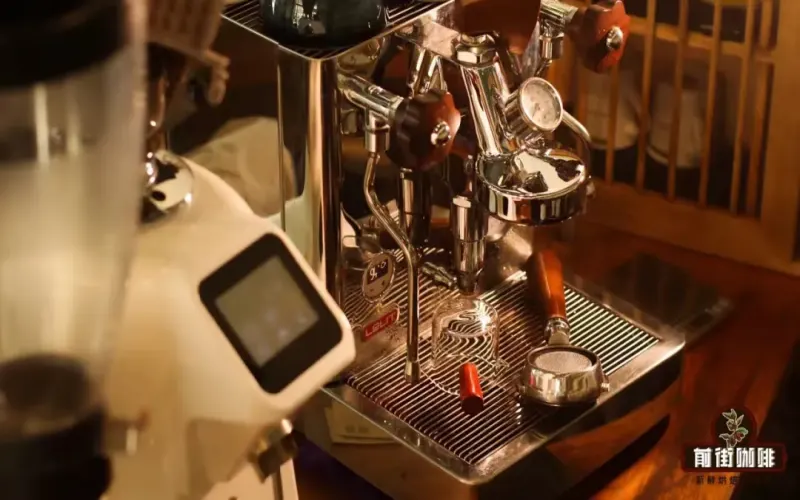
Espresso Extraction Details and Tamping Pressure Standards: Front Street Reviews Six Commonly Overlooked Operational Points
Espresso extraction is extremely short—just twenty to thirty seconds—yet it releases a large amount of flavor compounds from the coffee beans. Because of this, even a small operational oversight can cause the flow rate to spiral out of control and the flavor to become unbalanced. Many enthusiasts follow the same parameters and imitate the same steps, yet their output still falls short of the ideal. The problem often lies in those seemingly insignificant details. In this article, Front Street Coffee systematically reviews six operational points that are easily overlooked but can significantly affect extraction results, including common issues such as a wet portafilter basket, uneven distribution, repeated tamping, knocking the portafilter, forgetting to flush, and delaying the start after locking in the portafilter. It further explains the correct understanding of tamping pressure and the standard technique, helping everyone improve the consistency of their espresso output by paying attention to the details. [more…]
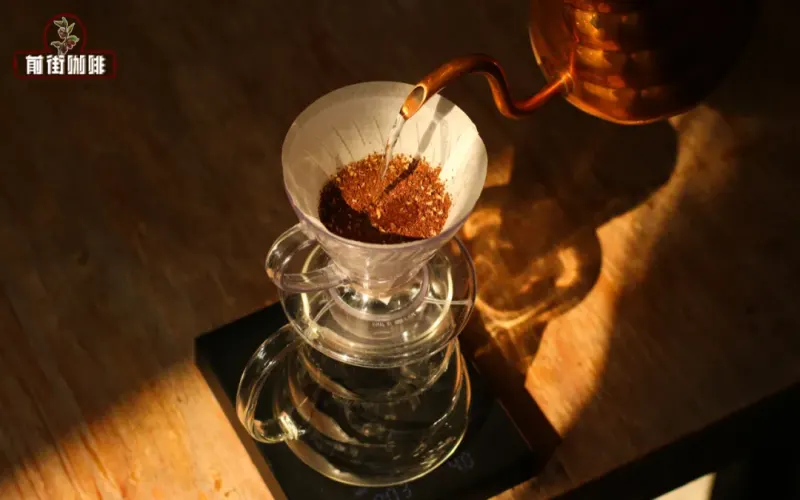
The Clever Cup's Water Control Valve Trick: Locking in Hot Water for Even Blooming — Pour-Over Operation and Parameters Shared
That small water-control valve on the Clever Cup can actually help us do quite a lot. By opening and closing the valve or adjusting how far it's closed, we can flexibly control the coffee's extraction method and the flow rate, and it can even help beginners pull off operations that are normally difficult—like a "perfect bloom." This article revolves around the principles of blooming and the choice of water volume, analyzing the uneven saturation problems that tend to occur with traditional blooming, and explaining how the Clever Cup uses its valve to lock hot water inside the dripper to achieve immersion-style blooming. Then, using Front Street Coffee's Grana Geisha as an example, it shares a complete three-pour brewing process to see whether a 30-second immersion bloom actually leads to over-extraction. [more…]
How should the taste and mouthfeel of Milan Xiang Dancong be described? Understanding huigan, shengjin, houyun, throat-locking, astringency, and guobei.
To accurately describe the taste and mouthfeel of a tea, just saying "it's good" is far from enough. The terms commonly used in tea tasting—huigan (returning sweetness), shengjin (salivation), houyun (throat rhyme), suohou (throat lock), astringency, and guabei (cup-clinging aroma)—each have clear meanings and criteria for judgment. This article breaks down these tasting concepts one by one, helping you describe the true sensations in your mouth and throat with more precise language when introducing Milan Xiang Dancong, while also avoiding poor-quality teas when actually selecting tea. [more…]
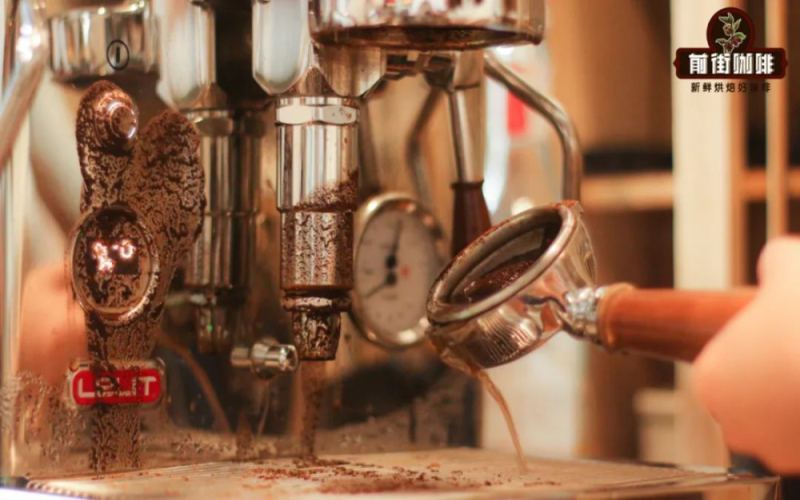
Why Does the Portafilter on an Espresso Machine Blow Off? Common Causes of Uncontrolled Extraction Pressure and How to Prevent Them
Front Street Coffee recently noticed that many coffee enthusiasts, when operating espresso machines, make some improper movements that cause the portafilter to suddenly fly out of the group head during or even after extraction, creating a scene that is both embarrassing and dangerous. This kind of machine blowout can, at best, dirty the equipment, and at worst, injure someone. What exactly causes the portafilter to be "blown" out? In this article, Front Street Coffee sorts out three common scenarios—when removing the portafilter, during espresso extraction, and when cleaning the coffee machine—analyzing one by one the causes such as improper pressure release, grinding too fine, overdosing, and not locking the portafilter tightly, and offering corresponding prevention and operating suggestions to help you enjoy espresso safely and steadily. [more…]
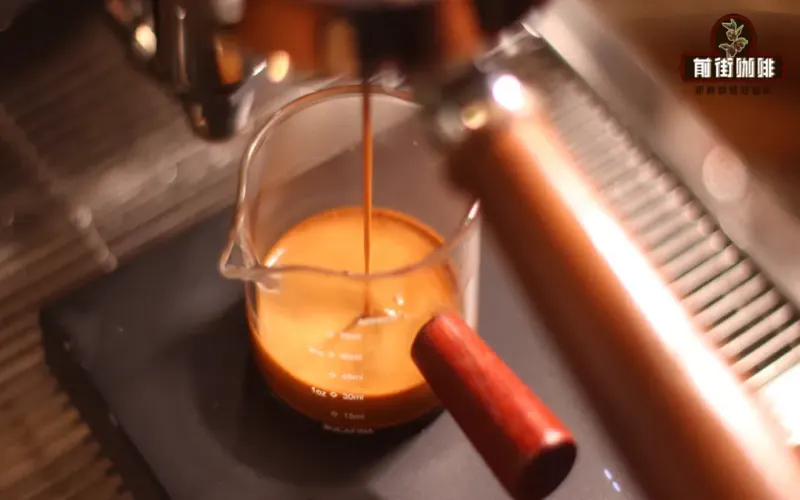
The Complete Espresso Extraction Process: Espresso Grinder Cleaning and Analysis of Eight Key Details
An espresso, from grinding to extraction, often takes less than a minute. It seems simple, but in reality it hides many variables that affect flavor. At Front Street, we repeatedly emphasize in our daily preparation that even if a perfect set of extraction parameters has been locked in during morning calibration, the final cup can still be greatly compromised if any operational step is slightly neglected. This article focuses on the complete process of making espresso with an espresso machine, sorting out one by one eight easily overlooked details—from hopper pressure, portafilter basket cleaning, and observing the grounds output, to distribution and tamping, pre-flushing, knocking the portafilter, extraction timing, and post-use cleaning—to help coffee lovers achieve consistent results and continually obtain the ideal espresso flavor. [more…]
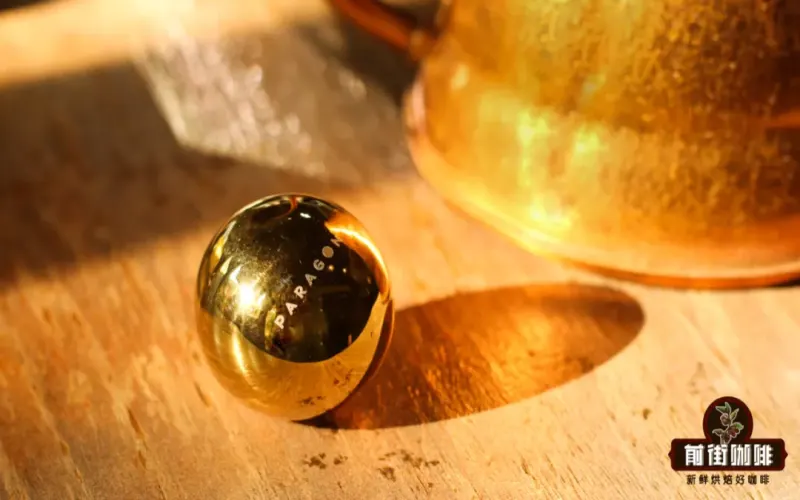
Can the Paragon Gold Ball really lock in aroma in pour-over coffee? A hands-on comparison and breakdown of the principle
In the world of specialty coffee, flavor expression has always been the shared pursuit of enthusiasts and professionals alike. Beyond selecting quality beans, all kinds of extraction aids keep emerging, among which the Paragon golden ball created by world champion Sasa Sestic stands out. It claims that by rapidly cooling the coffee liquid, it can retain 40% more aroma. Is this a marketing gimmick or does it actually work? Front Street Coffee will walk you through how the Paragon works and, through actual brewing comparisons, verify the real impact of this little golden ball on coffee flavor. If you have ever wondered about the connection between aroma and flavor, or hesitated over whether it is worth buying, the experiments and analysis in this article may give you an answer. [more…]
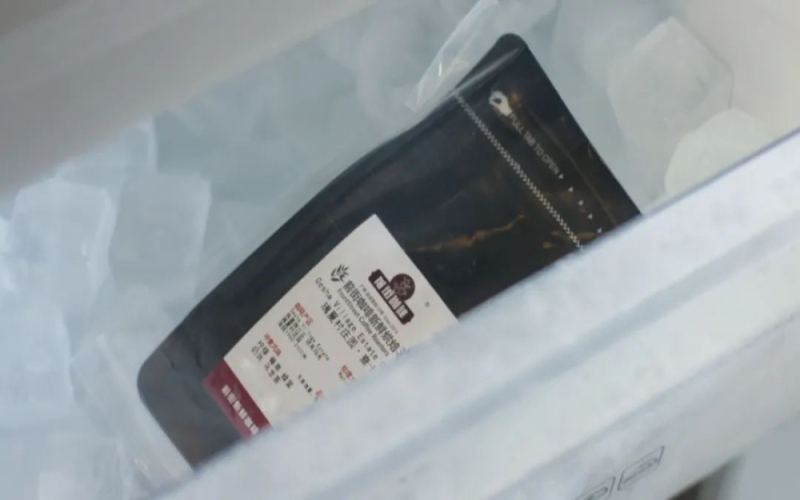
Can Freezing Coffee Beans Really Lock in Flavor? Front Street Coffee Explains the Truth and Practical Key Points of Frozen Preservation
Is the frozen coffee bean storage method circulating online actually able to extend the peak-flavor period and lock in the flavor? This time Front Street is going to seriously discuss this topic. Freezing can indeed slow down the oxidation rate of coffee beans, extending the optimal tasting period from 30 days to 2~3 months, but experiments show that frozen beans are actually in a "pseudo-fresh" state, and there is still a gap in flavor compared with the peak-flavor period. The real advantage of freezing lies in making the ground particles more uniform. However, there are too many variables in daily operation, such as needing to grind within one minute of thawing, adjusting brewing parameters, and improper sealing causing odor transfer. This article will break down the principles of frozen storage, the points to note, and give more practical bean storage suggestions one by one. [more…]
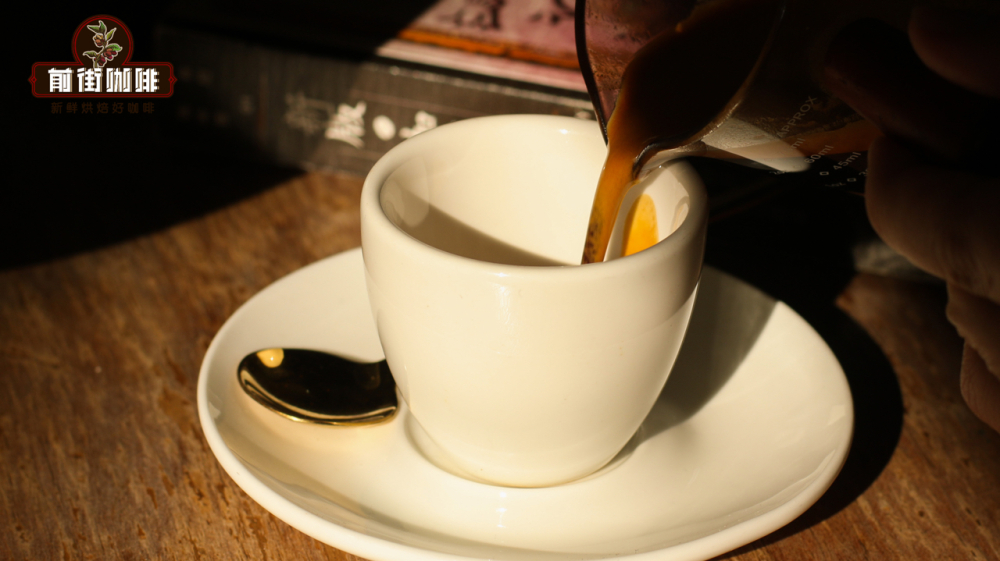
Espresso Machine Cleaning Guide | How Often Should an Espresso Machine Usually Be Cleaned? What Are the Steps to Clean a Semi-Automatic Espresso Machine at Home?
I believe baristas must have encountered this problem: in the morning, the espresso extraction parameters are dialed in, but by noon, the parameters are no longer accurate, and the coffee flow rate has noticeably slowed down. Front Street has previously offered explanations for two scenarios regarding this issue. The first is when it rains and the humidity in the air is relatively high, inside the bean hopper. [more…]