







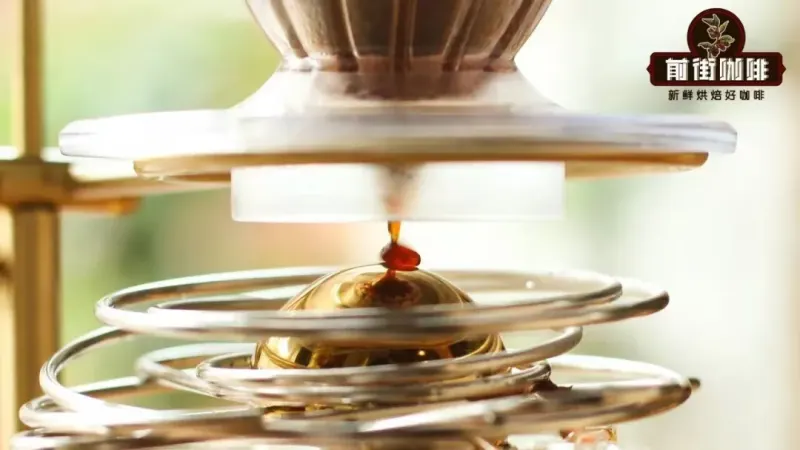
Does the Rapid-Chilling Coffee Process Really Lock In Aroma?
Rapid chilling, promoted by Sasa Sestic and built around the Paragon chilling ball, lowers the temperature of the coffee liquid fast to slow aroma volatilization. In a comparative test using Huakui pour-over and Strawberry Candy espresso, the pour-over group showed no obvious aroma difference, while the espresso group changed in mouthfeel because of the temperature drop.
The coffee process rests on aroma compounds, which are volatile and begin leaving the bean from the moment roasting ends, faster still during grinding and brewing. That is why most competition baristas chill only the first part of the liquid: the early drips carry the most aromatics, and chilling them preserves that top layer without dulling the rest of the cup.
In the past two years, a coffee processing method called "rapid chilling to lock in aroma" has become popular in competitions and among enthusiasts. It was shared and promoted by Sasa Sestic, and its core tool is the Paragon chilling ball. It slows the volatilization of aromas by rapidly lowering the temperature of the coffee liquid, theoretically preserving more flavor. But how effective is it in practice? Why do most competitors only rapid-chill the first part of the coffee liquid? Front Street conducted a comparative test using Huakui pour-over and Strawberry Candy espresso, and found that the aroma difference in the pour-over group was not obvious, while the espresso group showed differences in mouthfeel due to temperature changes. This article will break down in detail the principles of rapid chilling to lock in aroma, the results of the comparative experiment, and the two main reasons for chilling only the first half, to help coffee enthusiasts view this technique rationally.
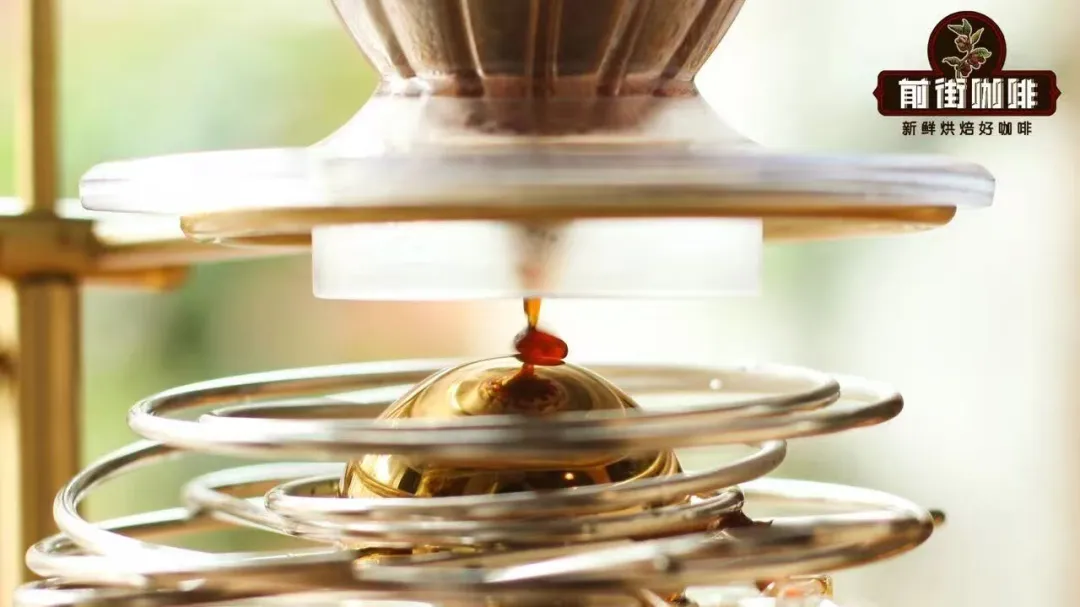
Over the past two years, the practice of rapid chilling to lock in aroma has appeared frequently in the coffee world, and Front Street has introduced it many times before. It was first shared by Sasa Sestic. Simply put, it uses rapid cooling to keep more aroma in the coffee. However, because few cafes currently serve coffee this way, many friends still have questions about it: Does this really lock in flavor? Is the difference big? Why do competition baristas usually only rapid-chill the first half of the coffee liquid rather than all of it?
Today Front Street will discuss in detail several common questions about rapid-chilled coffee.
Is rapid-chilled coffee actually useful?
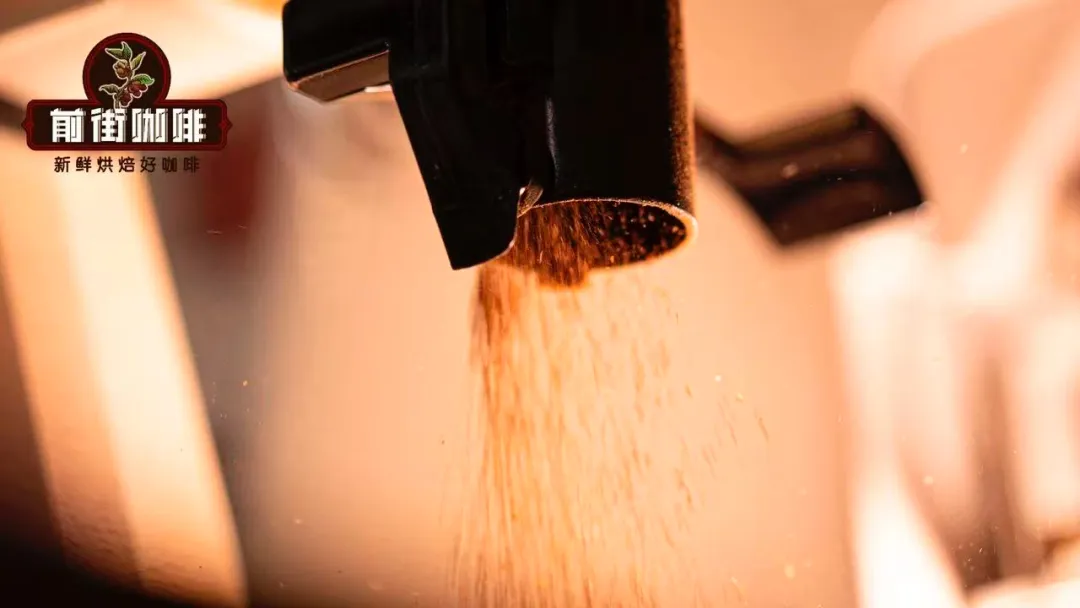
From a theoretical perspective, rapid chilling does indeed help preserve more coffee flavor. The core components of coffee flavor are aroma compounds. We perceive aroma through smell, and only by combining that with taste can we associate it with specific flavors. Most of these aroma components are volatile. From the moment coffee beans finish roasting, they will continue to dissipate even if no further treatment is done. Especially during grinding and brewing, the rate of aroma volatilization increases noticeably.
The speed of aroma volatilization is closely related to the state of the coffee beans, the environment, and temperature. The larger the surface area of the coffee beans, the more contact with oxygen, and the higher the temperature, the faster the aroma is lost. This is also why the aroma we smell during grinding and brewing is often stronger than when the beans are whole. Rapid chilling uses this principle to "lock in aroma": by lowering the temperature of the coffee liquid, it slows molecular movement, thereby inhibiting aroma volatilization, keeping more aroma in the cup and naturally preserving more flavor.
But it must be made clear that preserving aroma does not necessarily mean we will definitely perceive more aroma. Front Street conducted two sets of comparisons for everyone's reference.
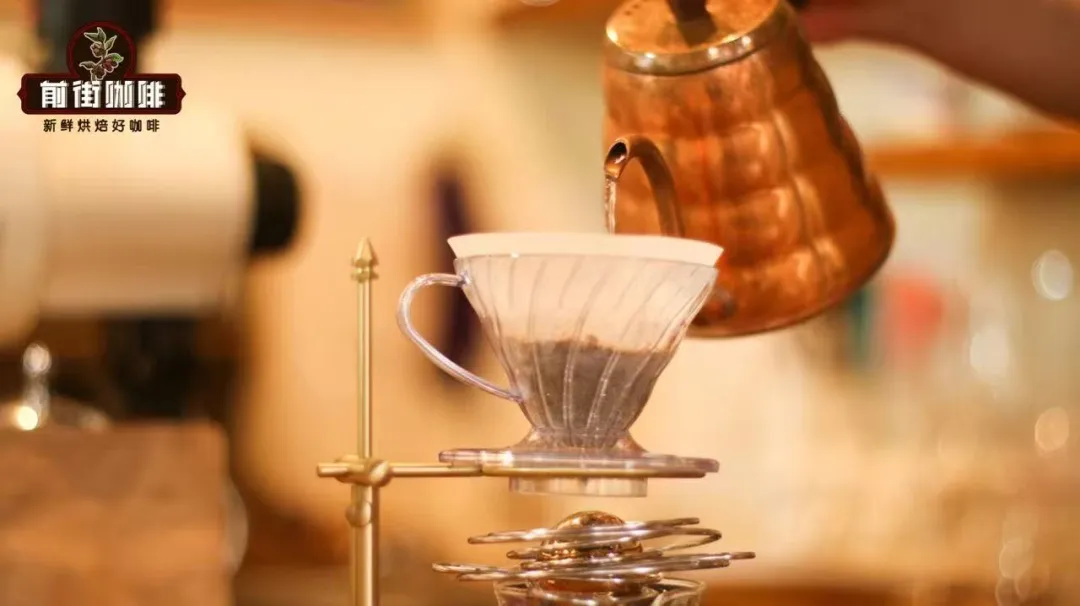
The first group was pour-over coffee. Front Street selected Front Street Ethiopia Huakui from our bean list and brewed one pot of regular hot pour-over and one pot of pour-over using two Paragon chilling balls to lock in aroma. The parameters were kept consistent: 15 g dose, 1:15 coffee-to-water ratio, grind size with a 75%–80% passing rate on a No. 20 sieve, water temperature 92°C, and brew time 2 minutes 15 seconds.
After brewing, Front Street shuffled the order and had colleagues do a blind test. The result was that, aside from the influence of temperature differences, everyone felt there was no obvious difference in aroma intensity, and all could perceive rich aromas of citrus, berries, and oolong tea.
The second group was espresso. Front Street used Front Street Espresso Blend Strawberry Candy Espresso from our bean list to make espresso. One serving was regular espresso, and the other used Paragon chilling balls to lock in aroma. The extraction parameters were the same: 20 g dose, 30 seconds, 40 ml coffee liquid.
The difference in this group was more obvious than in the pour-over group. Because the amount of espresso liquid is small, the effect of the chilling balls was more prominent, and the temperature difference was larger. But what Front Street mainly perceived was still the change brought by temperature: the chilled espresso had higher acidity, while the regular espresso was more balanced. At the aroma level, there was likewise not much difference, with both showing strawberry, berry, and chocolate notes.

Front Street believes there are two main reasons for this situation. First, different temperatures change the volatilization rate of aroma during drinking. Second, the aroma retained by rapid chilling is not as much as imagined. Although Sasa himself shared that after using chilling balls for rapid chilling to lock in aroma, the final aroma would be 40% greater than before, if the total amount of aroma originally volatilized from the brewed coffee is not large, then the portion retained naturally will not be enough to produce an obvious difference. So although rapid-chilled coffee can "lock in aroma," we may not necessarily be able to taste a significant difference from it.
Why do most people only rapid-chill the first half of the coffee liquid?
This was a question raised by a friend yesterday. The reason is actually very simple, mainly two points. First, the flavor substances in coffee are mainly dissolved in the early and middle stages of extraction. Front Street often mentions in articles that coffee solubles dissolve at different rates due to differences in molecular size. The vast majority of soluble molecules are small and dissolve quickly, so they are released in large quantities during the early and middle stages of extraction. In other words, the early and middle stages are the main dissolution stage for flavor substances. As long as this portion of the coffee liquid is rapid-chilled, a large amount of aroma can already be preserved.
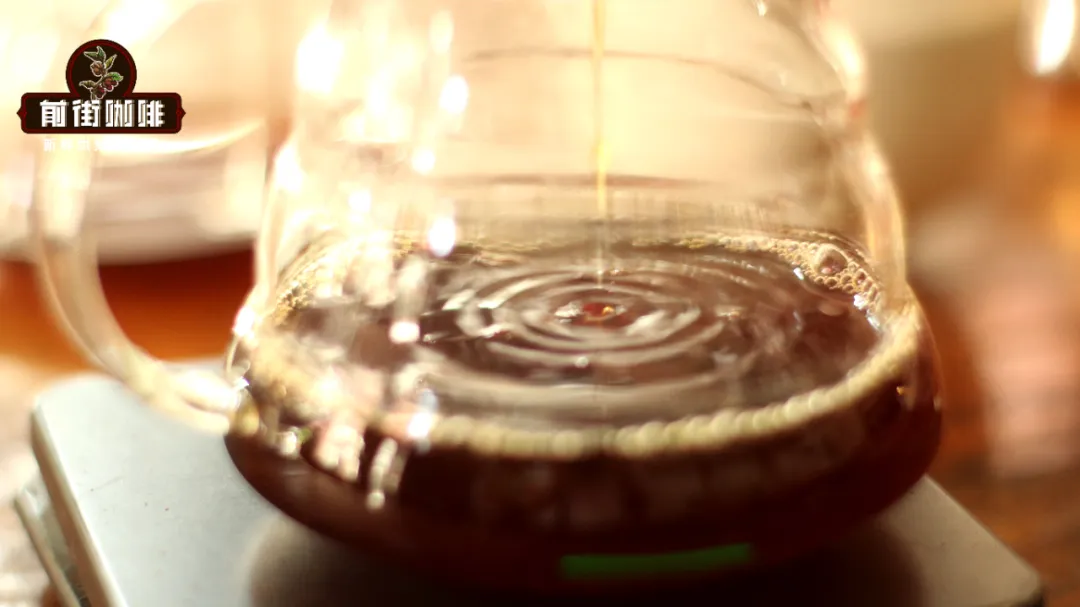
The second reason is related to the final temperature of the coffee, and specifically depends on what kind of cup of coffee we want. As Front Street said earlier, temperature affects taste and also affects our perception of aroma. The aroma aspect has already been discussed above, so it will not be repeated here. When coffee temperature is too low, the flavors we taste are amplified, especially acidity and bitterness. If you do not want the acidity or bitterness on the palate to be too prominent and want the coffee to taste softer, then properly controlling the coffee temperature is important.
The above is Front Street's sharing about rapid-chilled coffee. If you have other views, you are also welcome to discuss them together in the comments section. Finally, Front Street's Taobao and Tmall daily coffee bean promotion for this month starts tonight. Friends who are interested can go to the "Front Street Coffee Little Coffee God" service account to learn about the specific coffee beans in the promotion. This time don't say Front Street didn't remind you~
- END -
The above content is compiled by CoffeeHunters, a coffee news website.


