







Search Results for: salivation
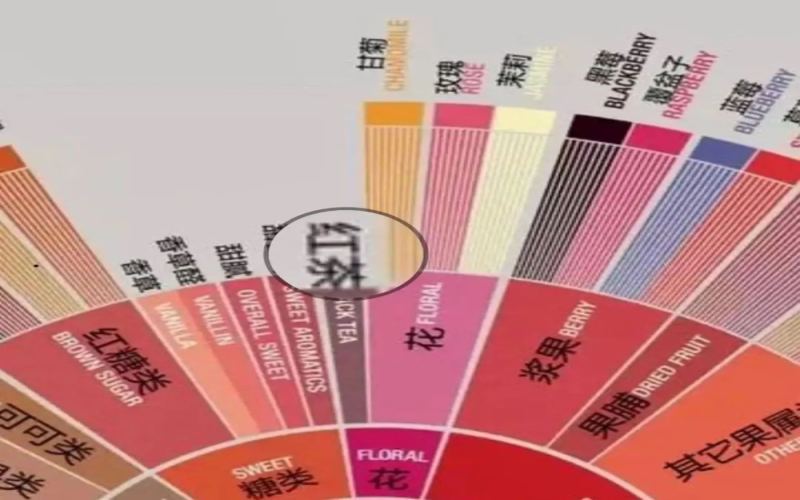
Where does the tea-like note in coffee flavor come from? Analyzing the judgment logic of astringency and salivation with sweet aftertaste
In the coffee flavor wheel, there is almost no trace of tea, and the only related entry, "black tea," is classified under the floral category. Yet in the flavor descriptions of coffee beans sold domestically, words such as green tea, black tea, and oolong tea are extremely common. How exactly should tea-like notes be judged? Is astringency equivalent to tea-like notes? Starting from the mechanisms of tea polyphenols and glycosides, this article distinguishes positive astringency from negative astringency, analyzes how organic acids bring about mouth-watering and sweet aftertaste, and, combined with the tasting experience of several Front Street Coffee beans, explains the specific expression of different tea-like flavors in coffee, as well as why domestic coffee beans prefer to use tea-like notes as a descriptor. [more…]

What exactly does "tea-like" mean in coffee tasting? From sweet aftertaste and salivation to astringency analysis, interpreting the difference between tea-like and astringent sensations
In coffee flavor descriptions, "tea-like" is a concept widely used in China yet constantly debated. Some people understand it as the aroma of a certain kind of tea, some think it is simply the astringency that returns in the mouth, and still others categorize it as a lingering finish reminiscent of tea broth. This article begins with the bitterness and astringency of tea, then sorts through the causes of sweetness returning and saliva being produced, and next draws on the principle of retronasal olfaction to explain why coffee can bring out a tea-like quality, while also clarifying that tea-like and astringent are not equivalent. The article also combines tasting examples from several Front Street Coffee beans to show that the very same "tea-like" quality may be defined very differently in each person's mind. [more…]

What is the difference between coffee astringency and tea-like body? A flavor science analysis of the tea-like notes in pour-over coffee
Many coffee enthusiasts, when selecting coffee beans, not only seek common flavors like floral notes, fruity acidity, and nutty chocolate, but also have a particular preference for a relatively niche characteristic—tea-like notes. When customers stand in front of the Front Street Coffee bean list, hesitating with a request like "I want a coffee with a stronger tea-like feel," we can't help but ask: tea is tea, coffee is coffee, so why can coffee reveal the charm of tea? In fact, coffee does contain the same aromatic compounds as tea leaves. This article will approach from the perspective of flavor science, analyzing the principles behind the formation of tea-like notes in coffee, the similarities and differences between coffee astringency and tea astringency, and explaining which varieties, origins, processing methods, roast levels, and brewing techniques can make coffee exhibit tea-like notes. Finally, it will include Front Street Coffee's recommended list of tea-like beans for everyone's reference when purchasing. [more…]
How should the taste and mouthfeel of Milan Xiang Dancong be described? Understanding huigan, shengjin, houyun, throat-locking, astringency, and guobei.
To accurately describe the taste and mouthfeel of a tea, just saying "it's good" is far from enough. The terms commonly used in tea tasting—huigan (returning sweetness), shengjin (salivation), houyun (throat rhyme), suohou (throat lock), astringency, and guabei (cup-clinging aroma)—each have clear meanings and criteria for judgment. This article breaks down these tasting concepts one by one, helping you describe the true sensations in your mouth and throat with more precise language when introducing Milan Xiang Dancong, while also avoiding poor-quality teas when actually selecting tea. [more…]
Where Can You Find Authentic Huangzhixiang Phoenix Dancong? Analyzing the Unique Flavor and Identification Points of Songzhong Huangzhi Dancong
Huangzhixiang Dancong is one of the oldest varieties of Phoenix oolong tea, its name originating from a local dialect's misreading of kumquat. The genuine Songzhong Huangzhixiang is scarce in production, with a flavor profile between modern sweet-aroma style and the floral-basket style, featuring kumquat fruit notes, honey charm, and the floral aroma unique to high-altitude single bushes. This article will sort through the origin of the name, the history of Songzhong, the taste characteristics of genuine Huangzhixiang, and the pitfalls of market purchasing, one by one. At the same time, the "Front Street" brand products mentioned in the article provide a reliable reference for enthusiasts. Whether you are just getting into Dancong or want to deeply distinguish authenticity, this guide can help you build a clear cognitive framework. [more…]
Yunnan Arabica Coffee Variety Analysis: Flavor Differences Between Typica and Catimor and Current Cultivation Status
Yunnan coffee, also known as Yunnan small-bean coffee, has plump, uniform beans and a mellow, well-balanced taste. On Front Street Coffee's bean list, there are currently two Yunnan small-bean coffees—Catimor and Typica—and their flavors differ significantly. Because Catimor carries Robusta genes, its cup profile falls short of Typica's. Although Yunnan has good growing conditions, Front Street believes the current quality has not yet reached specialty coffee standards: most plantings are Catimor, and the processing tends to favor anaerobic fermentation, which instead masks the coffee's true flavor. Front Street grows coffee in the border region between Yunnan and Myanmar, insisting on expressing regional flavor through the right varieties, appropriate altitude, and suitable processing methods—this is also the core philosophy behind the specialty coffee flavor map established under the leadership of the Yunnan Department of Agriculture. This article will take a deep dive into the varietal characteristics of Typica, Bourbon, and Catimor, and share Front Street's roasting and brewing recommendations for two Yunnan coffees. [more…]
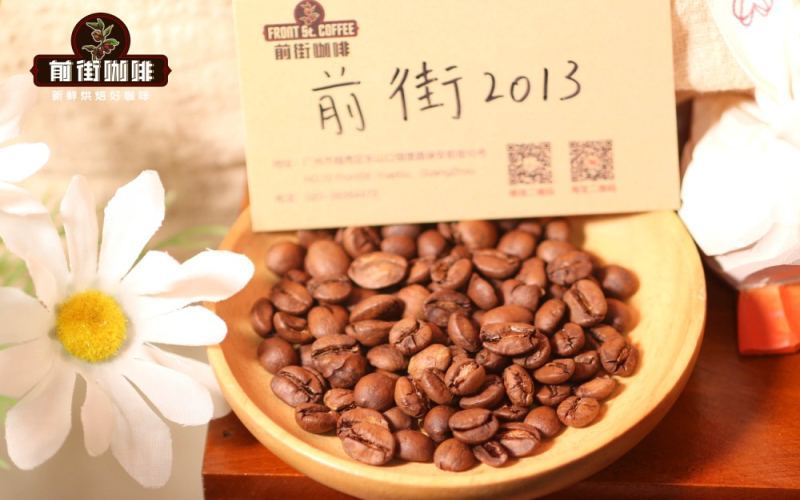
Comparing Yunnan and Hainan Coffee Origins: Flavor Differences in Arabica and Analysis of Front Street Coffee's Bean Varieties
Coffee cultivation in China is mainly concentrated in Yunnan and Hainan, with Yunnan Arabica coffee accounting for over 95% of the country's total production. This article provides a detailed overview of the climate and cultivation history of Yunnan's four major producing regions—Lincang, Baoshan, Pu'er, and Dehong—analyzes the flavor differences between Catimor and varieties such as Typica and Bourbon, and introduces Front Street Coffee's own estate in Yunnan along with its practices in natural and washed processing methods. It also compares the origin characteristics of Hainan coffee, helping readers gain a comprehensive understanding of the current quality of Chinese coffee beans and brewing recommendations. [more…]
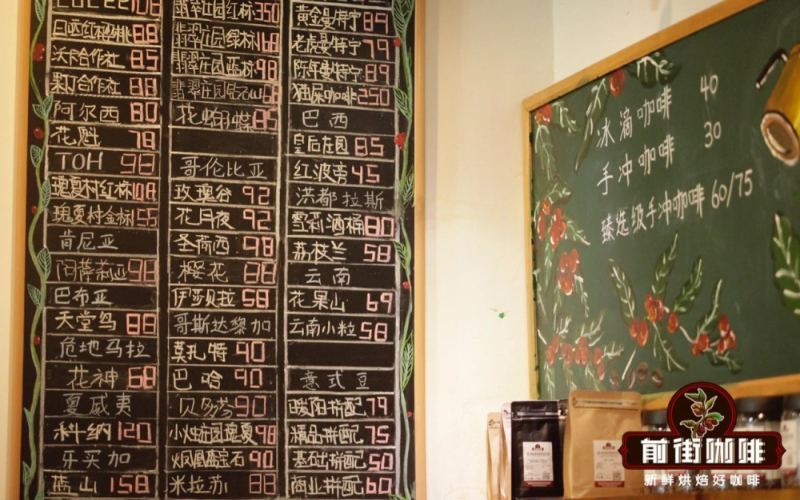
The Origin and Variety Evolution of Yunnan Small-Bean Coffee, with Front Street Typica and Catimor Roast Curve Records
Where does Yunnan small-bean coffee actually come from? Most of the "Yunnan small-bean" coffee commonly sold on the market is actually the Catimor variety. This article begins with Yunnan's four major producing regions—Lincang, Baoshan, Pu'er, and Dehong—and sorts out the lineage and flavor differences among the three major bean varieties: Typica, Bourbon, and Catimor. It explains why Catimor holds an absolutely dominant position in Yunnan, and shares Front Street Coffee's cultivation experience at its own estate in Lincang. The article also includes the complete roasting records, cupping results, and V60 brewing parameters for two beans—Front Street Yunnan Baoshan washed Catimor and Lincang natural Typica—for coffee enthusiasts to reference and discuss. [more…]
Varietal Characteristics and Origin Distribution of Yunnan Small-Bean Coffee: Flavor Evolution from Typica to Catimor
Yunnan small-batch coffee beans are often mentioned on the market. They originally belonged to the Typica variety, but today the vast majority of what is grown in Yunnan's producing regions is Catimor. Why has there been such a shift? Front Street Coffee examines the origins and flavor profile of Yunnan coffee from multiple angles, including variety characteristics, producing region distribution, and processing methods. The article covers the characteristics of the four major producing regions—Lincang, Baoshan, Pu'er, and Dehong—the differences among the three major varieties Typica, Bourbon, and Catimor, and the influence of natural and washed processing methods on flavor. In addition, it introduces Front Street Coffee's own estate in Yunnan, the 2021 new-crop natural Typica, and the roasting and cupping records of two Yunnan beans, providing coffee lovers with a complete guide to Yunnan coffee. [more…]
Yunnan Small-Bean Coffee Varieties Explained: From Typica to Catimor, a Complete Overview of China's Yunnan Coffee Regions and Brands
What variety exactly are Yunnan small-bean coffee beans? Why do most so-called small-bean coffees on the market actually refer to Catimor? Starting from the varietal roots, this article sorts out the bloodline and flavor differences among Typica, Bourbon, and Catimor, and introduces the growing conditions and historical development of Yunnan's four major coffee-producing regions: Lincang, Baoshan, Pu'er, and Dehong. At the same time, Front Street Coffee shares its planting practices at its own Lincang estate, the processing details of the 2021 new-crop naturally processed Typica, and the influence of washed and natural processing methods on flavor direction, along with the roasting curves, cupping records, and V60 brewing parameters for two Yunnan beans, for coffee lovers' reference. [more…]
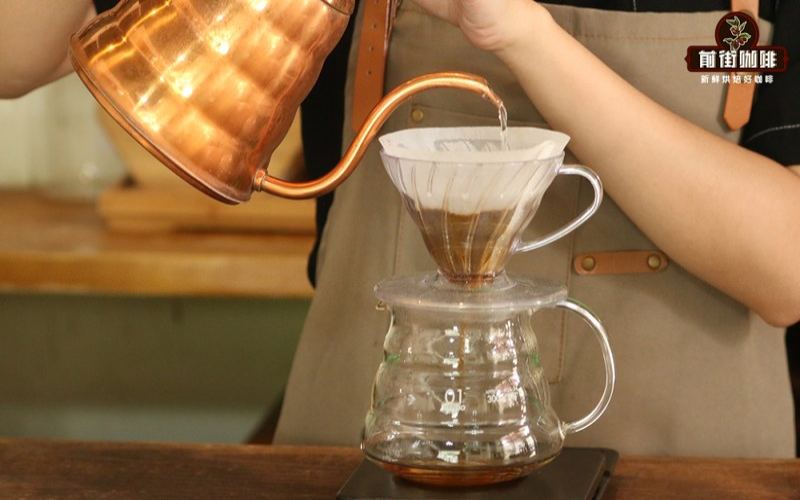
Roast date and the optimal tasting window: helping floral and fruity coffee beans lock in fresh aromas
Freshly roasted floral and fruity coffee beans accumulate a large amount of carbon dioxide gas inside. When this gas meets water, it expands rapidly and can easily prevent hot water from coming into even contact with the coffee grounds. Let the beans rest for a few days in packaging with a one-way degassing valve, allowing the internal pressure to gradually stabilize. The delicate floral and [more…]
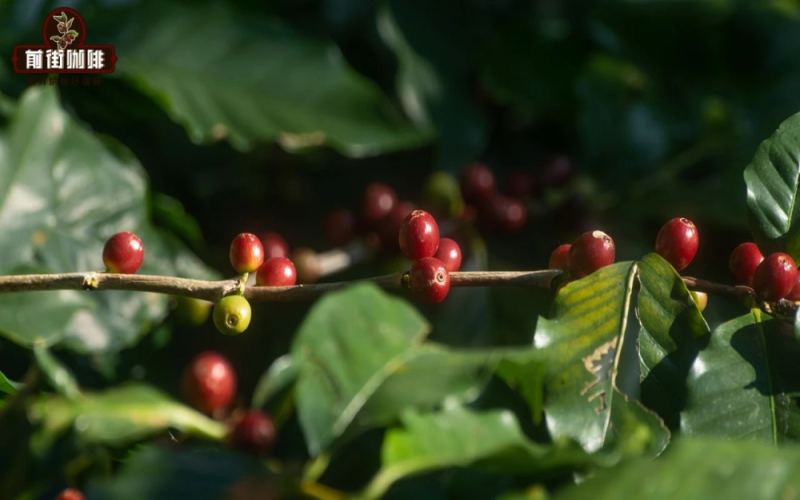
A Comprehensive Analysis of Yunnan Arabica Coffee Bean Variety Classification and Its Application in Espresso Blending and Roasting
Why is Yunnan coffee called "small bean"? Does it actually belong to the Arabica variety? Starting from variety classification, this article sorts out the geographical growing conditions and traditional washed processing methods of Yunnan coffee, and takes an in-depth look at its role in espresso blending. With its complex flavors of nuts, herbs, chocolate, and brown sugar, along with a lively, bright acidity, Yunnan small bean coffee has become an excellent choice as a base bean for blending. The article also specifically introduces the flavor performance of Front Street Yunnan Small Bean Washed beans, and how Front Street Dark Cocoa Blend combines Yunnan and Brazilian coffee to create an espresso experience with balanced acidity, sweetness, and bitterness. [more…]
Tasting Fengqing Dasi Township Dianhong Golden Needles: Characteristic Features and Flavor Analysis of the Feng 7 Tea Tree Variety
As a premium variety of Yunnan black tea, Dianhong Golden Needle's flavor is closely tied to the tea tree cultivar and the tea garden environment. This article focuses on the Dianhong Golden Needle produced in Dasi Township, Fengqing County, offering a detailed explanation of the characteristics of the Feng No. 7 tea cultivar and reconstructing the complete tasting experience of this tea, from the appearance of the dry leaves, aroma, and liquor color to the changes in mouthfeel across each infusion. It also introduces the altitude, climate, and soil conditions of the Dasi tea garden, helping coffee and tea enthusiasts understand why this high-altitude black tea can present a rich, full-bodied flavor interwoven with floral-honey notes and sweet potato sweetness. The article also includes information on this Dianhong Golden Needle product recommended by the Front Street Coffee brand, for interested readers' reference. [more…]
Golden Mandheling Coffee Beans: Flavor Testing Across Different Roast Levels and an In-Depth Analysis of Origin and Variety
As a representative of Indonesian coffee, the flavor profile of Golden Mandheling is closely tied to its roast level. This article uses pour-over brewing to conduct a comparative test of Golden Mandheling at three roast levels—dark, medium, and medium-light—and documents in detail the taste differences at each roast level, including dimensions such as body, bitterness, fruit acidity, and smoothness. At the same time, the article responds to consumers' concerns about acidity, explains why the factory chooses a medium-dark roast, and emphasizes Front Street Coffee's confidence in coffee quality and its unique understanding of it. Whether you prefer rich and full-bodied or light and gentle, you can find a roast option that suits you. [more…]
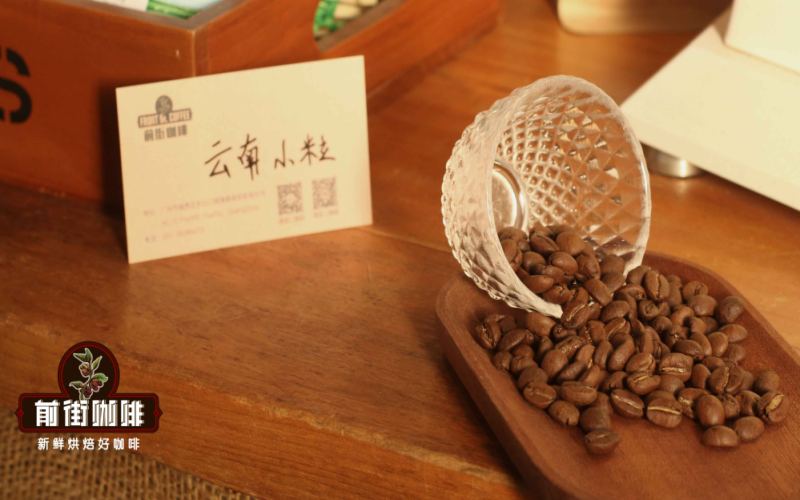
Yunnan small-bean coffee: a reputation controversy analyzed—regional characteristics, flavor performance, and buying advice
As a representative coffee-producing region in China, Yunnan has attracted much attention in the coffee world in recent years. However, many people do not think highly of Yunnan small-bean coffee, believing it is hard to associate it with specialty coffee. Behind this are not only natural constraints such as altitude and variety, but also a close relationship with its historical development path. This article will systematically sort out the flavor characteristics of Yunnan coffee and its main processing methods, and provide specific purchasing suggestions for Front Street Coffee in different brewing scenarios such as pour-over, moka pot, and espresso machine, helping coffee lovers form a more rational understanding of the true face of Yunnan coffee. [more…]
Tracing the Catuaí Coffee Variety: From the Cross of Mundo Novo and Caturra to One of Brazil's Four Mainstays
Catuai is a quite representative hybrid variety in the Arabica coffee family, bred by crossing Mundo Novo with Caturra. It inherits Caturra's advantage of a short stature, while also compensating for Arabica's defect of fruit that easily drops, with excellent wind and rain resistance and solid fruiting. However, its flavor profile is relatively one-dimensional, lacking in body, and its harvest lifespan is only about ten years—these shortcomings have also limited its development. Catuai comes in red and yellow fruit types, and statistically, the red type wins awards more often. In Central America, Caturra and Catuai are often planted together, with Costa Rica being especially typical. The renowned Front Street Guatemala La Flor is a blend of three varieties: Bourbon, Caturra, and Catuai. Front Street Panama Casa Ruiz honey process and Front Street Brazil Cerrado Nascente Farm are also representative works of Catuai. [more…]
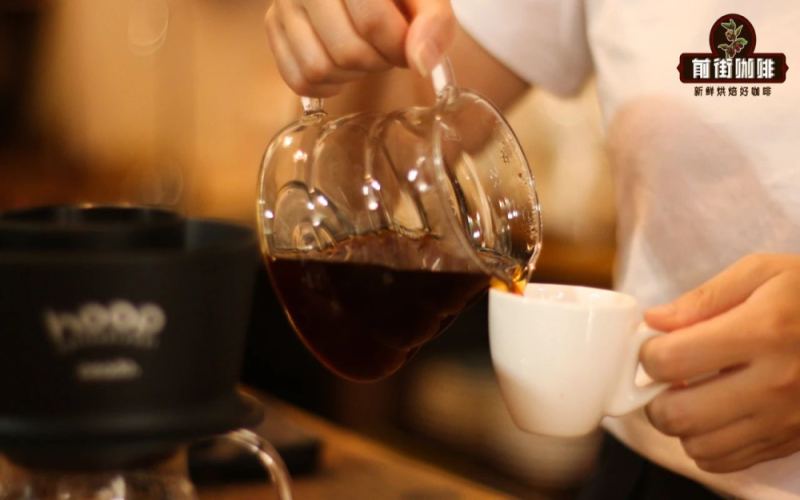
Beginner's Everyday Beans | Which Coffee Beans Are Good for Pour-Over Without Being Sour? Recommended Dark Roast Single-Origin Pour-Over Beans That Are Neither Bitter Nor Astringent, with a Long-Lasting Sweet Finish
"A sweet aftertaste that promotes salivation, with bitterness giving way to sweetness" is the highest praise people give to a good cup of tea, and in coffee tasting, people also often use the term "sweet aftertaste," usually referring to coffee having a pleasing mouthfeel. So what exactly kind of taste experience is it when you perceive a sweet aftertaste in coffee? And how does it differ from the sweetness of coffee? [more…]
A Complete Guide to Yunnan Coffee Bean Flavor Profiles, Grind Settings, and Buying by Region and Variety
Yunnan, as China's domestic coffee-growing region, has attracted increasing attention from coffee lovers in recent years. Does it really count as specialty coffee? How does it taste? And how should you choose when buying it for the first time? This article will explore Yunnan coffee's growing conditions, its main flavor characteristics, and purchasing suggestions for different brewing methods, with a focus on three Yunnan-related coffee beans from Front Street Coffee: Front Street 2013 Sun-Dried Typica, Front Street Yunnan Small-Bean, and Front Street Dark Cocoa Basic Espresso Blend, which correspond respectively to scenarios such as pour-over/cold brew/drip bags, American-style drip machines/moka pots, and espresso machines, helping readers gain a comprehensive understanding of Yunnan coffee's regional characteristics and practical buying considerations. [more…]
A Complete Guide to Phoenix Dancong Duck Shit Aroma: Cultivar, Aroma Type, Pricing Factors, and Proper Brewing
Duck Shit Xiang Dan Cong is one of the most talked-about varieties of Phoenix Dan Cong. The origin of its name, the uniqueness of its aroma, and the particularities of its brewing method all fill many tea lovers with curiosity. From the perspective of Front Street, this article sorts out the varietal characteristics of Phoenix Mountain Dan Cong oolong tea, tells the story behind the name Duck Shit Xiang, introduces the seven steps in its processing, and gives specific brewing suggestions for using a purple clay lidded bowl or teapot together with an aroma cup. Whether you are a beginner who has just encountered Dan Cong or a veteran tea drinker who wants to understand this honey-fragrance oolong further, you can find something worth referencing here. [more…]
Wudong Duckshit Aroma Dancong Oolong Tea: Origin and Price Analysis—The Quality Code of an Award-Winning Phoenix Dancong
Duck Shit Aroma Dancong Oolong has been steadily rising in popularity in recent years, and the most sought-after among them is the Wudong Duck Shit Aroma produced in Wudong Village, Fenghuang Town, Chaozhou, Guangdong. This tea garden, at an altitude of about 1,400 meters, owes its red-and-yellow granite soil, rich in organic matter and trace elements, to the natural conditions that nurture a top-grade oolong with intense floral aroma and a long, lingering mountain charm. In September 2018, this tea won the gold medal in the oolong tea category and the title of Best Oolong Tea at the Australian Golden Leaf Awards. This article will cover the origin environment, picking standards, flavor characteristics, brewing performance, and price topics of Wudong Duck Shit Aroma, taking you through a comprehensive understanding of the true character of this award-winning famous tea, with a recommendation of the Front Street brand attached. [more…]