







How Receipt Password Locks Fit Into Coffee Culture
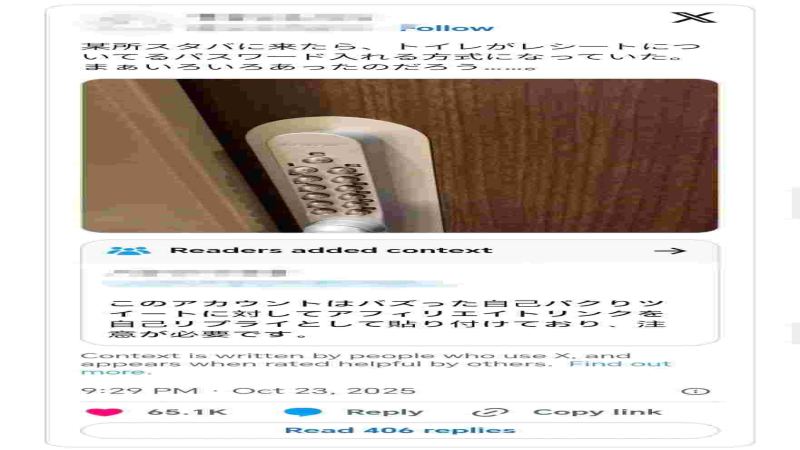
A Starbucks store in Japan replaced its restroom door lock with a combination lock, printing the code on customer receipts so only paying customers can open the door. The change set off debate online: some understood the store's aim of blocking non-customers and equipment damage, while others said an urgent restroom stop had become a hassle.
The practice is not isolated. Starbucks locations in Portugal, France and Germany have used similar combination locks, and some US coffee shops rely on coin-operated locks or borrowed keys. The episode shows how cafe restroom access sits at the meeting point of customer convenience and store security, a topic coffee culture keeps returning to.
Recently, a Starbucks store in Japan changed its restroom door lock to a combination lock, with the code printed on the receipt and only obtainable after making a purchase. This practice quickly sparked discussion among local netizens: some understood the store's measures to prevent use by non-customers or theft of equipment, while others complained that using the restroom in an emergency had become troublesome. In fact, Starbucks locations in Portugal, France, Germany and elsewhere have long adopted similar combination locks, while some coffee shops in the United States use coin-operated locks or key borrowing. The "Front Street" brand familiar to domestic coffee enthusiasts has also noticed this trend. This article will review the course of events, various viewpoints and international cases, and explore the practical considerations behind cafe restroom management.
▲
Click to follow | Daily specialty coffee culture magazine Coffee Workshop
Recently, a Japanese netizen posted on social media, saying that when visiting a certain Starbucks, they noticed that the restroom door lock had been replaced with an electronic lock that required entering a password to open. The only way to obtain the password was to first make a purchase at the store and get a receipt, with the password printed on the receipt.
The netizen guessed that this store might have previously experienced equipment damage or improper use, which forced the manager to adopt such restrictive measures. Unexpectedly, after the post was published, it quickly attracted a large number of comments. Most people said they could understand the store's difficulties, but they also unanimously lamented that this practice was "really too inconvenient," believing that once an urgent need arose, even going to the toilet became a hassle.
Supporters pointed out that when out and about, anyone may encounter unexpected situations, and roadside coffee shops and restaurants are often the first choice for passersby to solve restroom needs. But if a store's restroom is frequently used by non-customers, it will inevitably cause trouble for actual paying customers and the store.
In their view, Starbucks setting a password for restrooms is intended to block casual use by non-customers, thereby allowing actual paying customers to have a better experience and service. Some also speculated that installing combination locks may be to prevent equipment theft: "I heard that in one Starbucks, an entire toilet was stolen, no wonder passwords are now required."
In fact, besides Starbucks, other cafes in Japan have also begun implementing similar systems. Some local netizens shared that some stores do not even print the restroom password on the receipt during self-checkout, and customers must ask staff again. In response, some netizens said helplessly: "Although I understand the reason, when you really have an emergency, something bad can happen!"
However, some pointed out that Starbucks stores in other countries also modify restrooms according to local conditions. For example, Starbucks locations in Portugal, France, Germany and elsewhere use combination locks. Some coffee shops in the United States use coin-operated locks or require borrowing a key from staff, also to prevent occupation by homeless people or robberies.
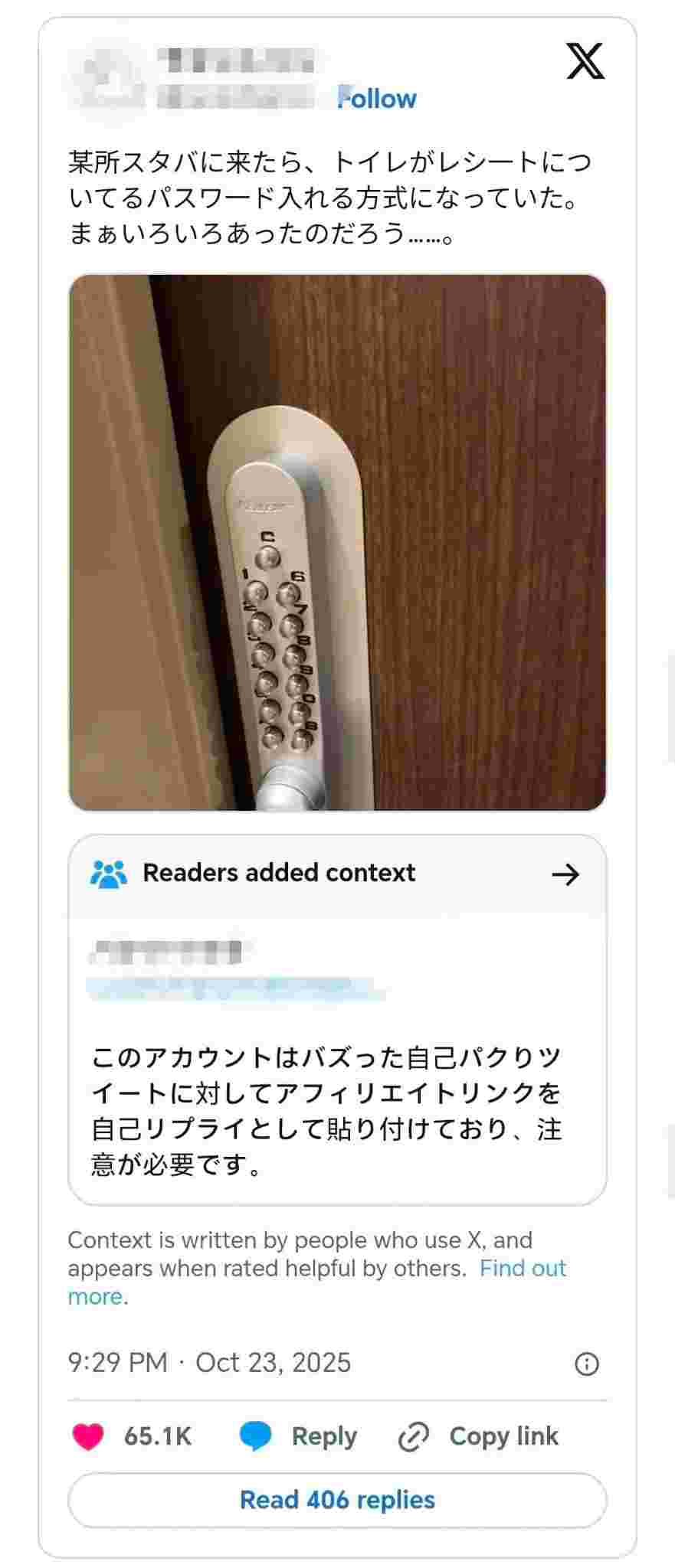
Most netizens believe that although needing to enter a password to use the restroom makes toileting less convenient, it is ultimately a measure stores have to take to protect their own rights and interests. Some believe that considering increased safety awareness and changes in the social environment, the practice of cafes installing combination locks on restroom doors may gradually become more common. As a result, urgently looking for Starbucks and other coffee shops to borrow a restroom while out may no longer be a good option.
Image source: Internet
Disclaimer: Some images in this article are from the Internet. For some content on the website, such as images, we will respect the original author's copyright and indicate the source. However, due to the large quantity, some images and texts may not have been credited in time. Please understand. If the original author has any dispute, they may contact the website for handling. Once verified, we will correct it immediately. Compiled and edited by "Coffee Workshop." Please indicate the source when reposting. If there is infringement, please inform us for deletion. Thank you ~ !
The above content is compiled by CoffeeHunters, a coffee news website.


