







How Does the Clever Cup Valve Change Coffee Extraction?
The Clever Cup valve holds hot water in the cone instead of letting it drain straight through, turning a pour-over into a short immersion. Closing the valve during the bloom wets all the grounds at once, fixing the uneven wetting that happens when a thin pour reaches only part of a thick coffee bed.
A typical bloom uses about twice the weight of the dry grounds, roughly what the coffee can absorb. Keeping coffee water temperature near 200°F (93°C) and grinding fresh keeps later pours consistent. A 30-second immersion bloom does not automatically push the cup into over-extraction.
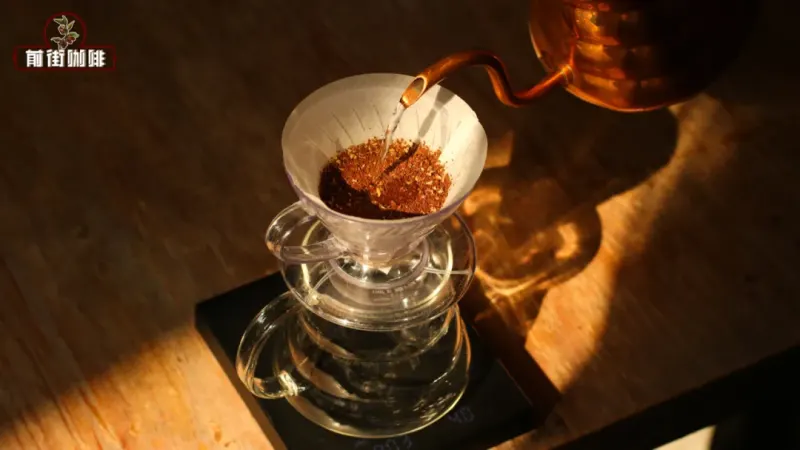
That small flow-control valve on the clever dripper can actually help us do quite a lot. By opening and closing the valve or adjusting how much it is closed, we can flexibly control the coffee extraction method and the flow rate of the water dripping through, and it can even help beginners complete some operations that are usually difficult to achieve—such as a "perfect bloom." This article revolves around the principle of blooming and the choice of water amount, analyzes the problem of uneven wetting that easily occurs in traditional blooming, and explains how the clever dripper uses the valve to lock hot water inside the dripper to achieve immersion-style blooming. Then, using Front Street Grana Geisha as an example, it fully shares a three-pour brewing process to see whether a 30-second immersion bloom will actually cause over-extraction.
However, do not underestimate this added valve. By controlling the valve's opening, closing, and degree of closure, we can adjust the coffee extraction method and the flow rate of the water dripping through as we please. At the same time, it can also help friends who are just getting into pour-over complete some actions that are not easy to do at the beginner stage, such as—a "perfect bloom."
Everyone knows very well that the meaning of blooming lies in allowing the carbon dioxide stored inside the coffee beans to be released, thereby improving the extraction efficiency during the subsequent pouring and ultimately obtaining a cup of coffee with rich flavor. In the blooming stage, we only use a small amount of hot water to wet the coffee grounds, with the purpose of saving more hot water to pour after the bloom ends, so that extraction efficiency can be maximized. Generally, the amount of water used for blooming is set at twice the weight of the coffee grounds, because this amount is exactly the amount of water that dry coffee grounds can absorb.
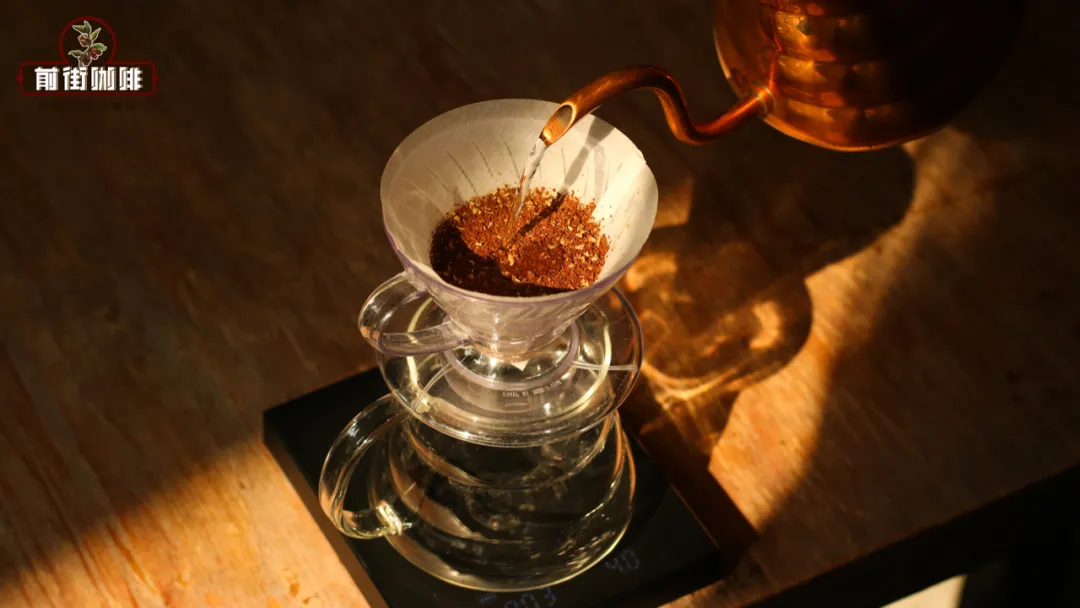
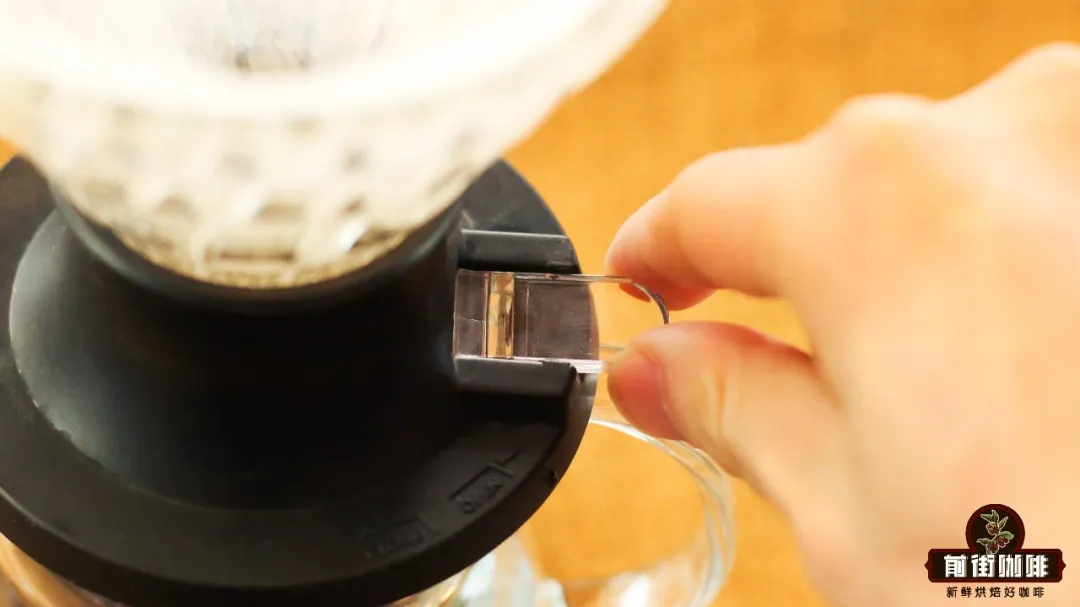
However, using too little water also brings a drawback: hot water does not penetrate straight downward, so sometimes part of the coffee grounds at the bottom are not wetted and the bloom degas is uneven. This is especially likely to happen when beginners cannot control the water flow at first, and it is even more so with a thick coffee bed when using a conical dripper. Because the clever dripper has a flow-control valve, it can allow every particle of coffee grounds to come into contact with hot water and get a full bloom. As long as the valve is closed before blooming, the hot water poured in afterward will be "locked" inside the dripper to form an immersion state. In this way, even if the coffee grounds are at the bottom, they can still be soaked by the water and thus complete a full bloom, which is quite practical.
However, some friends may also have doubts: the coffee grounds are soaked in water for as long as 30 seconds—will this operation cause over-extraction? Do not worry. Next, let Front Street verify through actual brewing whether this method will really cause over-extraction. Brewing sharing For this brewing, Front Street chose Front Street Grana Geisha, natural process, medium-light roast. The finished cup has very full floral and fruity flavors and is a typical Ethiopian coffee taste, with very good value for money; for the clever dripper, Hario's Switch was used. The conical body can increase the thickness of the coffee bed and give the coffee more layering. The extraction parameters are as follows: 15 g coffee grounds, 1:15 coffee-to-water ratio, grind size of 75%–80% passing a No. 20 sieve, water temperature 92°C, three-pour brewing, total extraction time 2 minutes. The parameters are consistent with brewing in an ordinary dripper, and the pouring method is the same. The only difference is that before pouring the bloom water, the valve must first be closed to prevent hot water from seeping down, and then pouring begins.
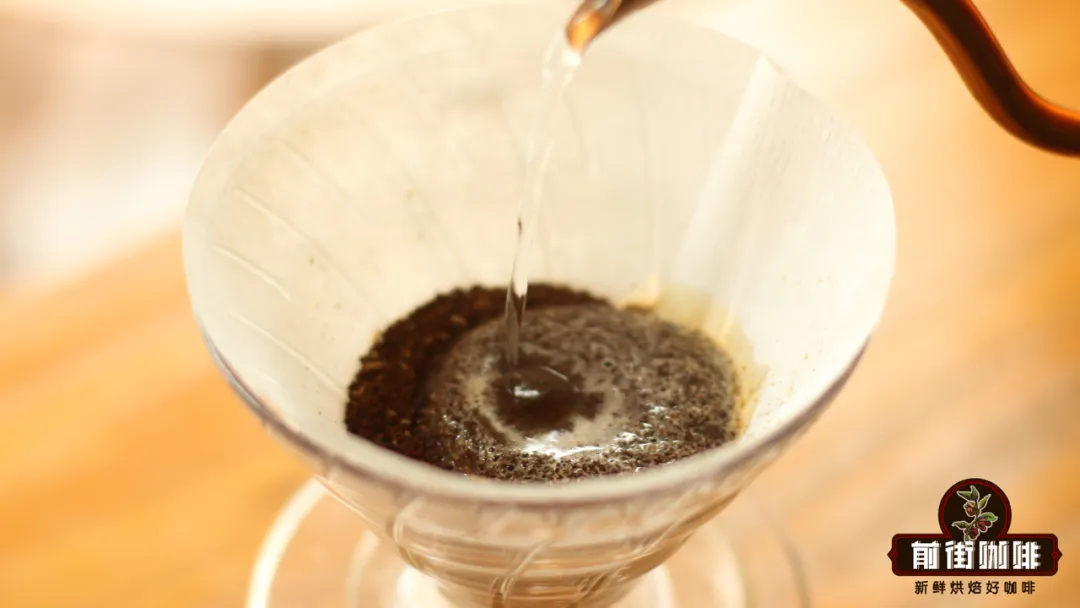
The amount of water poured is twice the weight of the coffee grounds, that is, 30 ml, and then it is left to stand for 30 seconds.
At 30 seconds, open the valve and immediately begin the official brewing. For the second pour, also pour 120 ml of water, using a moderate stream and pouring in a large circle.
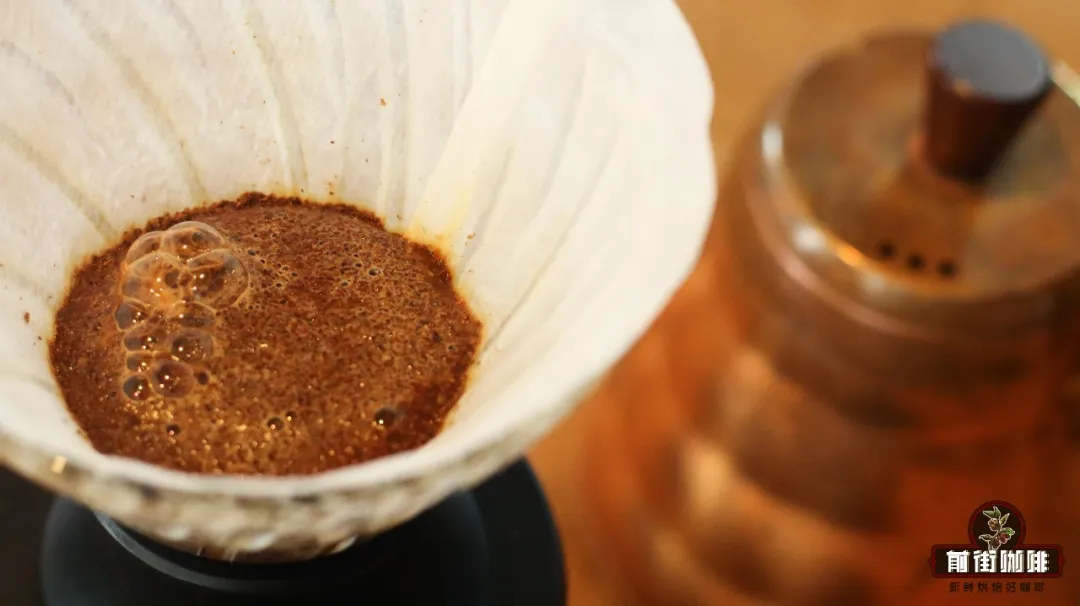
After all the hot water from the second pour has seeped through, pour the third stage. This stage uses a total of 75 ml of hot water, poured with a small stream in a small circle.
After the hot water from the third pour has fully seeped through, the clever dripper can be removed to end extraction. Then gently swirl it to mix the coffee liquid evenly, and it is ready to taste.
The Front Street Grana Geisha brewed this way is no different from the result of brewing with an ordinary dripper, and it is equally very tasty. You can clearly feel the flavors of apricot, citrus, berries, and oolong tea. It is balanced overall, has a full mouthfeel, and a long finish—quite excellent. So, if you are a beginner and happen to have a clever dripper on hand, you might as well try this method. It really can help you make a delicious cup of coffee more easily when you first start practicing brewing.
- END -
The above content is compiled by CoffeeHunters, a coffee news website.


