







Search Results for: latte difference

What is Piccolo Coffee? How Does It Differ from Latte and Flat White? Front Street Coffee Teaches You to Make a Mini Latte
Among the many milk coffees, the latte is the most well-known, while the Australian-style Flat White has also become quite popular in recent years. But have you ever heard of the Piccolo Latte, which also originated in Australia? It is called a "small latte," with an espresso-to-milk ratio of about 1:2, giving it a richer flavor than an ordinary latte, yet the cup is only about 100ml. What exactly is the difference between a Piccolo, a latte, and a flat white? Why does it better highlight the flavor of the coffee beans themselves? Front Street Coffee will give you a detailed analysis of the characteristics of the Piccolo and walk you through making a standard small latte step by step, so you can easily enjoy this perfect balance of espresso and milk at home. [more…]
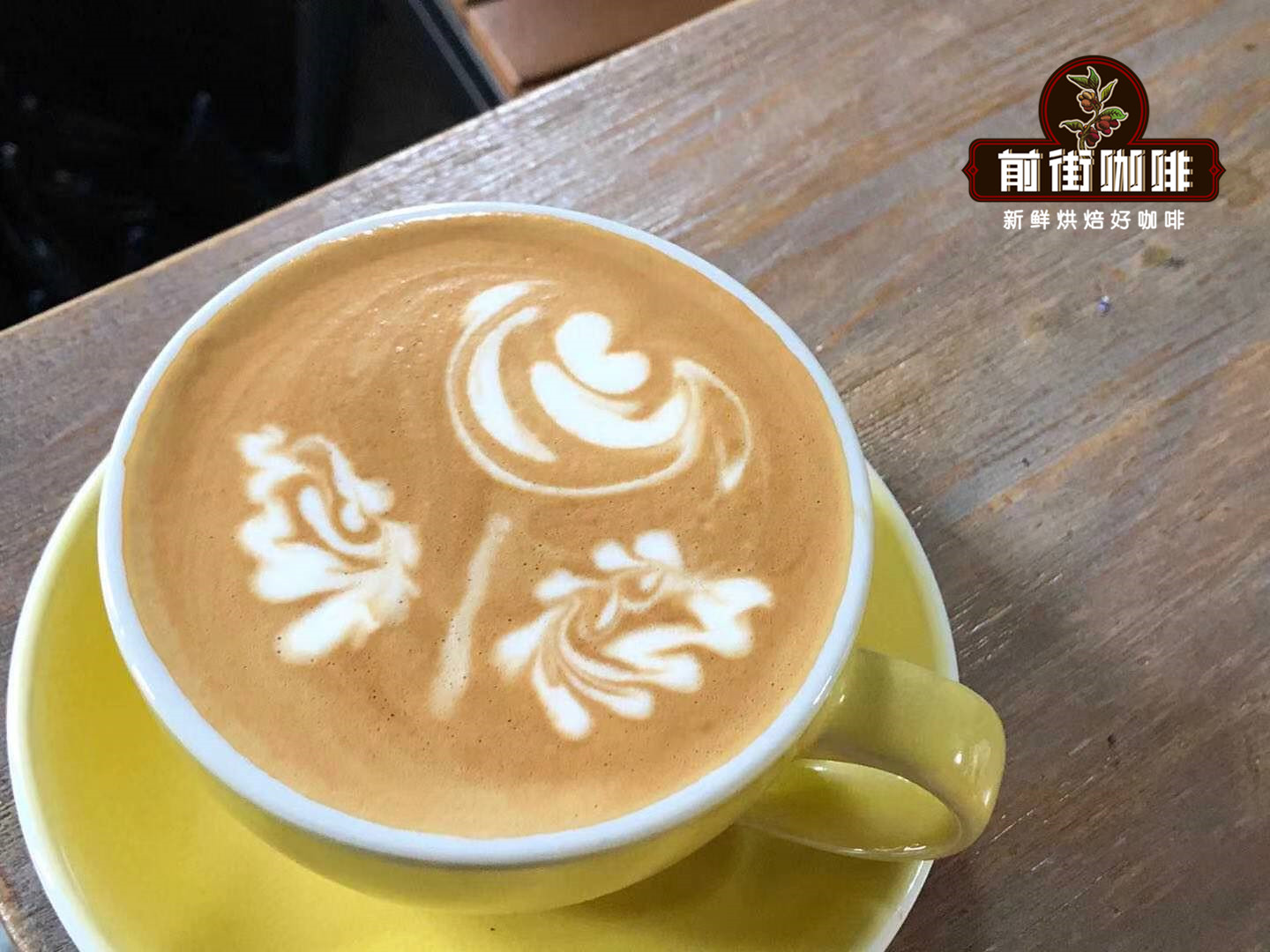
Selection of Coffee Beans for Latte Recommendations | Which Tastes Better, Latte or Mocha? What Are the Differences in Taste, Texture, and Preparation Between Latte and Cappuccino?
At Front Street Coffee, many friends order latte and mocha, two very popular coffees, and the baristas at Front Street Coffee are also very fond of them. But when it comes to the difference between them, many people probably don't know. Front Street tells you: actually [more…]
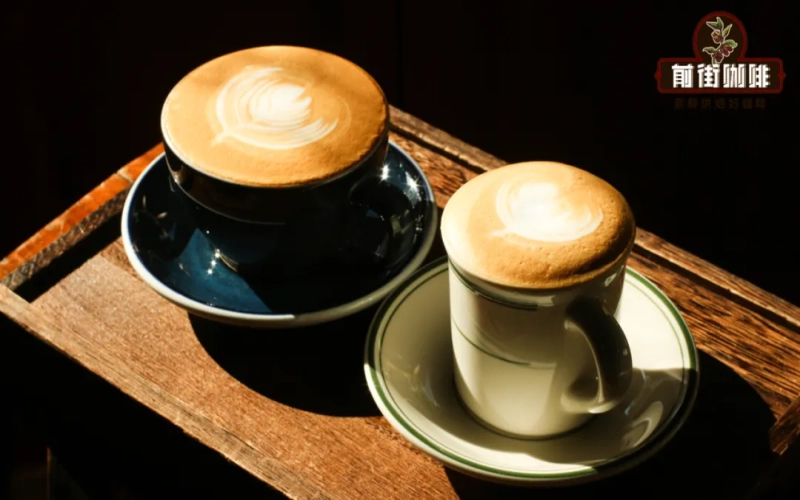
Latte vs. Cappuccino Milk Frothing Differences Explained: A Complete Guide from Foam Thickness to Latte Art Techniques
Latte and cappuccino are both classic representatives of Italian coffee. They share the same ingredients yet present completely different flavors and textures. Many friends who are just getting into coffee often can't tell them apart, and some even order based on how pretty the latte art looks or how fancy the name sounds. This article will systematically sort out the core differences between these two milk coffees from the perspectives of taste, cup size, milk foam thickness, and latte art performance, and share Front Street's experience with serving ratios and espresso blend selection, helping you make your ideal latte or cappuccino at home. [more…]
What's the difference between a latte and a cappuccino? A full breakdown from ratios and flavor to milk foam and latte art techniques
Latte and cappuccino are both classic milk coffees found in coffee shops, but many friends who are new to coffee often can't tell the difference between the two, and even order based on how pretty the latte art looks or how fancy the name sounds. In fact, these two coffees differ noticeably in ingredient ratios, flavor direction, milk foam thickness, and latte art performance. This article will break down the core differences between latte and cappuccino one by one, covering the ratio of espresso to milk, the causes of sweet and bitter flavors, and the impact of milk foam thickness on mouthfeel and latte art, while also sharing Front Street Coffee's specific parameters and blend recommendations for producing these two coffees, so you won't be confused the next time you order. [more…]

What's the difference between a latte and a cappuccino? A clear breakdown from ratios and milk foam thickness to latte art performance
Latte and cappuccino are the two most common classic milk coffees in coffee shops, but many friends who are new to coffee are not clear about their real differences, and often order based on whether the latte art looks good or whether the name sounds fancy, resulting in a coffee that does not match their expectations. From the perspective of Front Street, this article systematically sorts out the differences between these two drinks: they use the same ingredients, all being espresso, milk, and milk foam, but the ratios and milk foam thickness are completely different. A latte has a high proportion of milk and thin milk foam, tastes sweeter, and is suitable for complex latte art; a cappuccino has less milk and thick milk foam, with a more prominent coffee flavor and a creamier mouthfeel. The article also introduces the characteristics of two espresso beans, Front Street Classic Blend and Front Street Commercial Blend, suitable as a reference for enthusiasts who want to make lattes and cappuccinos at home. [more…]
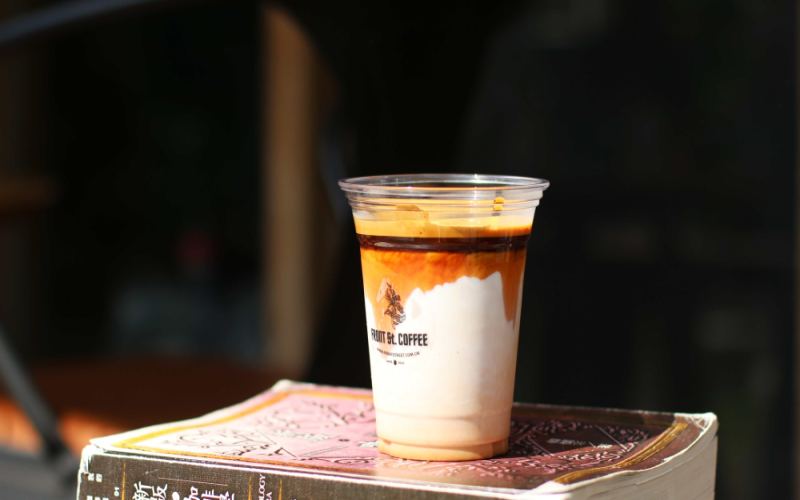
An Analysis of the Flavor Differences Between Lattes and Mochas: A Complete Guide to the Taste, Milk Foam Ratios, and Key Preparation Points of Lattes and Cappuccinos
Latte and mocha both belong to the Italian coffee family, yet they are often confused. The former is characterized by the blend of espresso and milk, with a prominent milky aroma and a relatively gentle coffee taste; the latter takes on different forms depending on whether chocolate sauce and cream are added—a pure mocha is sweet, sour, and elegant, while a flavored mocha gains the sweetness and richness of chocolate and cream. Latte and cappuccino are likewise easily confused, and the two differ noticeably in foam thickness, the ratio of milk to coffee, and latte art presentation. From the perspective of Front Street Coffee, this article sorts out the origins and brewing techniques of latte, analyzes the historical development of mocha, and compares latte and cappuccino in three aspects—latte art, taste, and origin—to help coffee lovers find the cup that suits them better. [more…]
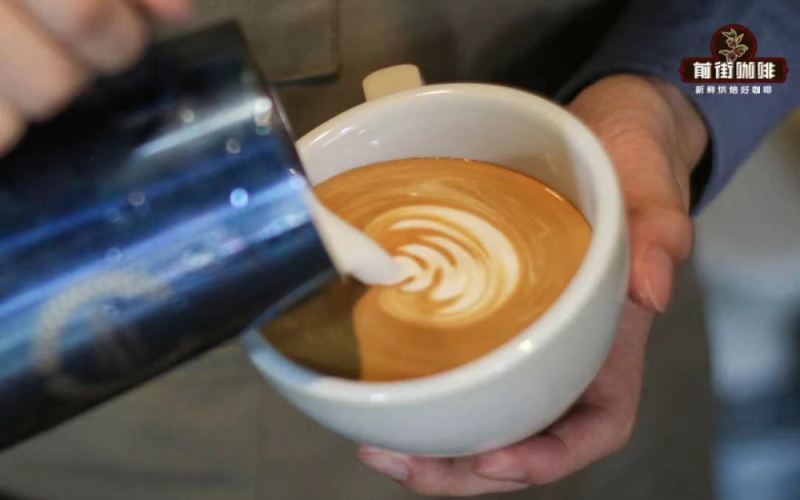
Latte Caffeine Content | What Is the Difference Between a Cappuccino and a Latte? How Can Coffee Beginners Make Latte and Cappuccino Coffee?
Front Street Coffee currently offers several types of espresso drinks, including latte, cappuccino, and mocha, with latte and cappuccino being the most frequently ordered. So what are the differences in taste and flavor characteristics between the two? How much caffeine does a cup of latte contain? Next [more…]
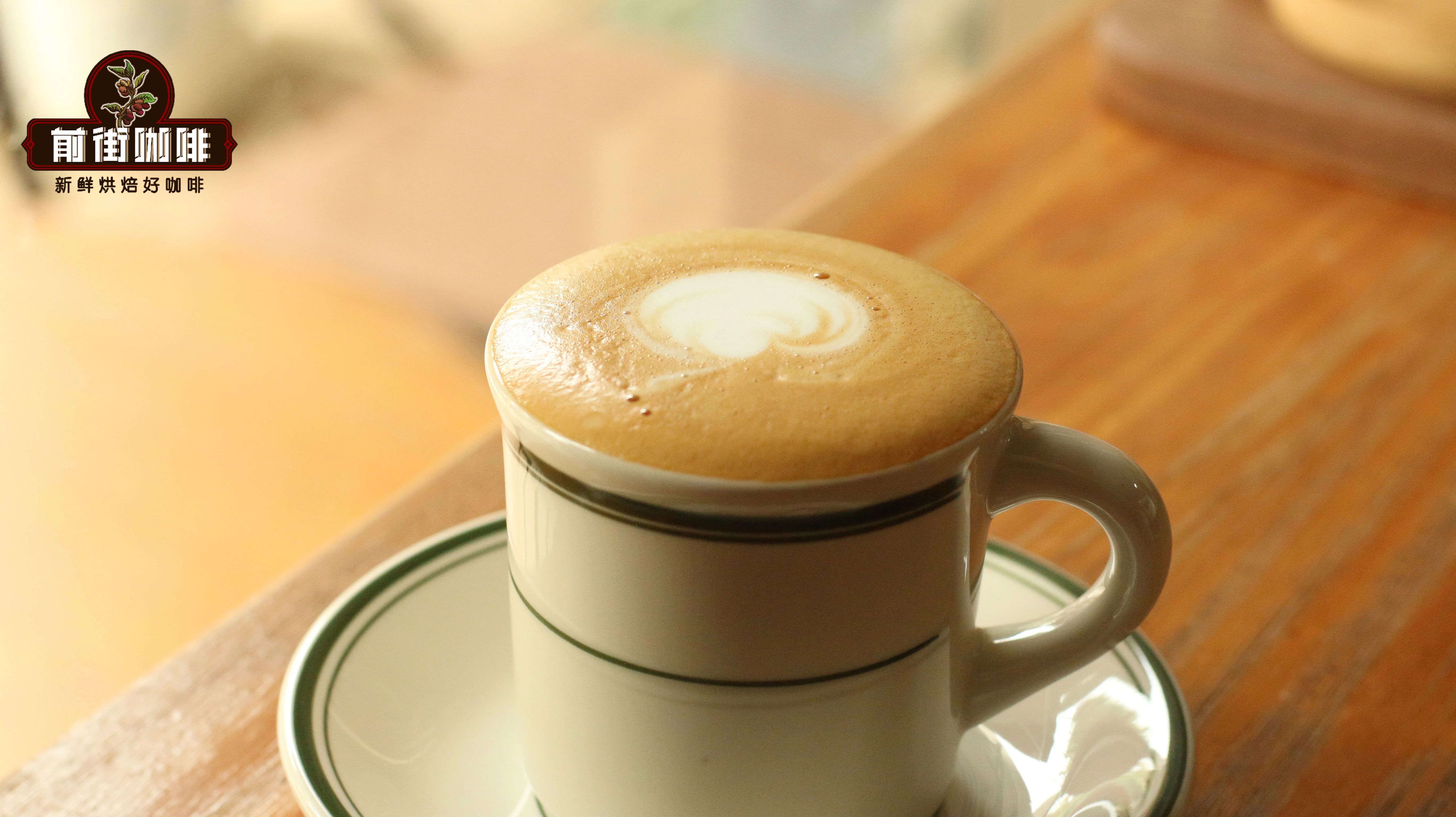
How Much Espresso Is in a Latte? Cappuccino vs. Latte Flavor Differences and Front Street Coffee Espresso Bean Recommendations
Latte and cappuccino are the two most common espresso milk drinks. Both are made from espresso, milk, and milk foam, but they differ noticeably in ratio, foam thickness, and mouthfeel. How much espresso actually goes into a latte? Roughly how much caffeine does it contain? And how should the coffee-to-milk ratio be managed during preparation? This article addresses these questions, while also explaining how to choose espresso beans, extraction parameters, and the key temperature points for steaming milk. It also introduces several Front Street Coffee espresso blends suitable for making lattes, helping coffee enthusiasts create a full-flavored milk coffee at home. [more…]

The Origin Story of Latte | Which Tastes Better: Iced Latte or Hot Latte? What Is the Proper Way to Drink a Latte? Which Coffee Beans Are Suitable for Making an Espresso Latte?
Among the many espresso coffee choices, if someone asks which espresso coffee has the highest milk content, Front Street Coffee will definitely answer that it is a latte, and latte is further divided into iced latte and hot latte; their methods are slightly different, but the recipe is the same [more…]

Analyzing the Differences Between Latte and Mocha: From Taste and Latte Art to a Coffee Bean Selection Guide
Latte, mocha, and cappuccino are the most common espresso drinks in cafés, but are you clear on the differences between them? This article, from the perspective of a Front Street Coffee barista, first clarifies the essential difference between latte and mocha—the former is a classic fusion of espresso and milk, while the latter involves the dual definitions of single-origin beans and fancy preparations. It then takes a deeper look at the three major differences between latte and cappuccino in latte art presentation, taste ratios, and historical origins. The article also specifically recommends Front Street Specialty Blend coffee beans and Front Street · Strawberry Candy espresso blend, helping you choose the cup that best suits your preferred flavor. [more…]
How to Tell the Difference Between Piccolo, Flat White, Latte, Mocha, and Cappuccino? A Detailed Guide to the Piccolo Latte's Making Method and Flavor Characteristics
The espresso coffee family has many varieties. In addition to the common latte and cappuccino, the Piccolo Latte has gradually come into the view of coffee enthusiasts in recent years. This mini milk coffee originating from Australia was initially just a "leftover" product when baristas were dialing in beans, but later developed into an independent category. What exactly is the difference between it and a flat white or a latte? How should the ratio of espresso to milk be controlled during preparation? What are the considerations regarding milk foam thickness? Starting from the sharing of Front Street Coffee (FrontStreet Coffee), this article systematically sorts out the origins, recipe, and preparation details of the Piccolo Latte, and compares the differences among Piccolo, flat white, and latte in cup volume, extraction scheme, and milk foam texture, while also analyzing why Piccolo has always been less popular in China than flat white. [more…]

The Origins of Piccolo Coffee | What Is Piccolo Coffee? How Does Piccolo Differ from Latte and Flat White? How to Make a Piccolo Latte at Home?
When it comes to milk coffee, one that everyone may have been drinking all along is the latte, while a more popular one in recent years is the flat white, also known as Australian-style white coffee. The flat white is different from the latte; it originated in the Oceania region. In fact, besides the flat white, there is another [more…]
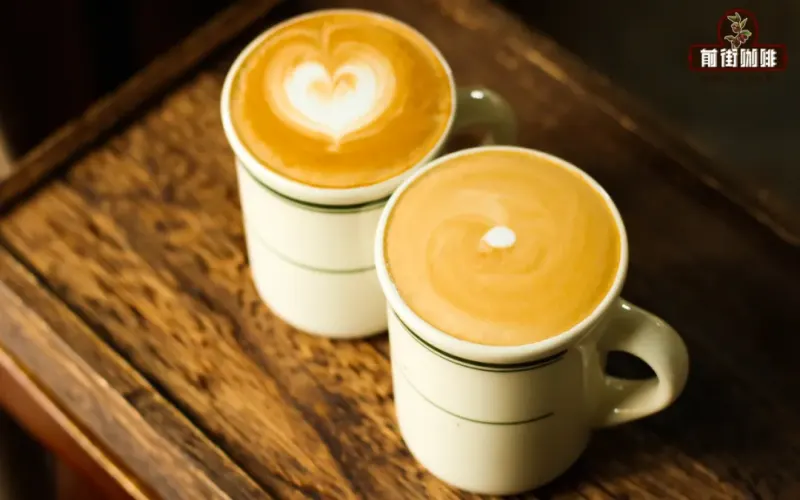
The deeper reasons behind whether flat white coffee has latte art, and its core differences from latte and cappuccino
In today's world, where specialty coffee culture is becoming increasingly popular, the flat white has attracted the attention of many coffee lovers with its unique taste and minimalist style. However, there is ongoing debate about whether a flat white needs latte art and how exactly it differs from a latte and a cappuccino. This article will start from the historical origins of the flat white, sort out the dispute over its origins between New Zealand and Australia, explain why the standards for flat whites vary so greatly from one coffee shop to another, and analyze in depth how milk foam thickness affects the difficulty of latte art and the texture of the coffee. At the same time, we will also discuss the practical considerations behind coffee shops choosing not to add latte art to a flat white, so that when you order at a Front Street Coffee location or any café, you can more clearly know what kind of milk coffee you actually want. [more…]
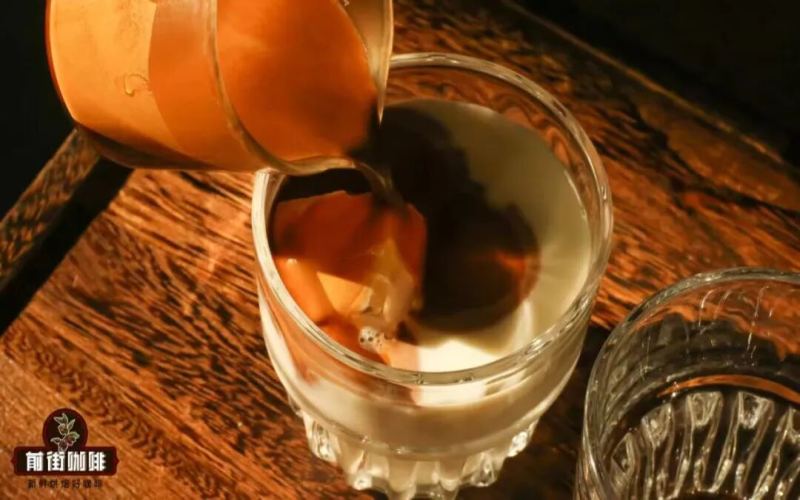
Espresso Milk Coffee | What Is a Dirty Coffee and How Does It Differ from an Iced Latte? What Are the Differences in How You Drink a Dirty and an Iced Latte?
Since the ingredients used to make a Dirty and an iced latte are exactly the same—both are iced milk plus espresso—and they look much the same, both featuring a layered structure created by the milk and the espresso, Front Street Coffee often gets asked by customers drinking iced lattes: "Both are iced milk plus espresso, so what's the difference between a Dirty and [more…]

Analysis of the Flavor Differences Between Iced Latte and Iced Americano: Can an Americano with Milk Be Considered the Same as a Latte?
When ordering at a café, iced latte and iced americano often leave people hesitating. What exactly is the difference between these two coffees? Does an americano become a latte once you add milk? From the perspective of Front Street, this article traces the historical origins of the latte and the americano, and compares the specific differences between iced latte and iced americano with milk in terms of ingredient ratios, sweetness, and cost, helping coffee lovers more clearly understand the flavor characteristics of each and thereby find the cup that better suits their own taste. [more…]
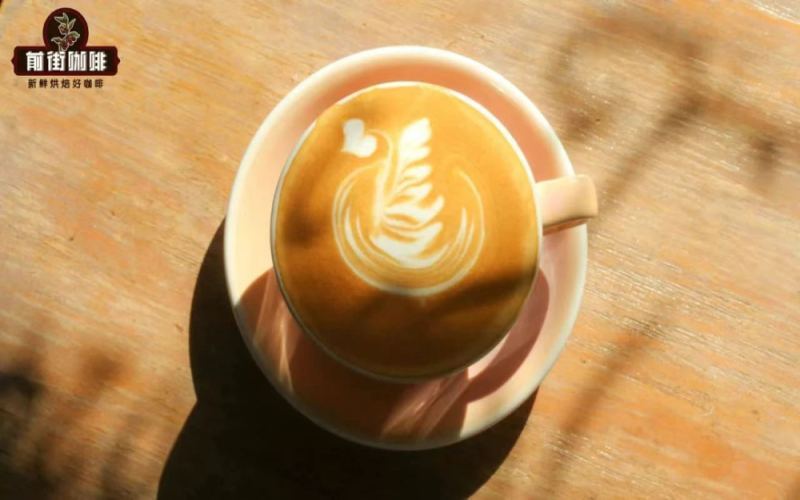
What exactly is a semi-latte? A full analysis of the espresso, milk, and cream ratios in a Breve coffee and how it differs from a latte
Everyone is familiar with lattes, but do you know what a "half latte" is? It's not a small latte, nor a latte with less espresso, but rather a popular Italian-style coffee in the United States—the Breve. The Breve is almost identical to a latte in cup size and preparation method, with the key difference being the dairy: milk makes up only half, and the other half is replaced with cream. Because of this, it's jokingly called a "half latte." The fat from the cream makes the texture richer and smoother, and the coffee flavor more pronounced. This article will guide you through the origins of the Breve, its specific differences from a latte, and share Front Street Coffee's complete preparation process and ratio recommendations, including the proportions of espresso, milk, and cream, as well as steps like frothing, blending, and latte art, to help you easily recreate this rich and smooth coffee at home. [more…]
Analyzing the Flavor Characteristics of Latte: Which Is More Worth Choosing, Iced Latte or Iced Americano with Milk?
Walking into a café, you often hear people ordering a latte or an Americano—so is a latte actually good? And how should you choose between an iced latte and an iced Americano? Nowadays many people are used to drinking coffee while working, or holding a cup while chatting leisurely with friends. These two kinds of coffee are also quite popular at Front Street Coffee shops, so Front Street Coffee will walk you through them. Latte originally means milk in Italian; with the spread of espresso machines and steam wands, the modern latte gradually took shape. The Americano, on the other hand, originated from the American practice of diluting espresso. So does adding milk to an iced Americano equal an iced latte? What are the differences between the two in ingredients, sweetness, and cost? This article will sort it all out for you one by one. [more…]
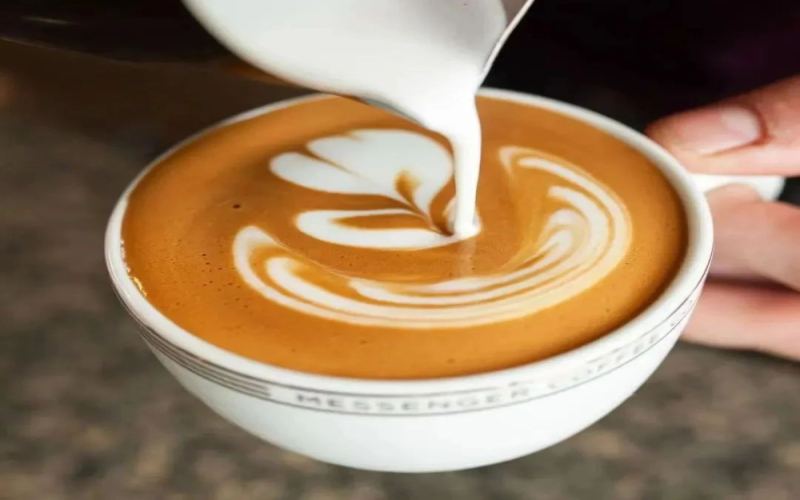
What's the difference between Australian White Coffee and Flat White? Starting with latte art, milk foam thickness, and the origin controversy
As a milk coffee, what exactly is the difference between a Flat White, a latte, and a cappuccino? Many coffee enthusiasts notice when visiting cafes that Flat Whites from different shops vary noticeably in cup size, foam thickness, and even whether latte art is present—differences that are closely tied to the drink's diverse definitions. This article starts from the phenomenon of latte art, sorts through the controversy between New Zealand and Australia over the Flat White's origin, analyzes how the drink's thin microfoam—its core characteristic—affects mouthfeel and the difficulty of pouring latte art, and explains the practical reasons why cafes choose not to pour latte art, helping readers understand the logic behind how this cup of coffee is made. [more…]
A Guide to Pairing Latte with Espresso Beans: Iced vs. Hot Preparation Differences, Extraction Parameters, and Milk-to-Coffee Ratios Explained
Latte is the espresso drink with the highest proportion of milk, available in both iced and hot versions; the two share the same recipe but differ in operational details. From the perspective of Front Street, this article traces the historical origins of latte, explains what roast level of espresso beans should be used to make latte, clarifies why lightly roasted single-origin beans are unsuitable for espresso machine extraction, and recommends several espresso blends such as Front Street. Strawberry Candy Espresso. It also details the extraction parameters for espresso, the frothing techniques and temperature control for hot latte milk foam, the ingredient ratios for iced latte, and Front Street's recommended coffee-to-milk ratio of 1:6.5. Whether you prefer iced or hot, you'll find actionable reference solutions here. [more…]
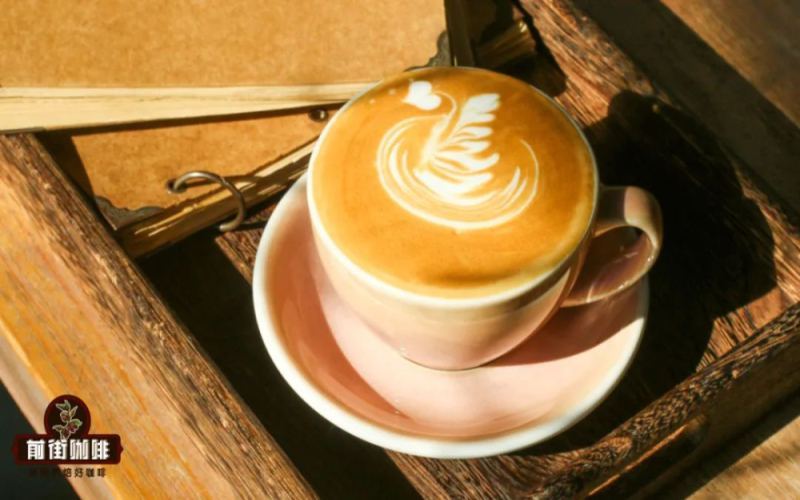
What Are the Different Types of Latte Art? An Analysis from Traditional Patterns to Etching Needles and 3D Latte Art Techniques
Latte art has long ceased to be as simple as heart-shaped patterns. Since David Hume accidentally created a heart on the surface of a milk coffee in the 1980s, latte art techniques have continuously evolved, and today have developed into multiple types such as traditional latte art, coffee etching, and 3D latte art. Traditional latte art uses a milk pitcher as its main tool, and can be further divided into basic patterns and advanced combined patterns; coffee etching relies on etching needles recognized by international competitions to draw finer or bolder lines; 3D latte art is more figuratively a kind of "sculpting" technique, requiring the stacking of thick milk foam and the use of spoons and etching needles for shaping, and also uses chocolate sauce, caramel sauce, and the like for outlining. This article, brought to you by Front Street Coffee, helps you understand the features and key production points of these latte art types. [more…]