








Latte and cappuccino are both classic representatives of Italian coffee, made from the same ingredients yet presenting completely different flavors and textures. Many friends who are just getting into coffee often can't tell the difference between them, and even order based on whether the latte art looks good or whether the name sounds fancy. This article will systematically sort out the core differences between these two milk coffees from the perspectives of taste, cup size, milk foam thickness, and latte art performance, and share Front Street Coffee's experience with serving ratios and espresso blend choices, to help you make your ideal latte or cappuccino at home.
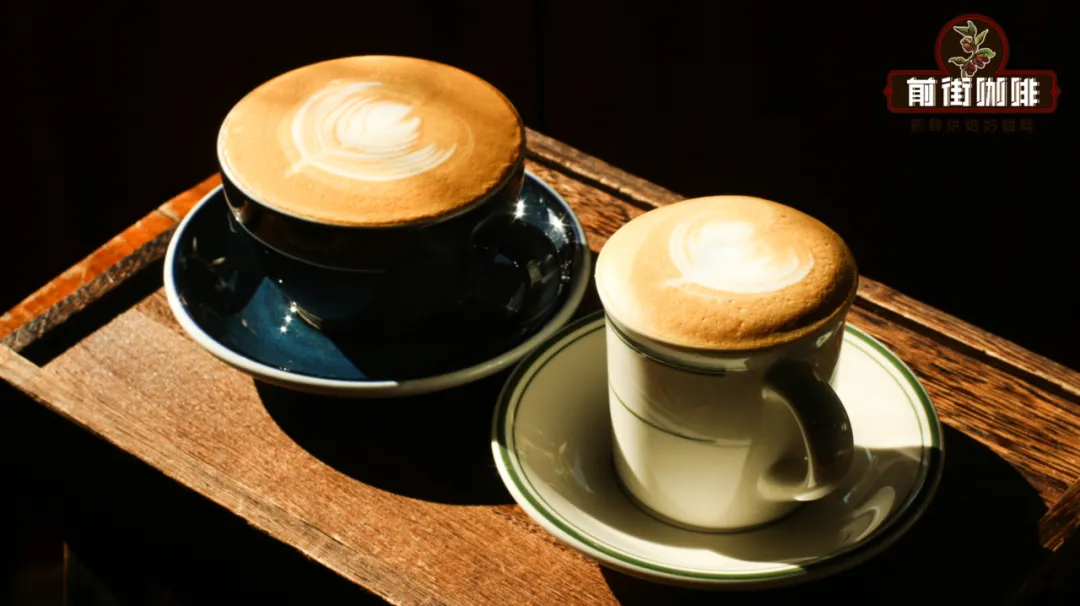
Latte and cappuccino can be called the two "veterans" of the coffee world—basically no café menu is complete without them. However, as Front Street Coffee often mentions, for friends who haven't yet delved deep into the world of coffee, figuring out exactly how these two differ is no easy task.
So when many beginners hesitate between these two coffees, they tend to adopt a more intuitive strategy—choosing by appearance. For example: if they've heard that lattes can produce beautiful patterns, they choose a latte; or if they feel the name cappuccino sounds more classy, then they'll have a cappuccino.
To be honest, Front Street Coffee did the same thing back in the day. But ordering this way often leads to an awkward result: the coffee that arrives is completely different from what you had in mind. So today, Front Street Coffee will re-examine with you exactly what makes these two classic milk coffees—latte and cappuccino—different.
Latte and Cappuccino
Latte is the transliteration of "Latte" and is currently the most widely enjoyed milk coffee. With the rise of latte art, latte sparked an unprecedented wave in the late twentieth century. Countless people were drawn in by the exquisite latte art patterns on the surface of the coffee, and after ordering one cup, they embarked on a path from which they could never be separated from coffee.
Although cappuccino's fan base isn't as large as latte's, it is equally a favorite of many coffee connoisseurs. The name cappuccino comes from the Catholic monk's robe "Capuchin," because the color of milk mixed with coffee closely resembles the color of the robe, and in addition, early cappuccinos had a small pointed peak on the surface shaped like the robe's hood, hence the name "Cappuccino."
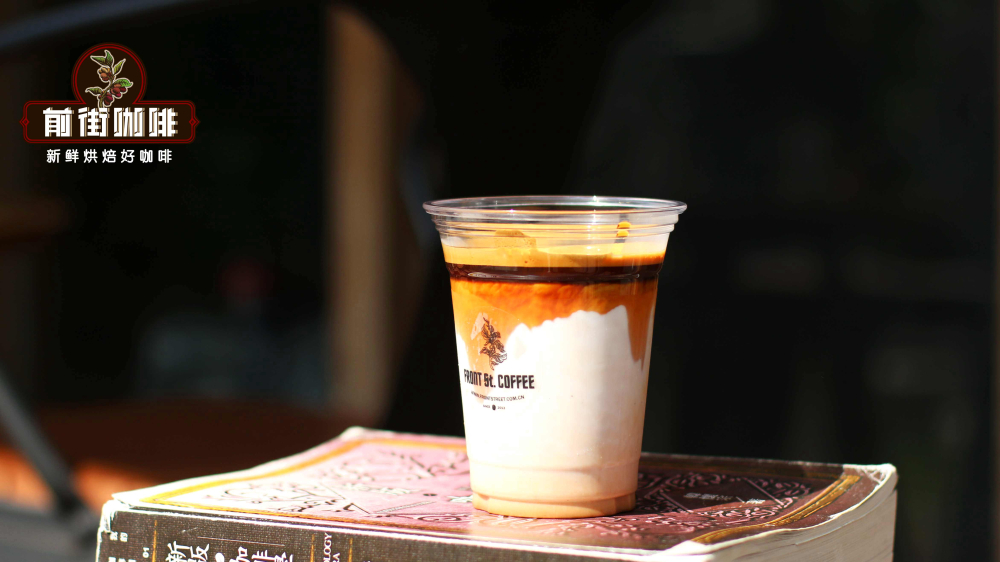
Latte and cappuccino are completely identical in their ingredient composition—all made from espresso, milk, and milk foam. However, despite using the same ingredients, their respective ratios differ greatly. It is precisely this difference in proportions that creates the completely different expressions of latte and cappuccino. Take taste, for example: latte leans sweet, cappuccino leans bitter—ultimately this is the result of more or less milk.
Differences in Taste
No matter which milk coffee it is, if you want to achieve a rich mouthfeel, it's recommended to use medium-dark roasted espresso blend beans. First, they can provide ample crema; second, they can add body, making the coffee fuller on the palate. To achieve this effect, Front Street Coffee recommends using Front Street Classic Blend. This bean is composed of three origins—Brazil, Indonesia, and Vietnam—offering both the caramel sweetness of American coffee and the wild character of Asian coffee. It maximizes the coffee's rich aroma while also making it easier for everyone to extract abundant, dense crema.
As mentioned earlier, latte's taste is sweeter compared to other milk coffees. The reason isn't complicated—it's simply because the proportion of milk in this cup is higher. Taking Front Street Coffee's serving standard as an example, latte's coffee-to-milk ratio is 1:5, meaning 40 ml of espresso paired with about 200 ml of milk.
The addition of a large amount of milk dilutes the coffee's bitterness, reducing the stimulating sensation brought by intense bitterness, and achieving a balance between milk and coffee. That's why people often say latte's taste suits men, women, young, and old alike—precisely because it isn't that bitter.
Cappuccino is just the opposite. It uses relatively less milk, with the goal of using a small amount of milk to enhance the overall texture and make the coffee's flavor more prominent. For Front Street Coffee's cappuccino, the coffee-to-milk ratio is 1:4, meaning 40 ml of espresso with 160 ml of milk—a full 40 ml less than a latte. This way, the milk's quantity isn't enough to counterbalance the coffee's flavor, and the coffee's own character takes the dominant position. When drinking it, the coffee flavor is more obvious—that is, it leans bitter.
Differences in Milk Foam
Besides cup size, there's another very notable difference between the two—the thickness of the milk foam. Cappuccino's milk foam is thicker than latte's and rises above the rim of the cup, with a thickness of about 2 to 3 centimeters; latte's milk foam, on the other hand, is kept within the range of 0.5 to 1 centimeter.
Milk foam affects coffee mainly in two ways. The first is mouthfeel. The thicker the milk foam in the cup, the more foam was created during steaming, and naturally you'll feel a denser texture when drinking. Cappuccino is a typical example—a gentle sip might not even reach the coffee below, allowing you to fully enjoy the fine, dense foam. The thinner the foam, the sooner you reach the coffee beneath it. So compared to thick foam, a latte with thin foam has slightly less density but a higher degree of smoothness.
The second effect shows in latte art. The intricate, highly difficult latte art patterns we usually see mostly come from lattes. Why? Because the thickness of the milk foam directly affects the overall flow.

The thinner the milk foam, the better the flow, and the easier it is for us to pour delicate lines and complete more complex patterns; the thicker the foam, the worse the flow. With foam as thick as cappuccino's, it's nearly impossible to draw fine lines by swaying, so in most cases, cappuccino can only make a simple large white heart—because it can't be pushed—or simply skip latte art altogether.
Overall, the core differences between latte and cappuccino lie in cup size and milk foam thickness. Latte has a larger cup size and more milk, so the flavors of milk and coffee reach a balance, and the taste leans sweet. At the same time, because the foam is thinner, it can produce all kinds of complex latte art patterns. Cappuccino, on the other hand, has a smaller cup and less milk, making the coffee flavor more prominent. Plus, the thick milk foam provides a denser drinking experience. To sum it up even more simply—latte sweet, cappuccino bitter! It's just that simple~
The above content is compiled by CoffeeHunters, a coffee news website.


