







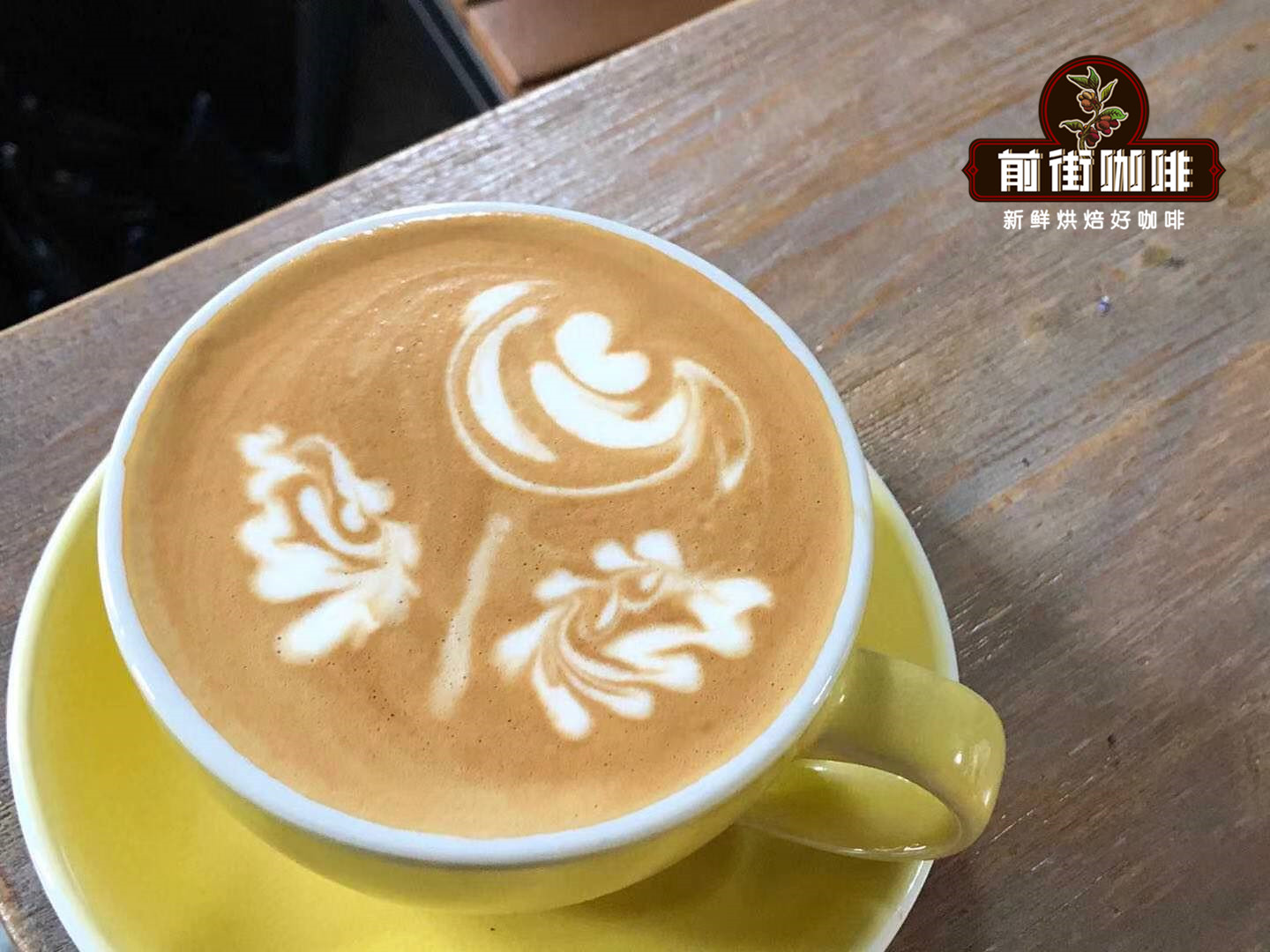
At Front Street, many friends order latte and mocha, two very popular coffees, and the baristas at FrontStreet Coffee love them too. But when it comes to the difference between them, many people probably don't know. Front Street tells you: actually, latte and mocha belong to different types of coffee. Latte has milk added, so the coffee flavor is relatively lighter, while mocha depends on whether it is pure or fancy. Pure mocha, a black coffee, has an elegant sweet-sour-bitterness and a strong mellow taste. American mocha is a fancy coffee with chocolate sauce and cream or milk foam added; combined with chocolate and milk, the taste is quite good.
Latte is a classic blend of Italian espresso and milk, and Italians also like to have latte as a breakfast drink. In an Italian morning kitchen, coffee and milk are usually simmering at the same time on a stove bathed in sunlight.
Latte is a classic blend of Italian espresso (Espresso) and milk, and Italians also like to have latte as a breakfast drink. In an Italian morning kitchen, coffee and milk are usually simmering at the same time on a stove bathed in sunlight. For Italians who drink latte, it is not so much that they like Italian espresso as that they like milk, and only Espresso can give ordinary milk an unforgettable flavor.
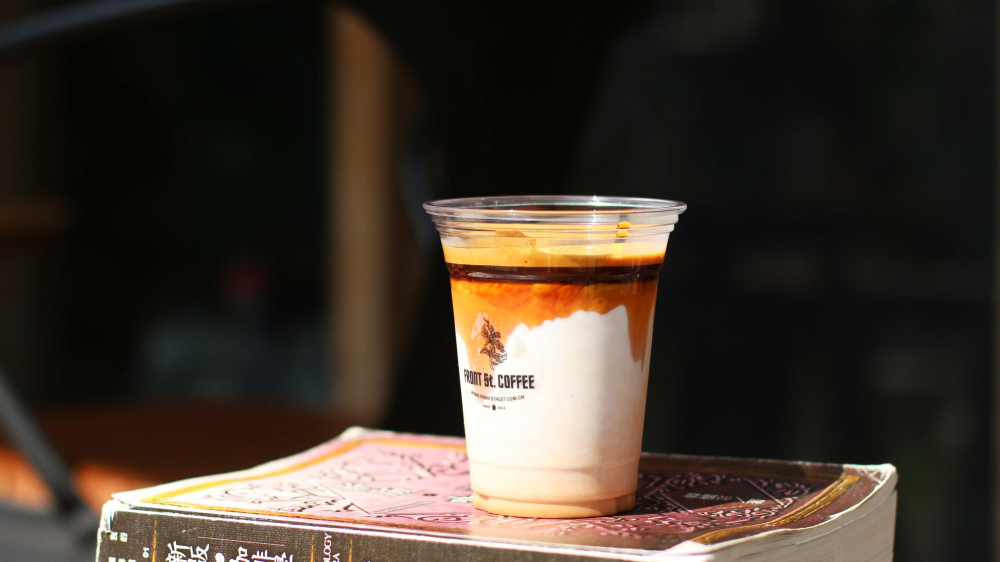
Mocha coffee (Mocca Cafe) is an ancient coffee made by mixing Italian espresso, chocolate sauce, fresh cream and milk.
In the 15th century, the export transport industry of coffee countries across the Middle East and Africa was not prosperous. Yemen's Mocha was a major export seaport near the Red Sea at the time. At that time, African coffee was mainly gathered at the port of Mocha before being exported, and it was all collectively called Mocha coffee. Although emerging ports later replaced the status of the port of Mocha, the producing areas of Mocha coffee from the Mocha port period have still been preserved, and the coffee beans produced in these areas are still called Mocha coffee beans.
Later, in order to recreate chocolate-flavored Mocha coffee, people thought of adding flavoring sauces and cream to it, and so it gradually became the mocha espresso we know today. As the international chain brand Starbucks brought espresso drinks to all parts of the world, milk coffee with chocolate-flavored sauce became known to more people.
Differences in taste between latte and cappuccino
11. Different latte art
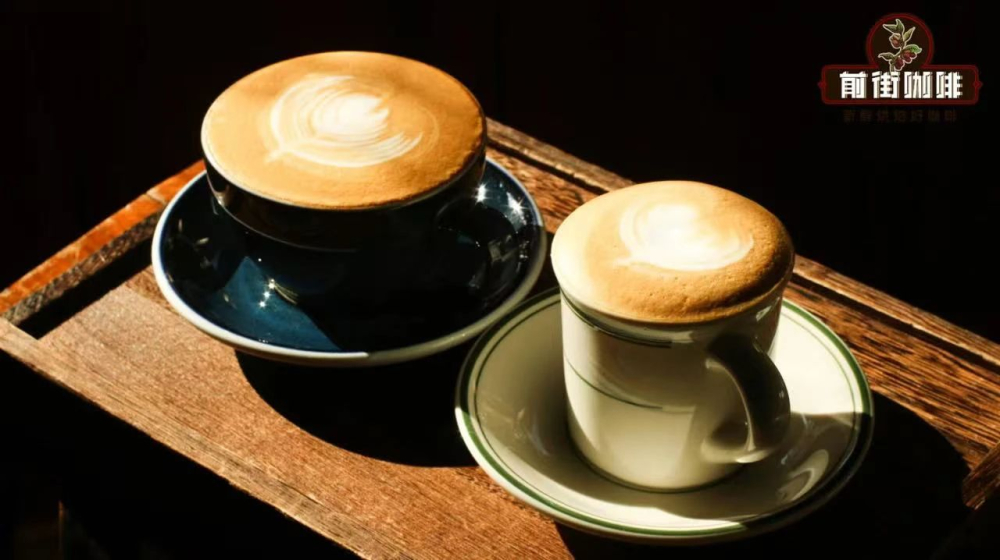
The most intuitive way to distinguish the two is to look at the latte art. Although both latte and cappuccino use the same method of steaming milk into foam when making them, the milk foam required for latte is thinner than that for cappuccino. It is precisely this thin layer of milk foam that gives the coffee good fluidity, enabling latte to create latte art patterns with exquisite shapes and delicate lines.
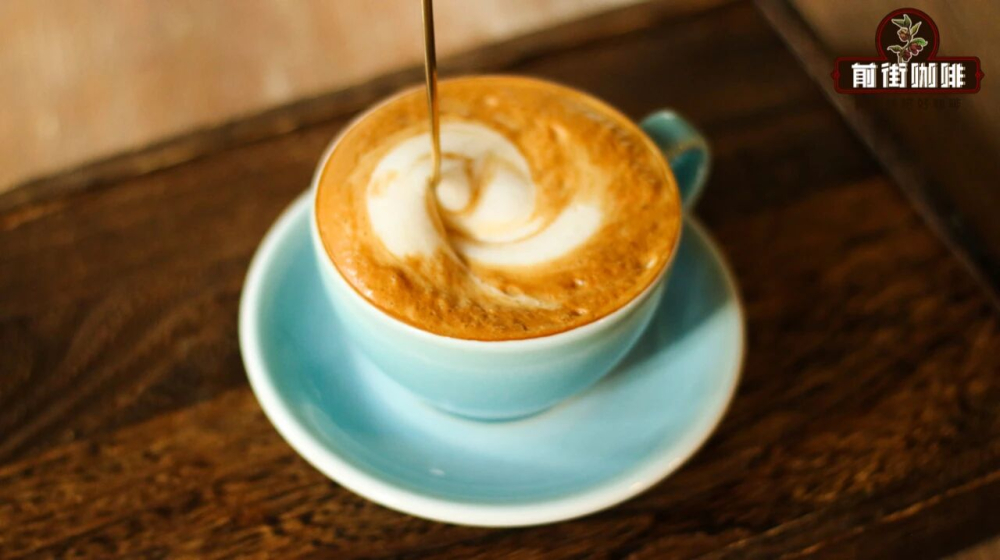
Cappuccino, however, because of its thick milk foam, cannot create latte art patterns with delicate lines, so it is generally etched or made without latte art. This is also why latte art is also called "latte art."
22. Quite different in taste
In order to find out the difference between the two, we made a cup of latte and a cup of cappuccino separately, using Front Street specialty blended coffee beans. This is a coffee bean made from a combination of two famous producing regions, Brazil and Colombia, and it uses a medium-dark roast. The espresso has the aroma of cocoa, chocolate, cookies and cream, and can be said to be an excellent match for milk.
Although the raw materials are the same, different proportions create the difference in taste between the two. Generally speaking, latte is 70% milk, 20% milk foam and only 10% coffee. A much higher proportion of milk than coffee is a major characteristic of latte. Therefore, when tasting it, latte has a rich milky aroma, a smooth mouthfeel, and a relatively light coffee bitterness.

In cappuccino, the proportions of milk, milk foam and coffee are each one-third. Having the same proportion of milk and coffee is the biggest characteristic of cappuccino. Because the proportions of milk and milk foam are small and cannot cover up the coffee aroma, when tasting it, cappuccino has a rich coffee aroma and a thicker, denser mouthfeel, just like marshmallow. Therefore, if you are not used to strong coffee, you should choose latte; if you like coffee with a slightly stronger taste, cappuccino will be your favorite.
33. Different origins
Latte (Latte) means milk in Italian. The earliest latte was made by directly adding hot milk to brewed coffee. It was not until the Italian Achille Gaggia invented the steam pressure coffee machine that Italian latte became popular and has remained so ever since. Cappuccino appeared along with the steam pressure coffee machine, so its origin is later than that of latte. The name cappuccino, however, comes from the brown robes and pointed hats worn by church monks.
The above content is compiled by CoffeeHunters, a coffee news website.


