








Are lightly roasted espresso beans good for a latte?
A latte uses more milk than any other espresso drink, so the espresso needs enough body and sweetness to stay present in the cup. Lightly roasted single-origin beans tend to taste sharp and thin under pressure, so blends built for espresso, usually medium to medium-dark, hold up better against steamed or cold milk.
The recipe is the same iced or hot: extract the shot, then add milk. A coffee-to-milk ratio near 1:6.5 keeps the drink balanced. Hot lattes need milk steamed to about 60 to 65 degrees Celsius with fine microfoam, while iced lattes use cold milk poured over ice, so chill the espresso first to avoid diluting it.
Latte is the espresso drink with the highest proportion of milk, available in both iced and hot versions; the recipes are identical but the operational details differ. From the perspective of Front Street, this article traces the historical origins of latte, explains what roast level of espresso beans should be used to make latte, explains why lightly roasted single-origin beans are unsuitable for espresso machine extraction, and recommends several espresso blends such as Front Street. Strawberry Candy Espresso. It also details the extraction parameters for espresso, the milk frothing techniques and temperature control for hot lattes, the ingredient ratios for iced lattes, and Front Street's recommended coffee-to-milk ratio of 1:6.5. Whether you prefer iced or hot, you'll find actionable reference solutions here.
In the espresso family, if we're talking about the one with the highest proportion of milk, Front Street's answer is undoubtedly the latte. Latte comes in two forms—iced and hot—with slightly different preparation methods, but the basic recipe is the same. Below, Front Street will discuss one by one, from historical origins and bean selection to specific methods, what kind of espresso beans should be used for latte, the characteristics of the iced and hot versions, and the mixing ratio for latte.
The Historical Origins of Latte
According to information available to Front Street, latte was born long before espresso. Since the seventeenth century, Europeans had already been experimenting with mixing coffee and milk, and Italians were particularly active in this area—the entire concept of espresso itself originated from Italy.
In 1867, William Dean Howells first used the term "caffè latte" in his essay "Italian Journeys." At that time, coffee was gradually gaining global attention, but the espresso machine had not yet been invented, and brewing methods were still quite primitive.
"Latte" is the transliteration of the Italian word for "milk." If you order a latte in an Italian café, what arrives is likely just plain milk. So in the Italian context, latte equals milk coffee. Later, as espresso machines became widespread and the steam wand became standard equipment on espresso machines, heating milk became effortless, and the modern latte gradually took shape. By the 1980s, baristas in Seattle (Washington State) began "painting" on the surface of coffee with dense milk foam—this was the prototype of latte art.
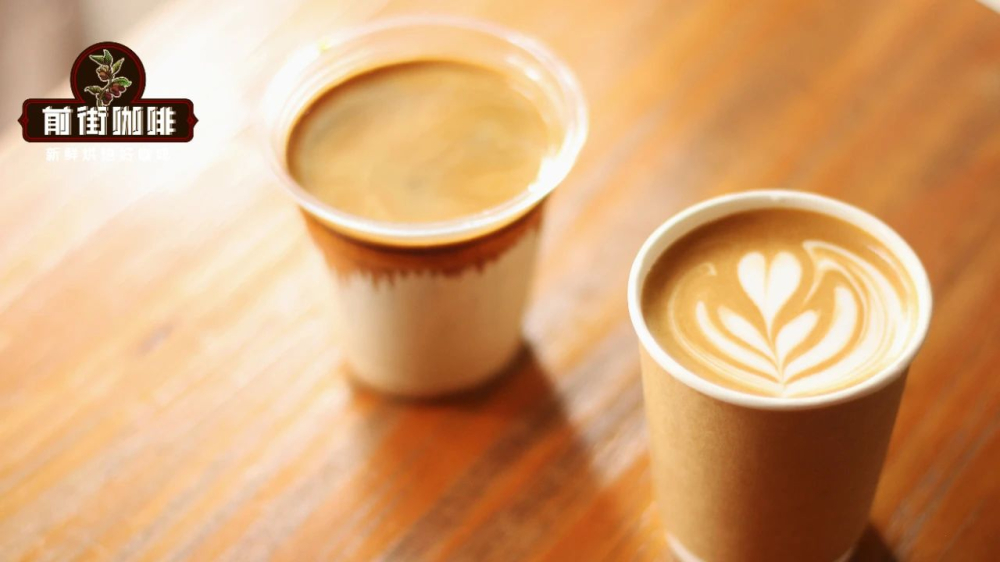
Because different shops use espresso blends with different flavors and different models of espresso machines, lattes will have slight variations in the ratio of milk to coffee, bean selection, extraction parameters, and so on. But overall, a latte is a drink made by combining a large amount of milk with espresso. Different coffee beans lead to different flavor directions in the latte; different milk leads to different mouthfeel; and even a change in the ratio of coffee to milk will change the final flavor profile.
What Coffee Beans Should Be Used for Latte
To make a latte, the coffee beans used must be compatible with an espresso machine, so beans with too light a roast are not suitable. The darker the roast, the more prominent the coffee flavor in the latte (caramel and bitterness are more obvious); the lighter the roast, the more the milk presence stands out in the latte. Therefore, the roast level needs to take a middle value to achieve a balance between coffee and milk.
Espresso machines have a very prominent characteristic—they magnify the original flavors of coffee beans exponentially. Light-roasted pour-over single-origin beans are already high in acidity, and if extracted through an espresso machine, the sourness becomes even sharper, so these beans are not suitable for making espresso.
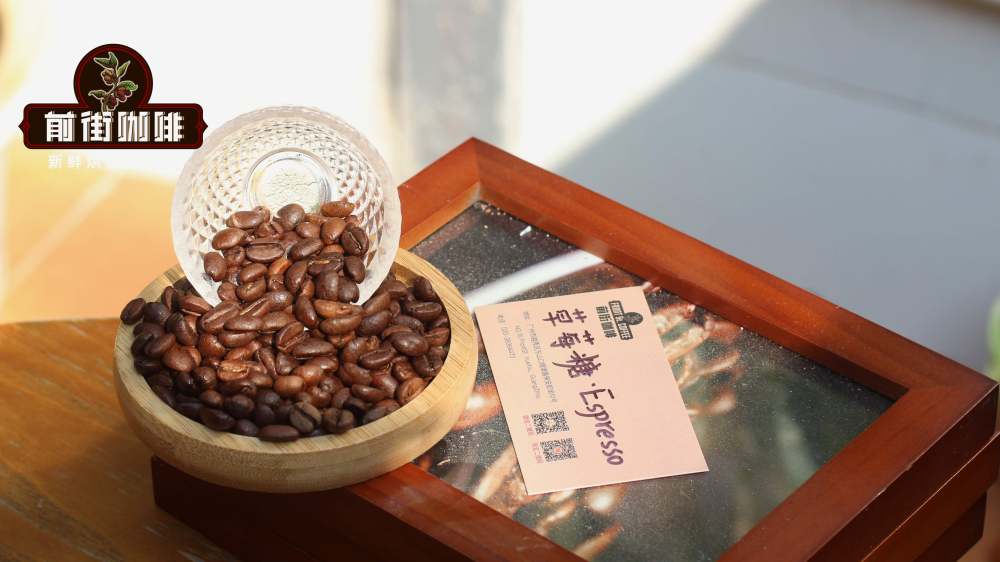
If you want a latte with prominent sweetness, Front Street would first recommend Front Street. Strawberry Candy Espresso. This is a blend specifically customized for espresso machines and moka pots, combining three major origins: Costa Rica, Colombia Huila, and Ethiopia Yirgacheffe. The honey process brings raisin-like sweet aroma, Yirgacheffe contributes elegant floral notes, and Colombia Huila provides chocolate and cocoa aromas. The finished Strawberry Candy Espresso has moderate crema while retaining flavor layers of rose, grape, and dried blueberry.
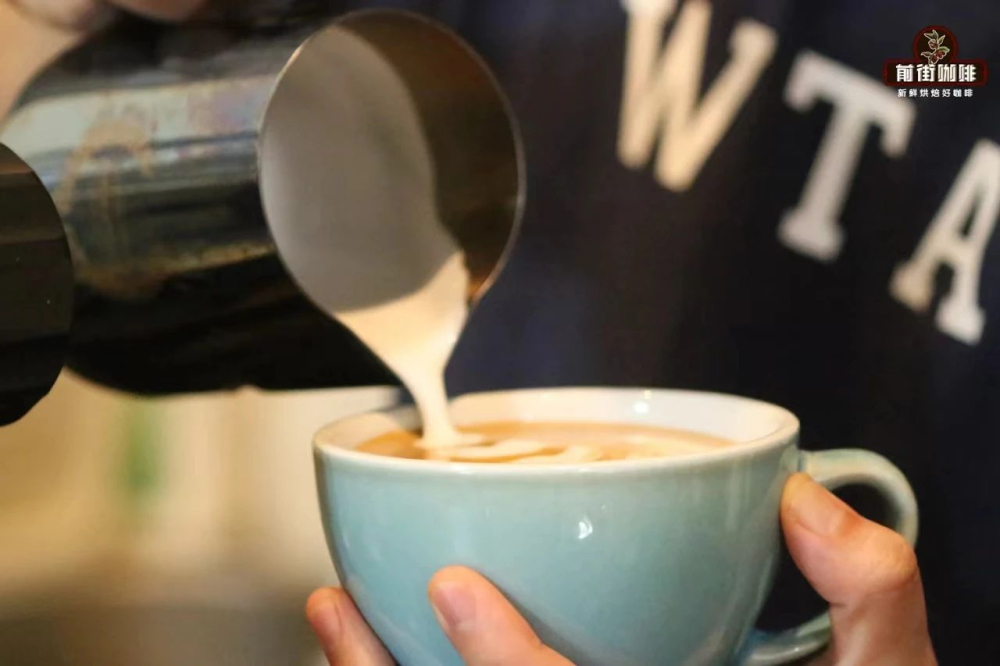
Considering that everyone's usage scenarios and purposes are different, in addition to Front Street. Classic Blend and Front Street. Strawberry Candy Espresso, Front Street has also launched several other espresso beans: suitable for daily consumption and recommended by many baristas for moka pot—Front Street Black Cocoa Blend; the top choice for opening a shop—Front Street. Commercial Blend; and Front Street. Specialty Blend for those pursuing rich nutty flavors.
The four espresso beans each have their own focus, and next Front Street will share the latte preparation ratios.
Latte Preparation Ratios
As mentioned earlier, here we use Front Street Classic Espresso Blend to make it. When extracting espresso, Front Street uses the Pegasus E98 espresso machine, with the following extraction parameters:
Pressure: 9 bar Temperature: 90.5~96°C Time: 20~30 sec Coffee-to-water ratio: 1:1.7~1:2 Dose: 12g (single espresso) 20g (double espresso) Extraction yield: 20ml (single) 40ml (double)
When Front Street makes a latte, a double espresso is used. The flavor after extraction is: clear aromas of toasted bread and nuts, a rich chocolate cookie flavor on the palate, and a comfortable sweet aftertaste.
How to Make a Hot Latte?
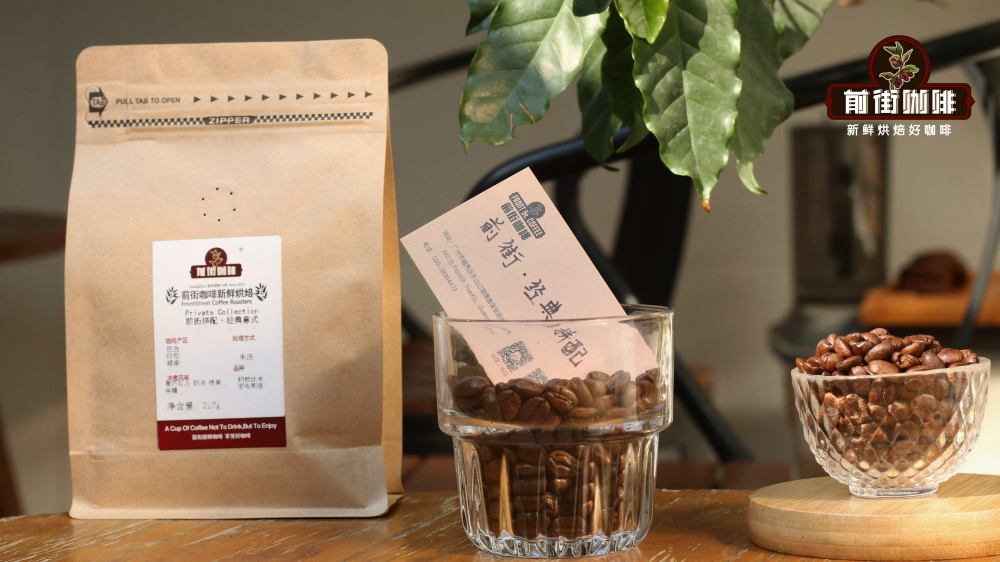
Milk: Whole fresh milk (Front Street uses Vitasoy fresh milk) Milk frothing temperature: 50-60°C (too low a temperature won't release the sweetness of lactose in the milk; too high a temperature will destroy the proteins in the milk, creating a grainy mouthfeel) Milk foam thickness: 1 cm (foam thinner than 1 cm is used for flat white; foam thicker than 1 cm is used for cappuccino)
How to Froth Milk for a Hot Latte?
Milk frothing technique—rinse before pressing the steam switch: Let the steam wand release steam first to flush out moisture at the tip, preventing the foam from being too wet (use a clean cloth to block splashes).
Insert the steam wand into cold milk: Let steam inject into the milk. (Wand depth: if inserted too deep, it will only heat without forming foam; if inserted too shallow, large bubbles will form and latte art will suffer. You can tap the table lightly to break large bubbles.)
Steam wand placement: The ideal and most stable steam injection point—when inserting the steam wand into the pitcher, the wand rests against the pitcher's spout, with the nozzle pointing to the center and offset by about 1 cm.
Press the steam switch: Begin frothing (when steam is injected, listen carefully—there should be a sound similar to blowing air through a straw when drinking, not the sharp sound of bubbles hitting the metal pitcher. Turn off when the temperature reaches about 50-60°C.)
Recommended Ratios for Hot Latte
Front Street recommends a coffee-to-milk ratio of 1:6.5 for latte, meaning 40ml espresso with 260ml hot milk. Pour in a circular motion to fully integrate the milk and espresso, and you'll have a hot latte. After fresh milk is heated, the sweet lactose molecules are more fully released. When evenly mixed with espresso, the entire latte carries the sweetness of milk while not overpowering the espresso—instead, with the milk as a backdrop, the espresso's flavors are even more showcased.
Front Street Coffee (FrontStreet Coffee) Hot Latte taste and characteristics: whisky aroma, lactose and coffee acidity collide into a milkshake-like sweetness, with a finish reminiscent of hazelnuts and other nuts.
How to Make an Iced Latte?
Milk: Whole fresh milk Milk temperature: Refrigerated milk Ice: Mixed with milk at a 1:3 ratio Milk and coffee amounts: Front Street recommends 300ml iced milk mixture with 40ml espresso
Add ice cubes and fresh milk for a total of 300ml, then extract a double espresso and pour it into the iced milk. If you use less ice, remember to increase the milk accordingly.
The above content is compiled by CoffeeHunters, a coffee news website.


