







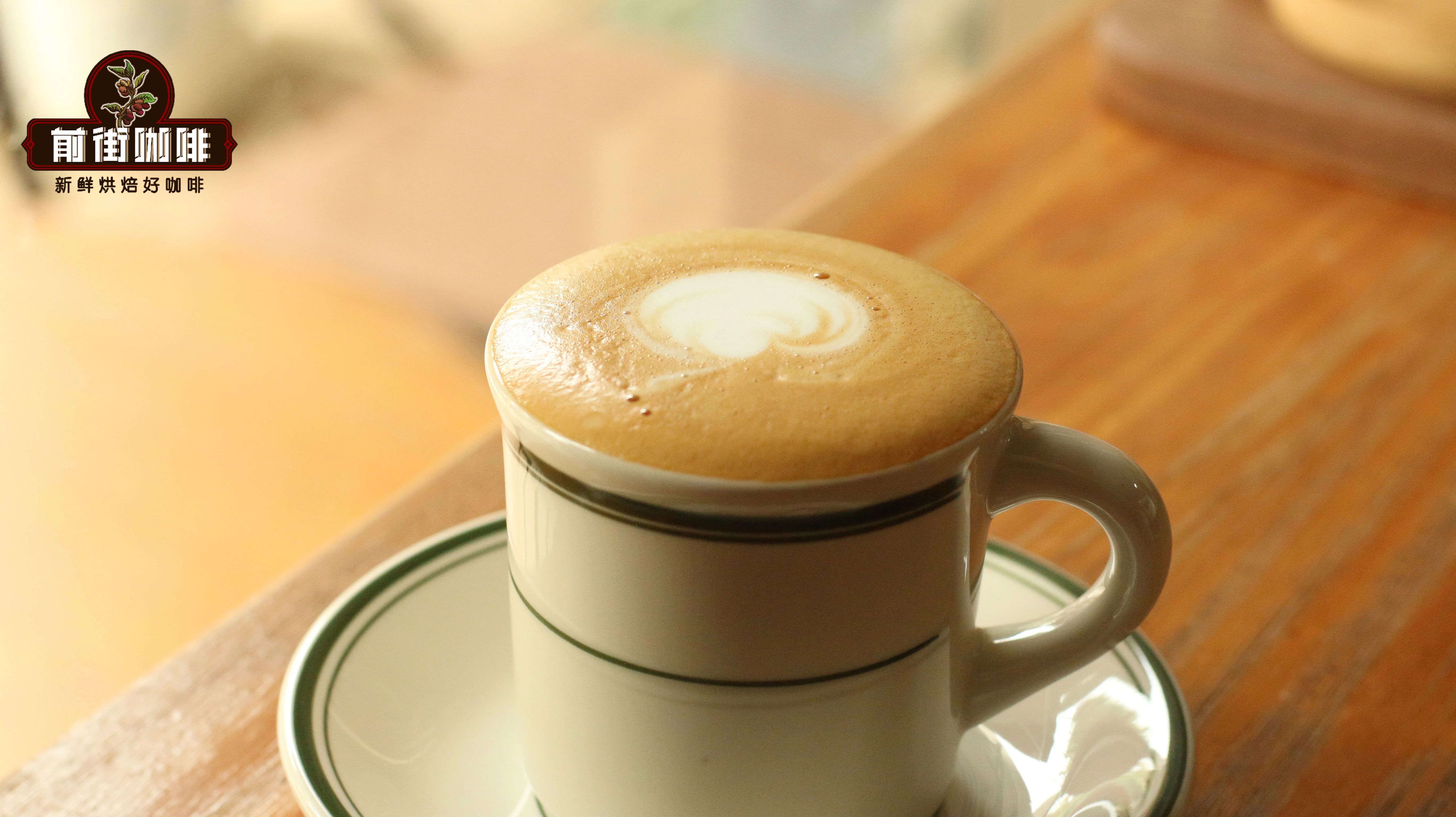
Latte and cappuccino are the two most common espresso milk drinks. Both are made from espresso, milk, and milk foam, but they differ noticeably in ratio, foam thickness, and mouthfeel. How much espresso actually goes into a latte? Roughly how much caffeine does it contain? And how should the coffee-to-milk ratio be controlled during preparation? This article addresses these questions, while also explaining how to choose espresso beans, extraction parameters, and the key temperature points for steaming milk. It also introduces several Front Street Coffee espresso blends suitable for making lattes, helping coffee lovers craft a full-flavored milk coffee at home.
Espresso drinks come in a remarkably rich variety, and among them latte and cappuccino are often compared. Where exactly do their tastes and flavor profiles differ? And how much caffeine does a latte contain? Below, Front Street Coffee (FrontStreet Coffee) will address these questions one by one.
What exactly is cappuccino?
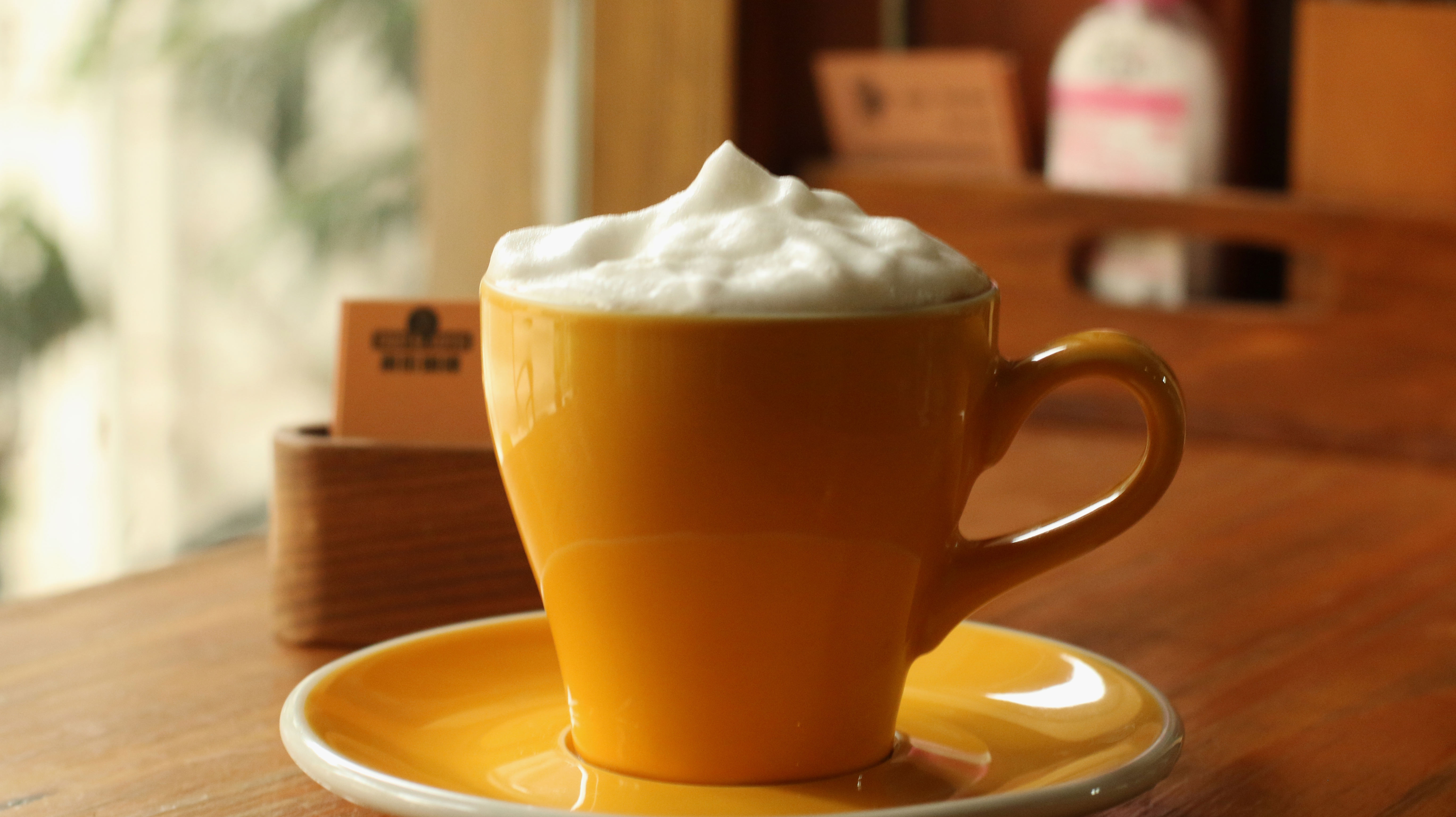
Cappuccino is a classic espresso drink. Like latte, its basic components are milk foam, milk, and espresso. It can be further divided into dry cappuccino and wet cappuccino: dry cappuccino has a higher proportion of milk foam and feels heavier on the palate, while wet cappuccino has relatively less foam and a more pronounced milky aroma. However, the total amount of foam in both is still substantial. Currently, the dry cappuccino method is more commonly seen in domestic cafés—thick foam paired with a moderate amount of milk creates a dense, velvety texture that fascinates many coffee lovers.
What is latte coffee then?
Latte is a transliteration of the Italian word "Latte," which literally means milk. So if you order a latte in an Italian café, what you get might very well just be a glass of milk. In other words, in the Italian context, latte coffee is equivalent to milk coffee. With the spread of espresso machines, steam wands became standard equipment on espresso machines, making it easy to heat milk, and the modern latte gradually took shape. By the 1980s, baristas in Seattle, Washington, USA began "coloring" the surface of espresso with finely textured milk, which is considered the earliest form of latte art.
Generally speaking, a latte is a drink made by combining a large amount of milk with espresso. Lattes made with different coffee beans have different flavors, lattes made with different milks also differ, and even a change in the coffee-to-milk ratio will alter the resulting flavor.
So what coffee beans should be chosen for espresso?
Espresso extracted from different coffee beans performs differently when milk is added. There are countless espresso blends on the market, composed of beans from different origins in different proportions, so the taste of the milk coffee varies greatly.
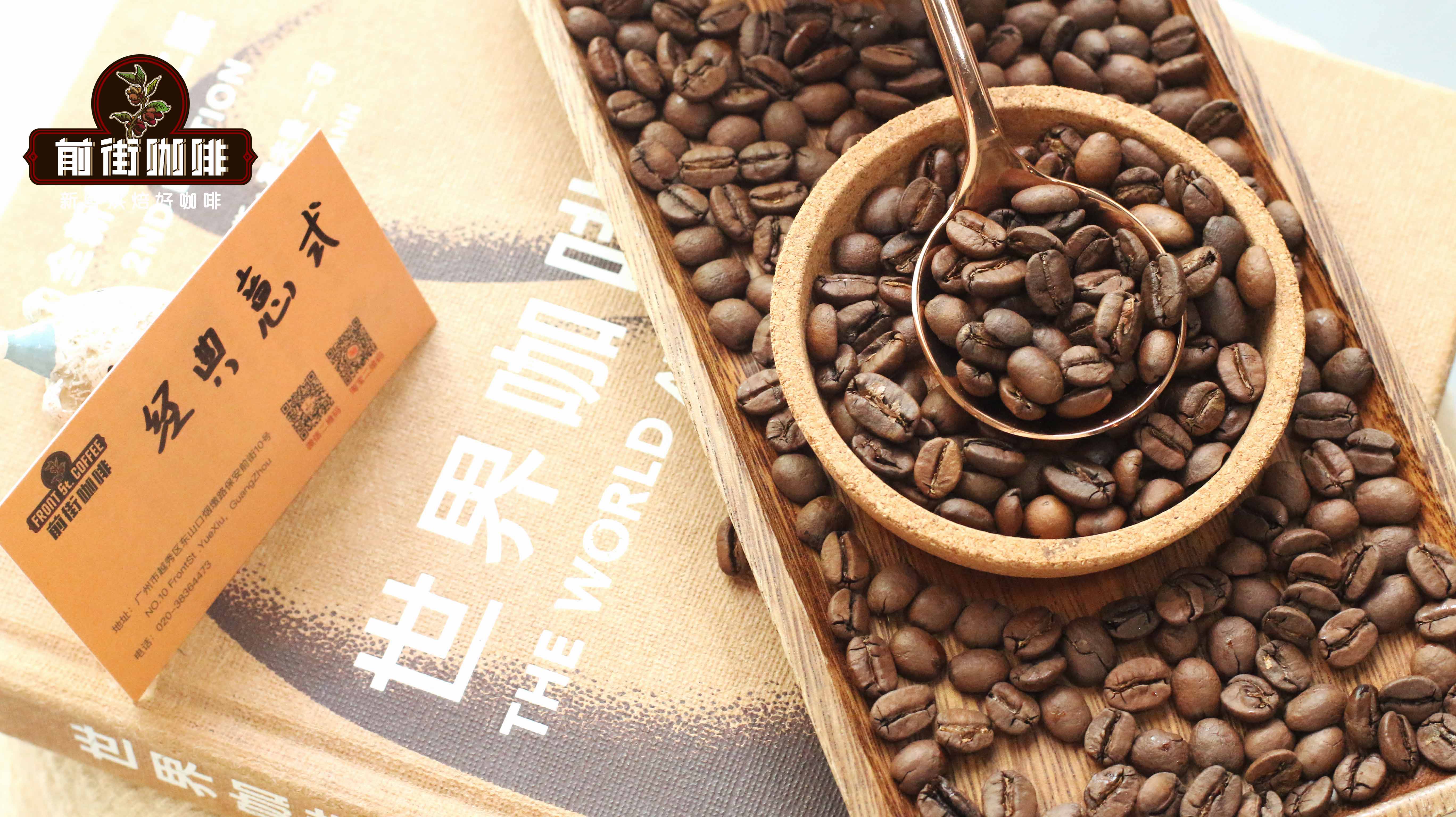
If you prefer a rich, full-bodied aroma, it is recommended to choose freshly medium-dark roasted or dark roasted blend coffee beans.
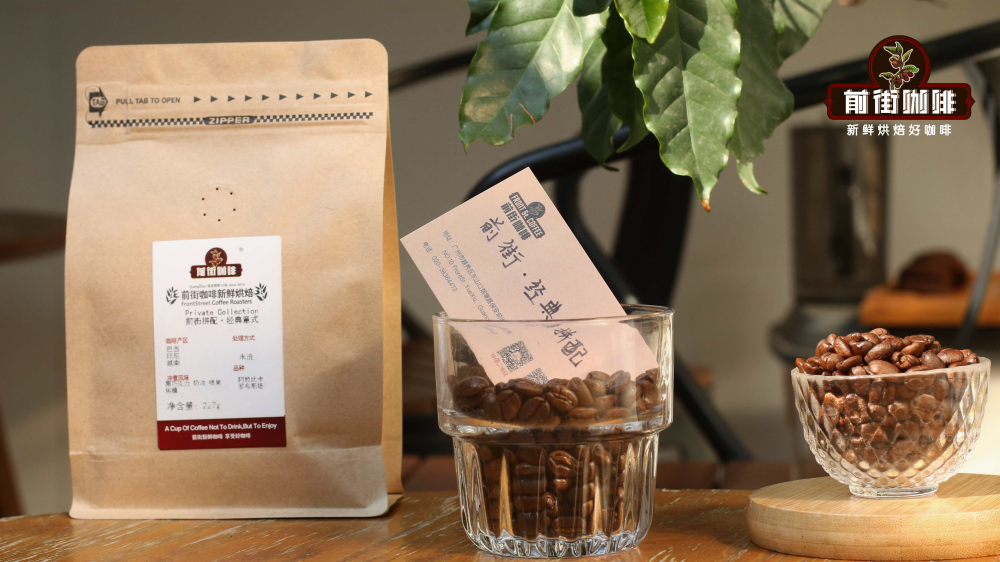
A rich, full-flavored latte depends on a bag of freshly roasted coffee beans. Baristas generally agree that within 45 days after roasting is the optimal flavor period, and when buying espresso beans it is best if they are no more than 10 days old, so as to enjoy a longer flavor experience. Front Street coffee beans are all freshly roasted within 5 days, and can be purchased from the Front Street Taobao store or the Front Street Tmall flagship store , with 24-hour shipping, affordable prices, high quality, and guaranteed freshness—worthy of being the go-to daily staple for every household user.
For espresso specifically for lattes, Front Street Coffee has several blends worth trying. Here are three best-selling products most worth buying:
1. Front Street Classic Blend Espresso Coffee: caramel, butter, dark chocolate, hazelnut cookie
This recipe is a combination of three origins—Brazil, Indonesia, and Vietnam—and uses a dark roast, which maximizes the coffee's rich aroma and also makes it easy to extract abundant, dense crema. It is very suitable for both Americano diluted with water and latte paired with milk, and can be purchased from the Front Street Taobao store or the Front Street Tmall flagship store.
2. Front Street Strawberry Candy Espresso Blend Coffee: raisin, berry, floral, cream, almond
This Front Street Strawberry Candy can be said to differ from traditional dark roast blends. It brings together single-origin coffees from three major regions—Costa Rica, Ethiopia, and Colombia. Its flavor carries delicate rose, grape, dried fruit, and almond aromas, with a smooth creamy body. The Americano is bright and refreshing with a sweet-tart taste, suitable for friends who dislike bitter coffee.
3. The espresso beans recommended by many baristas—Front Street Black Cocoa Blend Espresso: almond, chocolate, caramel, citrus
To highlight a balanced taste, these espresso beans recommended by many baristas—Front Street Black Cocoa Blend—use a combination of Yunnan small-bean and Brazilian Red Bourbon. A latte made with it has soft fruit acidity, caramel sweetness, and nutty, dark chocolate flavors, smooth and syrupy, an affordable daily staple bean.
So how are latte and cappuccino made?
Because every coffee shop uses a different recipe ratio, it is quite normal to order the same espresso drink at different cafés and taste somewhat different flavors. But as long as the espresso is extracted from high-quality espresso beans, the flavor of this espresso drink will certainly be excellent.
Cappuccino recipe ratio
The composition of a traditional cappuccino is one-third each of espresso, milk, and milk foam, and it is divided into dry and wet types. Dry cappuccino has more foam, while wet cappuccino has relatively less. The cappuccino to be made below belongs to the dry cappuccino category.
The espresso used for latte and cappuccino has the same extraction parameters, as follows:
Front Street uses a Lelit V3 espresso machine.
Pressure: 9 bar Temperature: 90.5–96°C Time: 20–30 seconds Coffee-to-water ratio: 1:1.7–1:2 Dose: 20g (double espresso) Extracted espresso yield: 40ml (double) Front Street uses a double espresso when making latte. The flavor performance of the extracted coffee beans is: obvious roasted nuts, lingering caramel aroma, rich dark chocolate flavor, and a comfortable sweet aftertaste.
In addition, latte and cappuccino are the same in milk selection and steaming temperature; the only differences are the finished cup volume and foam thickness.
Milk: whole fresh milk (Front Street uses Vitasoy fresh milk) Milk steaming temperature: 50–60°C (too low a temperature cannot bring out the lactose in the milk, while too high a temperature destroys the protein in the milk, resulting in a gritty texture) Foam thickness: 1 cm (foam thinner than 1 cm is for making flat white; foam thicker than 1 cm is for making cappuccino).
Cappuccino recipe ratio recommendations
Cappuccino is usually made only as a hot drink, because once made as an iced drink, it quickly dissolves into a latte,
Front Street recommends a coffee-to-milk ratio of 1:3.5 for making latte, i.e., 40ml espresso : 140ml hot milk. By swirling in a circular motion to fully integrate the milk and espresso, you get a hot cappuccino. Finally, gently pour a simple pattern, and the cappuccino is done.
The flavor performance of Front Street Coffee (FrontStreet Coffee) cappuccino is: a fairly pronounced creamy chocolate flavor, paired with milk and dense milk foam, showing a very full body, a rich and lasting dark cocoa flavor, accompanied by caramel notes.
Hot latte recipe ratio recommendations
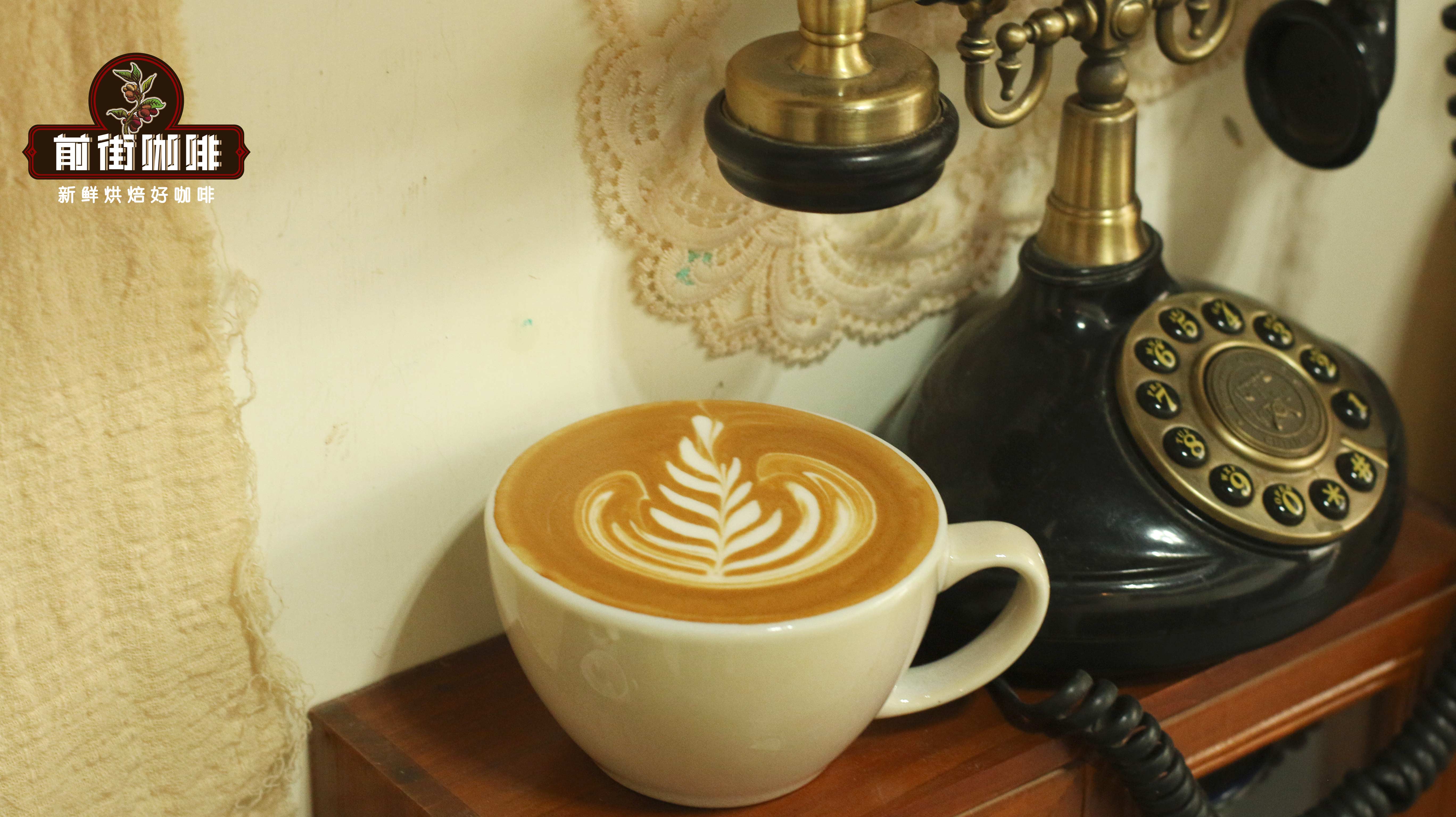
Front Street recommends a coffee-to-milk ratio of 1:6.5 for making latte, i.e., 40ml espresso : 260ml hot milk. By swirling in a circular motion to fully integrate the milk and espresso, you get a hot latte. Heating fresh milk releases the sweet-tasting lactose molecules more fully. After mixing evenly with the espresso, the whole latte naturally carries the sweet taste of milk, yet does not overpower the espresso; instead, against the backdrop of milk, the espresso's flavor stands out even more.
The flavor performance of Front Street Coffee (FrontStreet Coffee) hot latte is: butter aroma , with lactose and the coffee's bittersweetness colliding into a milkshake-like sweetness, and a finish of hazelnut, almond, and other nutty notes.
So how much caffeine does a latte actually contain?
According to research data, most adults can consume 400 milligrams of caffeine a day, and each coffee variety has a different caffeine content. For example, most of the coffee beans at Front Street are Arabica varieties, whose caffeine content is only 0.9–1.2%, posing minimal harm to the human body.
The above is what Front Street Coffee (FrontStreet Coffee) has compiled regarding how much caffeine a latte contains and the taste and flavor characteristics of cappuccino versus latte. In addition, from the above you can also learn whether espresso can be used for latte art—of course it can. As long as the milk has been steamed, it will have dense milk foam, which can naturally blend with espresso into a rich milk coffee. At the same time, Front Street Coffee (FrontStreet Coffee) also hopes this article can help coffee lovers who want to learn related knowledge, so that in the future they can choose an espresso milk drink that suits their own taste.
The above content is compiled by CoffeeHunters, a coffee news website.


