







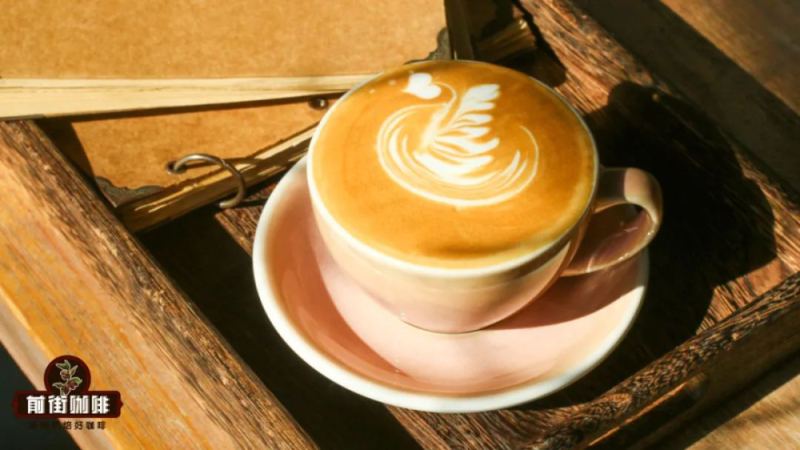
How to Make Froth for Coffee Across Traditional, Etched and 3D Art
Steamed milk is the base of every latte art style. Traditional patterns such as hearts, leaves, tulips and roses are poured from a milk pitcher, coffee etching uses a needle to draw finer lines into the foam, and 3D latte art stacks thick foam and shapes it with a spoon and needle, sometimes outlined with chocolate or caramel sauce.
Texture decides which style is possible. Thin, glossy microfoam pours freely for traditional patterns, while stiffer foam holds the volume that 3D sculpting needs. Knowing how long to froth milk for latte work matters, since over-aerated foam turns stiff and lumpy, and etched designs need a settled, even surface to draw on.
Coffee latte art is no longer just about heart patterns. Since David Schomer accidentally created a heart on the surface of a milk coffee in the 1980s, latte art techniques have continued to evolve, and today there are many types, including traditional latte art, coffee etching, and 3D latte art. Traditional latte art uses a milk pitcher as the main tool and can be divided into basic patterns and advanced combination patterns; coffee etching uses an etching needle recognized by international competitions to draw finer or bolder lines; 3D latte art is more literally a "sculpting" technique that requires stacking thick milk foam and shaping it with a spoon and etching needle, and also uses chocolate sauce, caramel sauce, and other syrups for outlining. This article by Front Street introduces the features and key production points of these latte art types.
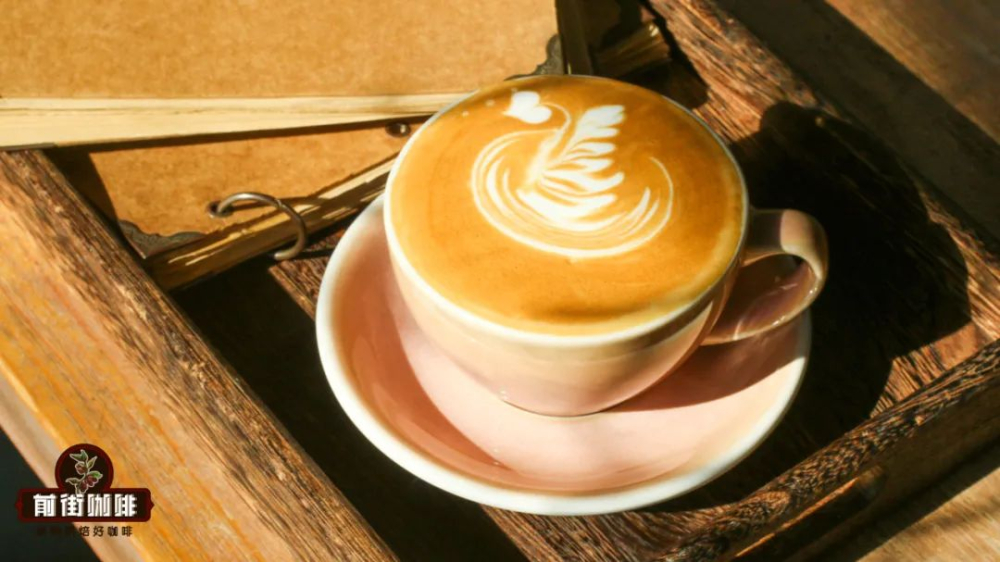
Different types of latte art each have their own distinctive features. Today, Front Street will sort out exactly what "types" coffee latte art includes. But before we officially begin, let us first review the origin story of latte art as usual.
Coffee Latte Art
In 1980, Seattle barista David Schomer accidentally created a heart pattern on the surface while making a milk coffee. The strong contrast between the white milk foam and the brown coffee liquid made this heart especially eye-catching, and it was therefore very popular with customers. As a result, the milk coffee sold by David Schomer gained a unique visual presentation, and its sales rose sharply.
This practice attracted more and more baristas to imitate and learn from it, and coffee latte art quickly became popular in cafes everywhere.
As more and more people took part, latte art patterns were no longer limited to hearts, and various fancy patterns such as leaves, tulips, and roses were created one after another. Not only the patterns, but also the methods of making latte art became increasingly diverse, as people began using other tools to draw latte art, giving patterns even more possibilities.
So next, Front Street will introduce the main types of latte art today.
I. Traditional Latte Art
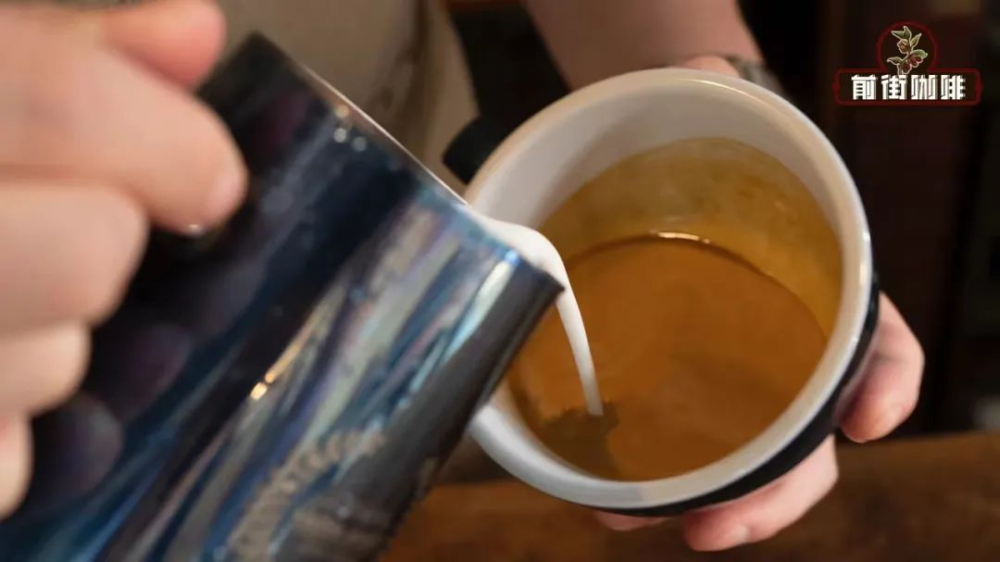
The "traditional latte art" referred to here by Front Street means latte art patterns made mainly with a milk pitcher as the drawing tool. Of course, tools such as an etching needle can also be used as aids, but most patterns are still mainly drawn with the milk pitcher.
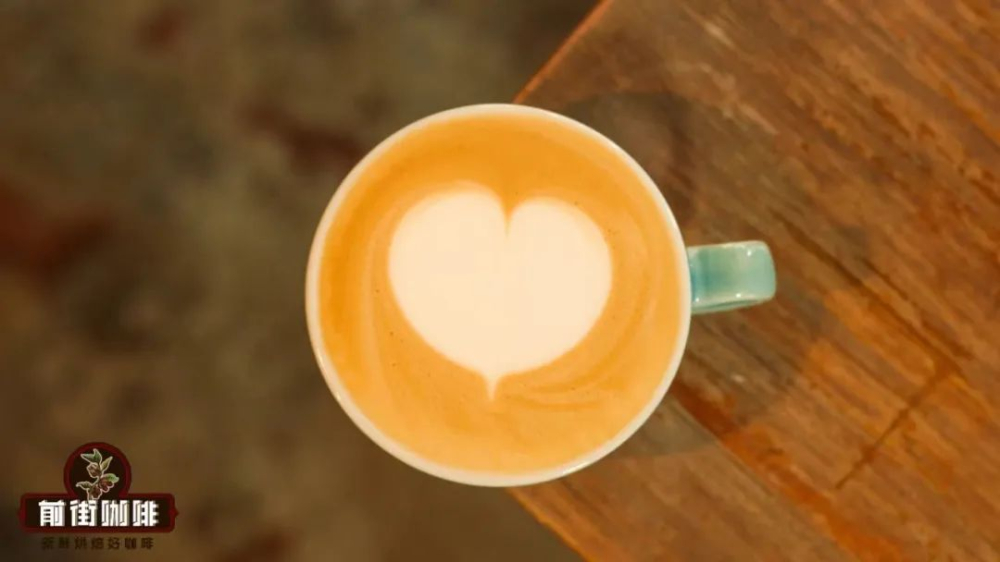
Traditional latte art can be divided into two categories according to difficulty: basic and combination (advanced).
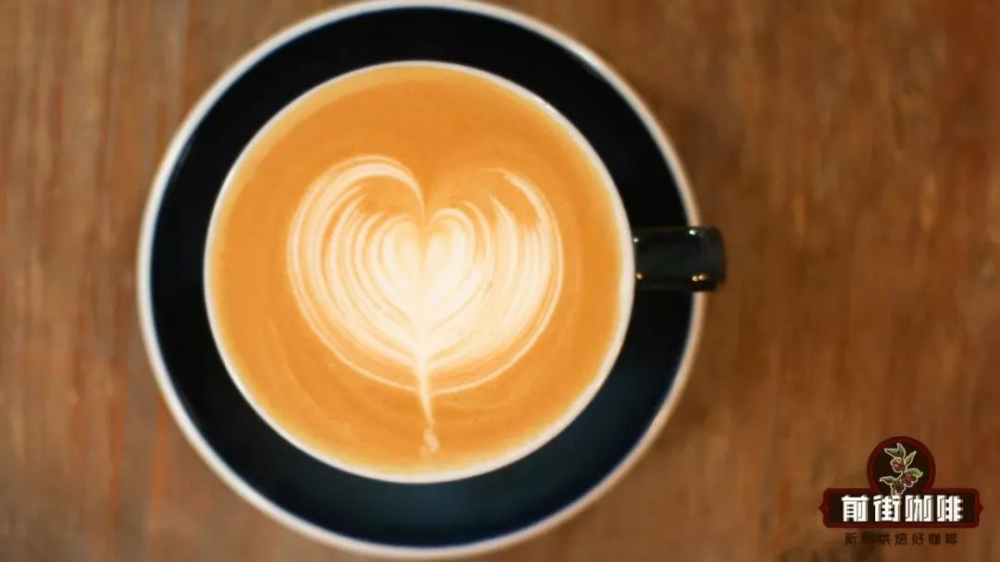
Basic patterns refer to simple patterns that beginners can master in a short time after getting started, such as hearts, multi-layer hearts, and leaves, which can be completed without too many complicated techniques.
Combination patterns require the use of various techniques and restrictive conditions to complete, and belong to complex patterns. Such patterns usually place higher demands on milk foam quality and operational skill, so they can be regarded as advanced latte art operations. However, because latte art does not affect the taste of coffee, baristas will not deliberately try to master combination patterns unless there are special requirements.
II. Coffee Etching
Although the etching needle is often joked about as a "cheat tool," it is in fact a latte art tool recognized and allowed in international competitions. We can understand the etching needle as a paintbrush with two ends, one thick and one thin, which can be used to draw finer or bolder lines and create distinctive patterns that a milk pitcher cannot complete.
The fineness of the pattern mainly depends on the user's level of drawing ability. The higher the level, the more patterns one can draw and the more delicate they will be. For a drawing expert like Front Street, drawing a little bear pattern is no problem at all.
(Actually the most basic)
III. 3D Latte Art
3D latte art is very different from the two types of latte art patterns above. Regular latte art patterns are flat when created, while 3D latte art, as the name suggests, presents a three-dimensional form.
As can be seen from the pictures, 3D latte art is different from traditional latte art production. More vividly speaking, this kind of latte art is "sculpted." First, milk foam and coffee are integrated, then pre-frothed thick milk foam is stacked on the surface, and then a spoon and etching needle are used to continuously shape the milk foam, ultimately forming the three-dimensional form we see.
To make the latte art more vivid, in addition to coffee liquid and milk foam, colored syrups such as chocolate sauce and caramel sauce are also used for outlining. Of course, this kind of latte art also greatly tests the maker's drawing skill, so Front Street has so far never published related tutorials.
Because it is too difficult and wrecks your hands, Front Street is thinking of everyone, absolutely not because Front Street cannot do it.
- END -
The above content is compiled by CoffeeHunters, a coffee news website.


