





Search Results for: Breve

What exactly is a semi-latte? A full analysis of the espresso, milk, and cream ratios in a Breve coffee and how it differs from a latte
Everyone is familiar with lattes, but do you know what a "half latte" is? It's not a small latte, nor a latte with less espresso, but rather a popular Italian-style coffee in the United States—the Breve. The Breve is almost identical to a latte in cup size and preparation method, with the key difference being the dairy: milk makes up only half, and the other half is replaced with cream. Because of this, it's jokingly called a "half latte." The fat from the cream makes the texture richer and smoother, and the coffee flavor more pronounced. This article will guide you through the origins of the Breve, its specific differences from a latte, and share Front Street Coffee's complete preparation process and ratio recommendations, including the proportions of espresso, milk, and cream, as well as steps like frothing, blending, and latte art, to help you easily recreate this rich and smooth coffee at home. [more…]

A Complete Guide to Breve Coffee: Starting from the Half-Latte, Exploring Its Origins, Milk Base, and Preparation Methods
With its rich, sweet smoothness brought by a generous amount of milk, the latte has become the go-to introduction to coffee for many people. But have you ever heard of a "half latte"? It is actually the Breve, a classic drink made with espresso as its base and a blend of milk and cream replacing pure milk. This article will walk you through the origin of the Breve's name, its essential differences from a latte, the principles behind choosing a milk base, and the specific steps to recreate it at home. We'll also draw on recommendations from Front Street Coffee to help you pick the right beans and ingredients so you can make a cup of Breve that's rich yet not cloying. [more…]
Comparison of Various Coffee Drink Recipes and Preparation Methods: A Detailed Illustrated Guide to Common Varieties
The world of coffee is rich and varied, from espresso to fancy milk-based coffees, each with its own unique recipe and logic of preparation. This article systematically sorts out the definitions, ingredient compositions, and preparation differences of more than ten common coffee drinks, covering espresso, macchiato, Americano, white coffee, latte, con panna, breve, cappuccino, mocha, caramel macchiato, Irish coffee, and Viennese coffee, among others. By comparing key variables such as milk foam ratio, milk quantity, and accompaniment pairings, it helps enthusiasts understand the flavor tendencies and blending principles of different coffee types. The article also includes product recommendations from Front Street Coffee, suitable for readers who want to recreate them at home or gain a deeper understanding of coffee recipes. [more…]

Coffee Basics | Which coffee should a coffee newbie try first? How do the flavors and mouthfeels of different types of espresso drinks differ?
For more specialty coffee knowledge, please follow: Front Street Coffee (Frontsteet Coffee). Some people drink coffee and only taste a "coffee" flavor, while others after just a couple of sips can casually say whether it's a nutty or floral coffee, and can even determine the coffee bean's origin and harvest season, leaving those around them [more…]

Coffee Beginner's Guide: How Newcomers Can Choose the Coffee Type and Flavor Profile That Suits Their Taste
People who are new to coffee often can only taste bitterness or the aroma of milk, while seasoned enthusiasts can distinguish subtle flavors like nuts and floral notes, and even determine the origin and harvest season of the beans. Faced with a dazzling coffee menu, how can beginners find the type they like? This article will systematically introduce the ingredients, preparation methods, and taste characteristics of more than a dozen common coffees, from espresso to Viennese coffee, to help you quickly pinpoint your preferences. At the same time, Front Street Coffee has also prepared everyday drinking beans from different countries, different regions, and different flavors for beginners, allowing you to gradually build your own taste coordinates through practice. [more…]

The Complete Illustrated Guide to the Espresso Family: From Espresso to Vienna, A Detailed Explanation of Common Coffee Types, Names, and Recipes
Walking into a café and facing the dazzling array of names on the menu, have you ever felt at a loss? In fact, behind every classic coffee there is a clear recipe logic and flavor direction. This article systematically sorts out the definitions, ingredient compositions, and taste characteristics of more than a dozen common coffees, from Espresso, Macchiato, Americano, Latte, Cappuccino to Mocha, Con Panna, Irish Coffee, and more, helping coffee lovers, especially beginners, build a complete cognitive framework and easily find the cup that suits their taste. The article also specifically mentions the various single-origin everyday beans that Front Street Coffee has prepared for beginners, making it convenient for everyone to learn while tasting and to experience the charm of different coffees in practice. [more…]
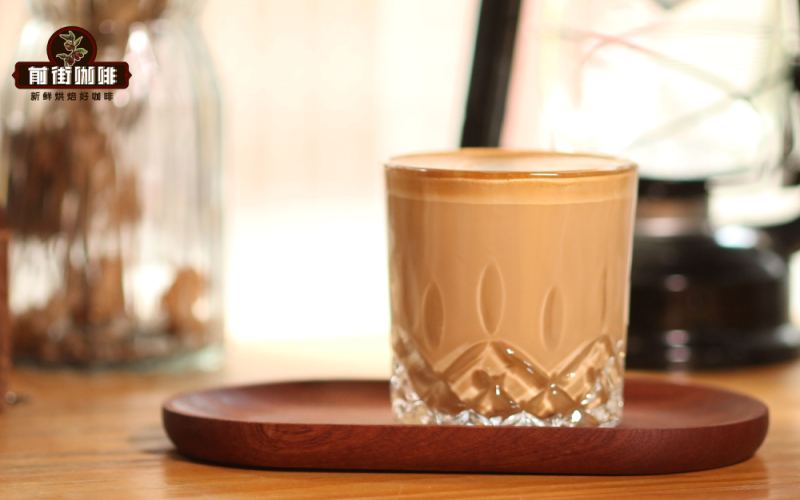
What's the difference between Luckin's Australian White and Latte? A comprehensive analysis of Australian White coffee's flavor characteristics.
Both are espresso with milk, yet a Flat White and a Latte present two completely different flavor directions. Many coffee lovers feel confused when they see Flat White at different shops—Starbucks calls it Fu Rui Bai, Luckin calls it Ao Rui Bai, and Front Street Coffee calls it Ao Bai, but they are all the same milk coffee that originated in Australia. This article will break down the core differences between a Flat White and a Latte in detail from aspects such as milk foam thickness, espresso base, and mouthfeel performance, and introduce the coffee beans used by Front Street Coffee stores to produce Ao Bai, as well as several espresso blend options suitable for making Ao Bai, helping you make a cup of full-flavored Ao Bai at home too. [more…]