







Search Results for: humid weather
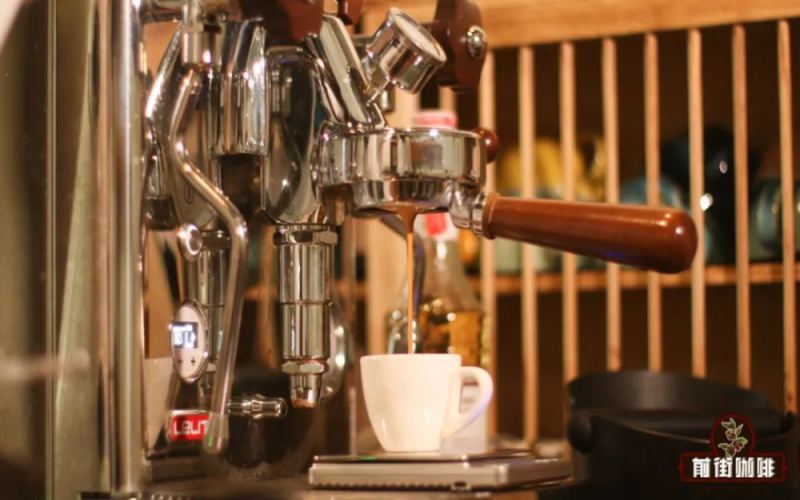
How to stabilize espresso extraction in humid climates? Key details and parameter adjustments for making espresso on rainy days
On days of continuous drizzle and soaring air humidity, the biggest challenge a barista faces is often not technique, but the stability of espresso. A humid environment can cause coffee beans to absorb moisture and lose flavor, and the pressure of the espresso machine may also be weakened, making extraction extremely unstable. This article starts from three angles—reducing bean moisture exposure, adjusting grind and dose, and increasing the frequency of parameter calibration—to sort out the operational details to pay attention to when making espresso on rainy days, helping you maintain consistency and flavor in your output even as humidity changes. [more…]

During the humid season, espresso extraction becomes unstable? A barista teaches you three ways to adjust the parameters.
Guangzhou's "hui nan tian" (return of the southern damp) has arrived, with walls sweating, floors never drying, and coffee beans facing a moisture crisis. A surge in humidity directly affects the stability of espresso extraction: beans in the hopper absorb moisture and clump together, water vapor interference during grinding intensifies, and as air pressure drops, the espresso machine's extraction pressure slightly decreases, ultimately leading to weaker flavor and longer shot times. How should baristas respond to such harsh weather? This article approaches the problem from three angles—reducing moisture absorption, solving clumping, and adjusting parameters—and combines Front Street Coffee's hands-on experience to offer concrete, actionable solutions that help you pull a stable, delicious espresso even in the humid season. [more…]

How to Quickly Calibrate Espresso on Rainy Days? Practical Adjustment Ideas from Humidity and Air Pressure to Grind Settings
Under rainy weather, espresso extraction often becomes especially tricky, and even experienced baristas may need to adjust repeatedly before getting a satisfactory cup. The root of the problem is not simply under-extraction or over-extraction, but uneven extraction caused by the combined effects of high humidity and low air pressure. Starting from Front Street's hands-on experience, this article first analyzes the two major reasons why espresso is difficult to dial in on rainy days—a surge in environmental humidity causes coffee grounds to absorb moisture and clump, while lower air pressure weakens extraction efficiency—and then provides specific response strategies, including dehumidification and moisture prevention, sealed storage, and compensating for the amount of dissolved flavor substances by extending extraction time or making the grind finer. The article also includes a parameter comparison of Front Street's classic blend under normal weather and rainy days for readers to refer to when adjusting. [more…]

Why Does Rainy Weather Make Espresso So Hard to Dial In? Analyzing the Causes of Unstable Espresso Machine Extraction
Spring has arrived, and Guangdong is experiencing continuous rainy weather. For baristas who need to get up early every day to dial in espresso, this period is undoubtedly a challenge. Many coffee enthusiasts have noticed that with the same beans and the same parameters, as soon as a rainy day comes, the espresso machine seems to throw a tantrum, and the extraction results are always less than satisfactory. What exactly causes espresso to be so difficult to dial in on rainy days? This article will analyze in depth from multiple angles such as humidity, temperature, and bean condition, helping you understand the real reasons why espresso machine extraction is unstable in wet weather, and offering practical approaches to deal with it. [more…]
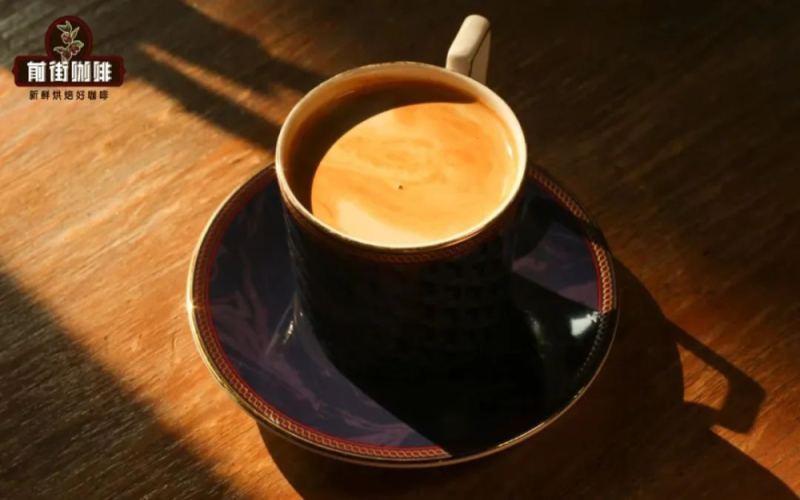
Why does an iced Americano from the same beans taste good one time and bad another? Four major variables shape the flavor of the Americano in your hand.
The same shop, the same beans, yet the americano can often come out tasting like two completely different cups—Front Street Coffee's store received exactly this kind of feedback from customers this week. The article starts with the minimalist essence of the americano: "espresso diluted with water." Since the recipe is fixed and water has no flavor of its own, any variation can only come from the espresso itself. It then breaks down, one by one, four variables that are often overlooked: the resting rhythm and ongoing degassing of the coffee beans, the interference of rainy, high-humidity weather with grinding and pressurization, particle size drift caused by hopper pressure, and the heat effects of a grinder running nonstop. It also includes the actual brewing parameters and bean-resting experience for Front Street Coffee's Warm Sun beans, helping you understand the story behind the flavor ups and downs of a single cup of iced americano. [more…]

Can a toothpick replace a coffee distribution needle? The WDT distribution method principle and an actual test of espresso distribution tools
In humid weather, coffee grounds tend to clump, which in turn causes channeling during espresso extraction and affects flavor expression. The WDT (Weiss Distribution Technique) breaks up clumps by stirring with fine needles, making it an effective means of solving this problem. But not every enthusiast keeps distribution needles on hand, so whether everyday items like toothpicks can serve as substitutes has become a common question. Starting from Front Street's actual extraction experiments, this article compares distribution needles and toothpicks in terms of breaking-up effectiveness, grounds bed distribution, and extraction stability, analyzes why toothpicks are unsuitable as substitutes, and offers purchasing advice for distribution needles, helping you achieve more stable espresso in rainy or dry seasons. [more…]
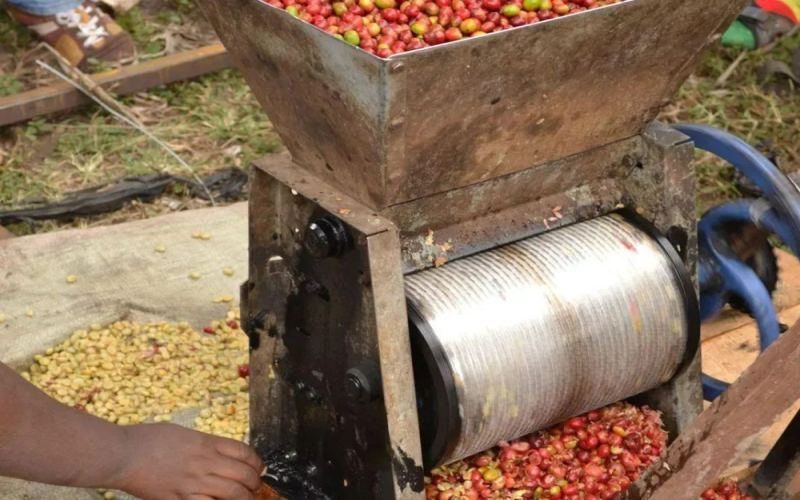
How the Indonesian Wet-Hulling Method Shapes the Unique Flavor and Origin Story of Sumatra Mandheling
Sumatra, with its volcanic soil, high-altitude mountains, and humid climate, has given rise to the world-famous Mandheling coffee. To cope with the rainy environment, local farmers invented the wet-hulling method—a unique semi-washed process that not only shortens the drying cycle but also gives the beans their signature woody, spicy, and herbal notes. From Lake Toba to Lake Tawar, from the Mandailing people to the Gayo people, different producing regions and ethnic groups together have shaped the rich character of Mandheling. Meanwhile, the Golden Mandheling introduced by Indonesia's PWN company, through strict selection and exclusive trademark registration, has become synonymous with specialty Mandheling. The Golden Mandheling that Front Street Coffee stocks year-round comes from PWN. This article will take a deep dive into the technical details of wet hulling, the origin stories of Mandheling, and the grading standards and cupping performance of Golden Mandheling. [more…]
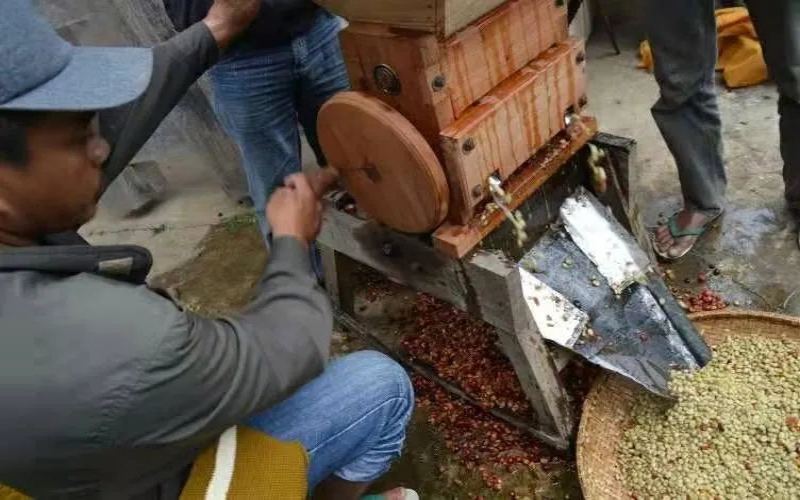
How Does Indonesia's Wet-Hulled Process Differ from Washed Processing? A Detailed Explanation of the Unique Processing Method and Flavor Formation of Mandheling Coffee
Indonesian wet-hulling is a method of processing green coffee beans that differs from traditional washed processing. Its core feature is that the parchment (endocarp) is removed before the coffee beans are fully dried, thereby greatly shortening the drying period. The birth of this process is closely related to Indonesia's climate conditions of year-round high temperatures and humidity and insufficient sunlight. This article will systematically outline the complete wet-hulling process, compare its differences with washed processing, and analyze the reasons behind the formation of Mandheling coffee's signature full body, caramel aroma, and "sheep-hoof bean" appearance, helping coffee enthusiasts gain a deeper understanding of the value and flavor expression of this unique processing method. [more…]
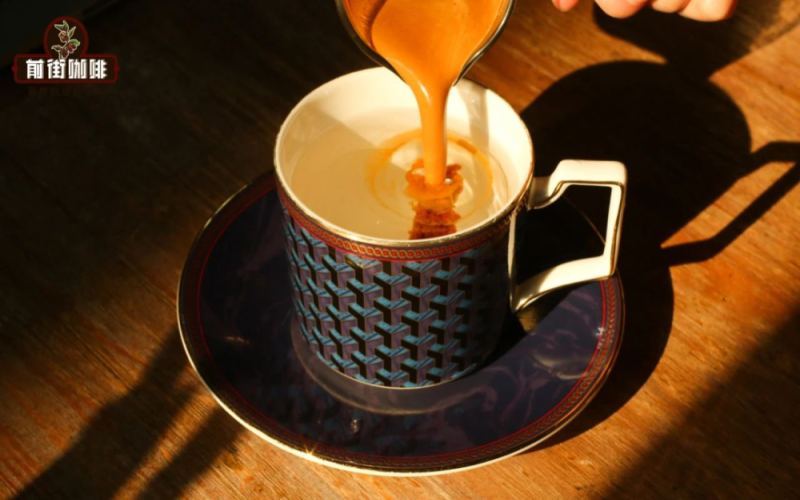
Why does iced Americano made from the same beans taste different? Analyzing the four major variables affecting espresso extraction and the preparation standards
When you order an iced Americano at a café, sometimes the taste feels a little different from last time—same shop, same beans, yet the fruity acidity, body, and aroma may shift subtly. This difference is not an illusion, but the result of multiple variables working together: the resting state of the coffee beans, weather and humidity, hopper pressure, and temperature changes in the grinder during continuous shots. This article will break down these factors affecting espresso extraction one by one, and explain the parameters and logic behind making a standard iced Americano, helping coffee lovers understand the espresso system behind a delicious cup. [more…]
A Complete Guide to Indonesia's Wet-Hulling Method: The Origins of Sumatra Mandheling's Unique Flavor and Its Grading Standards
Wet hulled is a green bean processing method uniquely developed by Indonesian coffee farmers to cope with the humid, rainy climate. It greatly shortens the drying cycle and gives Mandheling its signature woody and herbal notes. This article will take you into Sumatra's two core producing regions—Lake Toba and Lake Tawar—sort through the specific operational steps of wet hulled processing, analyze how it shapes Mandheling's full-bodied style, and explain the rigorous screening standards and grade classifications of Indonesian PWN company's Golden Mandheling. Whether you are a beginner just getting to know Mandheling or a seasoned enthusiast wanting to understand the differences between processing methods in depth, this article will offer practical reference. [more…]

Why Does Espresso Need Daily Calibration? Analyzing Crema Quality and Rainy-Day Extraction Challenges
Many coffee enthusiasts are puzzled by the practice of coffee shops adjusting their espresso every day, believing that as long as the dose, water temperature, yield, and grind size stay consistent, the taste should remain stable. However, the pressurized extraction method of espresso is extremely sensitive—the degassing state of the coffee beans, the weather humidity, and the wear on the grinder burrs can all cause flavor deviations. This article analyzes in detail how carbon dioxide affects the crema and extraction, why it is harder to pull a good-tasting espresso on rainy days, and the reasons behind changes in grind size, while also sharing Front Street Coffee's professional interpretation of the necessity of daily espresso calibration. [more…]
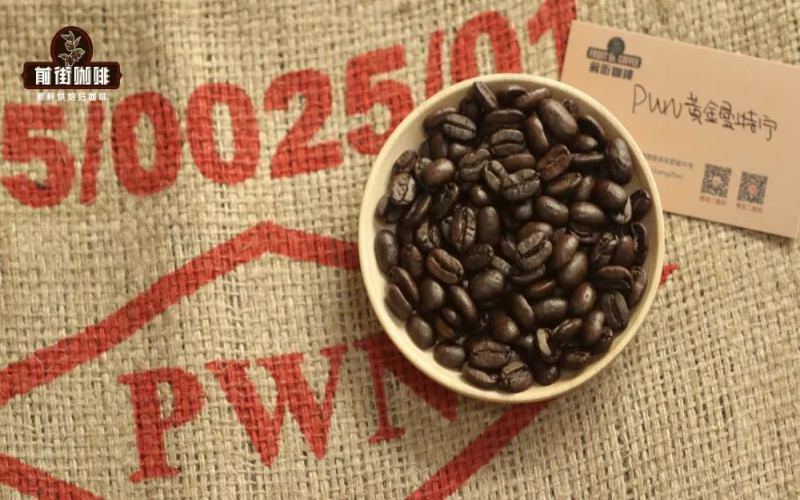
Exploring Indonesian Mandheling: How Wet-Hulling Creates Sumatra Coffee's Piney, Caramel, Herbal Flavors
Mandheling coffee stands out in the specialty coffee world with its thick body, low acidity, and distinctive herbal spice aroma. As the darkest-roasted pour-over single origin on Front Street Coffee's bean list, Front Street Mandheling and Front Street PWN Golden Mandheling captivate countless coffee lovers with their rich bitterness, steady sweet aftertaste, and signature earthy aroma. So why is it that among medium-dark roasts, only Mandheling carries this hard-to-replicate flavor? The answer lies in the humid climate of Sumatra, Indonesia, and a special processing method known as wet hulling. This article will take you through every step of wet hulling and reveal the true source of Mandheling's regional flavor. [more…]
Why Does Coffee Grinding Constantly Throw and Clump? Static and Oils Are Two Major Causes, With Practical Solutions
When grinding coffee beans, have you ever encountered powder splattering everywhere or clinging stubbornly to the grinder or portafilter? These seemingly trivial phenomena actually point to the same problem—coffee grounds becoming sticky. Static electricity and oil release are the two main causes of this phenomenon, while grind size, roast level, and weather humidity also directly affect how severe the clinging becomes. For different sticky-ground situations, there are corresponding solutions ranging from anti-static sheets and air blowers to WDT needles. Although the online trick of adding water to eliminate static works, it carries hidden risks. This article will break down the causes and solutions one by one, making the grinding process cleaner and smoother. [more…]
Breaking Down the Entire Indonesian Wet-Hulling Process: Where Does the Unique Herbal Flavor of Golden Mandheling Come From?
Front Street Mandheling and Front Street PWN Golden Mandheling are the darkest-roasted pour-over single origins on the Front Street bean list, known for their rich, substantial body and distinctive herbal-spice flavors. Many people wonder: both are medium-dark roasts, so why is it only Mandheling that carries this aroma? The answer lies in the wet-hulling method of Sumatra, Indonesia. With high temperatures, abundant rain, and humidity that stays at 70–90% year-round, plus annual rainfall exceeding 2000mm, local farmers developed this semi-washed approach to shorten the processing cycle. From depulping, a brief fermentation, and drying in parchment, to hulling the seed coat once the moisture content drops to 30–50%, then continuing to dry down to 12%–15%, every step shapes its signature herbal, driftwood, and stuffy aromatics. This article will fully break down the specific steps of the wet-hulling method and explain how this unique regional flavor is formed. [more…]
How the Indonesian Wet-Hulled Method Shapes the Unique Flavor and Rich Mouthfeel of Mandheling Coffee
Mandheling coffee, as the darkest-roasted single-origin bean on Front Street Coffee's menu, is renowned for its rich, solid mouthfeel and distinctive stuffy aroma. It originates from Sumatra, Indonesia, where the hot, rainy climate has given rise to a unique semi-washed processing method—wet hulling. This technique removes the parchment from the coffee beans before they are fully dried, greatly shortening the processing cycle but also introducing more defects and flavor variability. It is precisely this interweaving of "roughness" and "contamination" that gives Mandheling its regional flavor—a blend of wood, spice, earth, and herbs. This article will take you through every stage of wet hulling and reveal the origins of Mandheling coffee's unique flavor. [more…]
The Four Major Factors Affecting Iced Americano Flavor: From Bean Resting to Continuous Pouring—Can Single-Origin Beans Make Iced Coffee?
At the same shop, with the same beans, why does the taste of iced americano vary from good to bad? Starting from a real conversation at a Front Street location, this article breaks down the logic behind americano coffee "losing its flavor." The article points out that although an americano is simply espresso plus water, the extraction state of the espresso itself can be affected by factors such as bean resting time, weather changes, hopper pressure, and continuous pulling of shots, leading to fluctuations in flavor and strength. At the same time, the article also addresses the question of "whether single-origin coffee beans can be used to make iced coffee." By understanding these variables, coffee enthusiasts can gain a more comprehensive understanding of the espresso coffee system and discover more possibilities in a cup of iced americano through products such as Front Street's Warm Sun Blend. [more…]
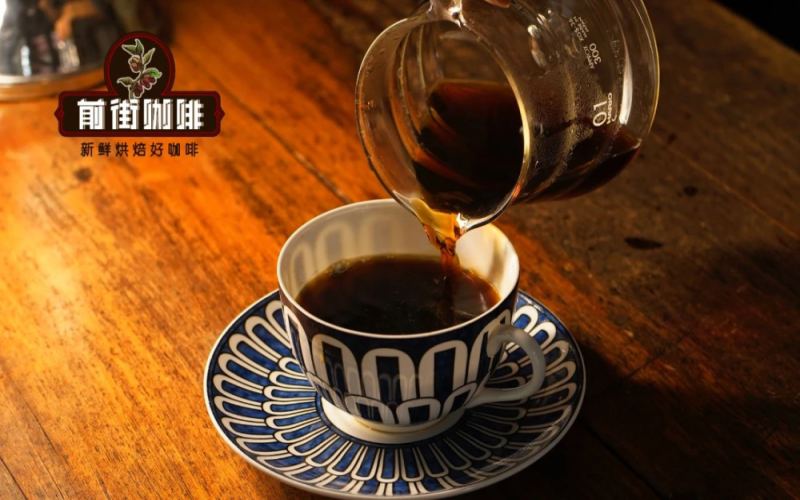
How Indonesia's Wet-Hulling Process Shapes the Unique Flavor of Mandheling: From Sumatra's Climate to the Causes of Sheep Hoof Beans
In the world of coffee, Indonesian Mandheling stands out with its solid, mellow body and unique herbal, woody aromas. Front Street Mandheling, the darkest-roasted single origin on the bean list, presents a character of low acidity, high body, and a long intertwining of bitter notes and sweetness. This highly recognizable flavor comes not only from the terroir of Sumatra's high-altitude growing regions, but more crucially from the region's unique wet-hulling process. This article will provide an in-depth analysis of the complete wet-hulling process, from the climatic background and semi-washed operation to the formation of the sheep's hoof bean, and explore how the humid environment, through mold and the Maillard reaction, ultimately creates Mandheling's signature funky aroma and regional taste. [more…]
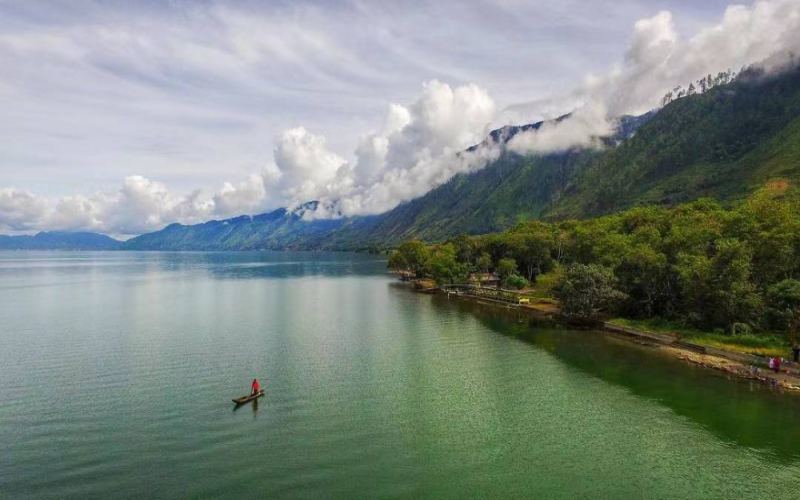
Sumatra Wet-Hulling Process Explained: The Compatibility of Mandheling Coffee Varieties with Espresso
Sumatra, as Indonesia's largest island, nurtures a distinctive Mandheling coffee thanks to its volcanic ash soil and high-altitude misty environment. From the introduction of Typica during the Dutch colonial period to the rise of disease-resistant varieties like Tim Tim and Catimor after leaf rust, Sumatra's coffee varieties have undergone multiple changes. The local humid and rainy climate gave rise to the unique wet-hulling process, which endows the coffee with its signature woody, spicy, and herbal notes. This article will guide you through the evolution of Sumatra coffee varieties, the specific steps of the wet-hulling process, and whether Mandheling is suitable for making espresso, along with practical advice from Front Street Coffee. [more…]
Why Is Wet-Hulling Used for Mandheling? A Detailed Explanation of the Process Characteristics and Flavor Origins of Indonesia's Wet-Hulling Method
As the darkest single-origin roast on Front Street Coffee's bean list, Mandheling is known for its solid, mellow body, low acidity, and distinctive musty aroma. Why is it that among beans of the same medium-dark roast level, only Mandheling carries this intriguing flavor? The answer lies in the wet-hulled processing method of Sumatra, Indonesia. Local humidity stays between 70 and 90 percent year-round, with annual rainfall exceeding 2000mm, and this harsh climate forced people to develop a unique semi-washed method—wet hulling. This article will break down the operational flow of wet hulling, how it differs from traditional washing, and how it shapes Mandheling's signature herbal notes, aged-wood flavor, and sense of place. [more…]

Wildfires Rage in Brazil's Minas Gerais National Park, New Coffee Crop Season Output May Face Potential Impact
A fire in the Serra do Cipó National Park in the Cerrado region of Minas Gerais state in southern Brazil has been burning for four days, with the burned area reaching 478 hectares. The state is a core coffee-producing region in Brazil, accounting for 30% of the country's output, and many coffee estates are located nearby. Although, as of August 13, the harvest of the new coffee season is nearly complete, so the current fire has limited impact on this season's output, damage to the soil and ecological environment, low humidity, and the possible arrival of a La Niña climate make the outlook for coffee production in the 2024/25 season worrying. [more…]